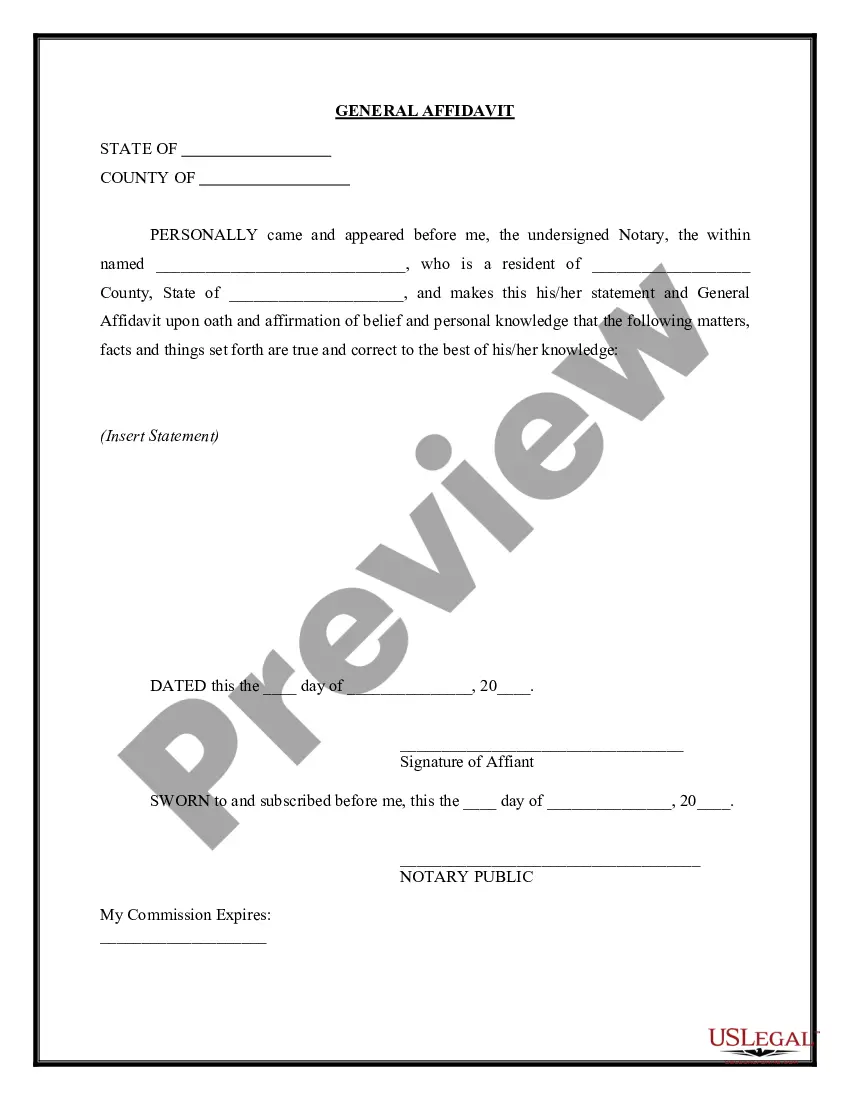
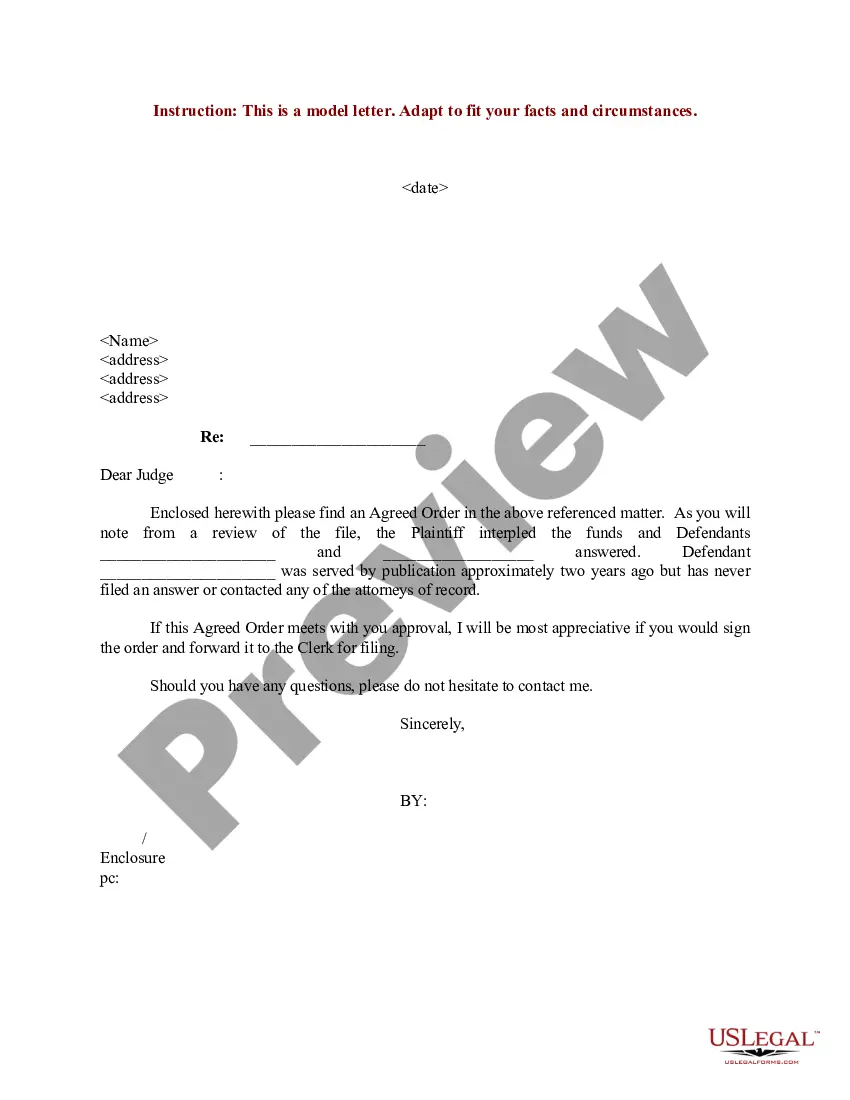
Sample Letter To Judge For Child Custody In Sacramento
Description
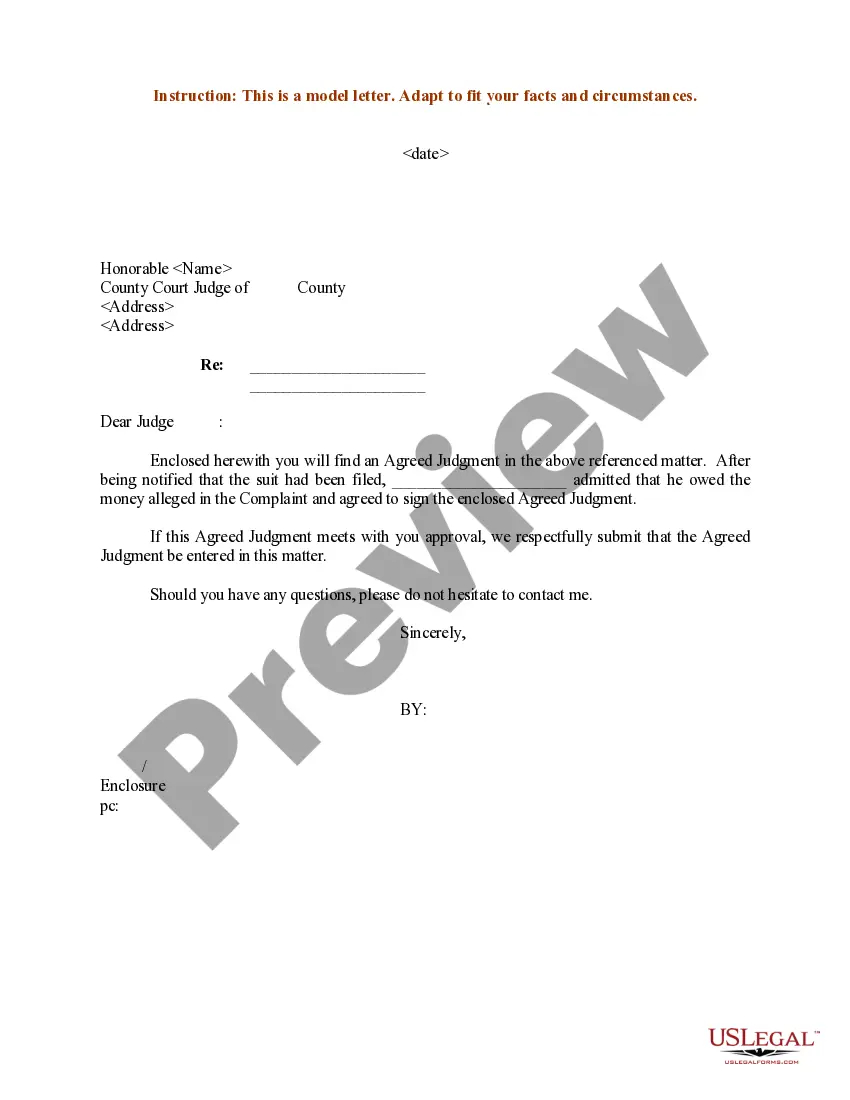
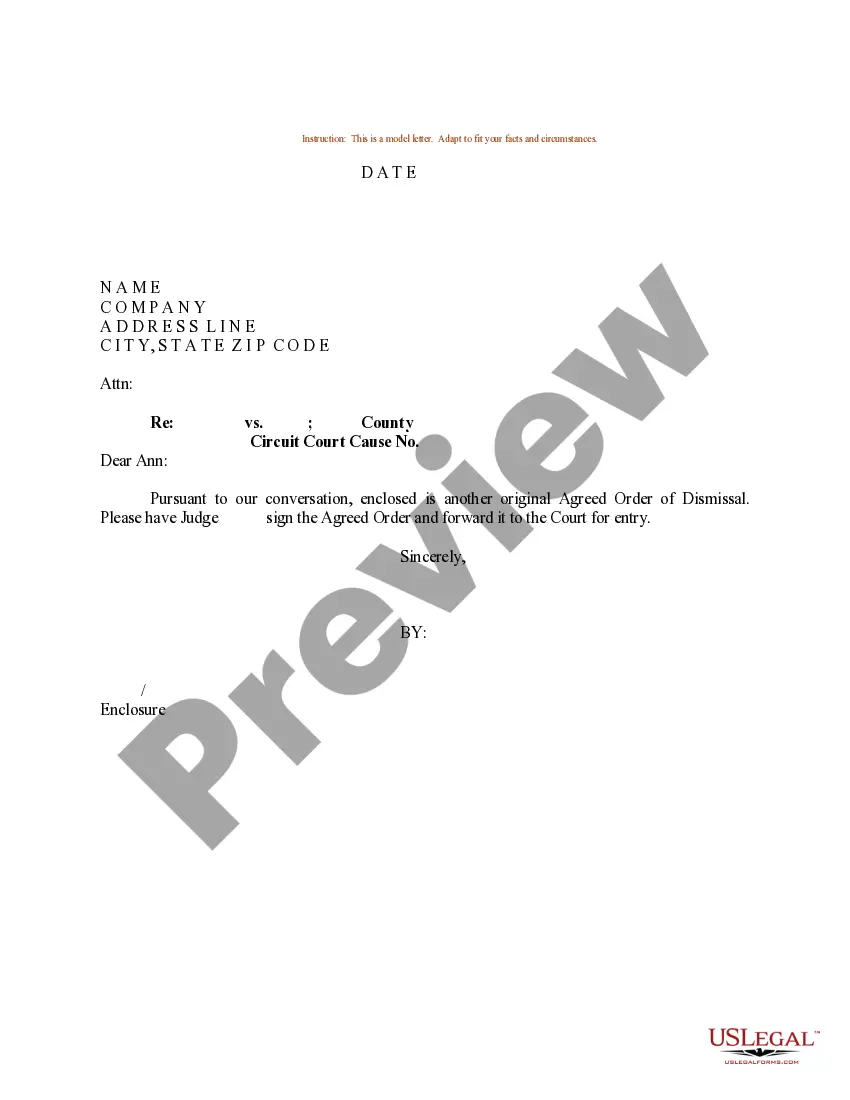
Get your form ready online
Our built-in tools help you complete, sign, share, and store your documents in one place.
Make edits, fill in missing information, and update formatting in US Legal Forms—just like you would in MS Word.
Download a copy, print it, send it by email, or mail it via USPS—whatever works best for your next step.
Sign and collect signatures with our SignNow integration. Send to multiple recipients, set reminders, and more. Go Premium to unlock E-Sign.
If this form requires notarization, complete it online through a secure video call—no need to meet a notary in person or wait for an appointment.
We protect your documents and personal data by following strict security and privacy standards.

Make edits, fill in missing information, and update formatting in US Legal Forms—just like you would in MS Word.

Download a copy, print it, send it by email, or mail it via USPS—whatever works best for your next step.

Sign and collect signatures with our SignNow integration. Send to multiple recipients, set reminders, and more. Go Premium to unlock E-Sign.

If this form requires notarization, complete it online through a secure video call—no need to meet a notary in person or wait for an appointment.

We protect your documents and personal data by following strict security and privacy standards.
Looking for another form?
Form popularity
FAQ
Determining what's in the best interest of your child To decide what is best for a child, the judge considers: The age and health of the child. The emotional ties between the parents and the child. The child's ties to their school, home, and community.
Your letter should be well-organized and specific to your situation. It should demonstrate your genuine commitment to being a good co-parent, make a thoughtful argument in favor of your custody arrangement and show that you prioritize your child's best interests.
Disrespectful Language : Avoid using any form of disrespect, such as insults, sarcasm, or derogatory remarks about the judge, the opposing party, or even the legal system. Negative Comments About the Other Parent : Speaking poorly about the other parent can reflect badly on you. Emotional Outbursts
To decide what is best for a child, the judge considers: The age and health of the child. The emotional ties between the parents and the child. The child's ties to their school, home, and community.
What Is the Biggest Mistake in a Custody Battle? Refusing To Cooperate. Inappropriate Posts on Social Media. Not Listening To Court Orders. Trying To Represent Yourself. Trying To Manipulate the Child's Views. To Learn More About The Biggest Mistakes in a Custody Battle, Contact Hoffman Walker & Knauf Today.
How to Write a Declaration for Family Court in California Give background information or tell their side of the story; Explain any requests and reasons for proposing those requests; Provide additional needed information or explain specific problems; and. Respond to the opposing party's requests or declarations.
Good Words To Use In Custody Hearing Your Child is Not Property. The primary thing you must remember is that your child is not property. Best Interests of Child. With that in mind, you must always remember in Court, it is about your children. Status Quo. Child's Schedule. Co-Parenting. Flexibility. Step-Up Plan. Our Child.
What To Do To Win Child Custody in California Be active with your child's education, extracurricular activities, and events. Collaborate with your co-parent. Give them their own space in your home. Exercise your parental rights. Support your co-parent's relationship with your child. Make a good impression in court.
To change the judge you have to file an Affidavit of Prejudice. The statute requires that the judge be changed if you file the affidavit prior to the judge making any ruling in the case. After that, you have to schedule a Motion to change the judge, and you have to prove actual prejudice.