Sample Order For Judge To Sign In Oakland
Description


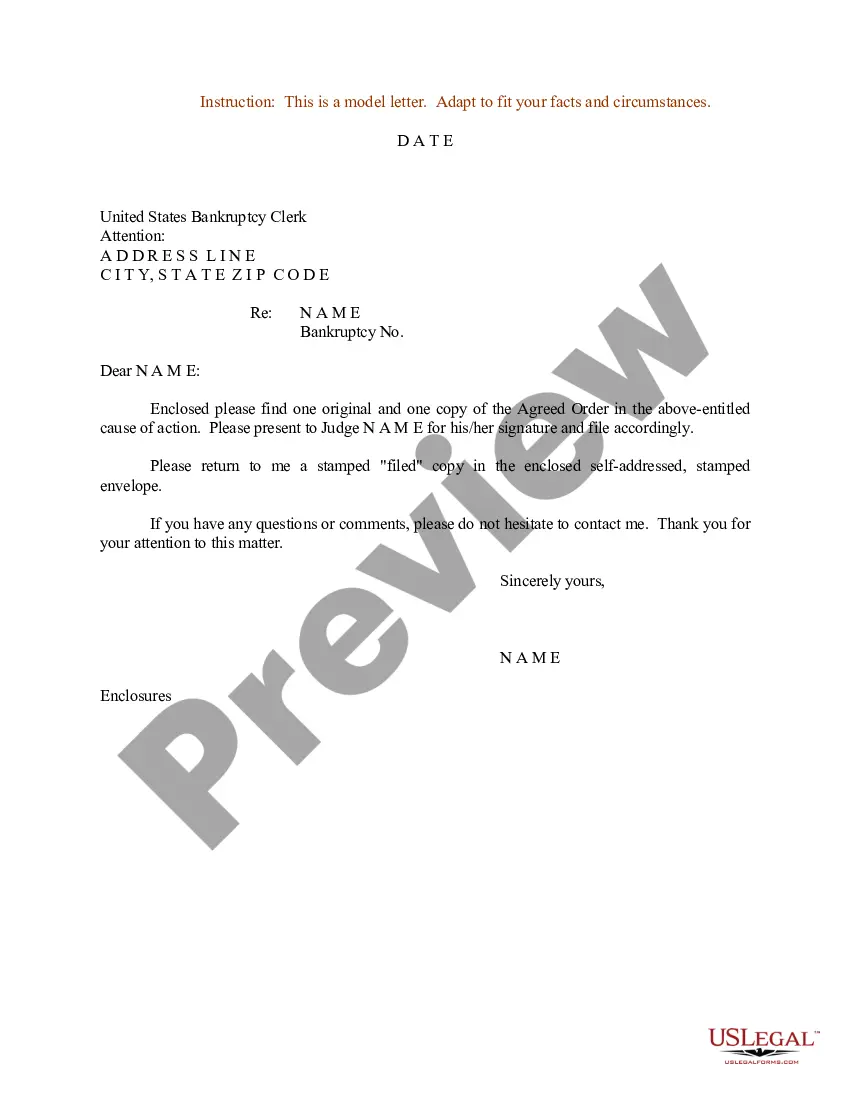
Get your form ready online
Our built-in tools help you complete, sign, share, and store your documents in one place.
Make edits, fill in missing information, and update formatting in US Legal Forms—just like you would in MS Word.
Download a copy, print it, send it by email, or mail it via USPS—whatever works best for your next step.
Sign and collect signatures with our SignNow integration. Send to multiple recipients, set reminders, and more. Go Premium to unlock E-Sign.
If this form requires notarization, complete it online through a secure video call—no need to meet a notary in person or wait for an appointment.
We protect your documents and personal data by following strict security and privacy standards.

Make edits, fill in missing information, and update formatting in US Legal Forms—just like you would in MS Word.

Download a copy, print it, send it by email, or mail it via USPS—whatever works best for your next step.

Sign and collect signatures with our SignNow integration. Send to multiple recipients, set reminders, and more. Go Premium to unlock E-Sign.

If this form requires notarization, complete it online through a secure video call—no need to meet a notary in person or wait for an appointment.

We protect your documents and personal data by following strict security and privacy standards.
Looking for another form?










Form popularity
FAQ
In person: In an interview, social event, or in court, address a judge as “Your Honor” or “Judge last name.” If you are more familiar with the judge, you may call her just “Judge.” In any context, avoid “Sir” or “Ma'am.” Special Titles.
Use formal language and avoid slang. Thank the judge for their time and consideration. Offer your willingness to provide further information if needed. Use a formal closing such as ``Sincerely'' or ``Respectfully,'' followed by your name. Dear Honorable (Judge's Last Name),
Best Way to Write a Letter to a Judge Address a piece of professional letterhead to the judge at the top of the letter. At the start of the letter, introduce yourself and explain how you know the defendant. Write statements that show support for the defendant and give examples of their good character.
It can take a few days to a few weeks to obtain the actual signed order from the judge.
When signing the letter, you should close out with “Respectfully” or “Sincerely,” followed by both a typed and handwritten signature with your first and last name.
How to Address a Judge in a Letter. Start with the envelope, writing to the judge in this format: Honorable Judge First Name Last Name Judge of Name of the Court
Start the address on the envelope with "The Honorable (full name)." For example, on the envelope addressed to Judge John Matthew Pool, write "The Honorable John M. Pool." X Research source You will need to include a second line with the judge's title, so do not write the court address yet.
Your Response to the Order to Show Cause must show a good reason (“cause”) for not following the Court's rules, directions, or deadlines. You must also do anything else the Court tells you to do in the Order to Show Cause.
It can take a few days to a few weeks to obtain the actual signed order from the judge.
What Is the Biggest Mistake in a Custody Battle? Refusing To Cooperate. Inappropriate Posts on Social Media. Not Listening To Court Orders. Trying To Represent Yourself. Trying To Manipulate the Child's Views. To Learn More About The Biggest Mistakes in a Custody Battle, Contact Hoffman Walker & Knauf Today.

