Example Letter To Judge For Traffic Violation In Minnesota
Description

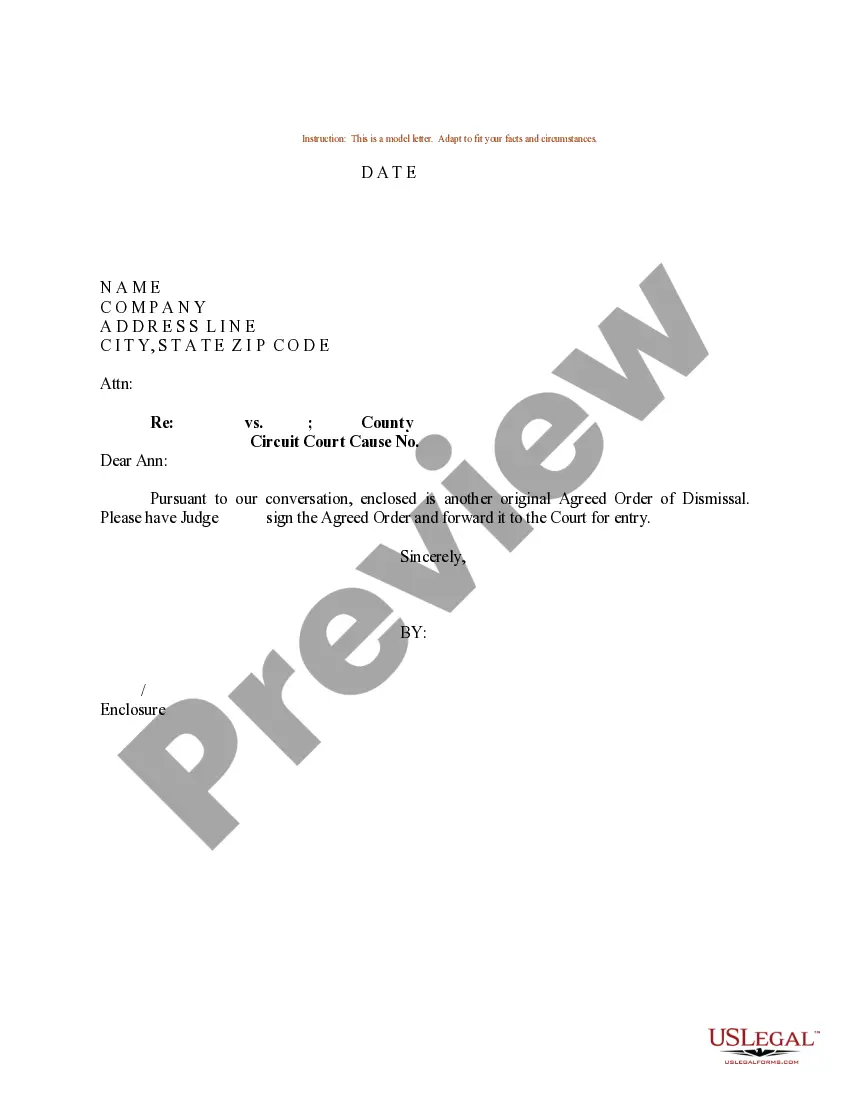
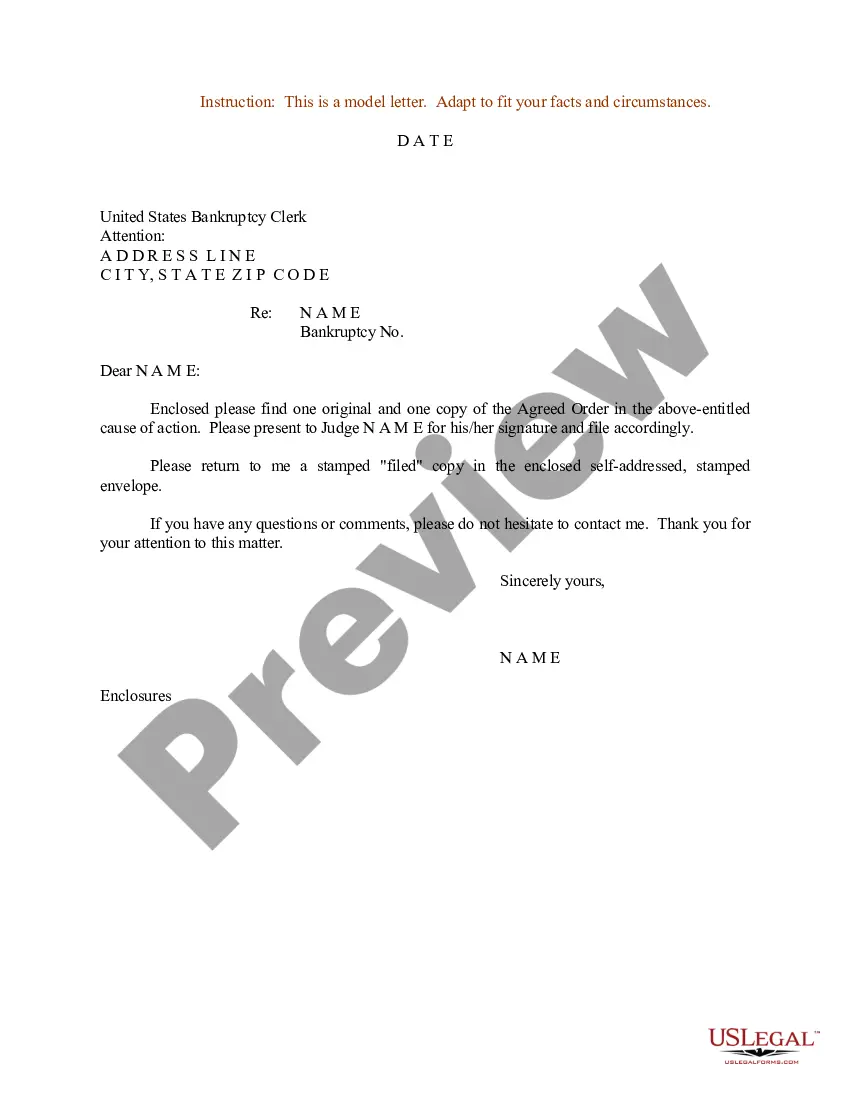
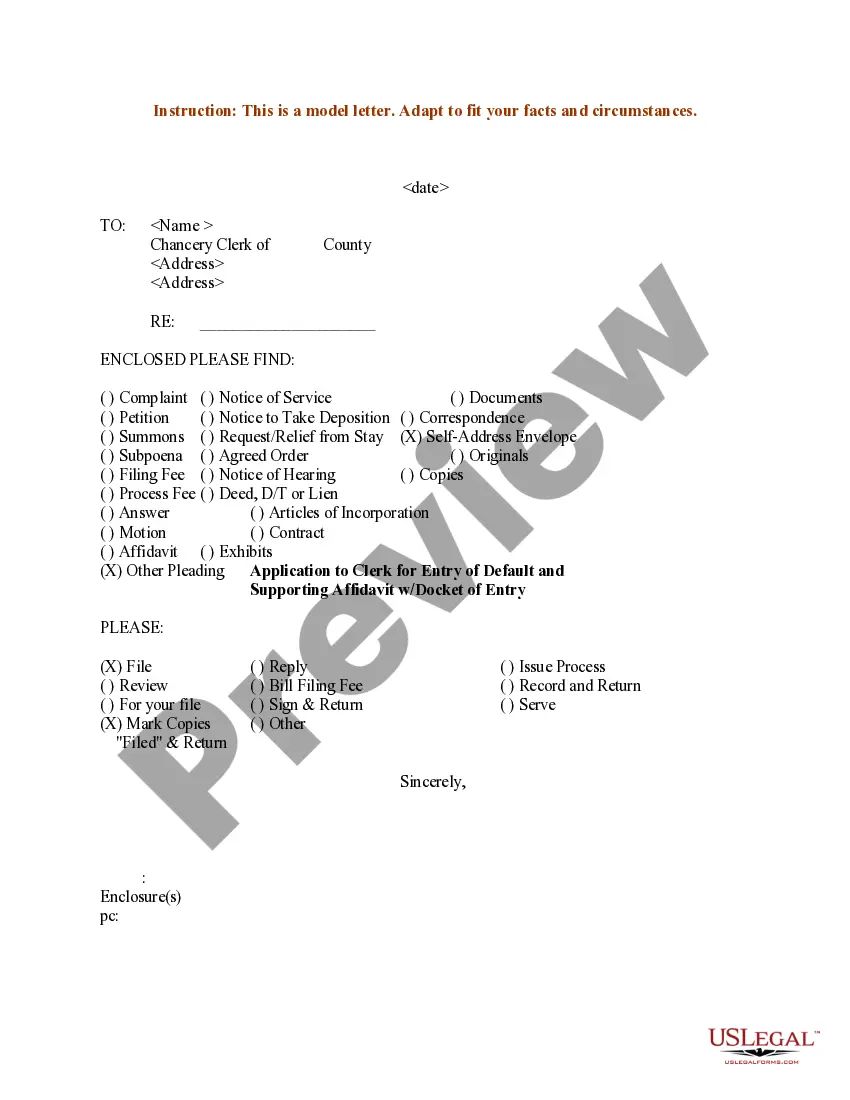
Get your form ready online
Our built-in tools help you complete, sign, share, and store your documents in one place.
Make edits, fill in missing information, and update formatting in US Legal Forms—just like you would in MS Word.
Download a copy, print it, send it by email, or mail it via USPS—whatever works best for your next step.
Sign and collect signatures with our SignNow integration. Send to multiple recipients, set reminders, and more. Go Premium to unlock E-Sign.
If this form requires notarization, complete it online through a secure video call—no need to meet a notary in person or wait for an appointment.
We protect your documents and personal data by following strict security and privacy standards.

Make edits, fill in missing information, and update formatting in US Legal Forms—just like you would in MS Word.

Download a copy, print it, send it by email, or mail it via USPS—whatever works best for your next step.

Sign and collect signatures with our SignNow integration. Send to multiple recipients, set reminders, and more. Go Premium to unlock E-Sign.

If this form requires notarization, complete it online through a secure video call—no need to meet a notary in person or wait for an appointment.

We protect your documents and personal data by following strict security and privacy standards.
Looking for another form?









Form popularity
FAQ
Answer: To ask a judge to reduce a ticket, you should attend your court hearing punctually and present a polite and concise request, explaining any mitigating circumstances or evidence. It's also beneficial to demonstrate a clean driving record and express willingness to attend a traffic school if necessary.
Letters from non-lawyers to judges are absolutely to be avoided. They are inappropriate and violate many rules regarding proper communication with judges. Some letters may be in violation of criminal law that prohibits improper efforts to influenc...
Begin your letter by addressing it to the court appropriately. Use the specific name of the judge if possible (e.g., “Dear Judge Jones”). If you cannot find the judge's name, “Honorable Judge” is an acceptable alternative. In your introduction, clearly state the purpose of your letter.
I appreciate your thoughtfulness, respect, and fairness throughout my trial. I was convicted of shoplifting, and I plan to own up to my actions and make amends for my mistakes. While I can't go back in time and reverse what I did, you can rest assured that this will never happen again.
Tips for Writing a Letter to a Judge: Be Respectful: Use formal language and address the judge appropriately. Be Concise: Keep the letter focused and to the point. Provide Relevant Information: Stick to facts and avoid emotional appeals that lack substance.
In general, the letter should do the following: Explain the citation. Explain the reasons why you believe the citation is inaccurate. Support your reasons with evidence when you have it. Make a respectful request as to what you want the court to do for you.
Traffic Ticket Defenses that Can Succeed Show That a Necessary Element of the Traffic Offense Is Missing. Challenge the Officer's Subjective Conclusion. Challenge the Officer's Observation of What Happened. Prove Your Conduct Was Based on a Legitimate "Mistake of Fact" ... Prove Your Conduct Was Necessary to Avoid Serious Harm.
Most letters have three parts: an opening statement that identifies the project/program where funds are being sought, one or two middle paragraphs that indicate the relationship of the writer to the effort seeking funding, and a closing statement. Be sure all your supporters address the same person at the same address.
Be Specific: Clearly state what you need help with. Be Polite: Use a courteous tone throughout the letter. Show Gratitude: Thank the person for their time and consideration. Keep it Brief: Avoid unnecessary details; be concise.
The letter should be addressed to the Judge, but mailed to the defendant's attorney. Who are you? ... Make it personal when describing the defendant's characteristics. Only talk about what you know. Be truthful. Never attack the victims or law enforcement. Never allow the defendant to write the letter for you.

