Sample Judge Order With A Debit Card In Hennepin
Description


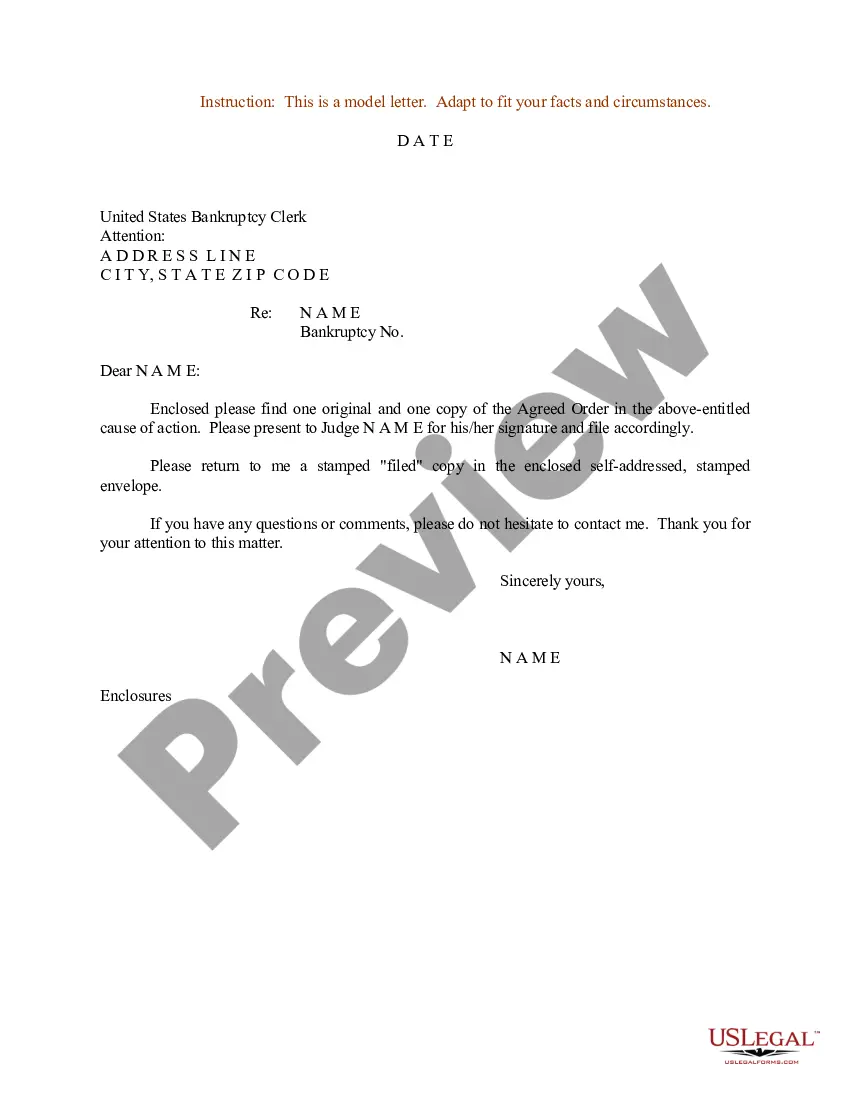
Get your form ready online
Our built-in tools help you complete, sign, share, and store your documents in one place.
Make edits, fill in missing information, and update formatting in US Legal Forms—just like you would in MS Word.
Download a copy, print it, send it by email, or mail it via USPS—whatever works best for your next step.
Sign and collect signatures with our SignNow integration. Send to multiple recipients, set reminders, and more. Go Premium to unlock E-Sign.
If this form requires notarization, complete it online through a secure video call—no need to meet a notary in person or wait for an appointment.
We protect your documents and personal data by following strict security and privacy standards.

Make edits, fill in missing information, and update formatting in US Legal Forms—just like you would in MS Word.

Download a copy, print it, send it by email, or mail it via USPS—whatever works best for your next step.

Sign and collect signatures with our SignNow integration. Send to multiple recipients, set reminders, and more. Go Premium to unlock E-Sign.

If this form requires notarization, complete it online through a secure video call—no need to meet a notary in person or wait for an appointment.

We protect your documents and personal data by following strict security and privacy standards.
Looking for another form?
Form popularity
FAQ
The Minnesota Data Practices Act is a series of laws designed to guarantee that the public has access to public records of government bodies at all levels.
Most of the records of Minnesota Family Courts are publicly available. These include case information, court transcripts, and administrative records. However, the Minnesota Rules of Public Access make certain records of Minnesota Family and Juvenile Courts confidential.
You will need to know the names of the parties or the court file number to pull up the court files online. The public can also access court documents from public access computer terminals at any Minnesota district (county) courthouse or at the Minnesota State Law Library.
You can get copies of divorce decrees, custody and child support orders, and other Hennepin Family Court documents from the 4th District Records Center.
Are Family Court Records Available to the Public in Minnesota? Most of the records of Minnesota Family Courts are publicly available.
District Courts are organized into ten judicial districts for administrative purposes. There are 290 judges at the District Court level. District courts serve all Minnesota citizens. District Courts are the backbone of the state's court system, processing roughly 1.3 million case filings every year.

