Sample Letter Judge With Proposed Order In Harris
Description


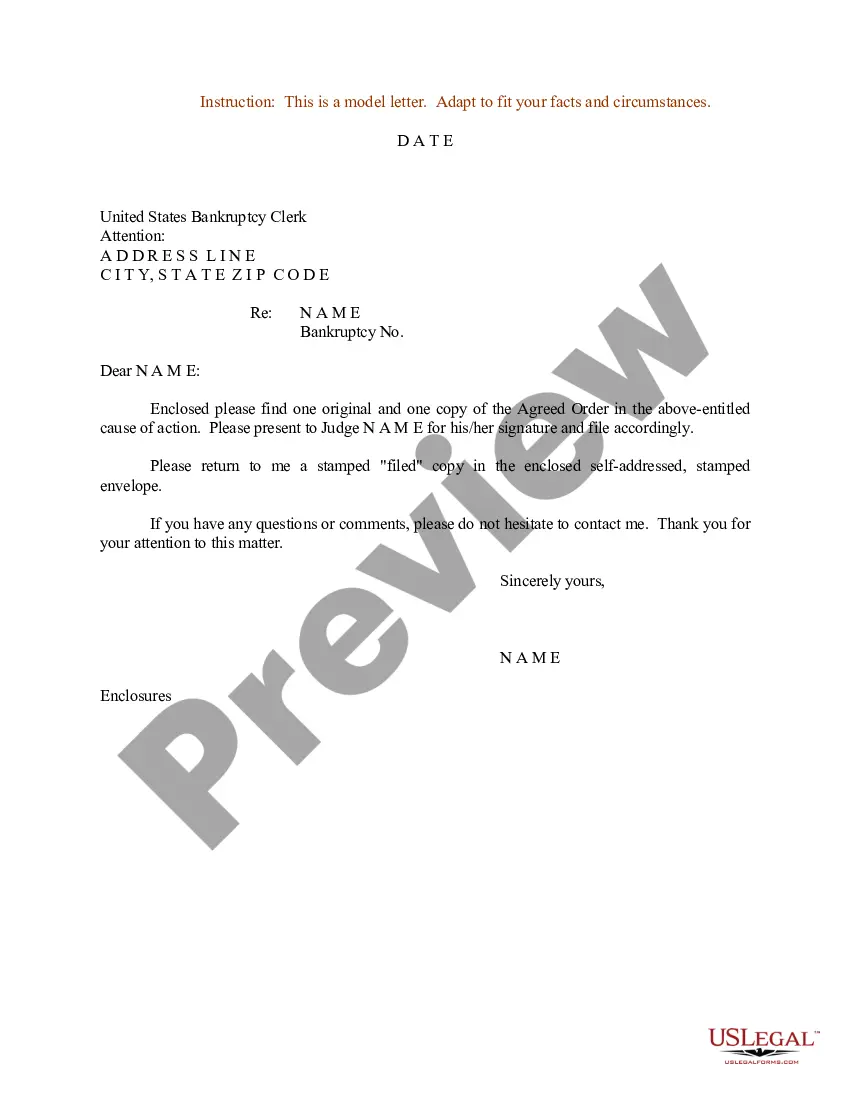
Get your form ready online
Our built-in tools help you complete, sign, share, and store your documents in one place.
Make edits, fill in missing information, and update formatting in US Legal Forms—just like you would in MS Word.
Download a copy, print it, send it by email, or mail it via USPS—whatever works best for your next step.
Sign and collect signatures with our SignNow integration. Send to multiple recipients, set reminders, and more. Go Premium to unlock E-Sign.
If this form requires notarization, complete it online through a secure video call—no need to meet a notary in person or wait for an appointment.
We protect your documents and personal data by following strict security and privacy standards.

Make edits, fill in missing information, and update formatting in US Legal Forms—just like you would in MS Word.

Download a copy, print it, send it by email, or mail it via USPS—whatever works best for your next step.

Sign and collect signatures with our SignNow integration. Send to multiple recipients, set reminders, and more. Go Premium to unlock E-Sign.

If this form requires notarization, complete it online through a secure video call—no need to meet a notary in person or wait for an appointment.

We protect your documents and personal data by following strict security and privacy standards.
Looking for another form?
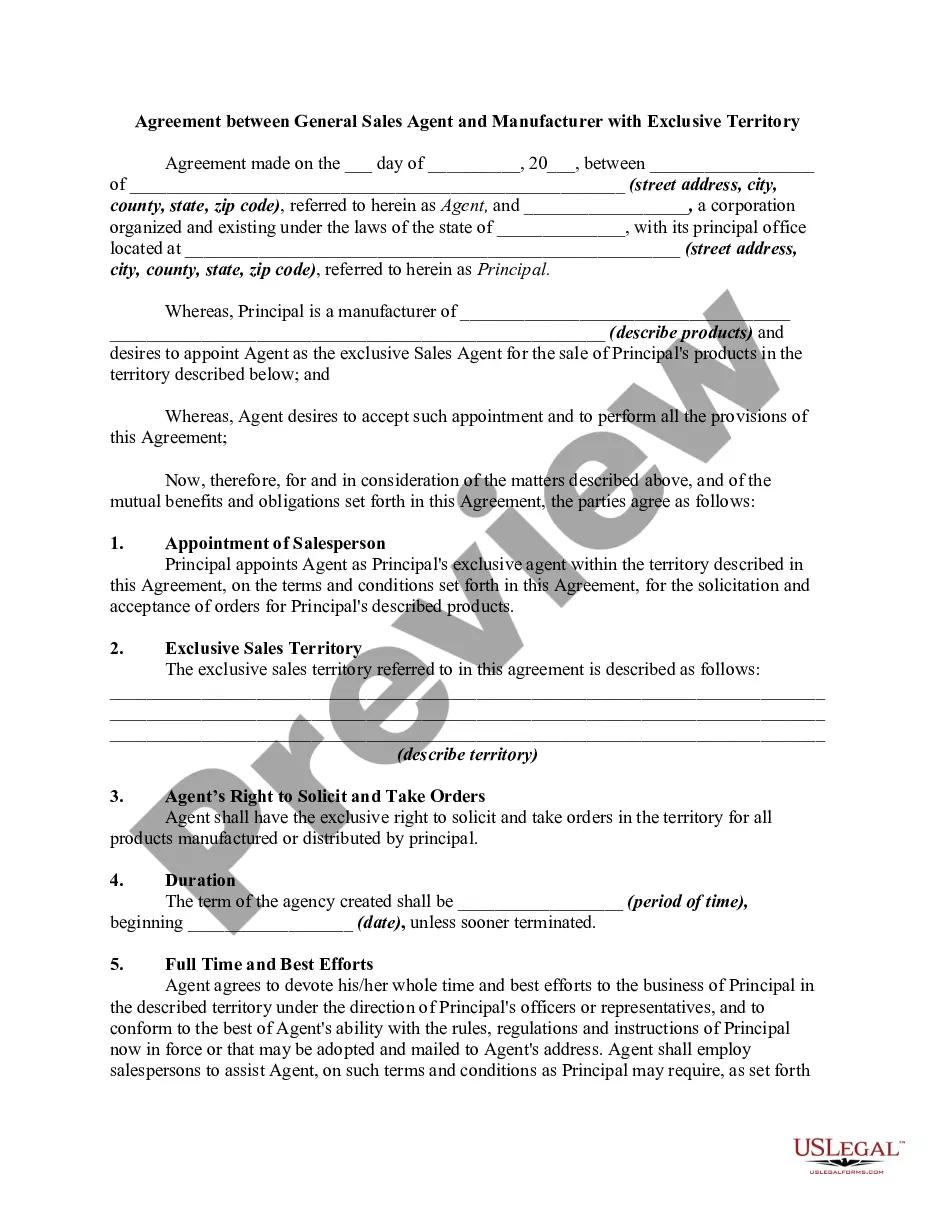
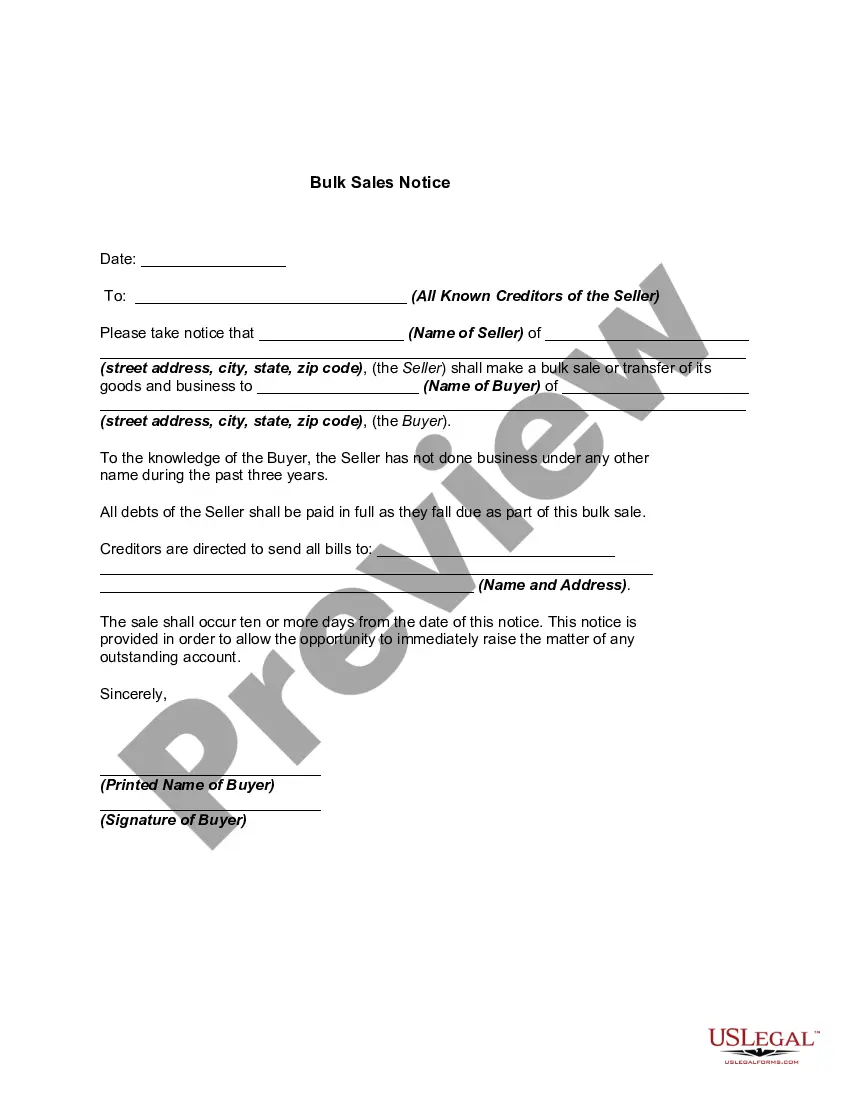
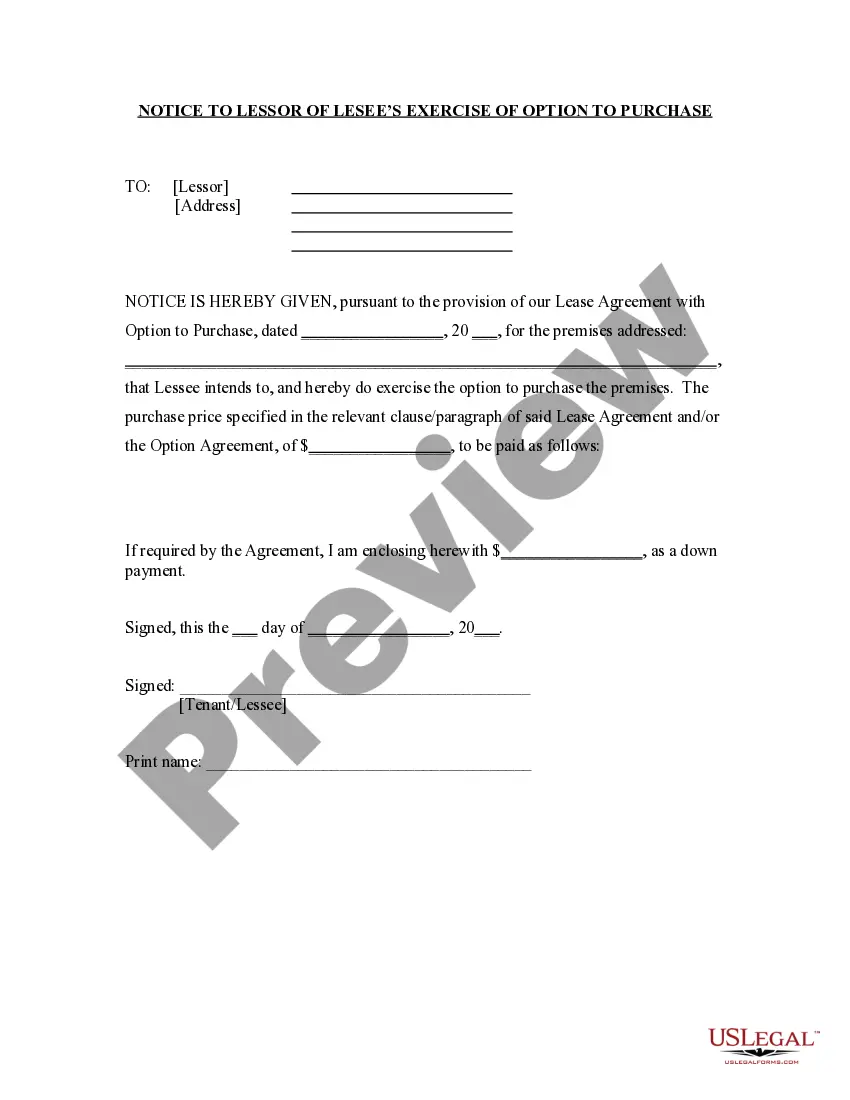



Form popularity
FAQ
Use the titles 'Your Honour', 'His Honour' or 'Her Honour' for judges of: district courts.
Judges of the Circuit or County Court should be addressed as: “His/Her Honour Judge Smith”. If they are a QC this should still be included at the end of their title, e.g. “His/ Her Honour Judge Smith QC”. For Circuit Judges the first name is only used if there is more than one Circuit Judge with the same surname.
Use formal language and avoid slang. Thank the judge for their time and consideration. Offer your willingness to provide further information if needed. Use a formal closing such as ``Sincerely'' or ``Respectfully,'' followed by your name. Dear Honorable (Judge's Last Name),
This word is also used for people who are deserving of being honored, like when judges are called "The honorable Judge So-and-so." Definitions of honorable. adjective. deserving of esteem and respect. synonyms: estimable, good, respectable.
Outside of the Supreme Court, always use “The Honorable (full name)” in your correspondence. STATE COURTS Note: States may vary on titles of judges. Check with court or various state court resources to determine proper address and salutation forms, particularly for Chief Judges/Chief Justices.
In person: In an interview, social event, or in court, address a judge as “Your Honor” or “Judge last name.” If you are more familiar with the judge, you may call her just “Judge.” In any context, avoid “Sir” or “Ma'am.” Special Titles.
Call them 'My Lord' or 'My Lady' in court. Address them in correspondence ing to their full title, as listed below, and begin the letter 'Dear ___' using the words in bold. The Right Honourable The Lord Chief Justice of England and Wales. The Right Honourable The Master of the Rolls.
Start with the envelope, writing to the judge in this format: Honorable Judge First Name Last Name
Begin your letter by addressing the judge formally, using ``Honorable (Judge's Name)''. In the opening lines, make sure to mention your case number any pertinent details to help the judge quickly identify your matter.

