Sample Letter To Judge For Expungement In Fulton
Description


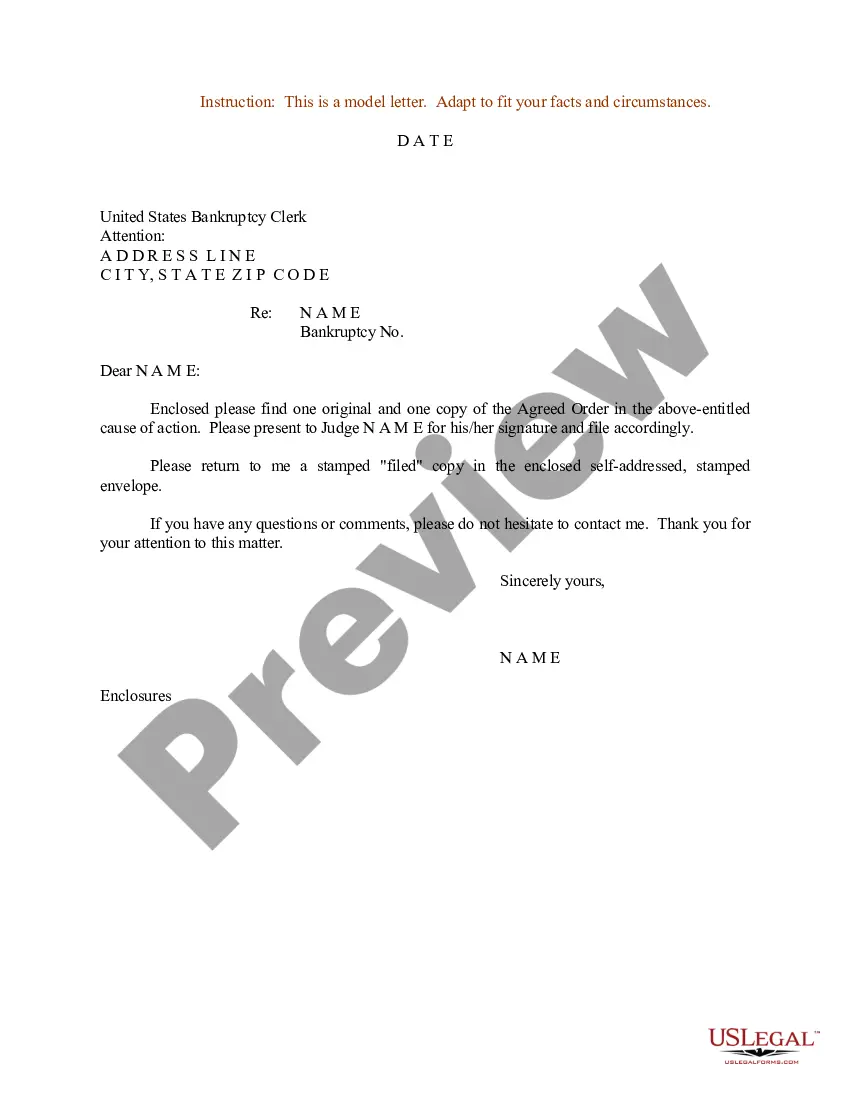
Get your form ready online
Our built-in tools help you complete, sign, share, and store your documents in one place.
Make edits, fill in missing information, and update formatting in US Legal Forms—just like you would in MS Word.
Download a copy, print it, send it by email, or mail it via USPS—whatever works best for your next step.
Sign and collect signatures with our SignNow integration. Send to multiple recipients, set reminders, and more. Go Premium to unlock E-Sign.
If this form requires notarization, complete it online through a secure video call—no need to meet a notary in person or wait for an appointment.
We protect your documents and personal data by following strict security and privacy standards.

Make edits, fill in missing information, and update formatting in US Legal Forms—just like you would in MS Word.

Download a copy, print it, send it by email, or mail it via USPS—whatever works best for your next step.

Sign and collect signatures with our SignNow integration. Send to multiple recipients, set reminders, and more. Go Premium to unlock E-Sign.

If this form requires notarization, complete it online through a secure video call—no need to meet a notary in person or wait for an appointment.

We protect your documents and personal data by following strict security and privacy standards.
Looking for another form?
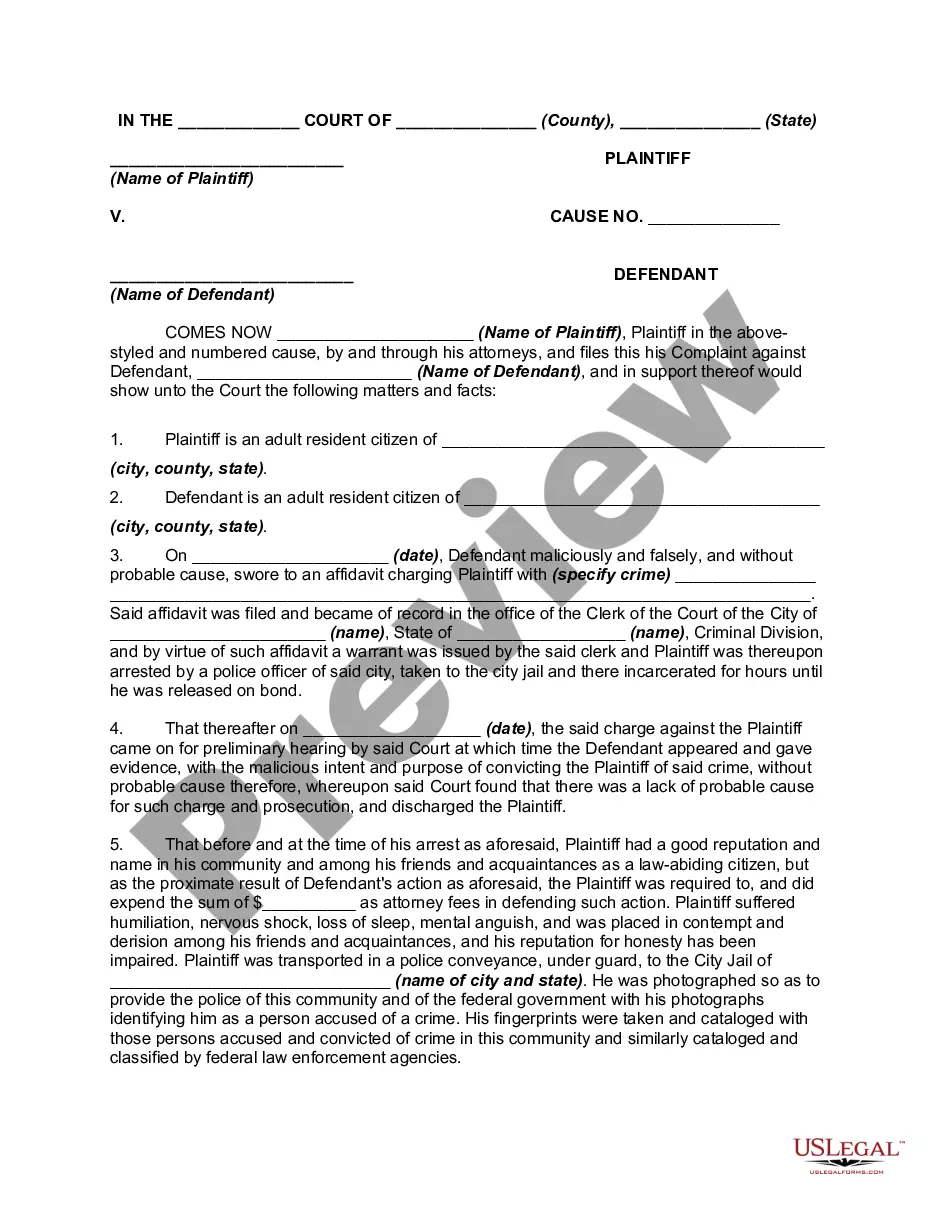
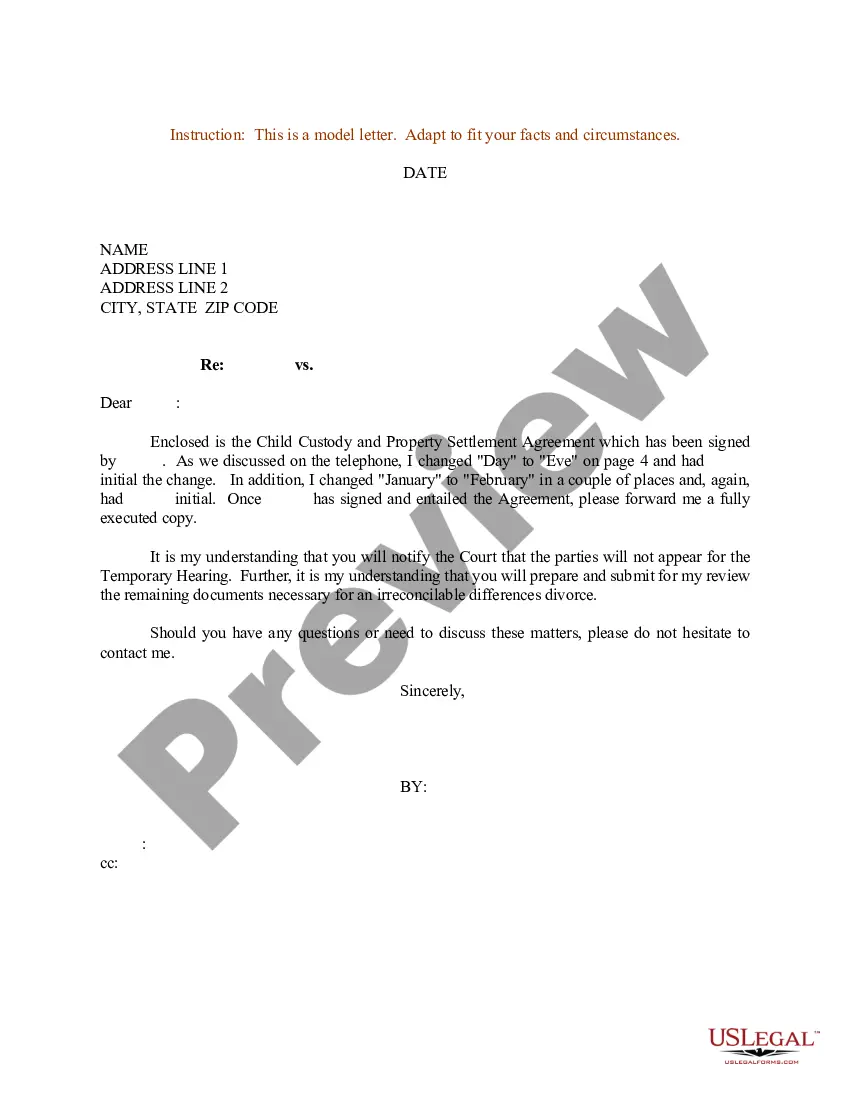
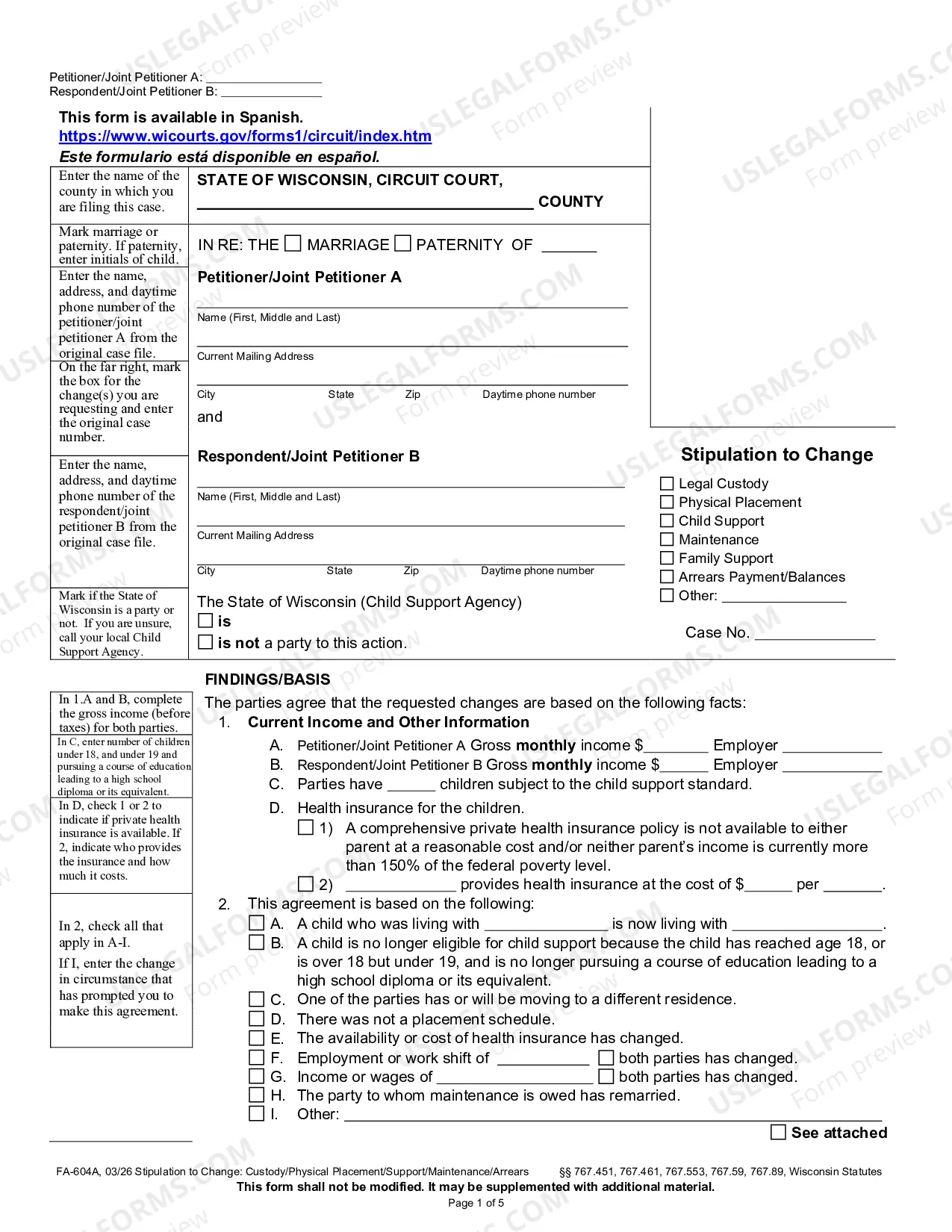
Form popularity
FAQ
While you may apply for expunction without an attorney, consider hiring one to assist you. To learn more about the expungement process in your state, contact an experienced criminal defense attorney.
Record expungement means that your criminal record is sealed or hidden from public view, but it is still visible to judicial officials. If your record gets expunged, you can apply for employment, housing, and any licenses you may seek without your criminal history showing on background checks.
Record expungement means that your criminal record is sealed or hidden from public view, but it is still visible to judicial officials. If your record gets expunged, you can apply for employment, housing, and any licenses you may seek without your criminal history showing on background checks.
Georgia's new expungement law will go into place on January 1, 2021. Thanks to this new law, many people with a criminal record will now be eligible to remove their criminal record from public view.
Your criminal record will not be permanently deleted or destroyed and will still be available to judicial officials and criminal justice agencies. Arrests that qualify for restriction include, but are not limited to, cases that are closed without conviction and certain misdemeanors.
The 7 year idea comes from the Fair Credit Reporting Act, which requires NON-CONVICTIONS to be removed from a private background check after seven years. In Georgia, criminal convictions stay on your record forever, unless you get them restricted and sealed or they were discharged under the First Offender Act.
Generally, arrest and court records where the charges were dismissed are eligible for expungement. Only certain convictions can qualify for an expungement. Eligibility depends on a wide range of factors such as the severity of the crime, other criminal history, and more.
