Sample Judge Order With A Debit Card In Florida
Description


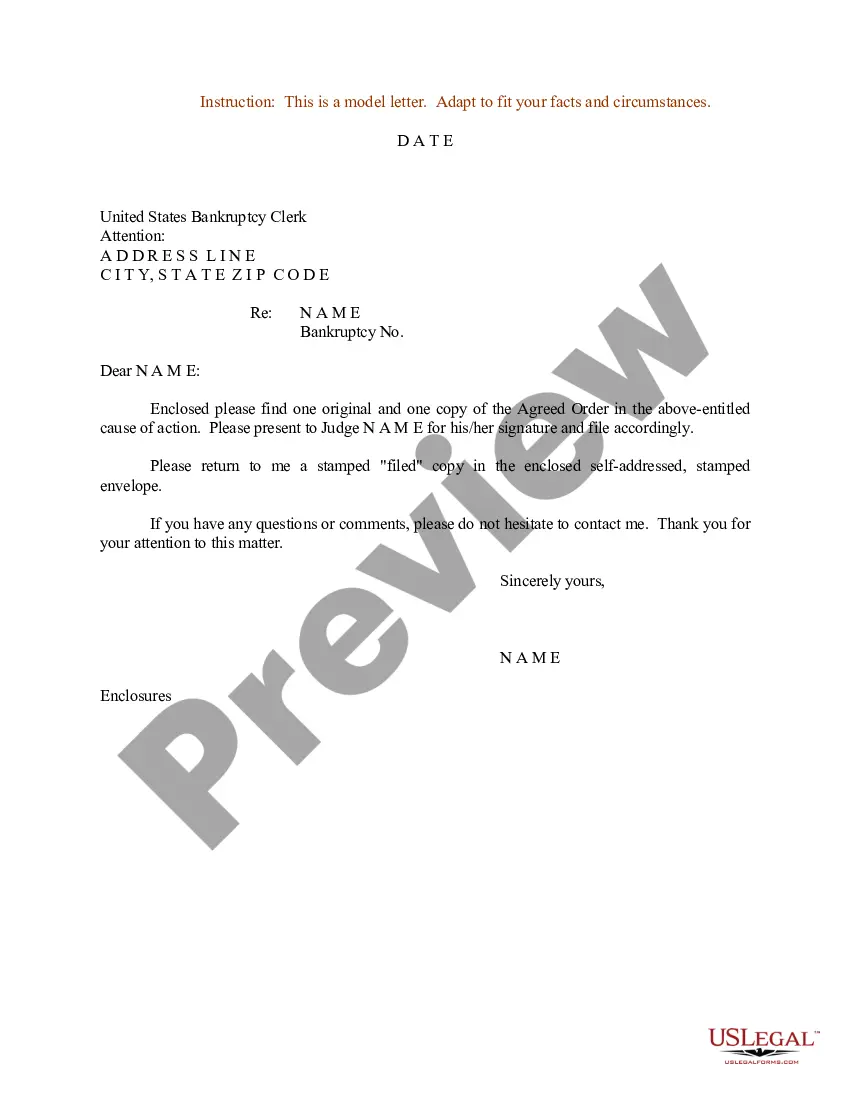
Get your form ready online
Our built-in tools help you complete, sign, share, and store your documents in one place.
Make edits, fill in missing information, and update formatting in US Legal Forms—just like you would in MS Word.
Download a copy, print it, send it by email, or mail it via USPS—whatever works best for your next step.
Sign and collect signatures with our SignNow integration. Send to multiple recipients, set reminders, and more. Go Premium to unlock E-Sign.
If this form requires notarization, complete it online through a secure video call—no need to meet a notary in person or wait for an appointment.
We protect your documents and personal data by following strict security and privacy standards.

Make edits, fill in missing information, and update formatting in US Legal Forms—just like you would in MS Word.

Download a copy, print it, send it by email, or mail it via USPS—whatever works best for your next step.

Sign and collect signatures with our SignNow integration. Send to multiple recipients, set reminders, and more. Go Premium to unlock E-Sign.

If this form requires notarization, complete it online through a secure video call—no need to meet a notary in person or wait for an appointment.

We protect your documents and personal data by following strict security and privacy standards.
Looking for another form?








Form popularity
FAQ
Anonymous Public/Case Search users may view all court records except those that are expunged or sealed, automatically confidential under rule 2.420(d)(1), Fla, R. Gen.
You have the right to request public records without having to show identification, without saying why you want the records, and without making your request in writing. You have the right to request an estimate for the time and costs involved in producing your public records request.
By Florida law, the Clerk of Courts in each county is the official custodian of court records. Click here to access the Clerk's Online Services, including official records, civil/family/probate cases, criminal cases and traffic cases, or you may call the Clerk's 24-hour voice response system at (305) 275-1155.
A judge shall respect and comply with the law and shall act at all times in a manner that promotes public confidence in the integrity and impartiality of the judiciary. B. A judge shall not allow family, social, political or other relationships to influence the judge's judicial conduct or judgment.
(2) 10 years - Judicial proceedings in felony cases when a transcript has not been prepared. (3) 5 years - All other judicial proceedings, arbitration hearings, and discovery proceedings when a transcript has not been prepared.
By Florida law, the Clerk of Courts in each county is the official custodian of court records. Click here to access the Clerk's Online Services, including official records, civil/family/probate cases, criminal cases and traffic cases, or you may call the Clerk's 24-hour voice response system at (305) 275-1155.
The Florida Judicial Qualifications Commission investigates allegations of misconduct by judges of the County, Circuit, District Courts of Appeal, as well as Justices of the Supreme Court of Florida. The Judicial Qualifications Commission may be reached at (850) 488-1581 or .
File a Formal Complaint: You can file a formal complaint against the judge with the state's judicial conduct board or commission. This body investigates allegations of judicial misconduct and can take actions ranging from reprimanding the judge to recommending their removal. 2.
Any court filings made in a Florida court that contain confidential information such as Social Security or bank account numbers, adoption records, HIV test results or information identifying victims of sexual offenses, must be accompanied by a Notice of Confidential Information (PDF).
Under the Judicial Conduct and Disability Act and the Rules for Judicial-Conduct and Judicial-Disability Proceedings, anyone can file a complaint alleging a federal judge has committed misconduct or has a disability. The Judicial Conduct and Disability Act of 1980 , 28 U.S.C.

