Example Letter To Judge For Pistol Permit In Collin
Description


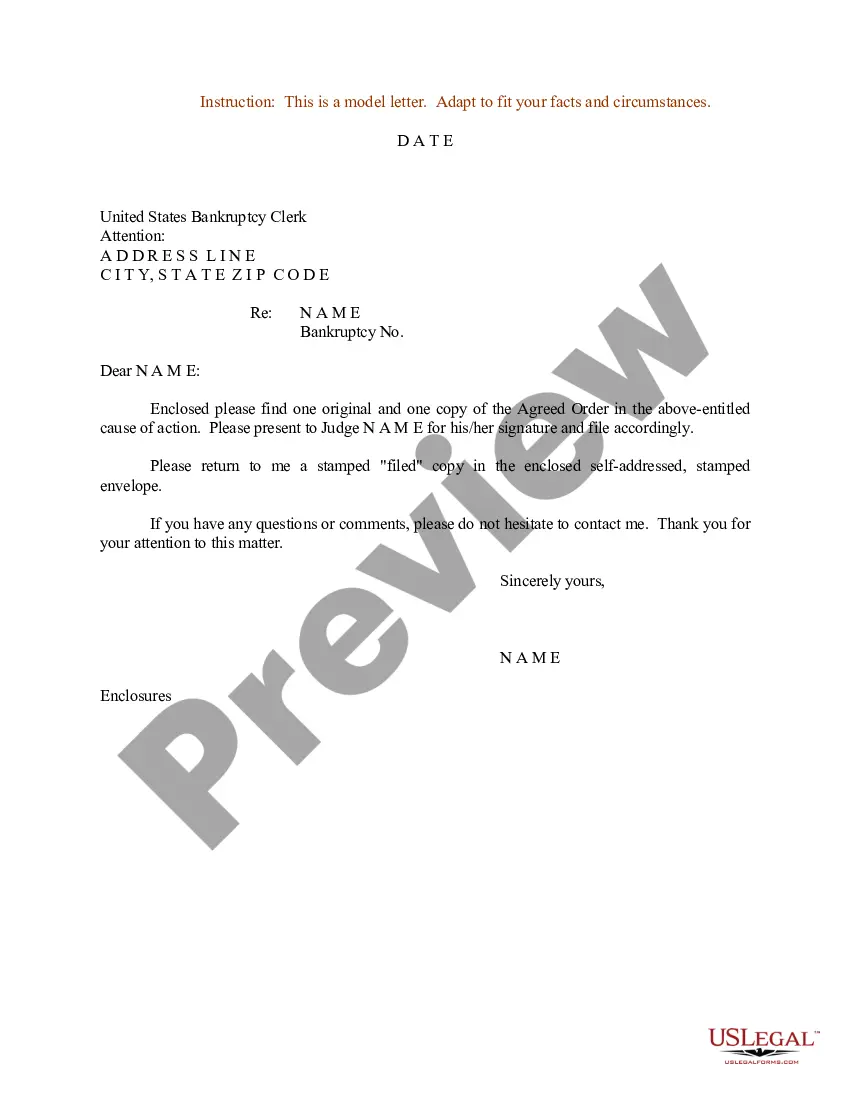
Get your form ready online
Our built-in tools help you complete, sign, share, and store your documents in one place.
Make edits, fill in missing information, and update formatting in US Legal Forms—just like you would in MS Word.
Download a copy, print it, send it by email, or mail it via USPS—whatever works best for your next step.
Sign and collect signatures with our SignNow integration. Send to multiple recipients, set reminders, and more. Go Premium to unlock E-Sign.
If this form requires notarization, complete it online through a secure video call—no need to meet a notary in person or wait for an appointment.
We protect your documents and personal data by following strict security and privacy standards.

Make edits, fill in missing information, and update formatting in US Legal Forms—just like you would in MS Word.

Download a copy, print it, send it by email, or mail it via USPS—whatever works best for your next step.

Sign and collect signatures with our SignNow integration. Send to multiple recipients, set reminders, and more. Go Premium to unlock E-Sign.

If this form requires notarization, complete it online through a secure video call—no need to meet a notary in person or wait for an appointment.

We protect your documents and personal data by following strict security and privacy standards.
Looking for another form?




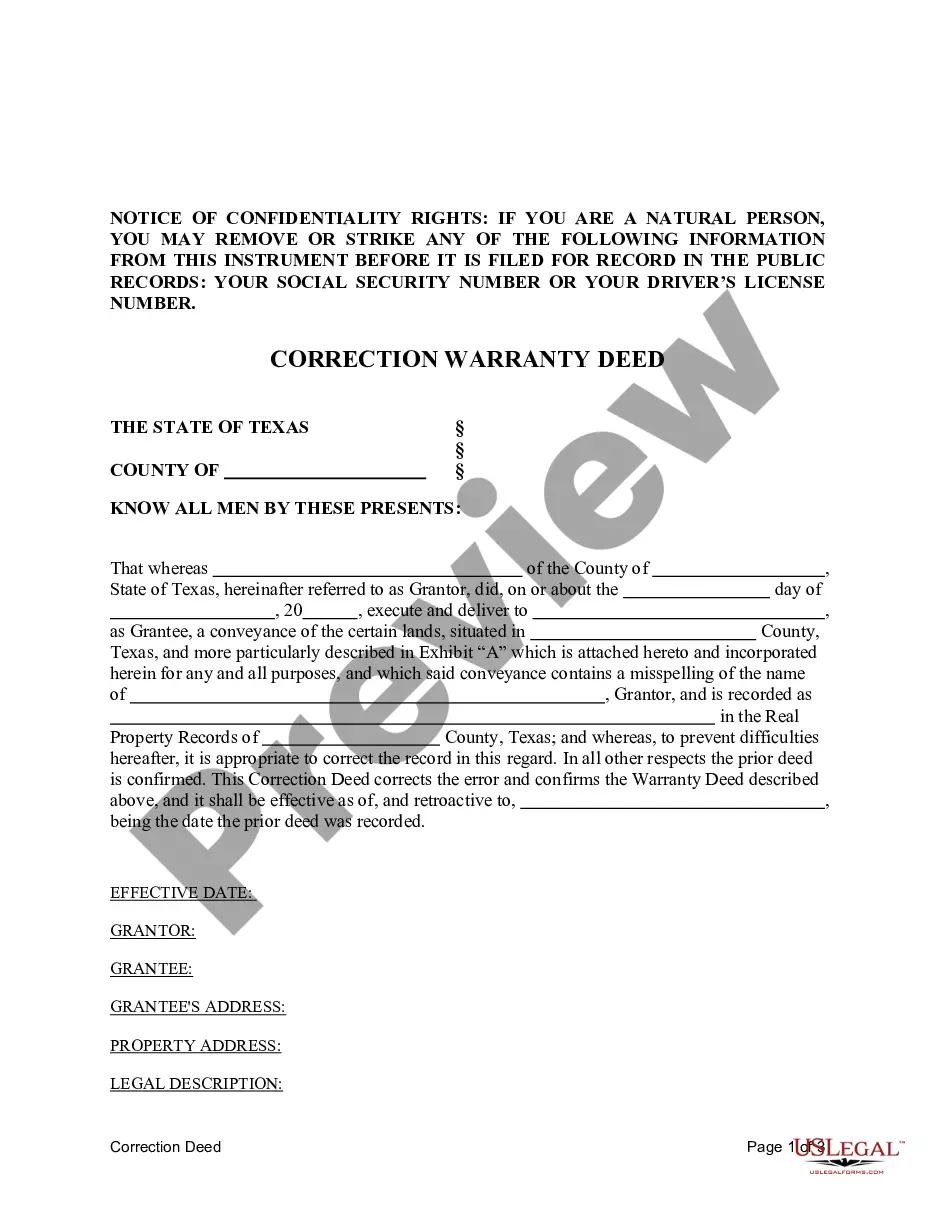
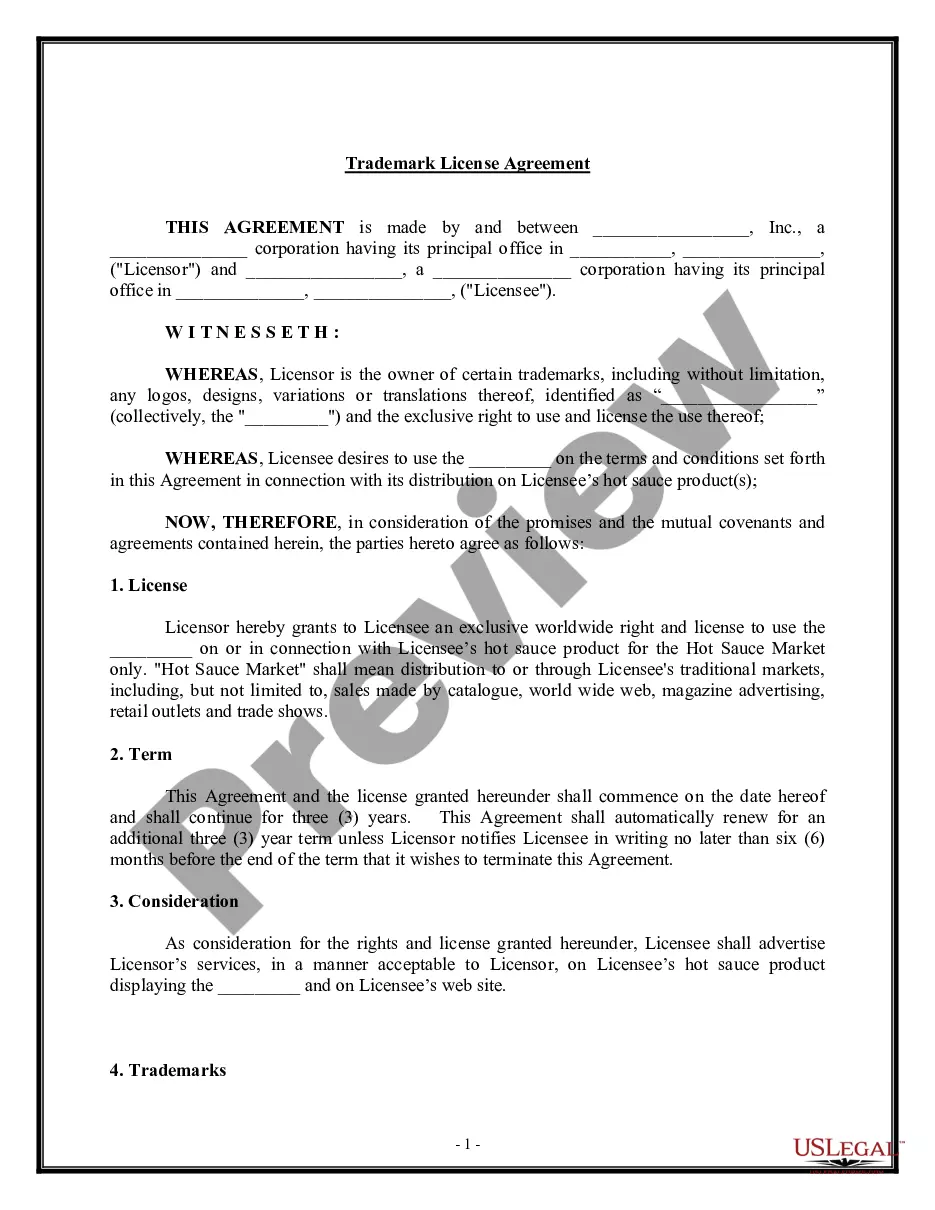
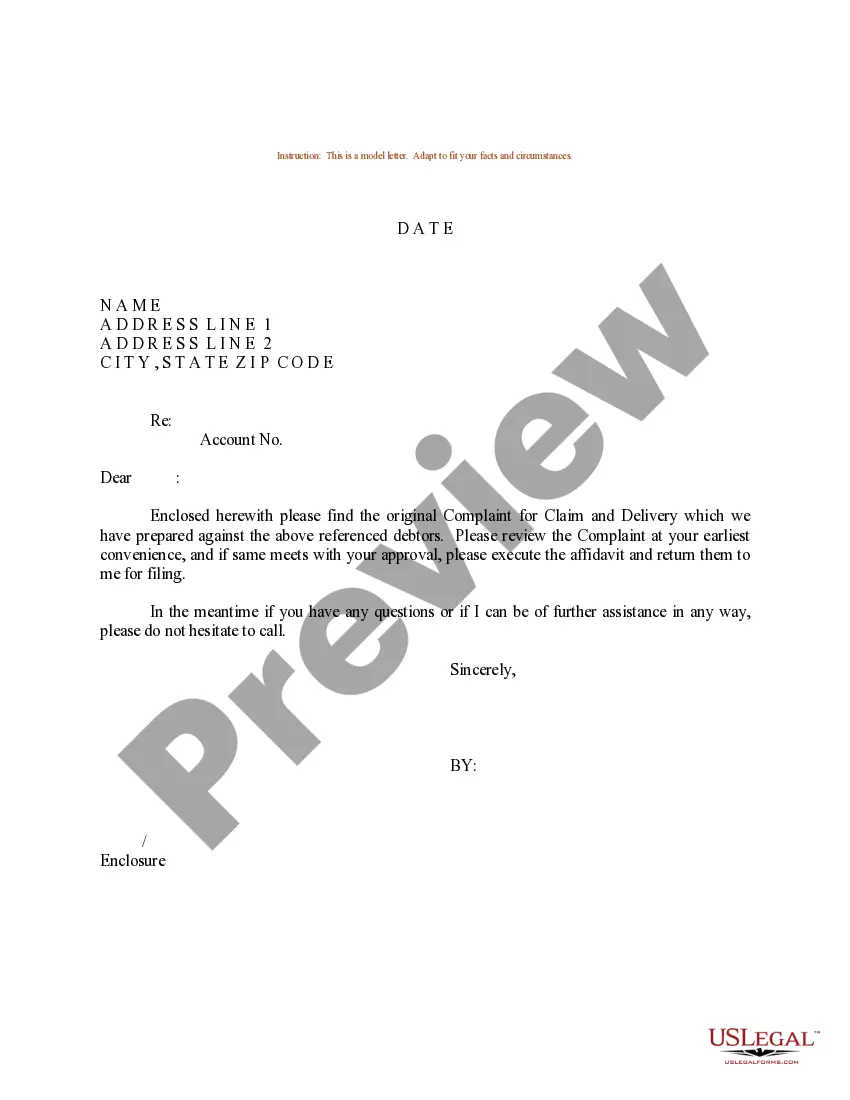

Form popularity
FAQ
New York prohibits the possession of a “loaded” handgun outside of the home or place of business without a license. While no law specifically bans open carry, a pistol license to carry is issued to carry concealed. Concealed carry is only legal with a New York Pistol License (NYPL).
To obtain a concealed carry permit in New York, including for NYC concealed carry, residents must: Be at least 21 years old. Have no felony convictions or serious offenses. Complete the required firearms safety courses.
An example of a proper cause would be someone whose life is in imminent danger — supported by a restraining order against another person — and needs self-protection. One general exception to open carry is for hunting and being on your own property.
Use formal language and avoid slang. Thank the judge for their time and consideration. Offer your willingness to provide further information if needed. Use a formal closing such as ``Sincerely'' or ``Respectfully,'' followed by your name. Dear Honorable (Judge's Last Name),
In October, a federal district court judge ruled that New York's ban on carrying a concealed firearm on private property open to the public is unconstitutional.
Tips for an Effective Character Letter for a Judge Address Your Letter to the Judge. Establish a Clear Relationship with the Defendant. Be Truthful. Be Positive. Include a Discussion of the Crime. Do Not Suggest Penalties for the Crime.
Crafting an Effective Leniency Letter to a Judge: Five Essential... Start with a Clear Introduction. Introduce Yourself and Establish Credibility. Provide Reasons for Leniency. Tell a Story or Give Specific Examples. Provide Your Contact Information. Not the Same as a Motion to Modify a Sentence.

