Sample Letter To Judge For Guardianship In Broward
Description


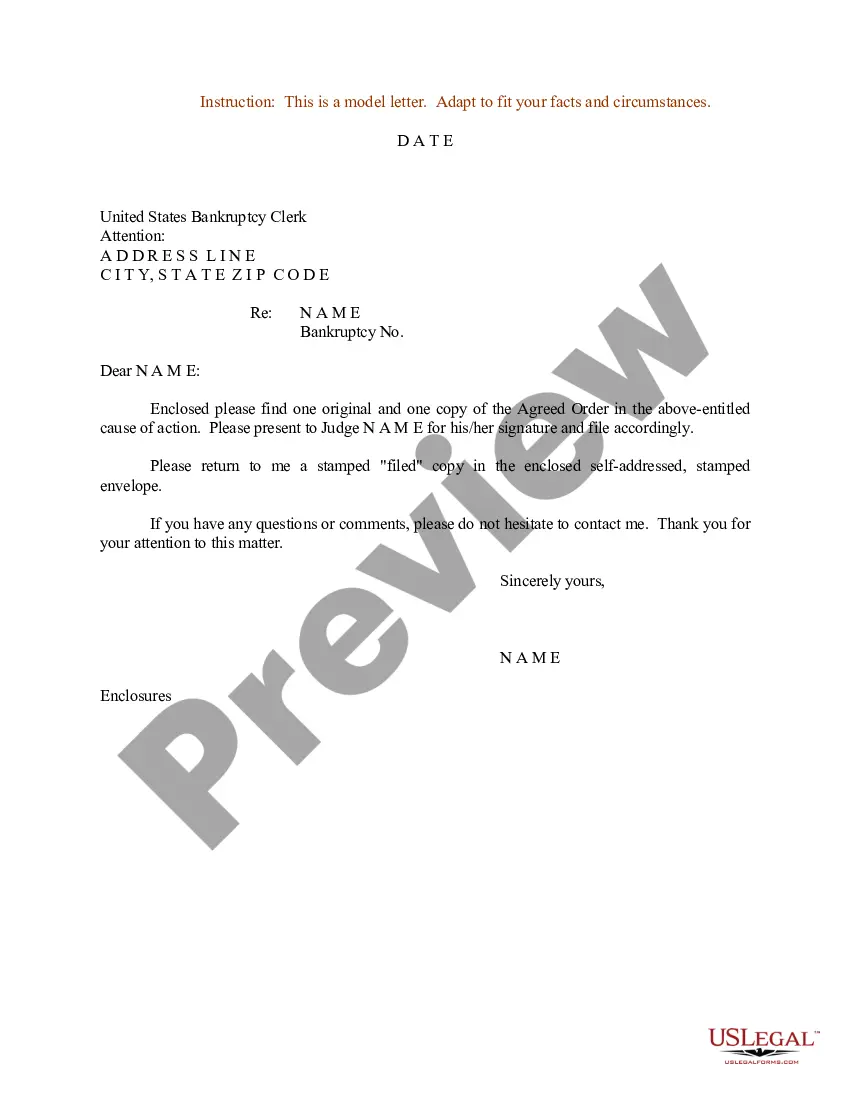
Get your form ready online
Our built-in tools help you complete, sign, share, and store your documents in one place.
Make edits, fill in missing information, and update formatting in US Legal Forms—just like you would in MS Word.
Download a copy, print it, send it by email, or mail it via USPS—whatever works best for your next step.
Sign and collect signatures with our SignNow integration. Send to multiple recipients, set reminders, and more. Go Premium to unlock E-Sign.
If this form requires notarization, complete it online through a secure video call—no need to meet a notary in person or wait for an appointment.
We protect your documents and personal data by following strict security and privacy standards.

Make edits, fill in missing information, and update formatting in US Legal Forms—just like you would in MS Word.

Download a copy, print it, send it by email, or mail it via USPS—whatever works best for your next step.

Sign and collect signatures with our SignNow integration. Send to multiple recipients, set reminders, and more. Go Premium to unlock E-Sign.

If this form requires notarization, complete it online through a secure video call—no need to meet a notary in person or wait for an appointment.

We protect your documents and personal data by following strict security and privacy standards.
Looking for another form?
Form popularity
FAQ
Florida law allows both voluntary and involuntary guardianships. A voluntary guardianship may be established for an adult who, though mentally competent, is incapable of managing his or her own estate and who voluntarily petitions for the appointment.
Yes. A guardian must be represented by an attorney who will serve as “attorney of record.” Guardians are usually required to furnish a bond (financial institutions and public guardians are not required to file a bond) and may be required to complete a court-approved training program.
Any adult resident of Florida, related or unrelated to the potential ward, can serve as a guardian. Certain relatives of the ward who do not live in Florida also may serve as guardian. However, people who have been convicted of a felony or who are incapable of carrying out the duties of a guardian cannot be appointed.
Guardianship involves a court-appointed person (or entity) who must make vital legal, financial, and medical decisions for another person. ingly, the State of Florida requires the assistance of a guardianship attorney .
The guardianship process is as follows: A petition is filed. Any competent adult may file with the court a petition to determine another person's incapacity. A hearing is held. The court will hold a hearing to review the reports of the examining committee. If necessary, a guardian will be appointed.
Introduction: - Introduce yourself (your name and age). - Briefly state the purpose of your letter (to request a change in custody). Body: - Explain Your Situation: Describe your current living situation and why you feel a change is necessary. Be honest about your feelings and experiences. Reasons for Change:
There are legal forms to do this. You may do this on a temporary basis with a legal document called Guardianship or permanently. I would see a lawyer to help you with this and if you cannot afford one, go to legal aid in your county. You do not have to go to court.
Introduction: - Introduce yourself (your name and age). - Briefly state the purpose of your letter (to request a change in custody). Body: - Explain Your Situation: Describe your current living situation and why you feel a change is necessary. Be honest about your feelings and experiences. Reasons for Change:
A notarized letter of guardianship is crucial for confirming a guardian's authority over a minor. It includes several components to ensure legal adherence and clarity.

