Sample Letter To Judge For Leniency In Sentencing In Bronx
Description


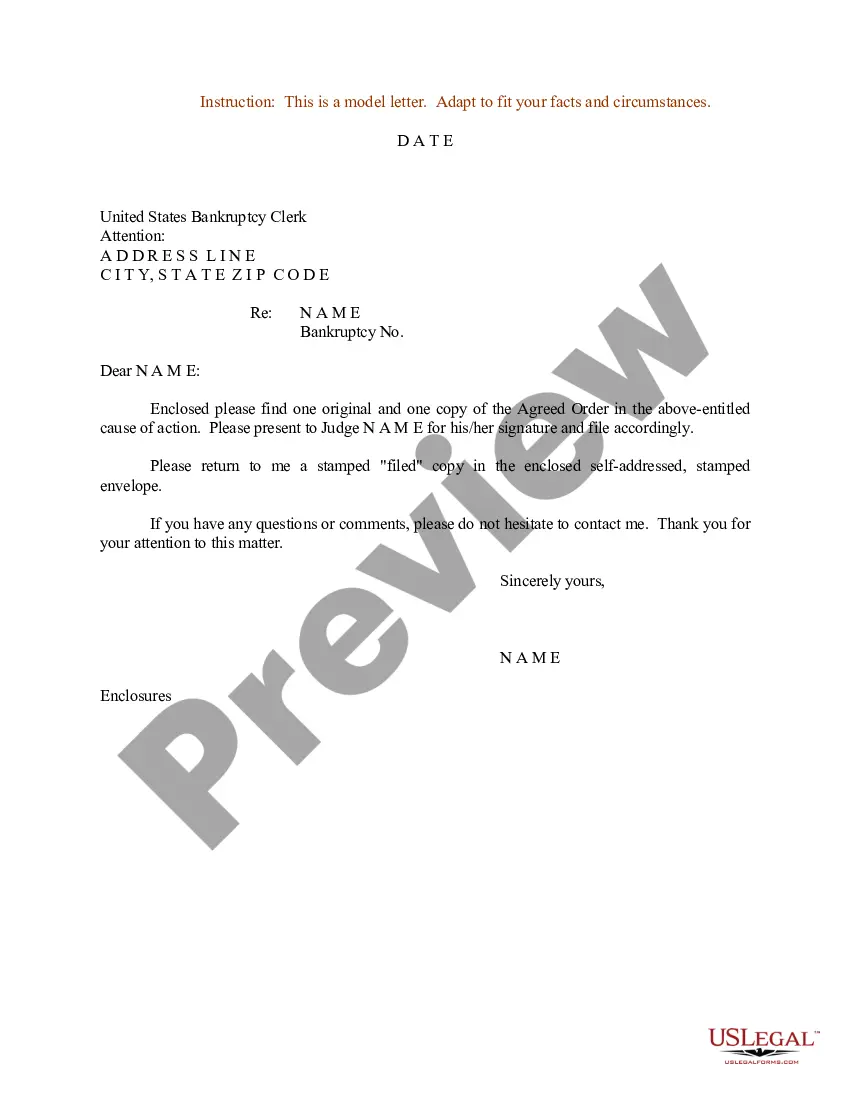
Get your form ready online
Our built-in tools help you complete, sign, share, and store your documents in one place.
Make edits, fill in missing information, and update formatting in US Legal Forms—just like you would in MS Word.
Download a copy, print it, send it by email, or mail it via USPS—whatever works best for your next step.
Sign and collect signatures with our SignNow integration. Send to multiple recipients, set reminders, and more. Go Premium to unlock E-Sign.
If this form requires notarization, complete it online through a secure video call—no need to meet a notary in person or wait for an appointment.
We protect your documents and personal data by following strict security and privacy standards.

Make edits, fill in missing information, and update formatting in US Legal Forms—just like you would in MS Word.

Download a copy, print it, send it by email, or mail it via USPS—whatever works best for your next step.

Sign and collect signatures with our SignNow integration. Send to multiple recipients, set reminders, and more. Go Premium to unlock E-Sign.

If this form requires notarization, complete it online through a secure video call—no need to meet a notary in person or wait for an appointment.

We protect your documents and personal data by following strict security and privacy standards.
Looking for another form?








Form popularity
FAQ
Sentences in federal criminal cases – whether they are a result of a plea or a verdict – are set by the judge. Character letters, which are also known as “sentencing letters,” are written by the defendant's friends and family members in an effort to convince the judge to assess a lower sentence.
I appreciate your thoughtfulness, respect, and fairness throughout my trial. I was convicted of shoplifting, and I plan to own up to my actions and make amends for my mistakes. While I can't go back in time and reverse what I did, you can rest assured that this will never happen again.
Sentences in federal criminal cases – whether they are a result of a plea or a verdict – are set by the judge. Character letters, which are also known as “sentencing letters,” are written by the defendant's friends and family members in an effort to convince the judge to assess a lower sentence.
Avoid making excuses. Instead, let the Judge know you are remorseful, and that you will do whatever it takes to avoid getting in trouble again. A great speech at sentencing is a brief and sincere-sounding apology to the victims and the court.
You can go to the court directly and ask the judge to forgive (“vacate” or “dismiss”) or reduce your debts. If you get your conviction dismissed, the court can forgive any remaining fines and fees you owe, including restitution fines (but the court CANNOT forgive your victim restitution).
The best way to show forgiveness to a judge is to apologize and demonstrate remorse for the mistake you made. Summarize the situation, take full responsibility, and offer an explanation, if appropriate.
Court letters can serve many purposes, including requesting information, providing evidence, or asking for consideration from the court. For example, you could write a court letter on behalf of a defendant to highlight their positive qualities prior to sentencing.
Pleading for Mercy and Forgiveness of Sin Cleanse my thoughts and desires. Restore to me again the joy of your salvation, and make me willing to obey you. Jesus, have mercy on me. Jesus, have mercy on me. Jesus, have mercy on me. Jesus, I trust in You. Jesus, I trust in You. Jesus, I trust in You. Amen.

