Daycare Acceptance Letter With Conditions In Miami-Dade
Description
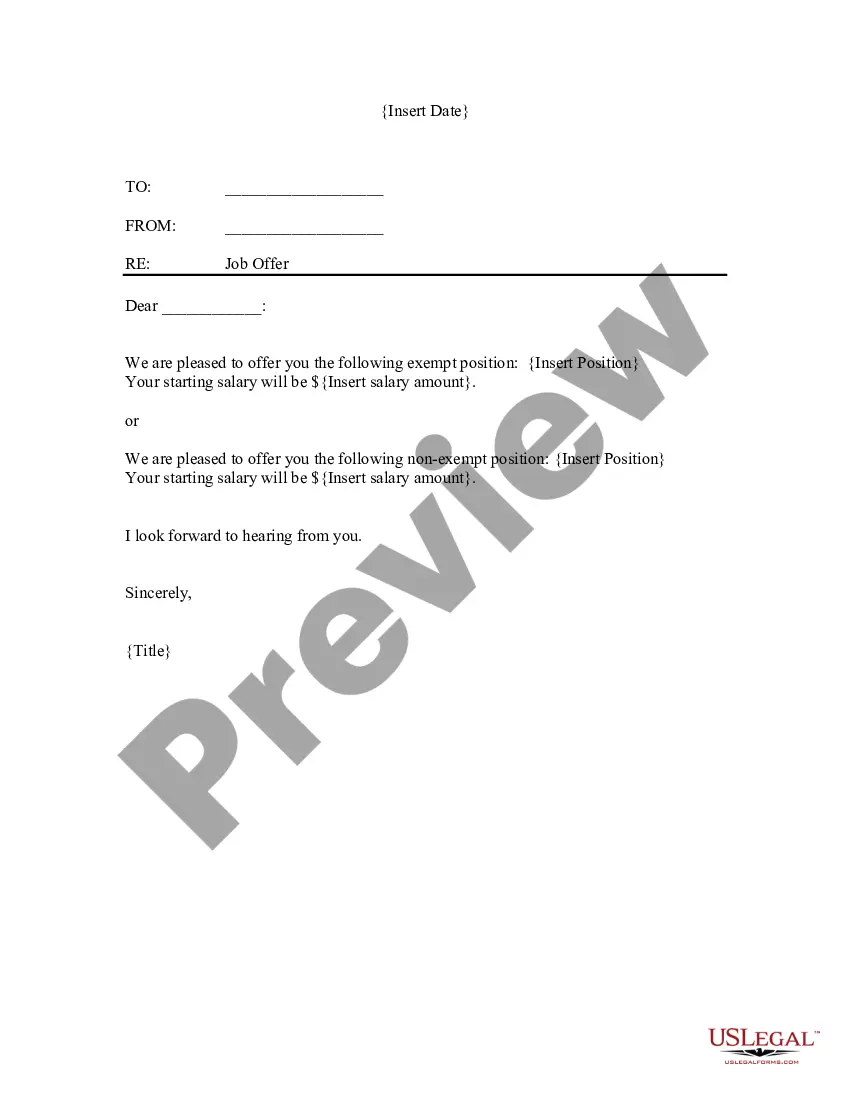
Get your form ready online
Our built-in tools help you complete, sign, share, and store your documents in one place.
Make edits, fill in missing information, and update formatting in US Legal Forms—just like you would in MS Word.
Download a copy, print it, send it by email, or mail it via USPS—whatever works best for your next step.
Sign and collect signatures with our SignNow integration. Send to multiple recipients, set reminders, and more. Go Premium to unlock E-Sign.
If this form requires notarization, complete it online through a secure video call—no need to meet a notary in person or wait for an appointment.
We protect your documents and personal data by following strict security and privacy standards.

Make edits, fill in missing information, and update formatting in US Legal Forms—just like you would in MS Word.

Download a copy, print it, send it by email, or mail it via USPS—whatever works best for your next step.

Sign and collect signatures with our SignNow integration. Send to multiple recipients, set reminders, and more. Go Premium to unlock E-Sign.

If this form requires notarization, complete it online through a secure video call—no need to meet a notary in person or wait for an appointment.

We protect your documents and personal data by following strict security and privacy standards.
Looking for another form?







Form popularity
FAQ
Associate's degree or higher WITH at least six (6) college credit hours in early childhood education/child development AND at least 480 hours experience in a child care setting serving children ages birth through eight (8). Degrees must be earned from an accredited institution.
Florida law requires anyone with information to report abuse directly to the Florida Abuse Hotline at 1-800-962-2873 or by using our online reporting tool.
Child care personnel must pass competency exams for the 40 hours of training to demonstrate their competency or receive an educational exemption. AND one (1) of the following: Infant and Toddler Appropriate Practices (5 hours) Preschool Appropriate Practices (5 hours)
To get a daycare job without experience, it will help to pair your high school diploma with an Early Childhood Education (ECE) certificate. Additionally, you may want to consider pursuing a professional certification like the Child Development Associate (CDA®) credential from the Council for Professional Recognition.
As of July 2019, the income limit to qualify for assistance was increased to $31,995 (150 percent of poverty) to adjust for the 2019 federal poverty level, and the exit eligibility limit was increased to $50,047 (85 percent of state median income) to adjust for the updated state median income estimate.
The Office of Child Care Regulation in the Department of Children and Families is statutorily responsible, per Florida Statutes 402.305, F.S. and Florida Administrative Code 65C-22, F.A.C., for the statewide administration of the child care licensing program in 62 of Florida's 67 counties.
Child abuse, aggravated child abuse, and child neglect (Section 827.03) are severe disqualifying offenses. Additionally, involvement in sexual performance by a child (Section 827.071) is a disqualifier.
The license for a childcare facility should typically be issued in the name of the entity or individual that owns the facility. If the owner is an individual, the license would be in that individual's name. If the facility is owned by a corporation, the license would be under the corporation's name.
The Child Care Resource and Referral (CCR&R) State Network provides information about state-funded early learning programs, such as School Readiness, Voluntary Prekindergarten, Head Start, Early Head Start, Migrant and Seasonal Head Start and Home Instruction for Parents of Preschool Youngsters.
Let's take a look at these examples: Requirements are what need to be done in order to achieve the need or goal. Another way to understand the difference: Needs are high-level requirements that are segregated into lower-level and more detailed requirements.