Childcare Baby Carrier
Description

Get your form ready online
Our built-in tools help you complete, sign, share, and store your documents in one place.
Make edits, fill in missing information, and update formatting in US Legal Forms—just like you would in MS Word.
Download a copy, print it, send it by email, or mail it via USPS—whatever works best for your next step.
Sign and collect signatures with our SignNow integration. Send to multiple recipients, set reminders, and more. Go Premium to unlock E-Sign.
If this form requires notarization, complete it online through a secure video call—no need to meet a notary in person or wait for an appointment.
We protect your documents and personal data by following strict security and privacy standards.

Make edits, fill in missing information, and update formatting in US Legal Forms—just like you would in MS Word.

Download a copy, print it, send it by email, or mail it via USPS—whatever works best for your next step.

Sign and collect signatures with our SignNow integration. Send to multiple recipients, set reminders, and more. Go Premium to unlock E-Sign.

If this form requires notarization, complete it online through a secure video call—no need to meet a notary in person or wait for an appointment.

We protect your documents and personal data by following strict security and privacy standards.
Looking for another form?

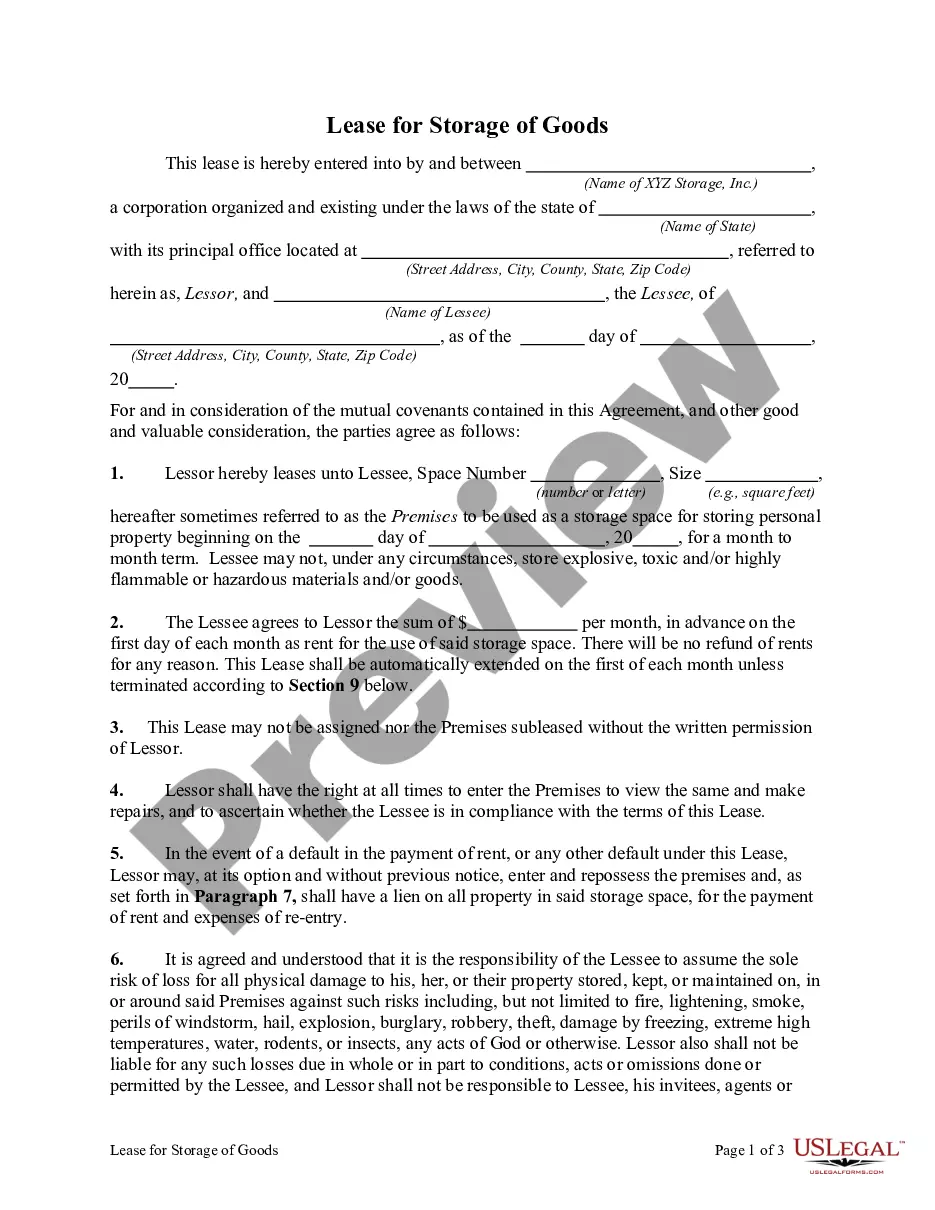




How to fill out Job Offer Letter For Childcare Workers?
- For returning users, log in to your account and ensure your subscription is active. If necessary, renew it based on your preferred payment plan.
- In Preview mode, browse through form descriptions to ensure you choose the form that matches your requirements and complies with local jurisdiction.
- If you discover inconsistencies, utilize the Search tab above to find an alternate template that better suits your needs.
- Proceed to purchase by selecting the Buy Now button. Choose your preferred subscription plan and create an account for full access to the form library.
- Complete your transaction by entering credit card details or using your PayPal account for the subscription.
- Finally, download your selected form to your device. You can also find it later in the My Forms section of your profile.
US Legal Forms stands out by providing a robust collection of over 85,000 customizable legal forms that empower both individuals and attorneys to execute documents quickly and effectively.
Don’t let legal documentation overwhelm you. Start exploring the vast resources offered by US Legal Forms today and simplify your legal needs without hassle!
Form popularity
FAQ
You can begin transitioning away from a childcare baby carrier when your baby reaches a weight limit specified by the carrier, usually around 30 pounds. Additionally, if your child shows signs of independence and prefers walking, it's a good time to shift to other forms of transport. Always listen to your child's cues and ensure they are comfortable throughout the process.
When sending your baby to daycare, first ensure they meet any required age and health guidelines. Pack essential items like a childcare baby carrier, which can make drop-offs smoother. Communicate with the daycare staff about your baby’s routine and specific needs, so they can provide a supportive environment throughout the day.
In a childcare baby carrier, your baby’s head should be positioned close enough for you to kiss. This position ensures their airway remains open and provides comfort. Remember, you can adjust the straps of the carrier to keep your little one snug while ensuring they have enough support for their head and neck.
A childcare baby carrier can be used safely as soon as your baby has good head and neck control, typically around 4 to 6 months. However, many carriers cater to newborns with special inserts. Always check the weight and age guidelines provided by the manufacturer to ensure the safest experience for you and your baby.
To properly carry your baby in a childcare baby carrier, start by ensuring that your baby’s legs are in an 'M' position. Make sure your baby's back is supported and their hips are healthy. You should keep your baby close to your chest, ensuring their head is visible and they can breathe easily. Always follow the manufacturer's guidelines for the specific carrier you use.
You can generally claim expenses related to direct child care services, such as daycare and babysitters. Additional expenses, like educational materials, might also qualify depending on state laws. However, physical items like diapers and baby carriers typically do not fall under this category. Keeping all necessary documentation helps you make the most out of your eligible claims while balancing your life with a childcare baby carrier.
In most cases, baby formula is not eligible for tax claims as a general expense. However, if there’s a medical necessity, you might have grounds to claim it. To explore this fully, consider discussing your situation with a tax professional. Remember, a childcare baby carrier can make outings with your little one simpler and more manageable while you sort out your financial decisions.
Tax-deductible child care expenses typically include payments made for care while you work. This includes daycare services, nannies, and some extracurricular programs. These expenses can be vital in supporting your employment and creating a balance in your family life. Utilizing a childcare baby carrier often makes outings easier, allowing you to manage caregiving responsibilities effectively.
You can claim certain child care expenses that directly support your work-related activities. Items like childcare services, after-school programs, and some educational materials might qualify. However, baby gear such as stroller and baby carriers are generally not tax-deductible. Understanding what qualifies can help you maximize your benefits while managing your childcare baby carrier.
Typically, you cannot write off standard baby formula on your taxes. The IRS does not classify it as a deductible expense for child care. However, if the formula is required for a medical condition, there might be exceptions. As you navigate these tax rules, consider how the childcare baby carrier can ease your parenting experience.