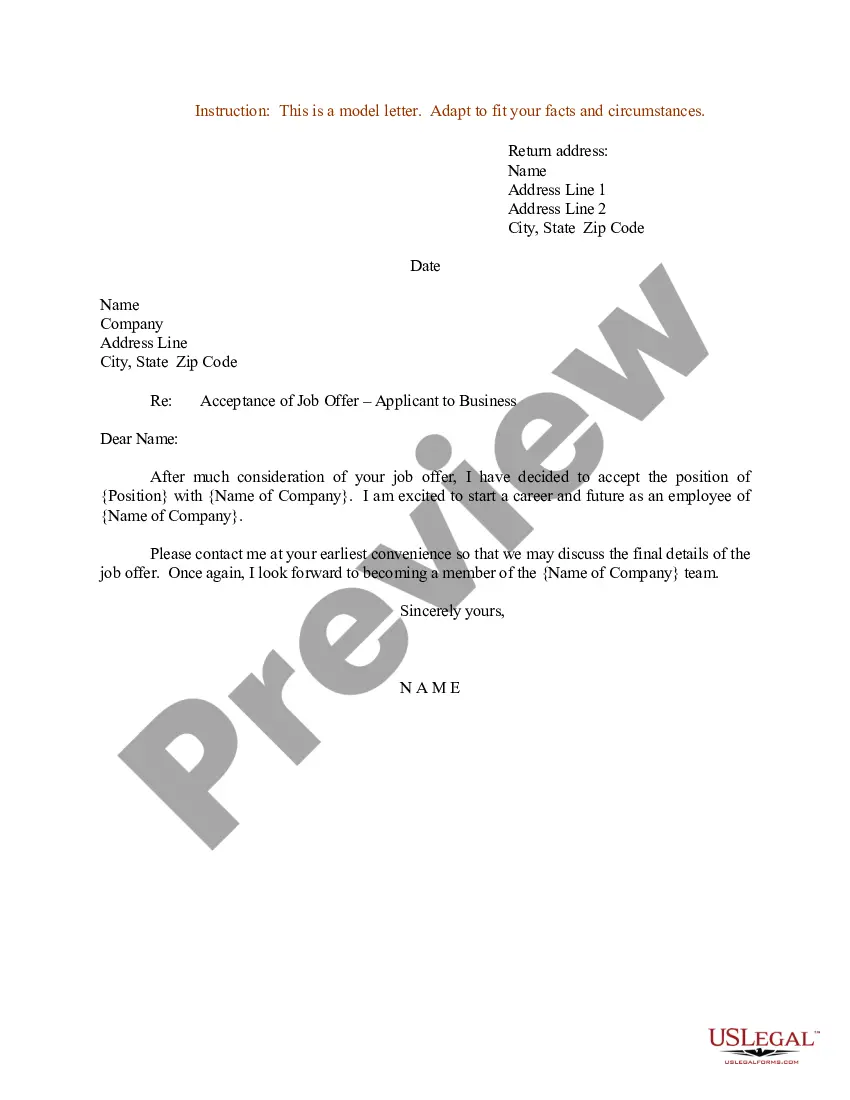
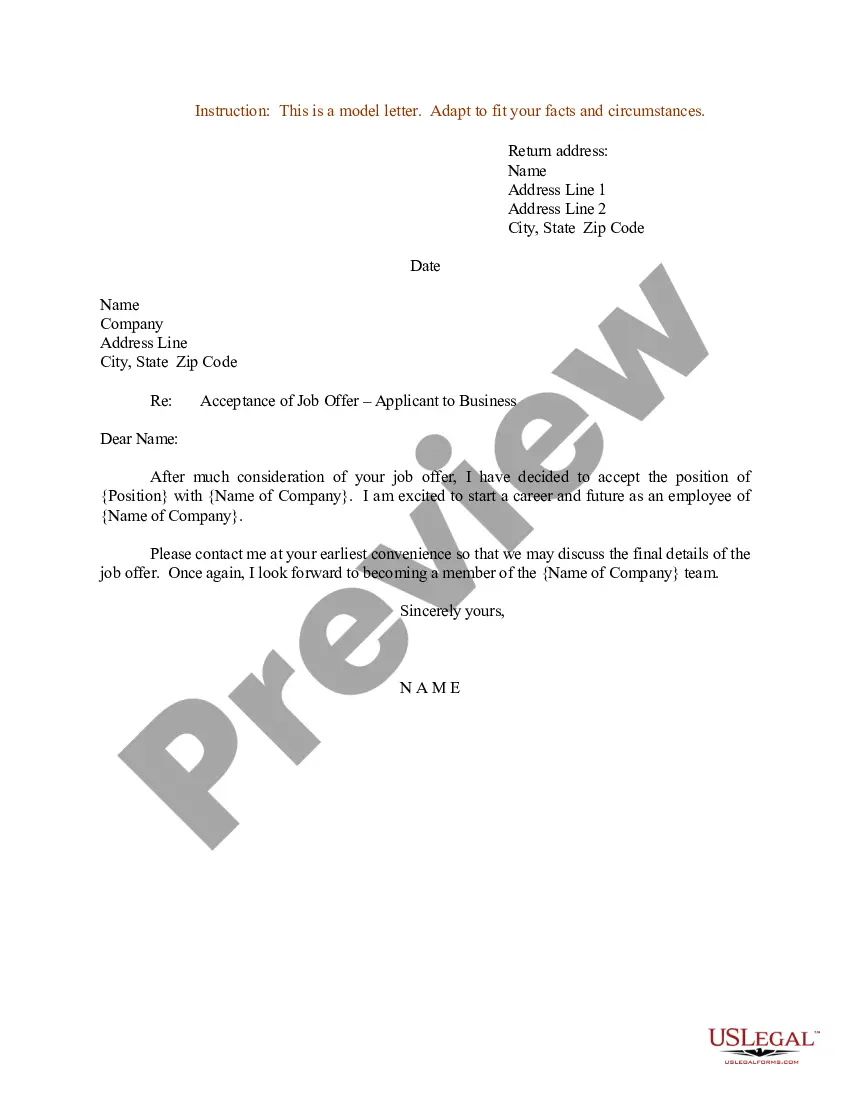
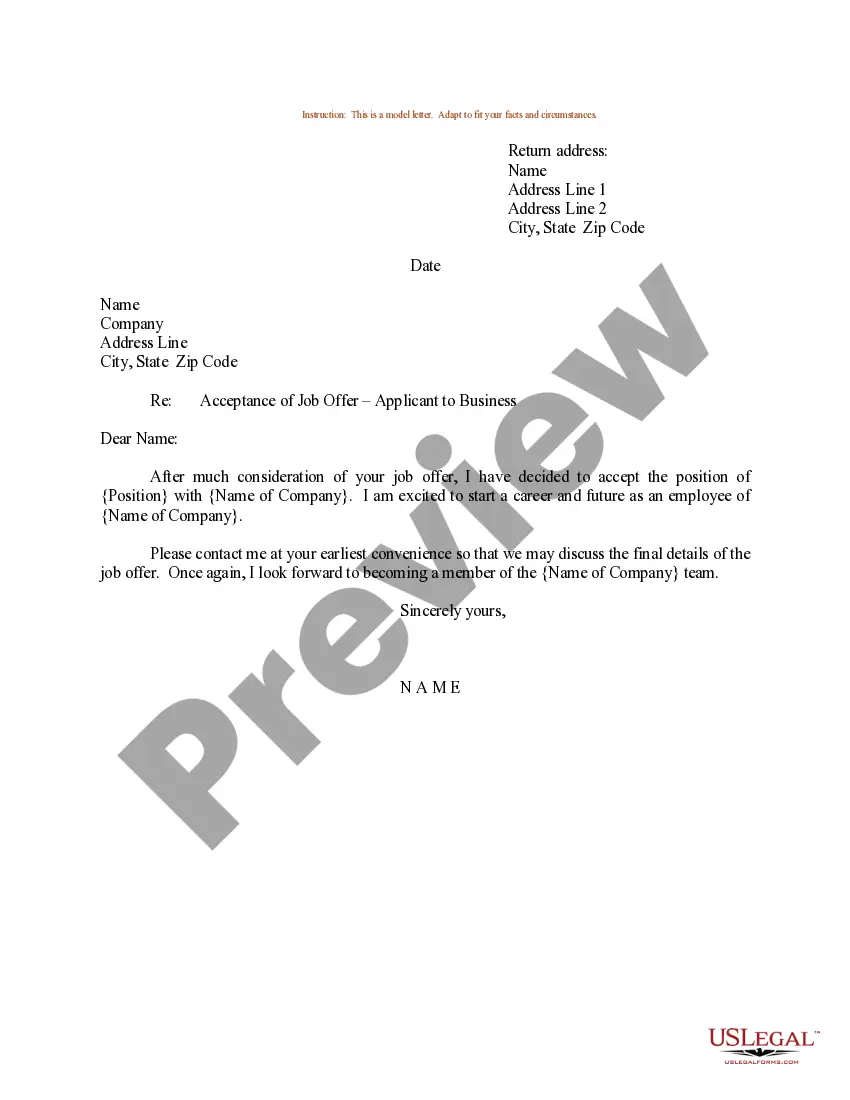
Police Acceptance Letter Without Experience In San Antonio
Description
Get your form ready online
Our built-in tools help you complete, sign, share, and store your documents in one place.
Make edits, fill in missing information, and update formatting in US Legal Forms—just like you would in MS Word.
Download a copy, print it, send it by email, or mail it via USPS—whatever works best for your next step.
Sign and collect signatures with our SignNow integration. Send to multiple recipients, set reminders, and more. Go Premium to unlock E-Sign.
If this form requires notarization, complete it online through a secure video call—no need to meet a notary in person or wait for an appointment.
We protect your documents and personal data by following strict security and privacy standards.

Make edits, fill in missing information, and update formatting in US Legal Forms—just like you would in MS Word.

Download a copy, print it, send it by email, or mail it via USPS—whatever works best for your next step.

Sign and collect signatures with our SignNow integration. Send to multiple recipients, set reminders, and more. Go Premium to unlock E-Sign.

If this form requires notarization, complete it online through a secure video call—no need to meet a notary in person or wait for an appointment.

We protect your documents and personal data by following strict security and privacy standards.
Looking for another form?








Form popularity
FAQ
Volunteer with some law enforcement agencies. With a small agency like that you may be able to contact the department and ask if they offer any volunteer opportunities or speak to a chief or other LE admin about it. It depends on what state you're in.
CADET REQUIREMENTS Minimum of 20 years, 6 months. High school diploma with a minimum of a “C” average OR a GED. Must be a U.S. citizen. Must read, write and speak English. Must meet all legal requirements necessary to become eligible for future licensing by the Texas Commission on Law Enforcement (TCLOE).
Cadet training involves 35 weeks of rigorous academic, physical and tactical training. The Academy averages 3 classes a year, with 60 cadets in each class. The SAPD Training Academy is equipped with: Driving track.
For more information, read our expert guide on how to write a cover letter. Step 1#: Start with a strong opening. Step 2#: Emphasize transferable skills. Step 3#: Share your passion and motivation. Step 4#: Focus on your willingness to learn. Step 5#: Provide an engaging closing statement.
6. Polygraph Examination. Polygraph examinations are conducted by a licensed polygraph examiner selected by the SAPD. The sole purpose of this examination is to verify the applicant's truthfulness.
No U.S. state requires that all law enforcement officers have degrees. Some, but not most, state and local agencies require degrees, at least in the lower ranks. I believe that the Border Patrol is the only civilian federal law enforcement agency that doesn't require one.
How To Write a Law Enforcement Cover Letter Contact information and salutation. Introduction. Body paragraphs. Law enforcement skills and qualifications. Closing section. Highlight community engagement. Mention the department's reputation and core values. Quantify your law enforcement experience.
Writing a Killer Cover Letter Make a good impression beginning with the opening. Make it unique to the job. Make sure to write clearly. Include relevant experience. Be careful not to just repeat what's on your resume. Offer specific examples of what you've done. Finish strong.