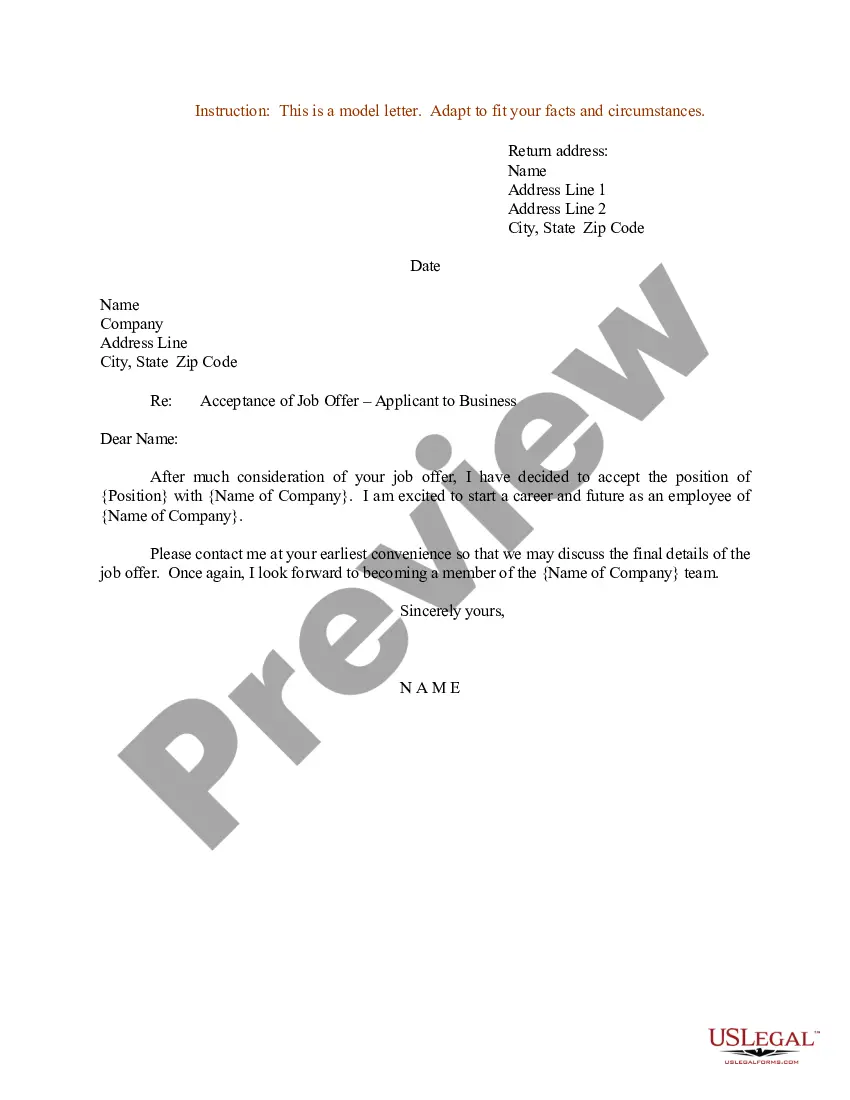
Police Acceptance Letter Withdrawal In Chicago
Description
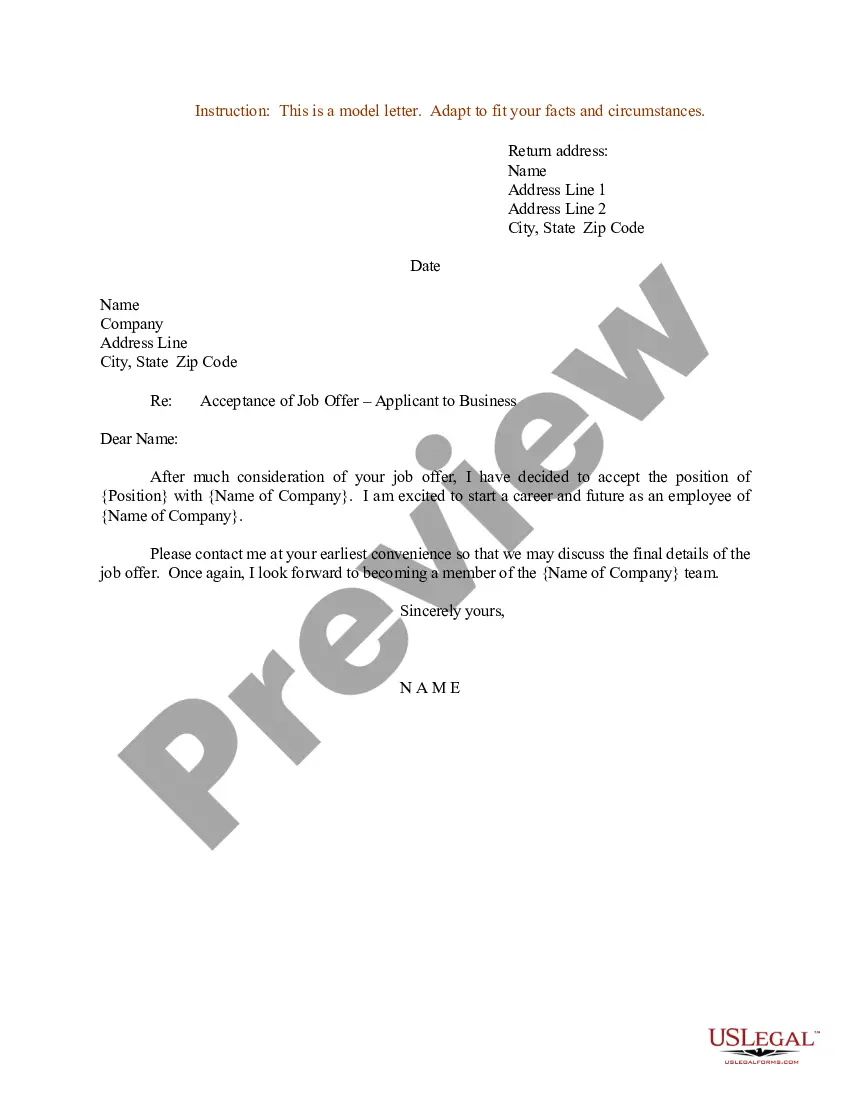
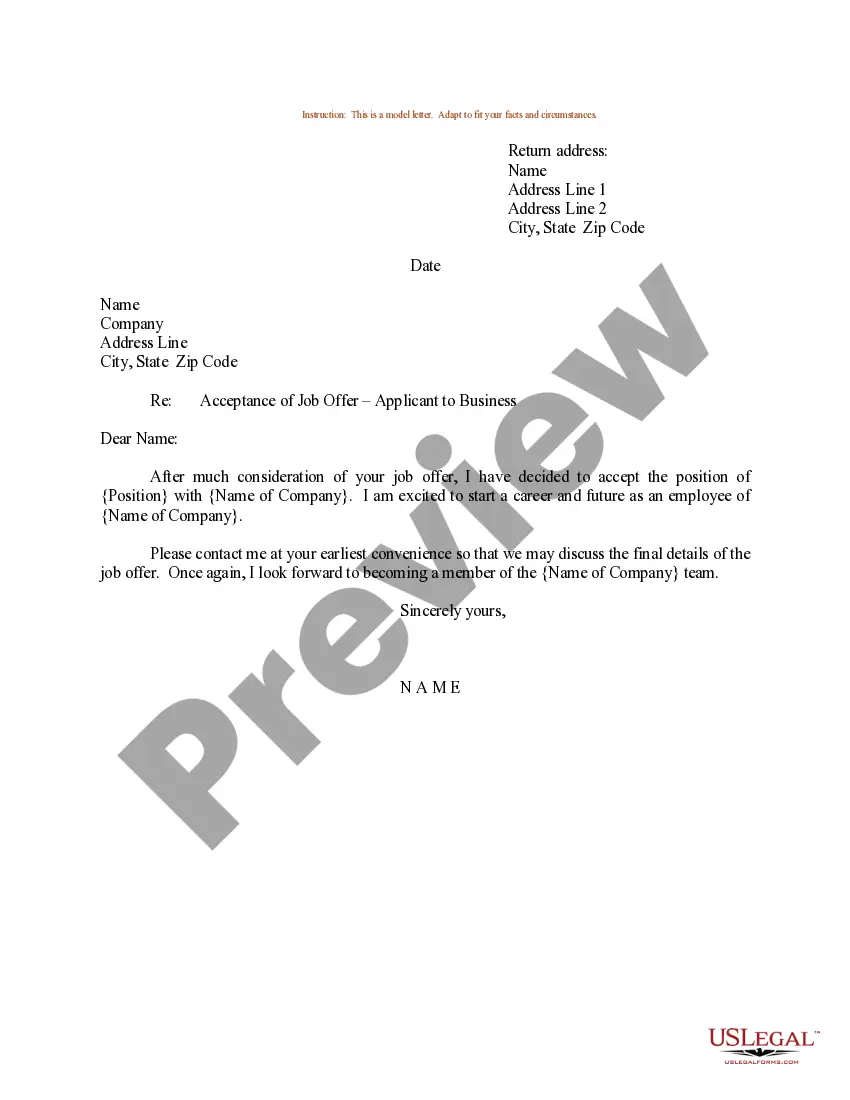
Get your form ready online
Our built-in tools help you complete, sign, share, and store your documents in one place.
Make edits, fill in missing information, and update formatting in US Legal Forms—just like you would in MS Word.
Download a copy, print it, send it by email, or mail it via USPS—whatever works best for your next step.
Sign and collect signatures with our SignNow integration. Send to multiple recipients, set reminders, and more. Go Premium to unlock E-Sign.
If this form requires notarization, complete it online through a secure video call—no need to meet a notary in person or wait for an appointment.
We protect your documents and personal data by following strict security and privacy standards.

Make edits, fill in missing information, and update formatting in US Legal Forms—just like you would in MS Word.

Download a copy, print it, send it by email, or mail it via USPS—whatever works best for your next step.

Sign and collect signatures with our SignNow integration. Send to multiple recipients, set reminders, and more. Go Premium to unlock E-Sign.

If this form requires notarization, complete it online through a secure video call—no need to meet a notary in person or wait for an appointment.

We protect your documents and personal data by following strict security and privacy standards.
Looking for another form?







Form popularity
FAQ
The complainant may withdraw the complaint, in writing, at any time.
A letter of withdrawal is what you'd provide to an employer with who you are in the hiring process, but have decided not to move forward working for because of any number of reasons.
10 tips to help you complain less often Practice gratitude for what you have. Focus on solutions instead of just problems. Use positive affirmations to affirm what's going right. Limit exposure to negativity as much as you can. Try phrasing things differently. Give yourself a time limit for complaining and stick to it.
You may ask the EEOC to withdraw your job discrimination complaint at any time.
To withdraw a complaint before the conclusion of an investigation, the complainant should provide notice to the Complaints Director. Upon receipt of the notice, the Complaints Director shall cease to deal with the matter, unless in his or her opinion, it is in the public interest to continue to deal with the complaint.
To withdraw a complaint before the conclusion of an investigation, the complainant should provide notice to the Complaints Director. Upon receipt of the notice, the Complaints Director shall cease to deal with the matter, unless in his or her opinion, it is in the public interest to continue to deal with the complaint.
I am writing to inform you that I am withdrawing my application for the program coordinator position. This week, I was offered an administrative position with a local county government agency and, after careful consideration, I have decided to accept that offer.
TAKE NOTICE that I have withdrawn the action against the defendant and do not wish to proceed with claim. TAKE NOTICE that plaintiff has withdrawn the above claim against you. You are no longer required to attend the hearing. Dated at ………………
Tips for writing a successful complaint letter Structure. Address the letter to a real person. Be honest and straightforward. Maintain a firm but respectful tone, and avoid aggressive, accusing language. Include your contact information. Tell them what you want. Do not threaten action. Keep copies and records.