Borrowing For Commercial Property In Tarrant
Description
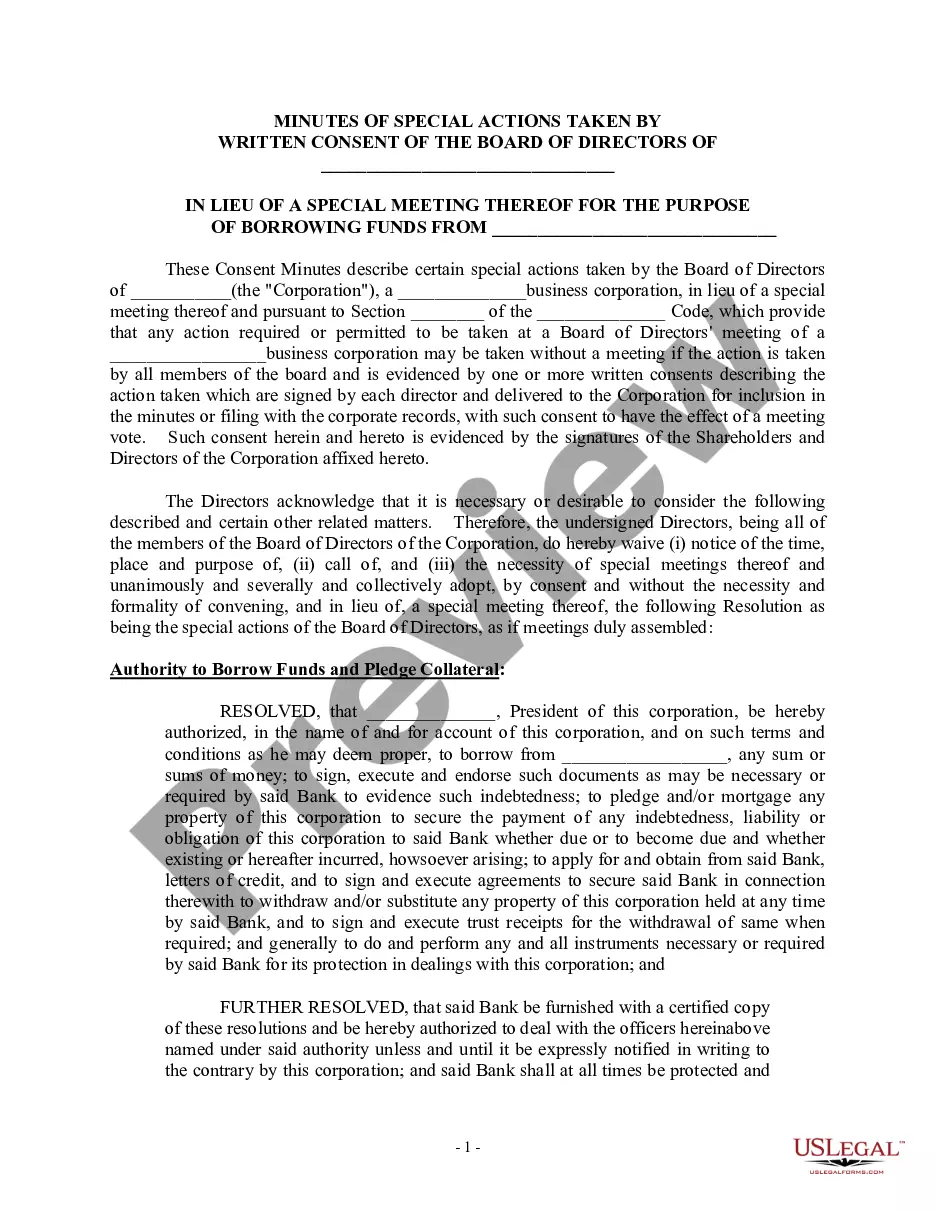
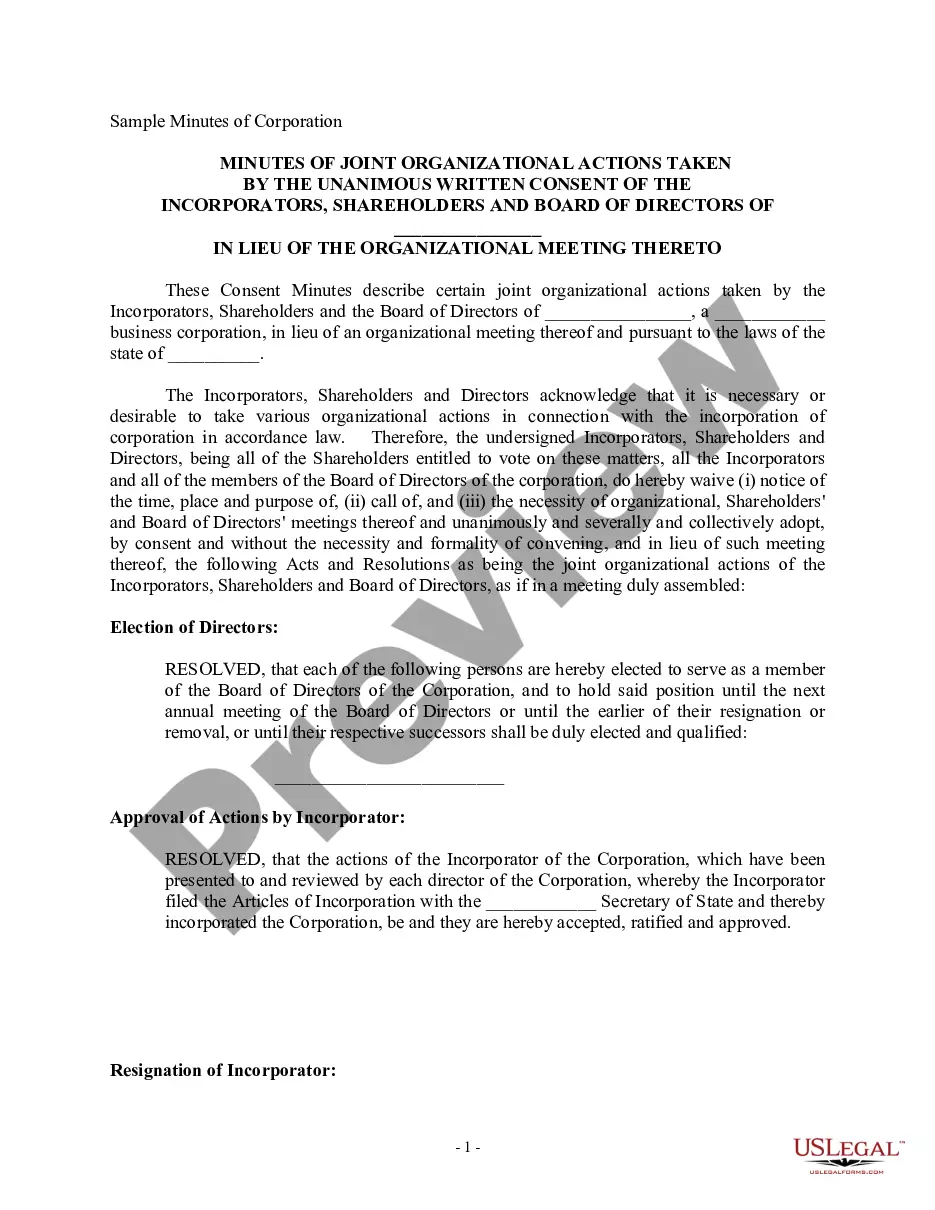
Get your form ready online
Our built-in tools help you complete, sign, share, and store your documents in one place.
Make edits, fill in missing information, and update formatting in US Legal Forms—just like you would in MS Word.
Download a copy, print it, send it by email, or mail it via USPS—whatever works best for your next step.
Sign and collect signatures with our SignNow integration. Send to multiple recipients, set reminders, and more. Go Premium to unlock E-Sign.
If this form requires notarization, complete it online through a secure video call—no need to meet a notary in person or wait for an appointment.
We protect your documents and personal data by following strict security and privacy standards.

Make edits, fill in missing information, and update formatting in US Legal Forms—just like you would in MS Word.

Download a copy, print it, send it by email, or mail it via USPS—whatever works best for your next step.

Sign and collect signatures with our SignNow integration. Send to multiple recipients, set reminders, and more. Go Premium to unlock E-Sign.

If this form requires notarization, complete it online through a secure video call—no need to meet a notary in person or wait for an appointment.

We protect your documents and personal data by following strict security and privacy standards.
Looking for another form?
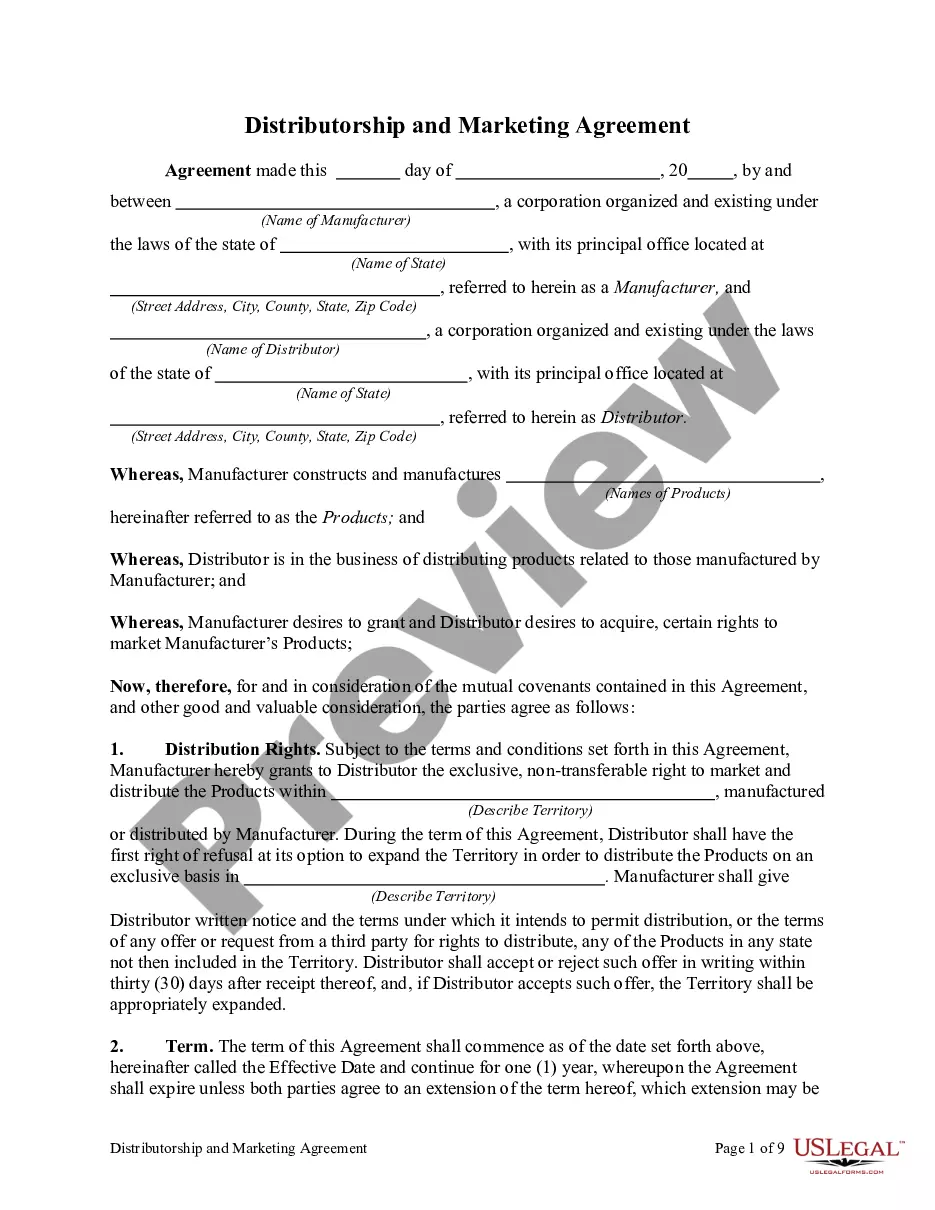


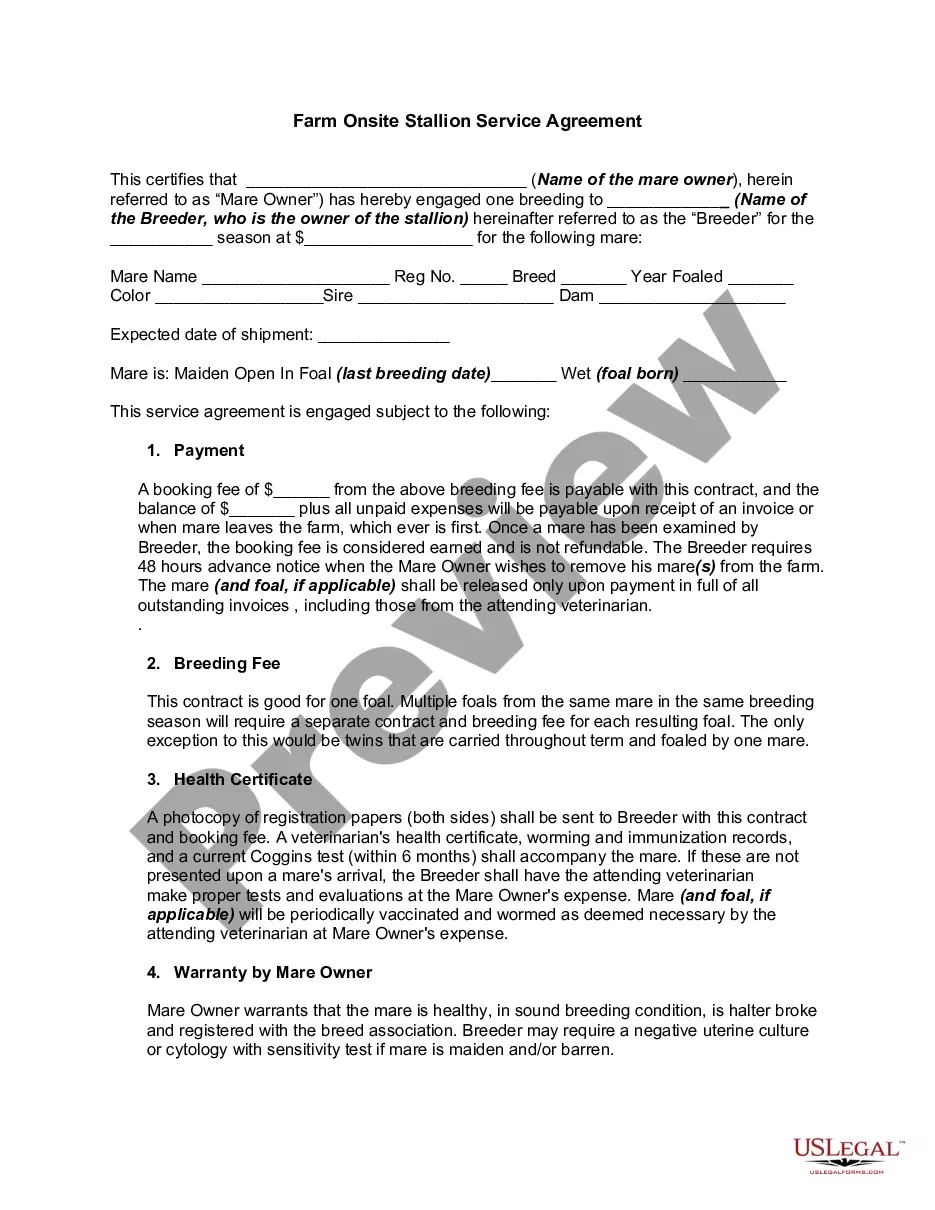


Form popularity
FAQ
Commercial property is real estate that is used for business activities. Commercial property usually refers to buildings that house businesses, but can also refer to land used to generate a profit, as well as large residential rental properties.
There are many different types of public and commercial buildings. A general rule of thumb is that non-residential buildings and apartment complexes larger than fourplexes, and are either public or commercial.
Commercial land is zoned for commercial or business use. It is usually intended for the construction and operation of commercial buildings and facilities. Greenfield or agricultural land typically refers to undeveloped land for farm use or pasture.
And, while it is an enticing convenience to live and work from the same space, most commercial buildings are not zoned for residential use, and living in these spaces can carry consequences, such as eviction; however, mixed-use properties are becoming more common in the metropolitan areas of Texas.
To contest your property taxes in Tarrant County, you will need to do the following: File a Notice of Protest Form (Form 50-132) online, by mail, or in person by the deadline. Prepare evidence to support your lower value. If possible, resolve with an informal review. If necessary, attend an ARB hearing.
A business homestead receives the same protection as a residence under Texas law. Tools, equipment, books and apparatus used in a trade are covered. An individual may claim both an urban and a business homestead; those claiming a rural homestead, however, may not claim a business homestead.
How to fill out the Business Personal Property Rendition Tax Form 50-144? Collect all necessary business and property details. Determine the market value of your property. Complete the required sections of the form. Review all information for accuracy. Submit the form to the appropriate appraisal district.
Homestead protections are available only to individuals–not corporations, partnerships, or LLCs and they do not include investment or business assets. Business interests are non-exempt personal property. Although a person's homestead is primarily a question of intent, it must be based in a real property interest.
