Borrowing For Rental Property In Michigan
Description
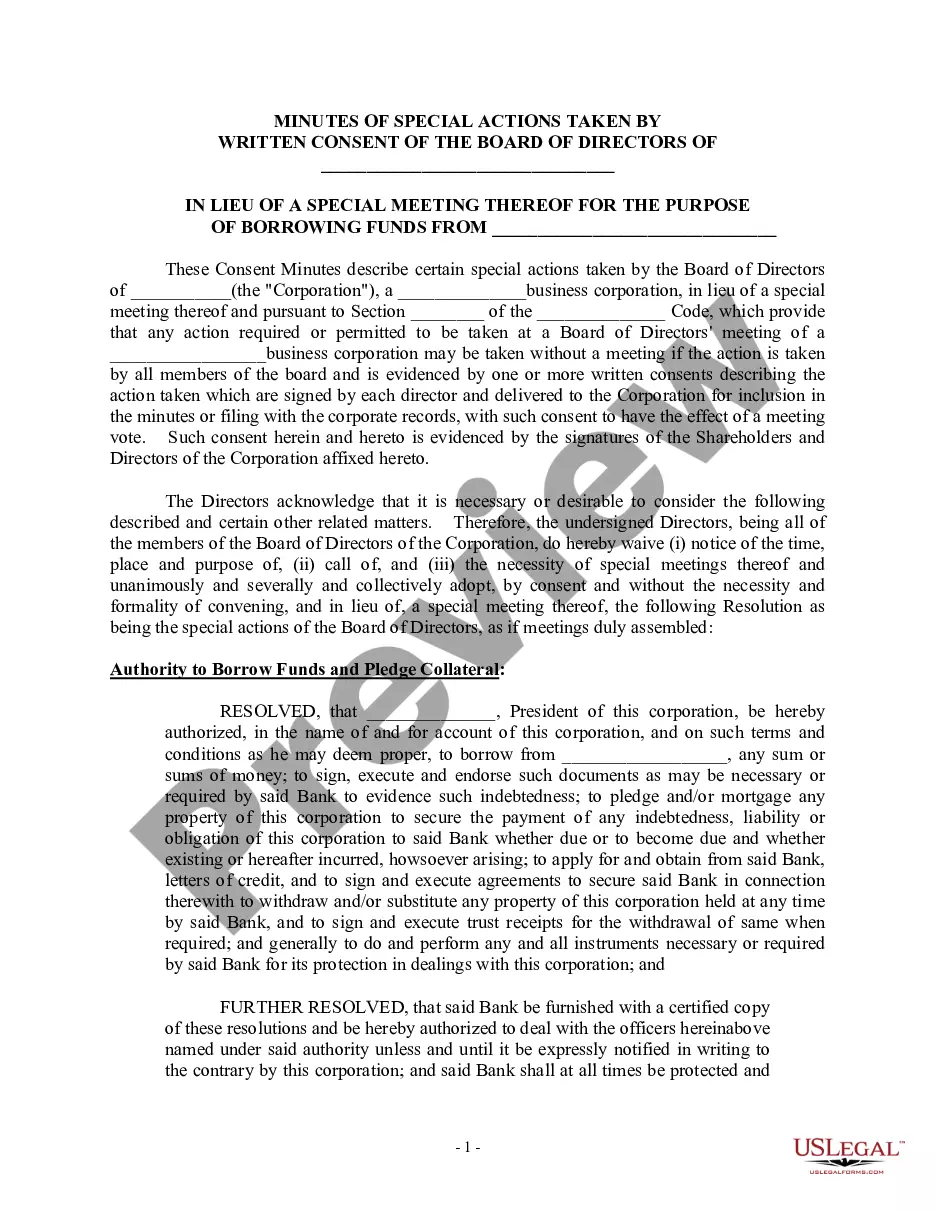
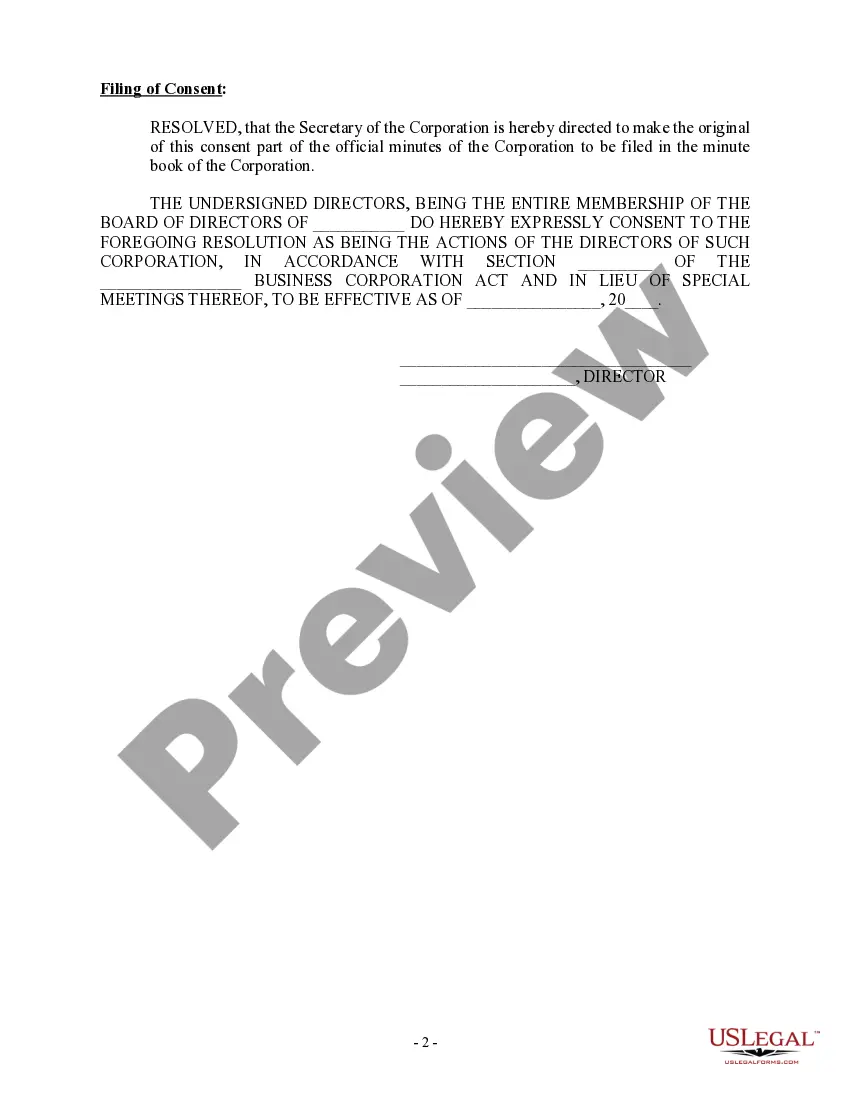
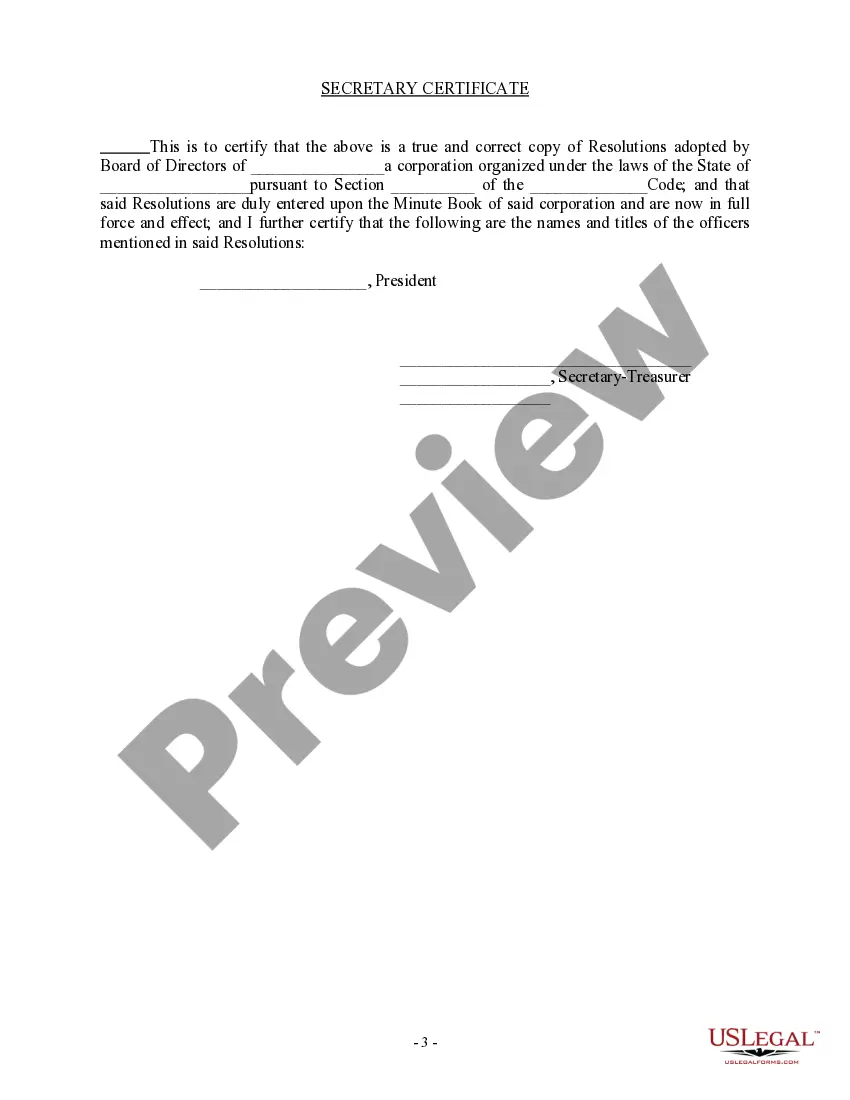
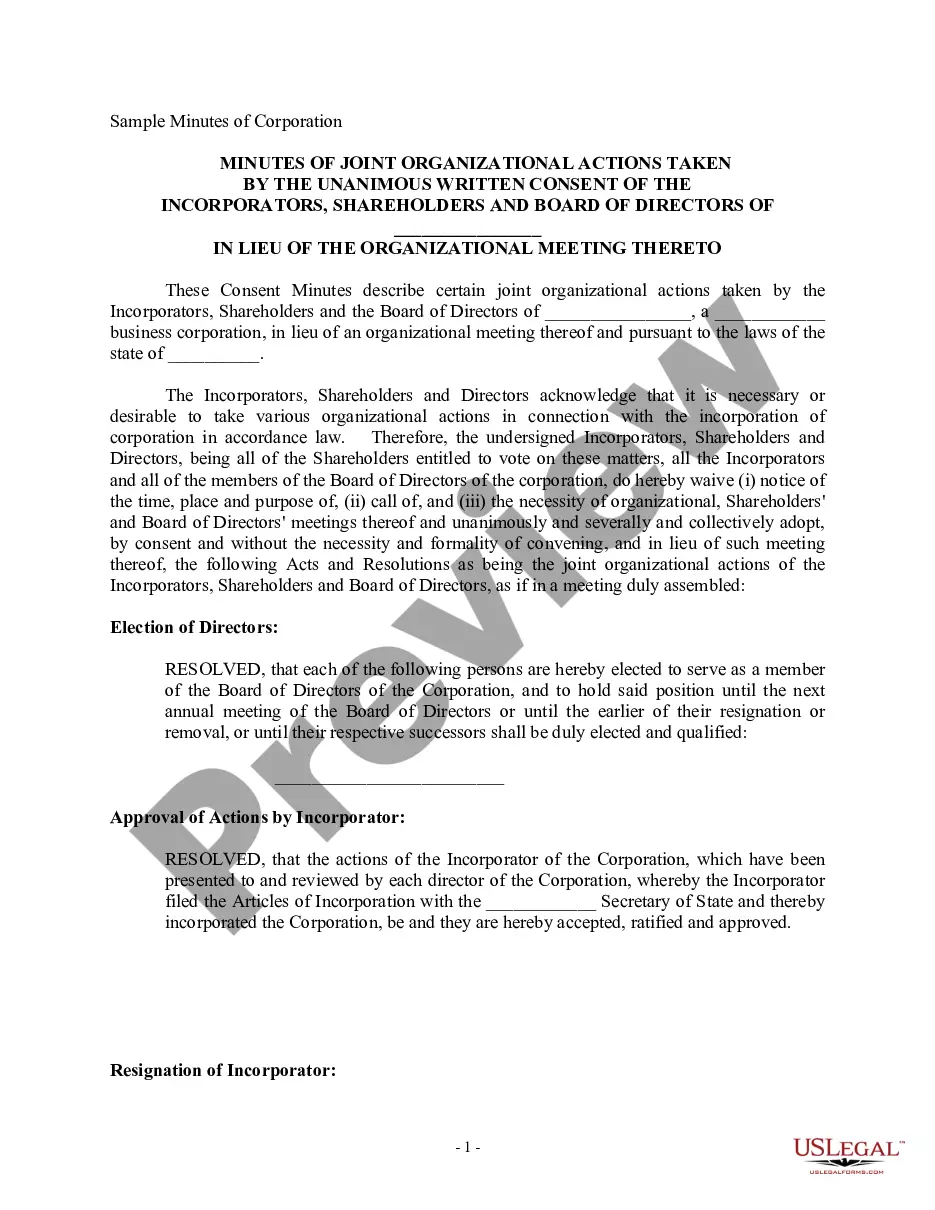
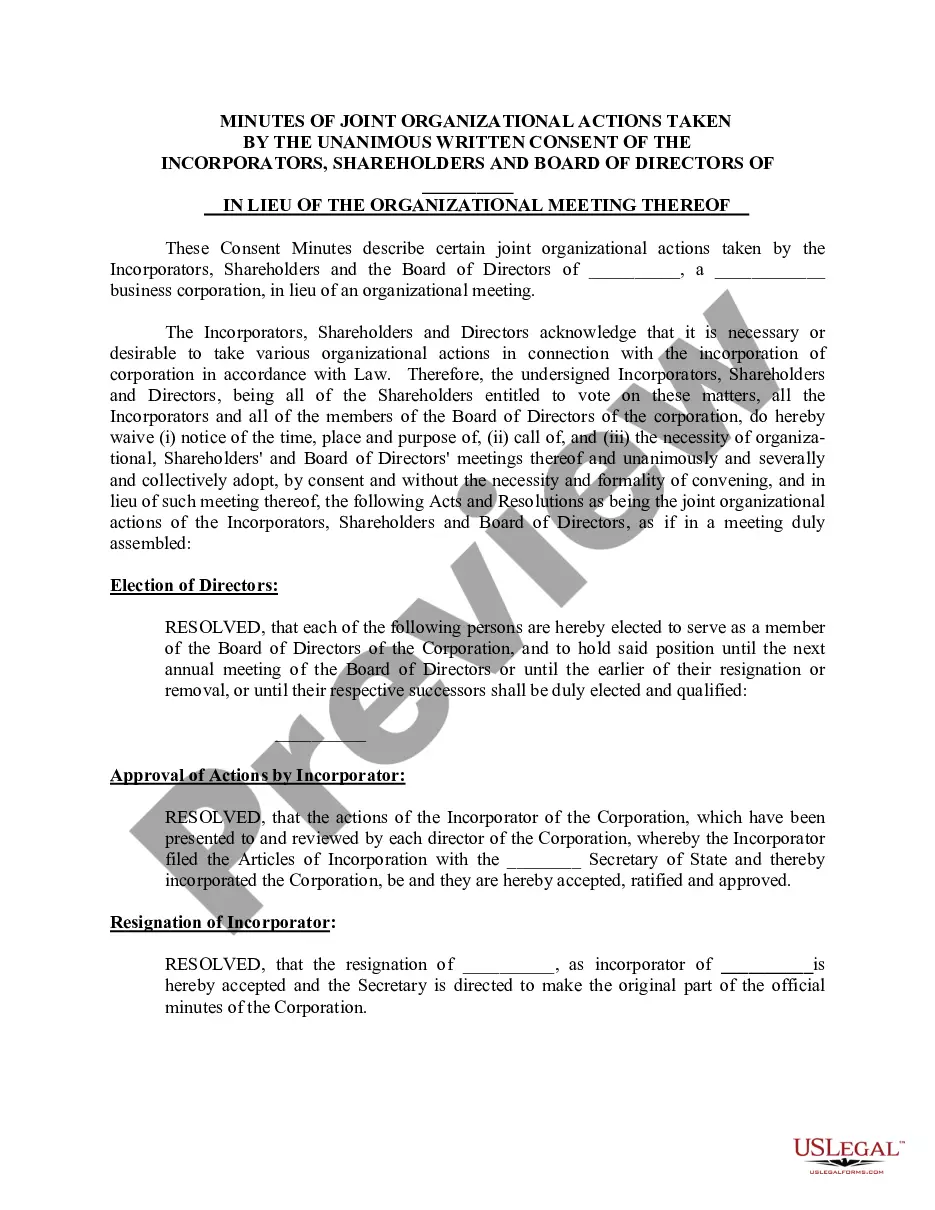
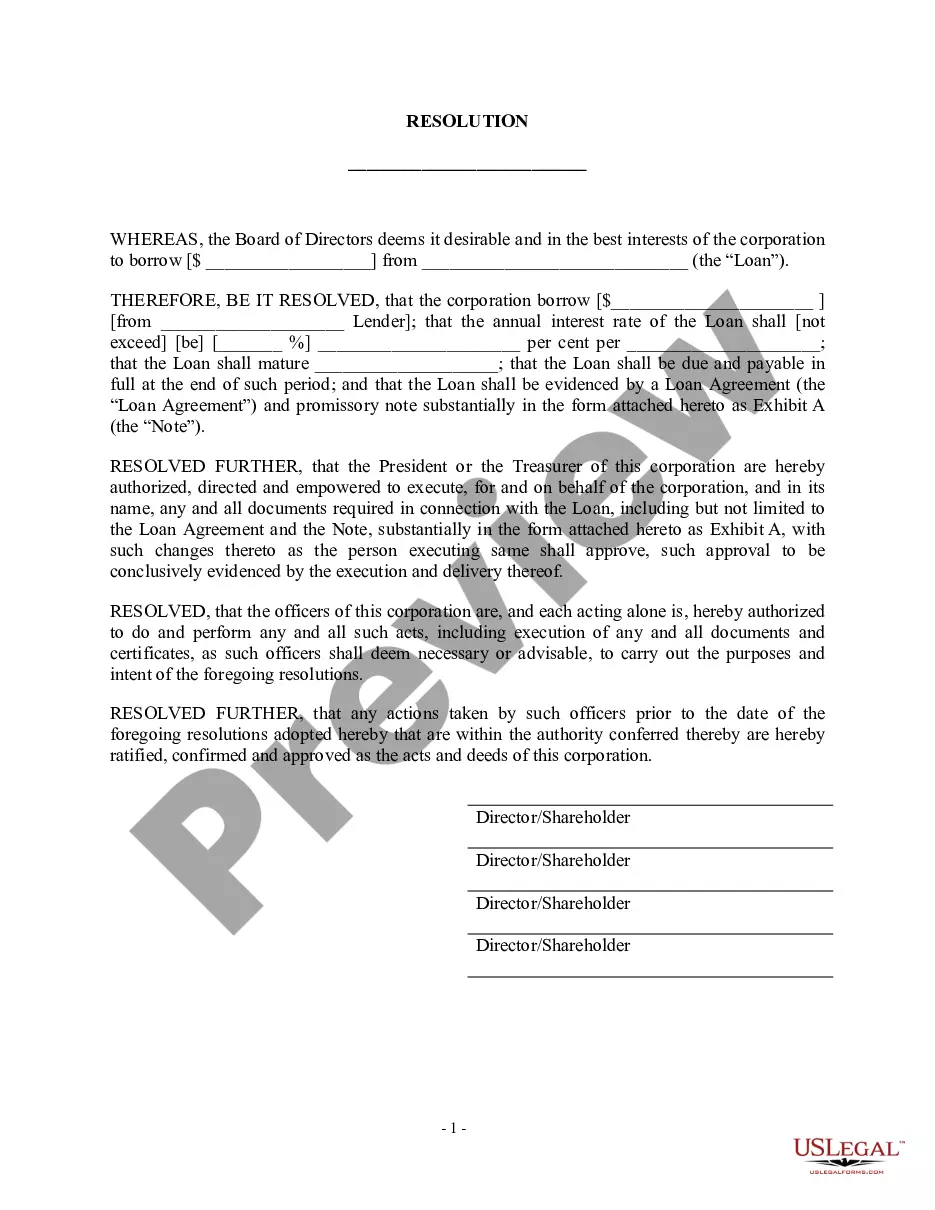
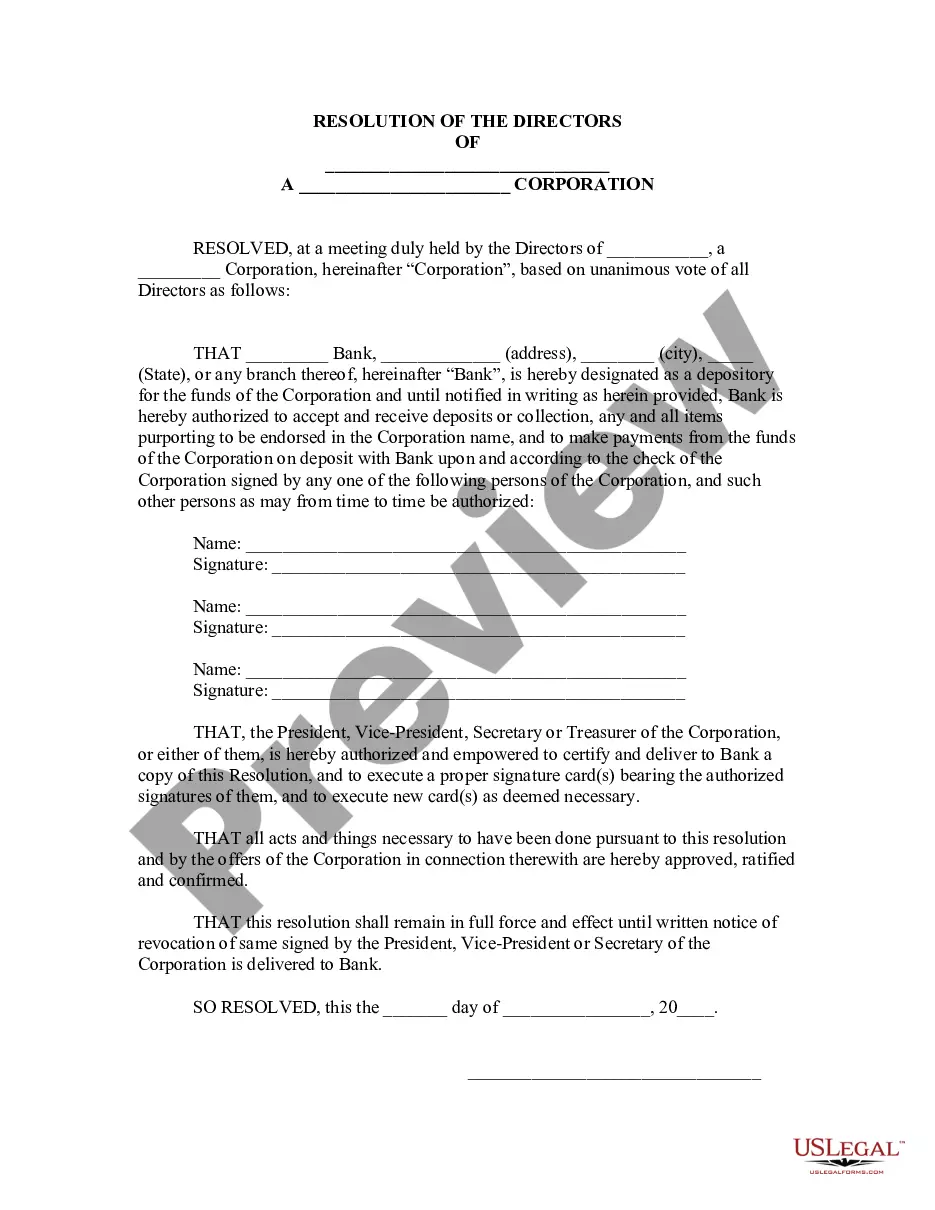
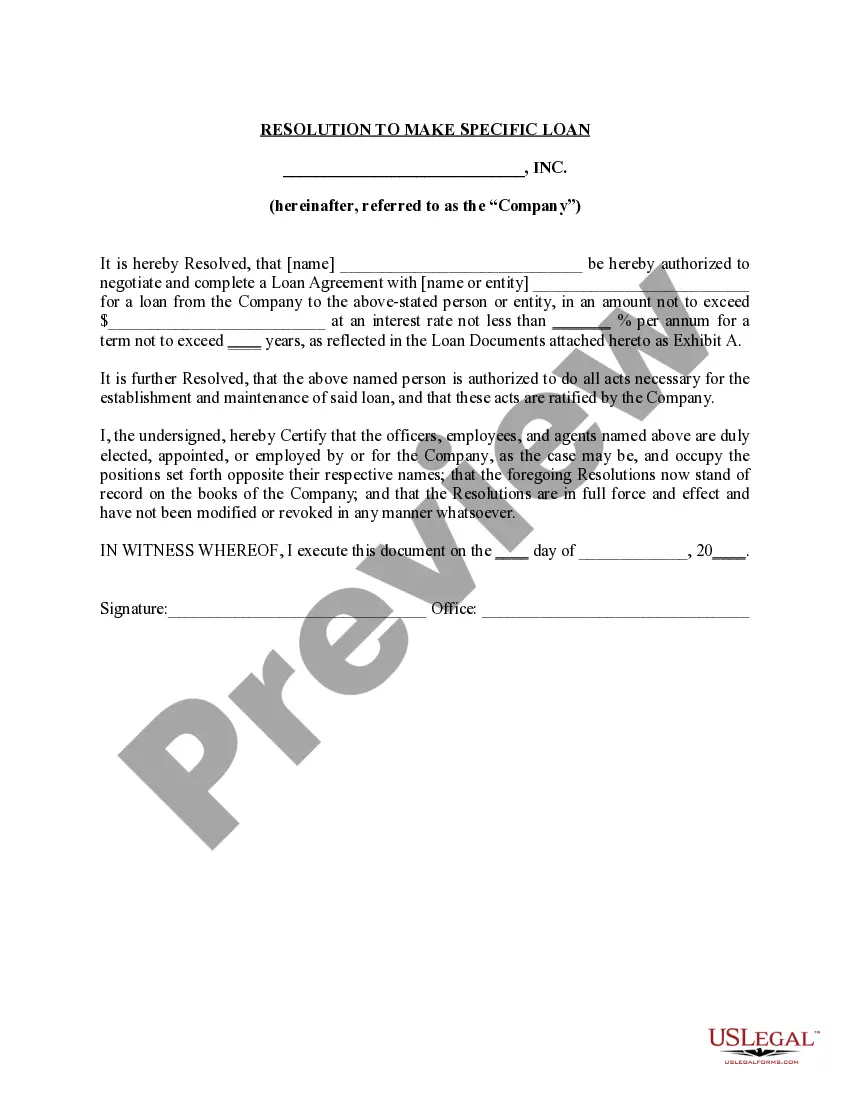
Get your form ready online
Our built-in tools help you complete, sign, share, and store your documents in one place.
Make edits, fill in missing information, and update formatting in US Legal Forms—just like you would in MS Word.
Download a copy, print it, send it by email, or mail it via USPS—whatever works best for your next step.
Sign and collect signatures with our SignNow integration. Send to multiple recipients, set reminders, and more. Go Premium to unlock E-Sign.
If this form requires notarization, complete it online through a secure video call—no need to meet a notary in person or wait for an appointment.
We protect your documents and personal data by following strict security and privacy standards.

Make edits, fill in missing information, and update formatting in US Legal Forms—just like you would in MS Word.

Download a copy, print it, send it by email, or mail it via USPS—whatever works best for your next step.

Sign and collect signatures with our SignNow integration. Send to multiple recipients, set reminders, and more. Go Premium to unlock E-Sign.

If this form requires notarization, complete it online through a secure video call—no need to meet a notary in person or wait for an appointment.

We protect your documents and personal data by following strict security and privacy standards.
Looking for another form?









Form popularity
FAQ
It has often been said that 20% of the players do 80% of the business: the 80/20 rule as it is sometimes referred to. However, this contrast has reportedly become even starker in the real estate world. ing to the data, just 7% of real estate agents do 93% of the business.
The 80/20 rule suggests that 20% of your efforts drive 80% of results in your real estate investment strategy.
If the thought of finances seems a bit overwhelming, here are a few tips guaranteed to get you on the right track! Separate Your Financial Accounts. Tracking Rental Income. Tracking Rental Expenses. Budgeting for Maintenance and Repairs. Watch Out for These Financial Pitfalls.
The 50% rule or 50 rule in real estate says that half of the gross income generated by a rental property should be allocated to operating expenses when determining profitability. The rule is designed to help investors avoid the mistake of underestimating expenses and overestimating profits.
The 50% rule or 50 rule in real estate says that half of the gross income generated by a rental property should be allocated to operating expenses when determining profitability. The rule is designed to help investors avoid the mistake of underestimating expenses and overestimating profits.
The Bottom Line. The 2% rule in investing suggests that you should never risk more than 2% of your capital on any single trade or investment. This approach helps manage risk by limiting potential losses and preserving capital for future opportunities.
The 2% rule in real estate dictates that a rental property serves as a good investment if its monthly income matches or exceeds 2% of the overall investment. For example, a $100,000 property would need to generate a rental income of at least $2,000 to meet this criterion.
So you may face adjustments to your entire return, not just your income. At the very least, you'll owe back taxes. That's the remaining unpaid amount associated with your return. Besides back taxes, you may face fines, penalties, and criminal charges.
Rentals and Leases - A registered lessor in Michigan has the option of paying six percent Michigan Tax on the acquisition of tangible personal property that is to be leased in Michigan or to collect and remit six percent use tax on the total rental receipts.
