Borrowing For Rental Property In Illinois
Description
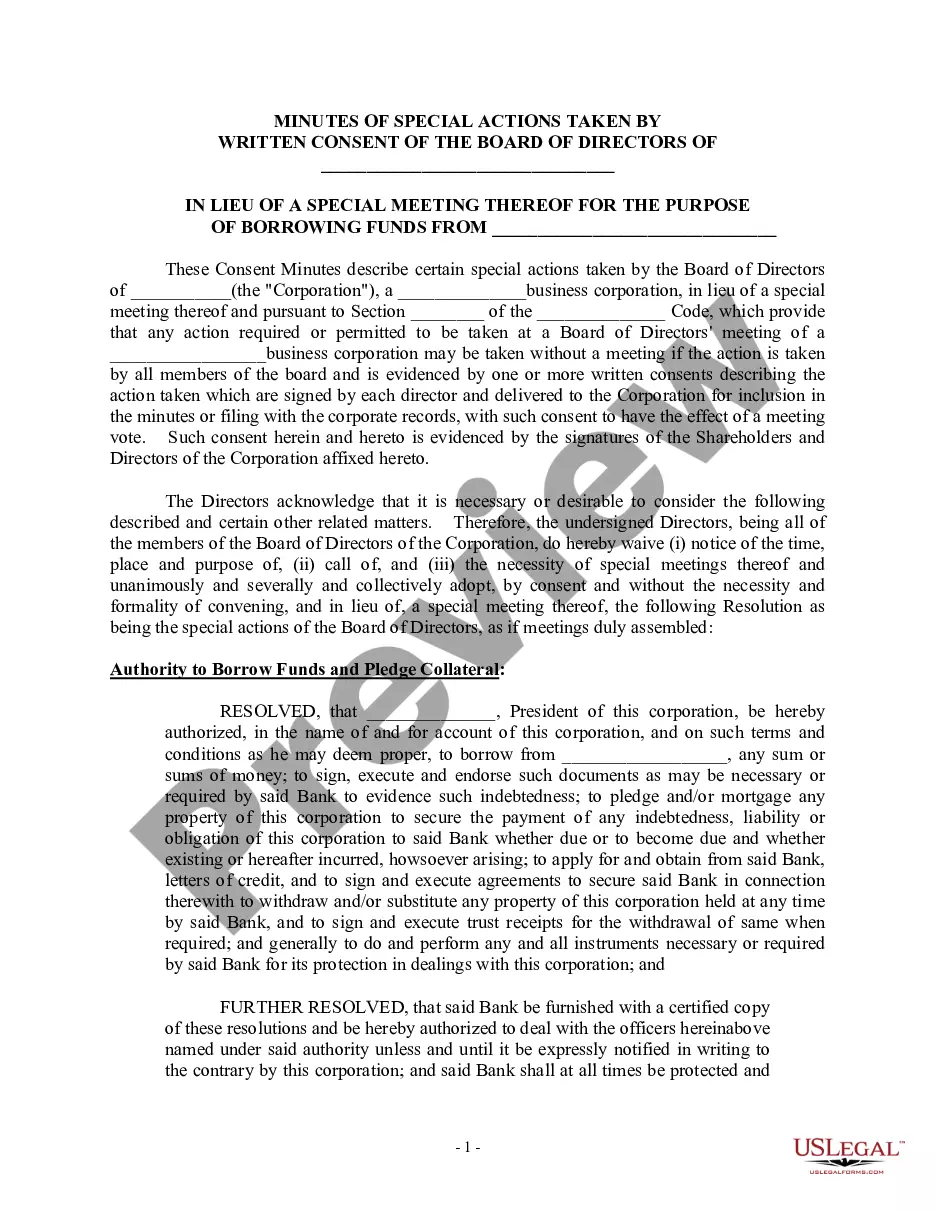
Get your form ready online
Our built-in tools help you complete, sign, share, and store your documents in one place.
Make edits, fill in missing information, and update formatting in US Legal Forms—just like you would in MS Word.
Download a copy, print it, send it by email, or mail it via USPS—whatever works best for your next step.
Sign and collect signatures with our SignNow integration. Send to multiple recipients, set reminders, and more. Go Premium to unlock E-Sign.
If this form requires notarization, complete it online through a secure video call—no need to meet a notary in person or wait for an appointment.
We protect your documents and personal data by following strict security and privacy standards.

Make edits, fill in missing information, and update formatting in US Legal Forms—just like you would in MS Word.

Download a copy, print it, send it by email, or mail it via USPS—whatever works best for your next step.

Sign and collect signatures with our SignNow integration. Send to multiple recipients, set reminders, and more. Go Premium to unlock E-Sign.

If this form requires notarization, complete it online through a secure video call—no need to meet a notary in person or wait for an appointment.

We protect your documents and personal data by following strict security and privacy standards.
Looking for another form?
Form popularity
FAQ
If the thought of finances seems a bit overwhelming, here are a few tips guaranteed to get you on the right track! Separate Your Financial Accounts. Tracking Rental Income. Tracking Rental Expenses. Budgeting for Maintenance and Repairs. Watch Out for These Financial Pitfalls.
Lenders typically require a Schedule E form from the previous year's tax return to verify rental income. For short-term rental income, they may also request 1099 forms, bank statements showing deposit history, and proof of rental property ownership.
A Residential Rental License is required to be obtained by the owner of each rental dwelling unit (including condominium units) in buildings of four (4) or more units. An interior inspection of the residential rental unit will also be required.
To become a landlord in Illinois, there are no specific requirements or certifications needed. However, it is important to familiarize yourself with the state's landlord-tenant laws and regulations.
There are two common property management licenses that landlords will need before they can legally rent a property: Certificate of Occupancy – Local building or zoning regulatory authorities issue Certificates of Occupancy stating that a property is built and maintained to accommodate occupants.
While Illinois does not have a state-wide rental license requirement, certain counties do. For example, Cook County requires landlords that own buildings (including condominiums) with four or more units to have a rental license.
The 50% rule or 50 rule in real estate says that half of the gross income generated by a rental property should be allocated to operating expenses when determining profitability. The rule is designed to help investors avoid the mistake of underestimating expenses and overestimating profits.
The Bottom Line. The 2% rule in investing suggests that you should never risk more than 2% of your capital on any single trade or investment. This approach helps manage risk by limiting potential losses and preserving capital for future opportunities.
The 2% rule in real estate dictates that a rental property serves as a good investment if its monthly income matches or exceeds 2% of the overall investment. For example, a $100,000 property would need to generate a rental income of at least $2,000 to meet this criterion.
