Borrowing For Commercial Property In Illinois
Description
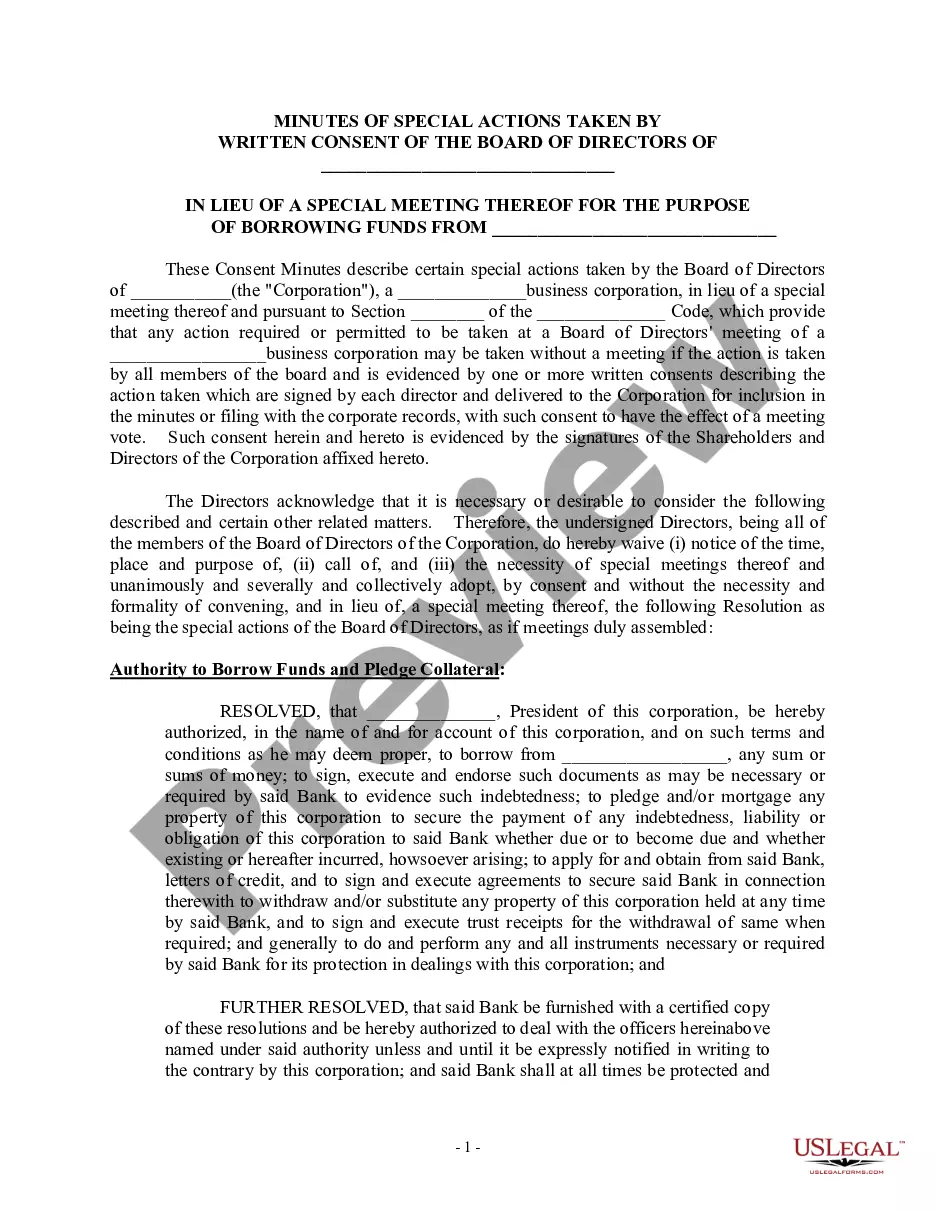
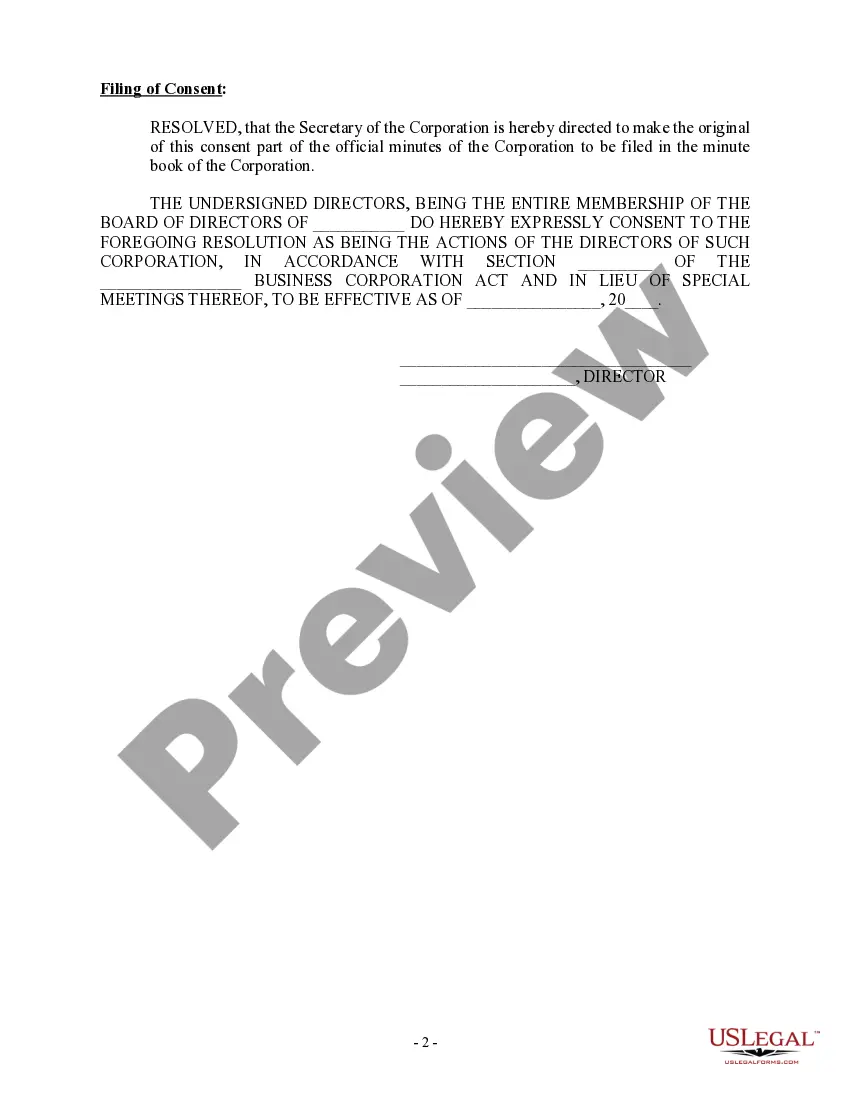
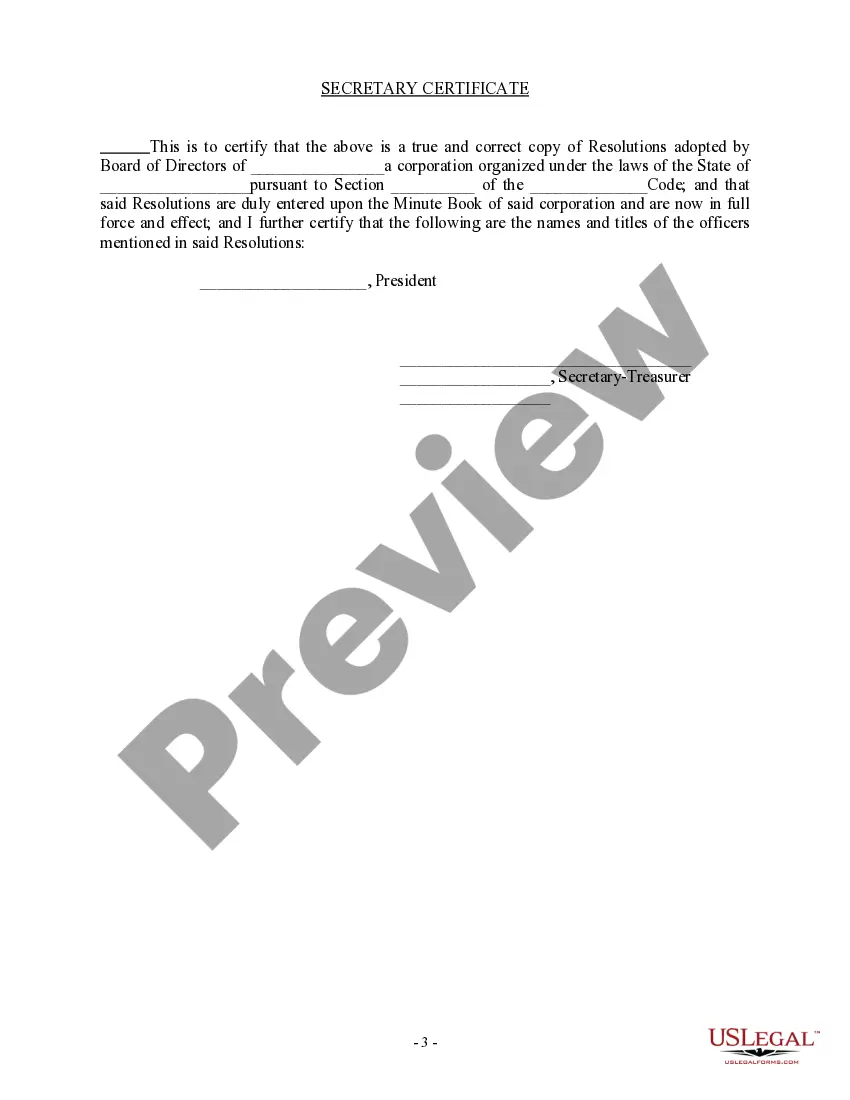
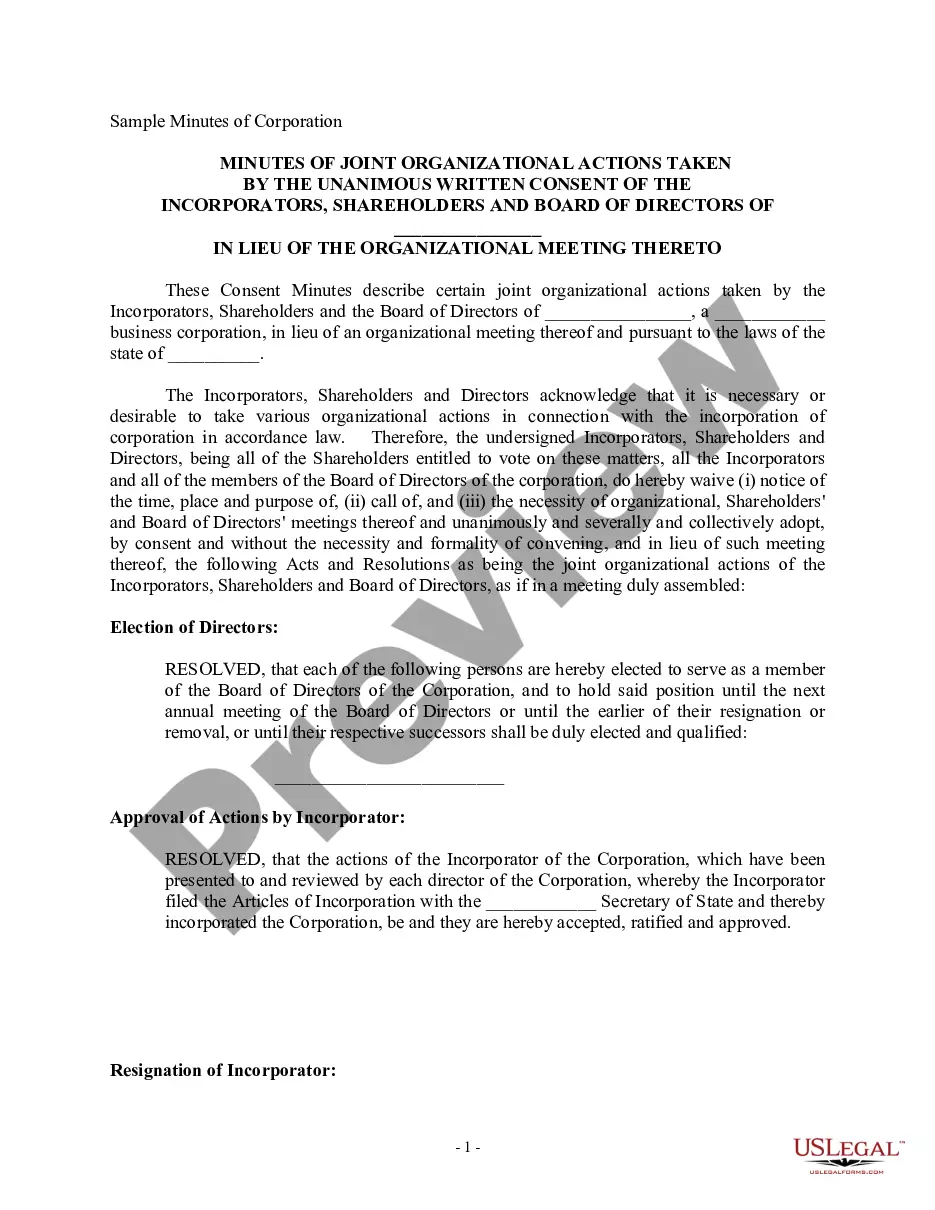
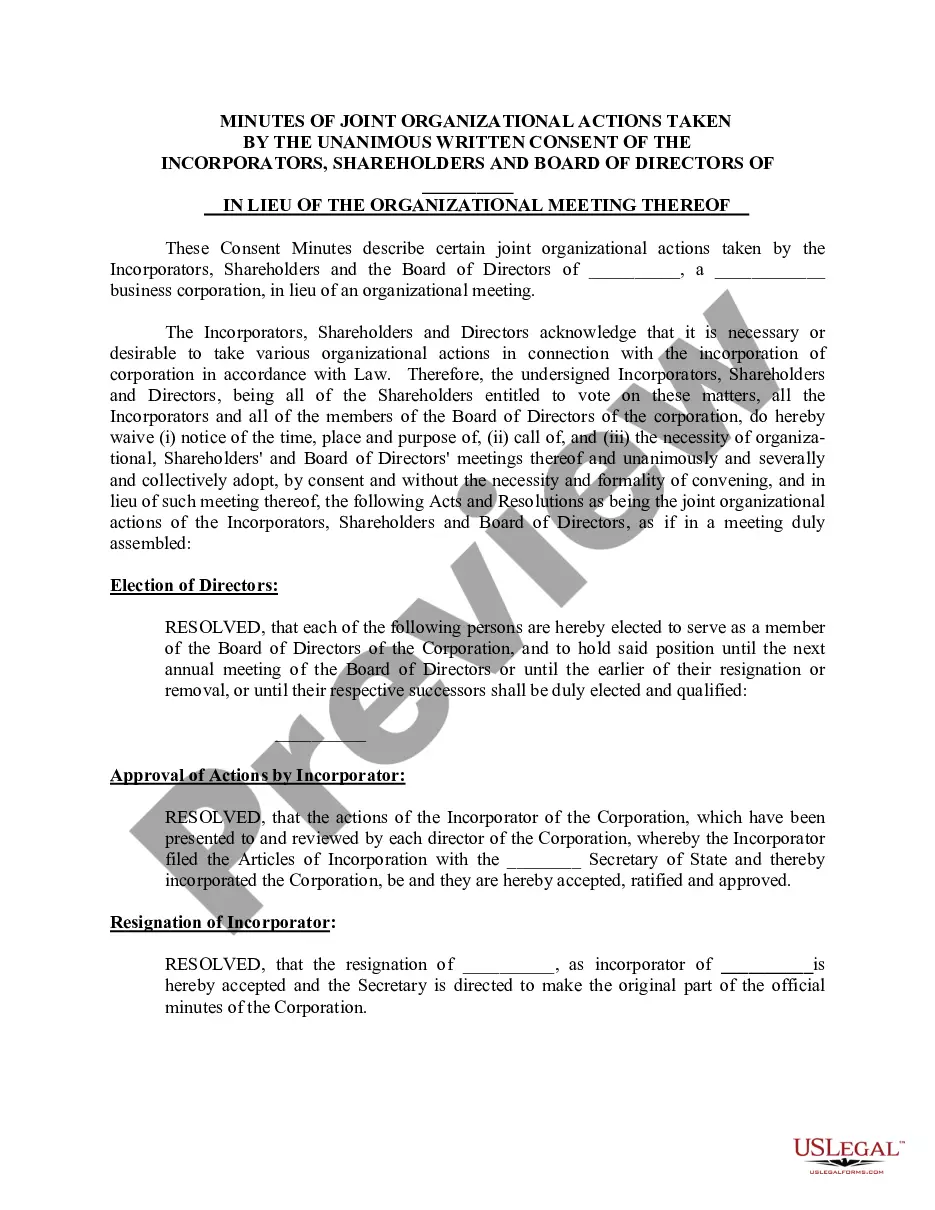
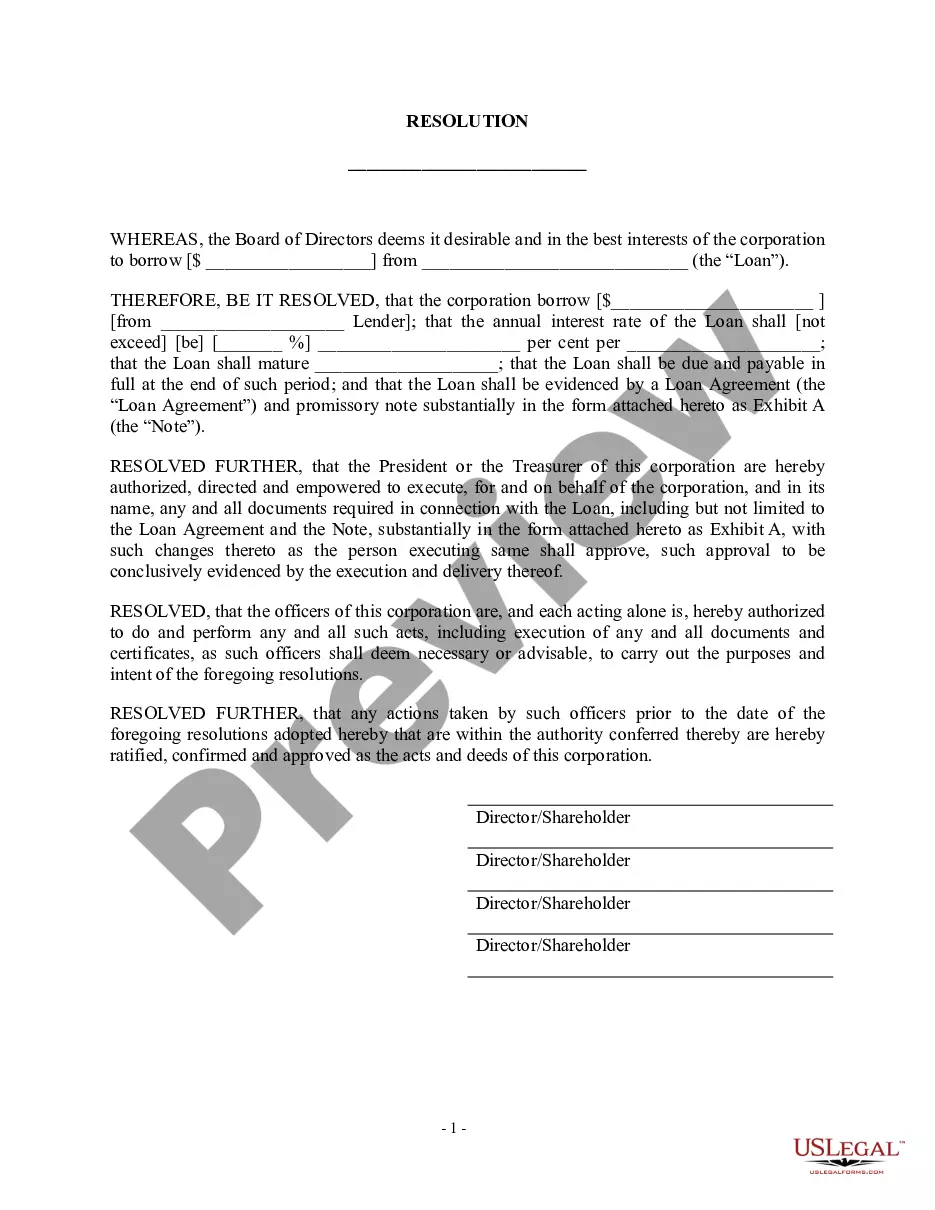
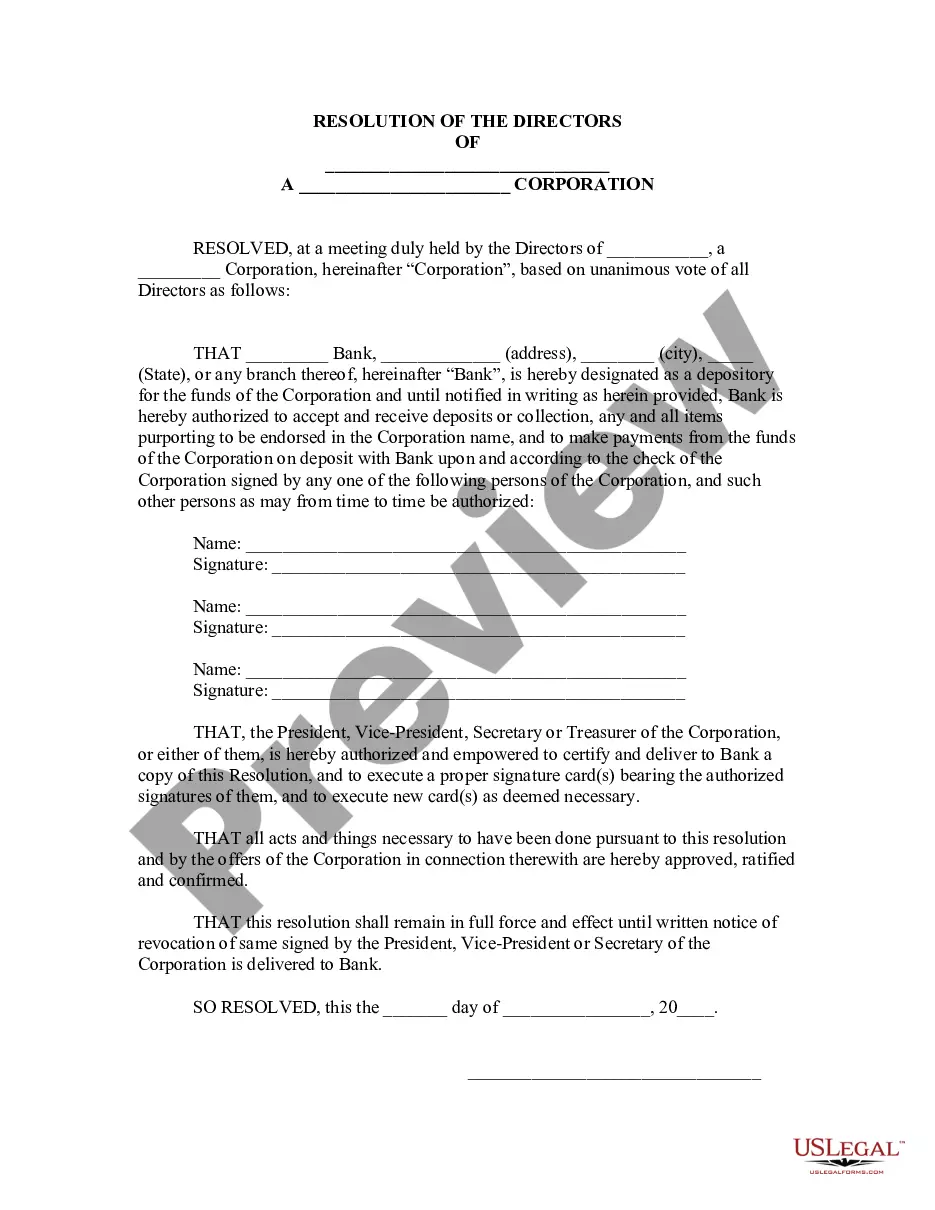
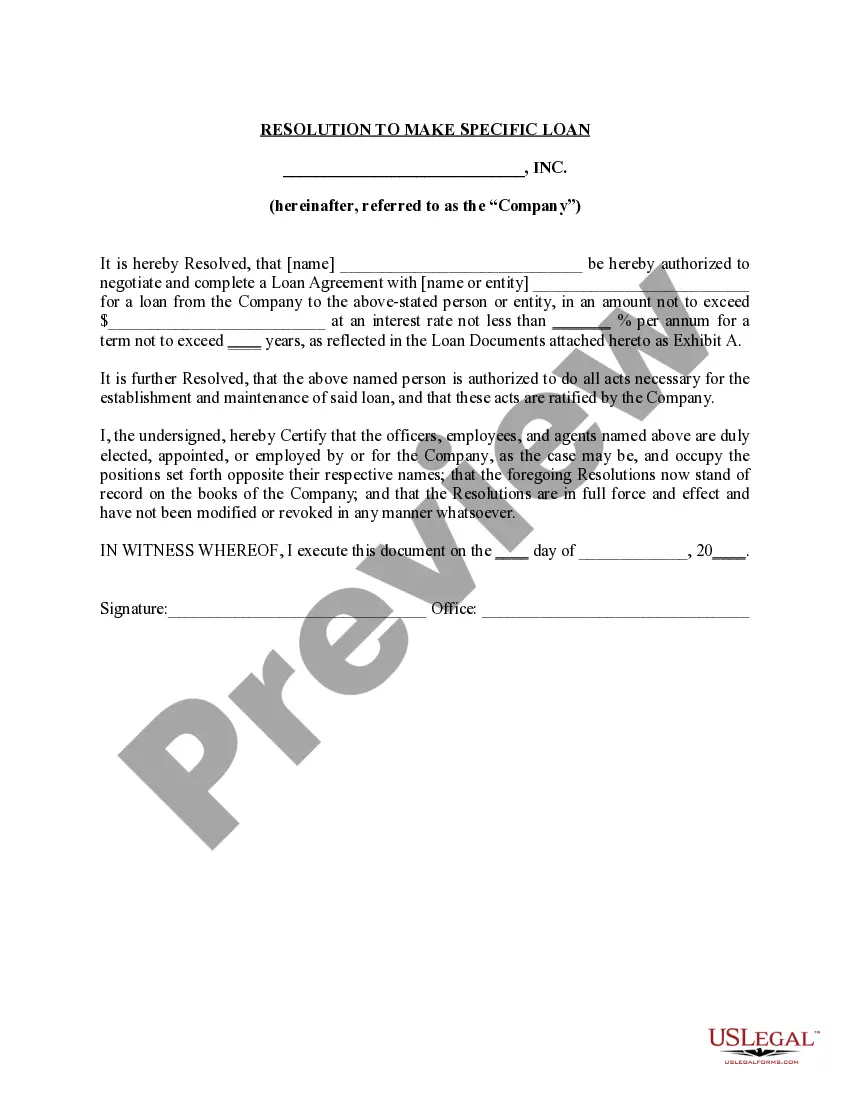
Get your form ready online
Our built-in tools help you complete, sign, share, and store your documents in one place.
Make edits, fill in missing information, and update formatting in US Legal Forms—just like you would in MS Word.
Download a copy, print it, send it by email, or mail it via USPS—whatever works best for your next step.
Sign and collect signatures with our SignNow integration. Send to multiple recipients, set reminders, and more. Go Premium to unlock E-Sign.
If this form requires notarization, complete it online through a secure video call—no need to meet a notary in person or wait for an appointment.
We protect your documents and personal data by following strict security and privacy standards.

Make edits, fill in missing information, and update formatting in US Legal Forms—just like you would in MS Word.

Download a copy, print it, send it by email, or mail it via USPS—whatever works best for your next step.

Sign and collect signatures with our SignNow integration. Send to multiple recipients, set reminders, and more. Go Premium to unlock E-Sign.

If this form requires notarization, complete it online through a secure video call—no need to meet a notary in person or wait for an appointment.

We protect your documents and personal data by following strict security and privacy standards.
Looking for another form?







Form popularity
FAQ
Today's commercial mortgage rates Freddie Mac Optigo. 5.34% - 6.86% Fannie Mae. 5.54% - 6.81% HUD 223(f) 6.00% - 6.70% CMBS. 6.33% - 7.93% Regional Banks/Credit Unions. 6.77% - 10.50% Life Insurance Companies. 5.58% - 7.06% Debt Funds. 9.12% - 15.37% HUD 221(d)(4) 6.60% - 7.30%
Typically, the tenant pays the equivalent of one month's rent to the landlord when signing a lease. This covers any incidental costs, damages or missed rent payments in the event of a lease default.
How much deposit do you need for a commercial mortgage? The amount of deposit you will need depends on several factors, but it will typically be between 20% and 40%.
How to Write an LOI in Commercial Real Estate Structure it like a letter. Write the opening paragraph. State the parties involved. Draft a property description. Outline the terms of the offer. Include disclaimers. Conclude with a closing statement.
Consider working with a financial advisor as you make the decision to invest in a real estate asset. Address the Seller By Name. Highlight What You Like Most About the Home. Share Something About Yourself. Throw in a Personal Picture. Discuss What You Have in Common. Keep it Short. Close the Letter Appropriately.
Tenant name and contact information. Cover letter or paragraph indicating that this is an LOI for a specific property. Property address, including unit number (if any) and description of that premises. Description of permitted use (how the property will be used, e.g., for corporate office)
So, here are some tips to help you put together a high-quality commercial real estate proposal that will beat the competition. Start with an executive summary. Define the property. Provide location information. Summarize the existing property market. Make specific marketing recommendations.
