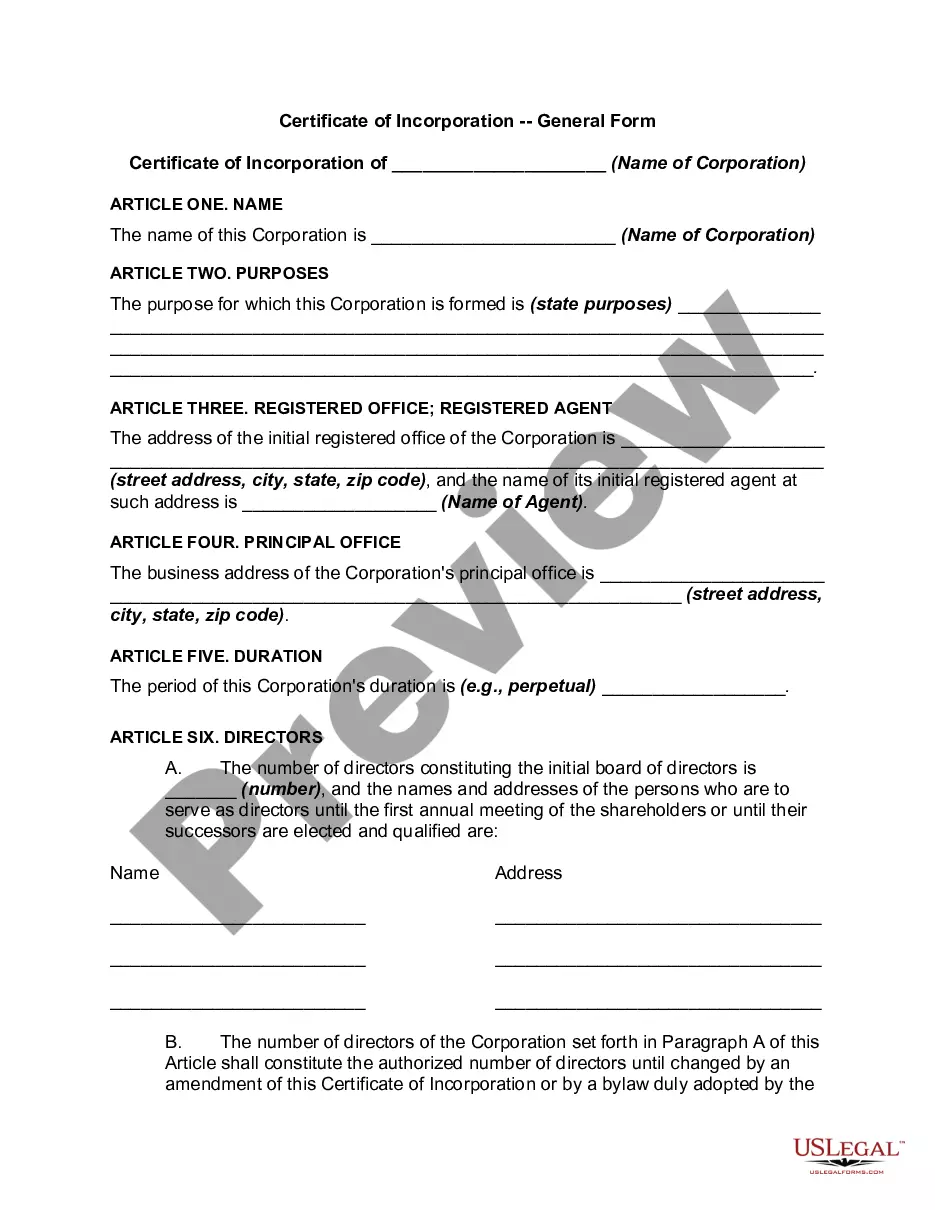
Corporation Corporate Officer Format In Wayne
Description

Get your form ready online
Our built-in tools help you complete, sign, share, and store your documents in one place.
Make edits, fill in missing information, and update formatting in US Legal Forms—just like you would in MS Word.
Download a copy, print it, send it by email, or mail it via USPS—whatever works best for your next step.
Sign and collect signatures with our SignNow integration. Send to multiple recipients, set reminders, and more. Go Premium to unlock E-Sign.
If this form requires notarization, complete it online through a secure video call—no need to meet a notary in person or wait for an appointment.
We protect your documents and personal data by following strict security and privacy standards.

Make edits, fill in missing information, and update formatting in US Legal Forms—just like you would in MS Word.

Download a copy, print it, send it by email, or mail it via USPS—whatever works best for your next step.

Sign and collect signatures with our SignNow integration. Send to multiple recipients, set reminders, and more. Go Premium to unlock E-Sign.

If this form requires notarization, complete it online through a secure video call—no need to meet a notary in person or wait for an appointment.

We protect your documents and personal data by following strict security and privacy standards.
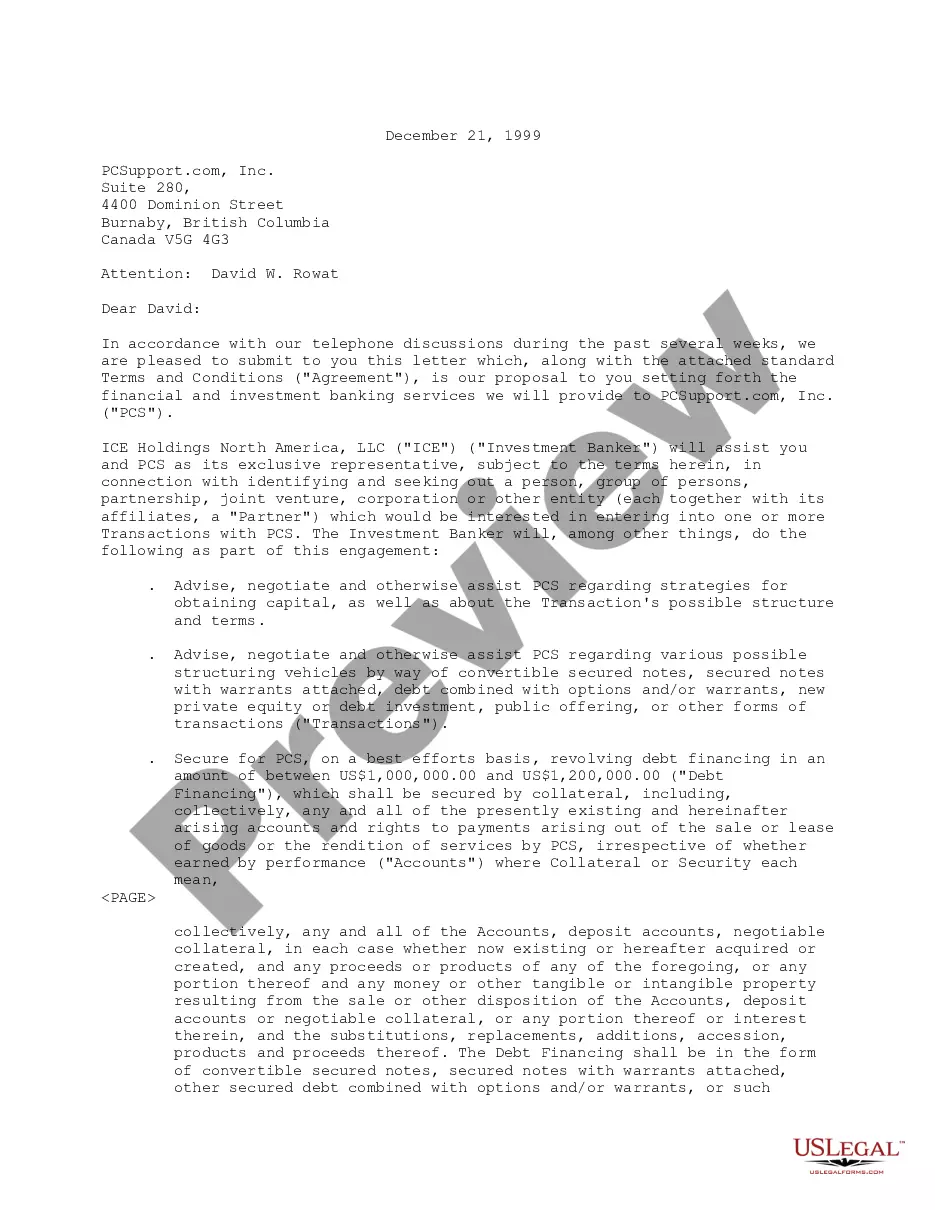
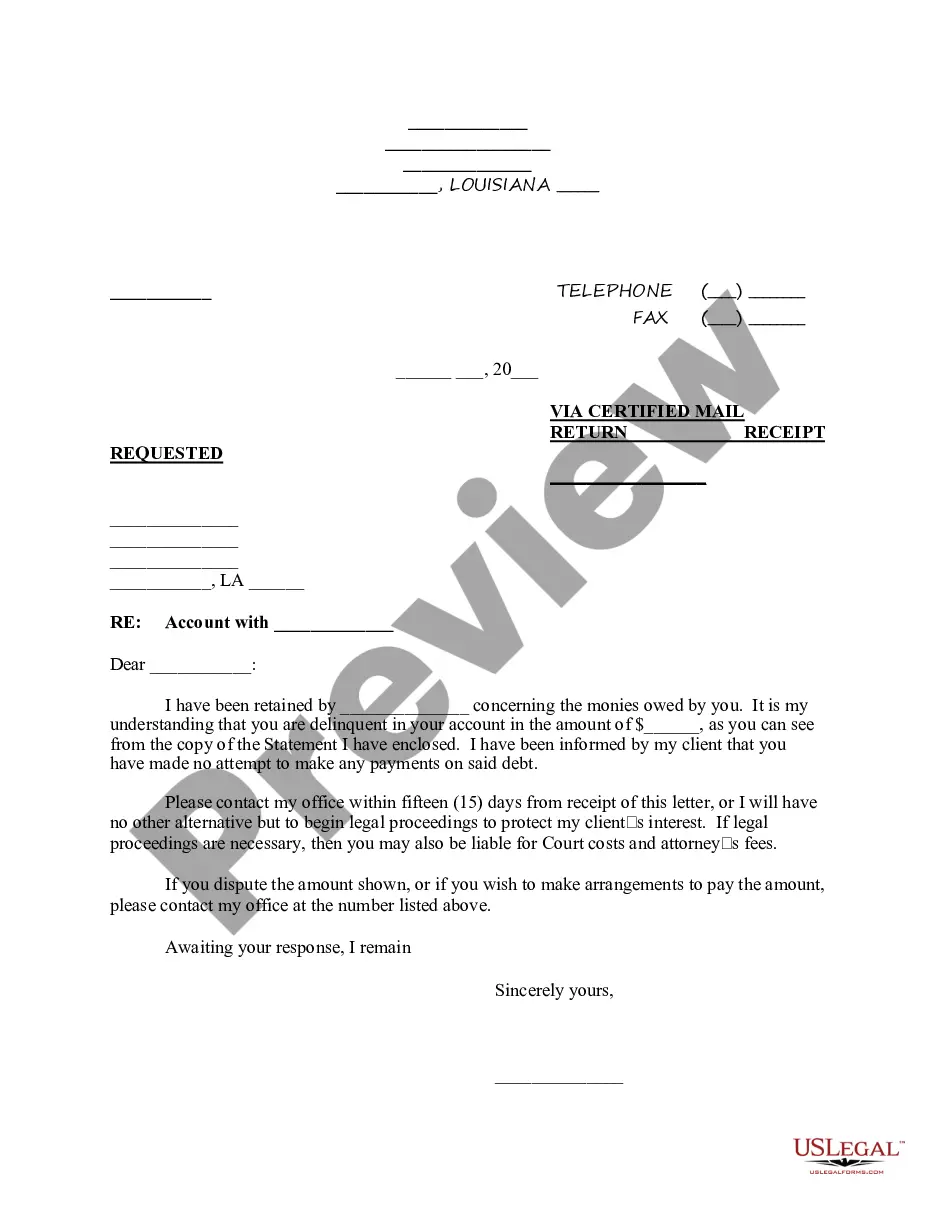
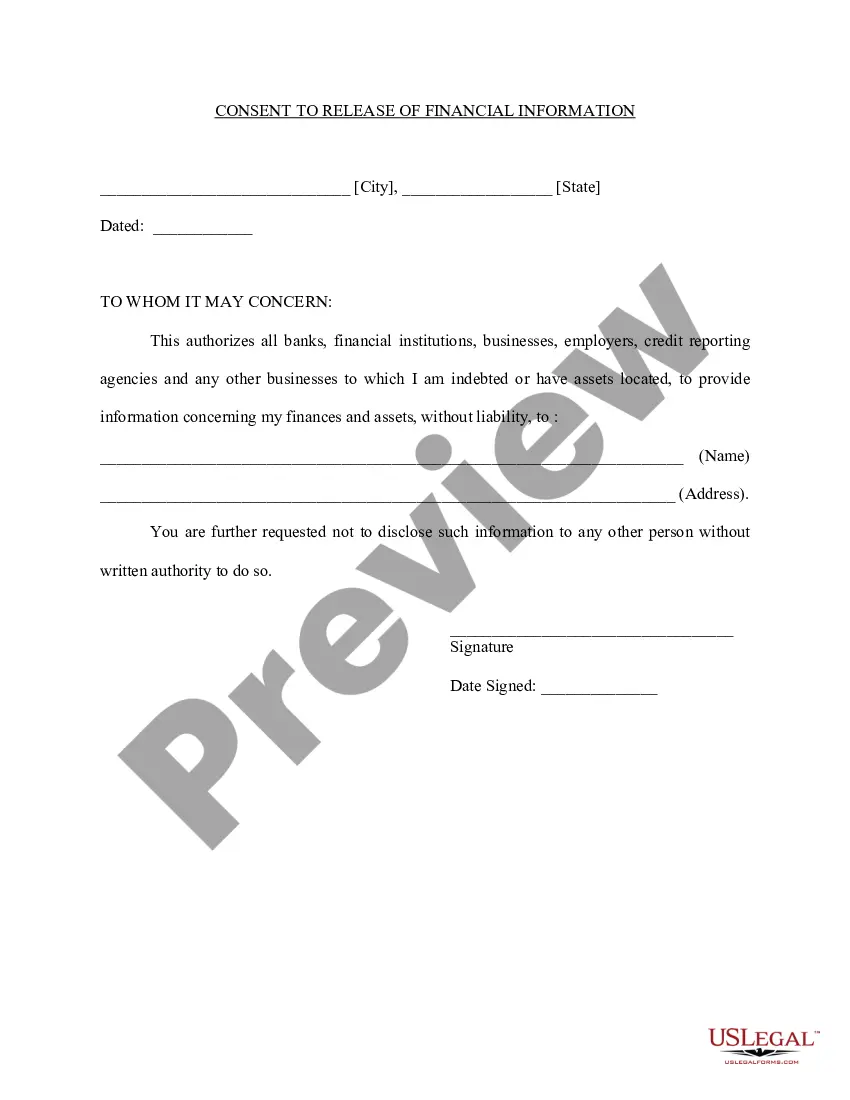
Looking for another form?







Form popularity
FAQ
Officers are usually appointed by a corporation's board of directors ing to its internal policies. There are many corporate officer titles, such as Chief Executive Officer (CEO) and Chief Financial Officer (CFO).
Forming an LLC or a corporation will allow you to take advantage of limited personal liability for business obligations. LLCs are favored by small, owner-managed businesses that want flexibility without a lot of corporate formality. Corporations are a good choice for a business that plans to seek outside investment.
How to create an organizational structure for your business Create a plan for departmentalization. Organize the departments, roles and positions within your business. Develop a chain of command. Determine the span of control. Outline each department's work specialization. Formalize the structure with visuals.
While the articles of incorporation are externally-filed formation documents, bylaws are more of use to a company when used internally. Bylaws set the internal processes and organization of how the company should be run. Bylaws outline the rules and procedures for the management of a company.
There are many ways to organize a company, but most structures fall into one of four categories: functional, divisional, matrix, and flatarchy. Each has its own advantages and disadvantages, and the right one for your business depends on factors like your company's size, goals, and industry.
Contents Choose a business name. Register a DBA. Appoint directors. File your articles of incorporation. Write your corporate bylaws. Draft a shareholder agreement. Hold initial board of directors meeting. Issue stock.
How to Start a Corporation in Michigan Name Your Corporation. Designate a Registered Agent. Submit Articles of Incorporation. Get an EIN. File the Beneficial Ownership Information Report. Write Corporate Bylaws. Hold an Organizational Meeting. Open a Corporate Bank Account.
Every corporation in the United States is, by default, taxed as a C corp unless it has elected to be taxed as an S corp instead. A single-member LLC is by default taxed as a sole proprietor. And a multi-member LLC is taxed as a partnership unless it elects to be taxed as an S corp.
In general, the duties of each officer are set forth in the bylaws or, to the extent consistent with the bylaws, are prescribed by the board of directors. Usually, the bylaws will provide for several corporate officers. The most common are the president, vice president, secretary and treasurer.
1. Chief executive officer (CEO) The chief executive officer is the top ranking officer of a corporation, reporting directly to the board of directors. Acting as the link between the directors and staff, the CEO guides the company's daily operations.

