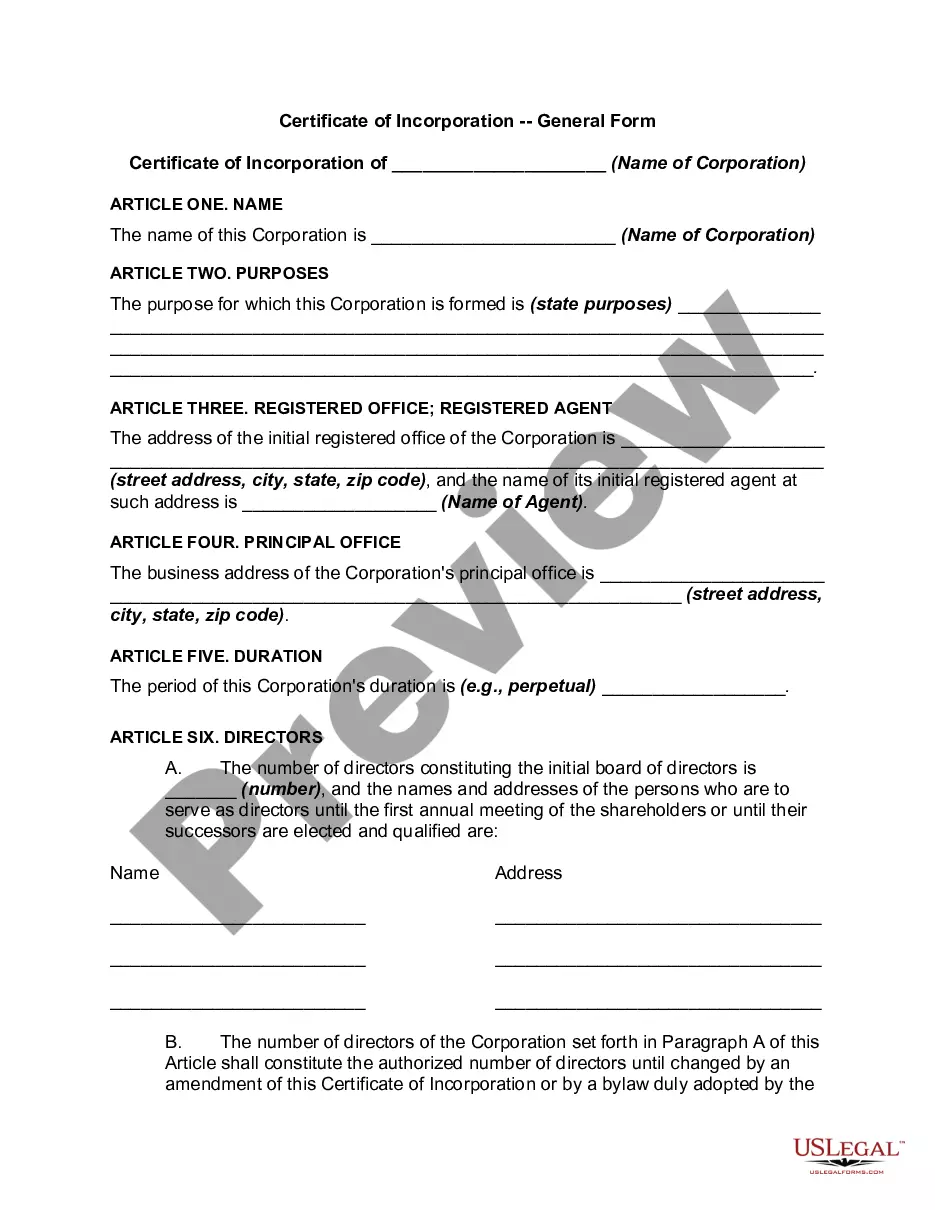
Corporation Corporate Officer Format In Pennsylvania
Description

Get your form ready online
Our built-in tools help you complete, sign, share, and store your documents in one place.
Make edits, fill in missing information, and update formatting in US Legal Forms—just like you would in MS Word.
Download a copy, print it, send it by email, or mail it via USPS—whatever works best for your next step.
Sign and collect signatures with our SignNow integration. Send to multiple recipients, set reminders, and more. Go Premium to unlock E-Sign.
If this form requires notarization, complete it online through a secure video call—no need to meet a notary in person or wait for an appointment.
We protect your documents and personal data by following strict security and privacy standards.

Make edits, fill in missing information, and update formatting in US Legal Forms—just like you would in MS Word.

Download a copy, print it, send it by email, or mail it via USPS—whatever works best for your next step.

Sign and collect signatures with our SignNow integration. Send to multiple recipients, set reminders, and more. Go Premium to unlock E-Sign.

If this form requires notarization, complete it online through a secure video call—no need to meet a notary in person or wait for an appointment.

We protect your documents and personal data by following strict security and privacy standards.
Looking for another form?







Form popularity
FAQ
A president is the second-in-command of a company, directly underneath the CEO. If a company doesn't have a CEO, the president holds the highest position in the organization. If the CEO is the head salesperson, the president is the head manager.
How to Transfer Ownership of a Corporation Consult your Articles of Incorporation and corporate bylaws. Contact the board of directors or shareholders. Find a buyer. Transfer ownership of stock. Inform the Secretary of State.
Usually, the bylaws will provide for several corporate officers. The most common are the president, vice president, secretary and treasurer. The president usually makes decisions of corporate policy and operations.
The appointing of officers is done by the Board of Directors of the company. The most notable officer titles are President, Vice President, Secretary and Treasurer.
The filing of the PA Corporate Tax Report, RCT-101 is also used to update Corporate Officer Information. This is done by completing the Corporate Officers Section on Page 6 of that form.
Corporate officers colloquially refers to the people in a corporation that run the company's daily operations. The corporate officers are chosen by the board of directors.
The corporate seal may be affixed and attested but the affixation or attestation of the corporate seal shall not be necessary for the due execution of any filing by a corporation under this title.
Review Corporate Bylaws and Contracts For instance, a company might have in its bylaws that an officer can be removed if two-thirds of the board of directors votes in favor of the removal. Alternatively, the officer's contract might stipulate specific circumstances under which they can be terminated.
Corporate officers colloquially refers to the people in a corporation that run the company's daily operations. The corporate officers are chosen by the board of directors.
Officers of a corporations can be amended by filing Articles of Amendment with the state of formation. Before doing so the board of directors needs to have a meeting and vote on the new officer to replace the old one, and have it reflected in the minutes of that meeting and entered into the bylaws of the corporation.

