Corporation Corporate Officer Format In Oakland
Description

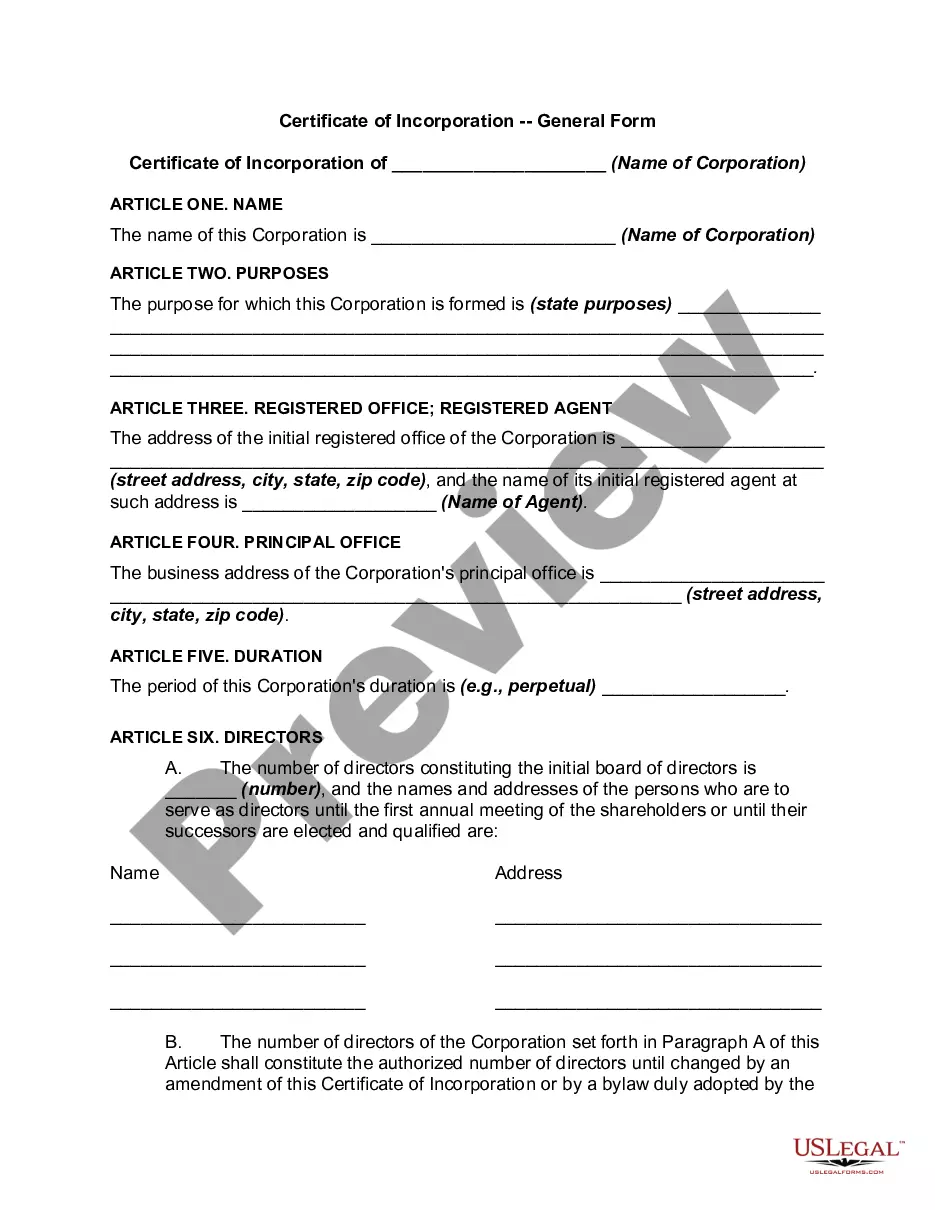
Get your form ready online
Our built-in tools help you complete, sign, share, and store your documents in one place.
Make edits, fill in missing information, and update formatting in US Legal Forms—just like you would in MS Word.
Download a copy, print it, send it by email, or mail it via USPS—whatever works best for your next step.
Sign and collect signatures with our SignNow integration. Send to multiple recipients, set reminders, and more. Go Premium to unlock E-Sign.
If this form requires notarization, complete it online through a secure video call—no need to meet a notary in person or wait for an appointment.
We protect your documents and personal data by following strict security and privacy standards.

Make edits, fill in missing information, and update formatting in US Legal Forms—just like you would in MS Word.

Download a copy, print it, send it by email, or mail it via USPS—whatever works best for your next step.

Sign and collect signatures with our SignNow integration. Send to multiple recipients, set reminders, and more. Go Premium to unlock E-Sign.

If this form requires notarization, complete it online through a secure video call—no need to meet a notary in person or wait for an appointment.

We protect your documents and personal data by following strict security and privacy standards.
Looking for another form?







Form popularity
FAQ
It typically takes 5-6 years to become a corporate officer: Years 1-4: Obtain a bachelor's degree in a relevant field, such as business administration or finance. Years 5-6: Gain the necessary work experience in roles related to management, strategic planning, and financial analysis.
The board of directors appoint the officers of the corporation and should do so on an annual basis. This can be done through a meeting or, if approved unanimously by the board of directors, through a unanimous written consent.
Officers of a corporations can be amended by filing Articles of Amendment with the state of formation. Before doing so the board of directors needs to have a meeting and vote on the new officer to replace the old one, and have it reflected in the minutes of that meeting and entered into the bylaws of the corporation.
In US companies, officers are elected by the board of directors, and usually consist of a president and/or a chief executive officer, one or more vice presidents, a secretary, and a treasurer or chief financial officer. In larger enterprises, there may be many officers each with varying duties and responsibilities.
Corporate officers colloquially refers to the people in a corporation that run the company's daily operations. The corporate officers are chosen by the board of directors.
NRS 78.130(3) provides "All officers must be natural persons and must be chosen in such manner, hold their offices for such terms and have such powers and duties as may be prescribed by the bylaws or determined by the board of directors.
To submit Form SI-100, you may file it online at the California Secretary of State's website or mail it to the Statement of Information Unit at P.O. Box 944230, Sacramento, CA 94244-2300. For in-person submissions, visit the Sacramento office located at 1500 11th Street, Sacramento, CA 95814.
Officers are usually appointed by a corporation's board of directors ing to its internal policies. There are many corporate officer titles, such as Chief Executive Officer (CEO) and Chief Financial Officer (CFO).
In US companies, officers are elected by the board of directors, and usually consist of a president and/or a chief executive officer, one or more vice presidents, a secretary, and a treasurer or chief financial officer. In larger enterprises, there may be many officers each with varying duties and responsibilities.
Officers are appointed by the board of directors during incorporation. The company documents the officers' positions and responsibilities in the corporation's articles, bylaws, or resolutions. It is possible for one employee to fill all positions, providing a range of services to the organization.

