Officers Certificate Example For Government In Nevada
Description

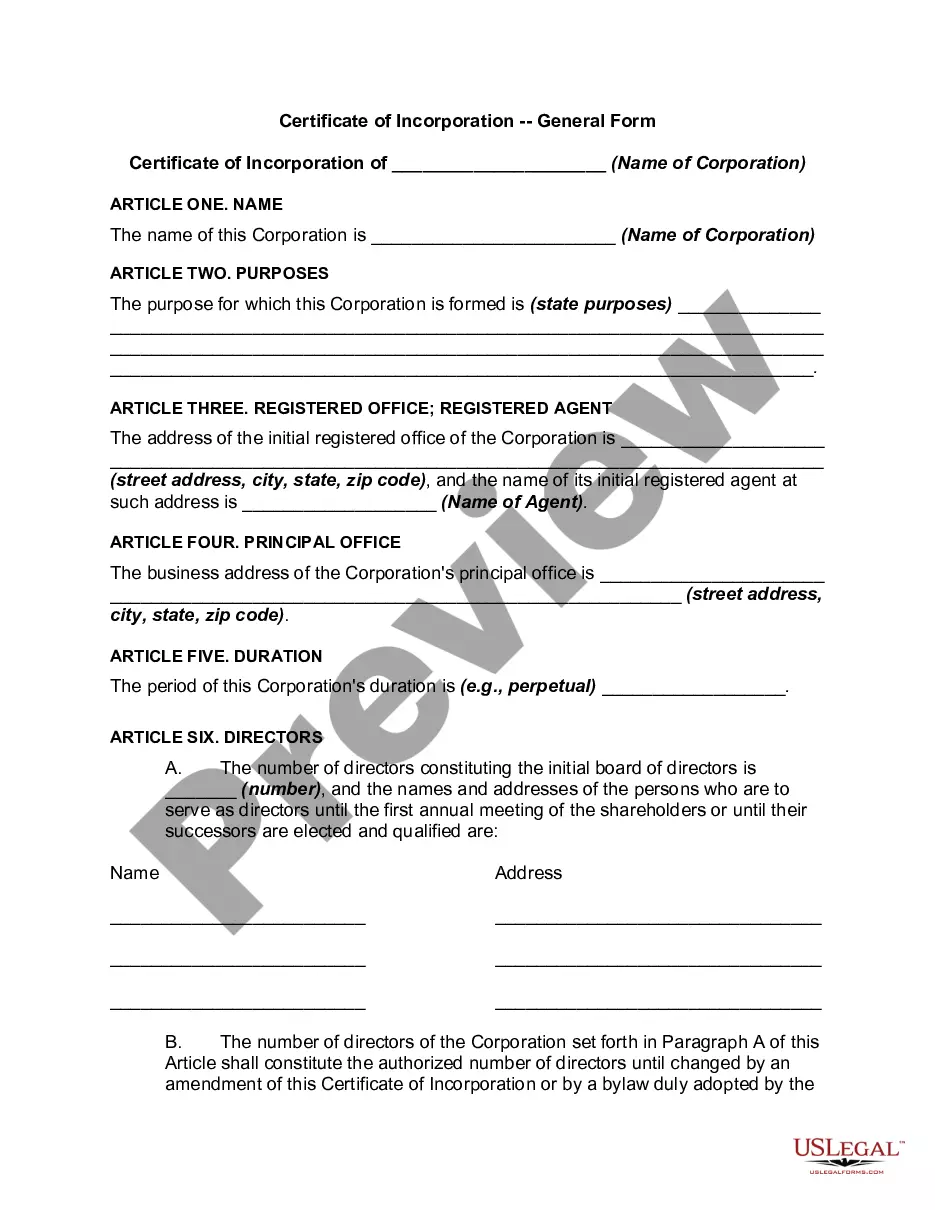
Get your form ready online
Our built-in tools help you complete, sign, share, and store your documents in one place.
Make edits, fill in missing information, and update formatting in US Legal Forms—just like you would in MS Word.
Download a copy, print it, send it by email, or mail it via USPS—whatever works best for your next step.
Sign and collect signatures with our SignNow integration. Send to multiple recipients, set reminders, and more. Go Premium to unlock E-Sign.
If this form requires notarization, complete it online through a secure video call—no need to meet a notary in person or wait for an appointment.
We protect your documents and personal data by following strict security and privacy standards.

Make edits, fill in missing information, and update formatting in US Legal Forms—just like you would in MS Word.

Download a copy, print it, send it by email, or mail it via USPS—whatever works best for your next step.

Sign and collect signatures with our SignNow integration. Send to multiple recipients, set reminders, and more. Go Premium to unlock E-Sign.

If this form requires notarization, complete it online through a secure video call—no need to meet a notary in person or wait for an appointment.

We protect your documents and personal data by following strict security and privacy standards.
Looking for another form?






Form popularity
FAQ
This certificate also goes by other names, including a certificate of existence, status certificate, certificate of authorization, and certificate of status. But “certificate of good standing” is the most common way to refer to the document.
The Importance of a Certificate of Good Standing Some LLCs may never have need for a Certificate of Good Standing, as you typically only need one if an individual, institution, or agency you wish to do business with requires it. While a company can legally conduct business without a Certificate of Good Standing.
As its name implies, a certificate of good standing is a type of business document that shows that you're up to date on all important business marks — for example, that you went through claiming a business name that's registered with the state, authorized to perform business, and current with its fees and filings.
Every corporation must have a president, a secretary and a treasurer, or the equivalent thereof. 2. Every corporation may also have one or more vice presidents, assistant secretaries and assistant treasurers, and such other officers and agents as may be deemed necessary.
Businesses that are incorporated in another state will typically apply for a Nevada certificate of authority. Doing so registers the business as a foreign entity and eliminates the need to incorporate a new entity. Operating without a certificate of authority may result in penalties or fines.
What is an “amended list”? Whenever a company changes its officers, directors, members, or managing members, it is required to file an “amended list of managers or members” to ensure information remains up to date with State of Nevada agencies and in the public records maintained by the Secretary of State.
A certificate of good standing certifies that a company is properly registered with the state, is up to date on all state registration fees and required document filings, and is legally permitted to engage in business activities in the state.
Nevada distinguishes between reinstatement and revival. You may reinstate for five years after the date of involuntary dissolution. You may revive at any time, which is a more severe process. Starting a new company may be simpler and cheaper.
If the voting powers, designations, preferences, limitations, restrictions and relative rights of any class or series of stock have been established by a resolution of the board of directors pursuant to a provision in the articles of incorporation, a certificate of designation setting forth the resolution and stating ...

