Corporation Corporate Officer Forum In Middlesex
Description

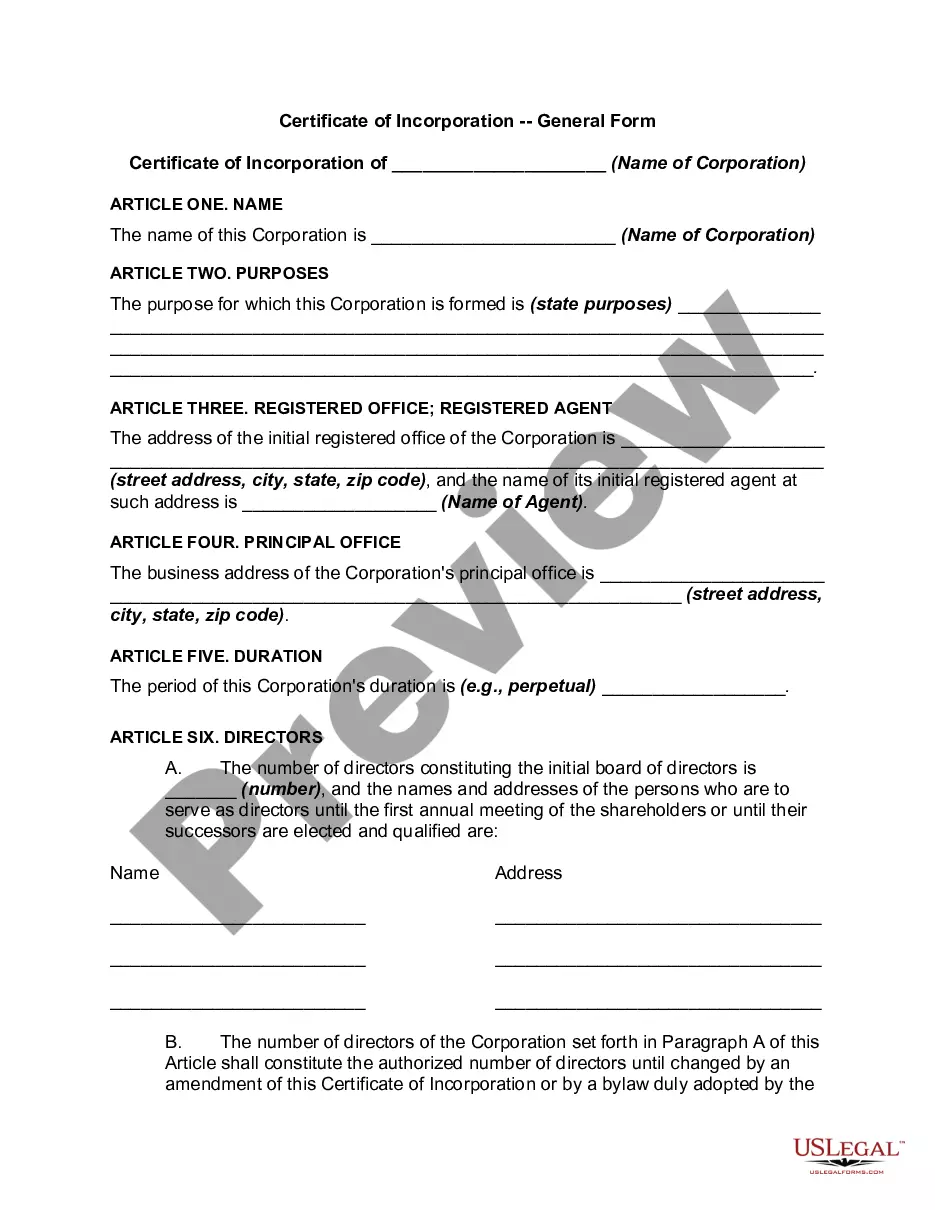
Get your form ready online
Our built-in tools help you complete, sign, share, and store your documents in one place.
Make edits, fill in missing information, and update formatting in US Legal Forms—just like you would in MS Word.
Download a copy, print it, send it by email, or mail it via USPS—whatever works best for your next step.
Sign and collect signatures with our SignNow integration. Send to multiple recipients, set reminders, and more. Go Premium to unlock E-Sign.
If this form requires notarization, complete it online through a secure video call—no need to meet a notary in person or wait for an appointment.
We protect your documents and personal data by following strict security and privacy standards.

Make edits, fill in missing information, and update formatting in US Legal Forms—just like you would in MS Word.

Download a copy, print it, send it by email, or mail it via USPS—whatever works best for your next step.

Sign and collect signatures with our SignNow integration. Send to multiple recipients, set reminders, and more. Go Premium to unlock E-Sign.

If this form requires notarization, complete it online through a secure video call—no need to meet a notary in person or wait for an appointment.

We protect your documents and personal data by following strict security and privacy standards.
Looking for another form?



Form popularity
FAQ
1. Chief executive officer (CEO) The chief executive officer is the top ranking officer of a corporation, reporting directly to the board of directors. Acting as the link between the directors and staff, the CEO guides the company's daily operations.
Within the corporate office or corporate center of a corporation, some corporations have a chairman and chief executive officer (CEO) as the top-ranking executive, while the number two is the president and chief operating officer (COO); other corporations have a president and CEO but no official deputy.
A traditional business hierarchy includes an organizational structure with the board of directors at the top, followed by the CEO, other chief executives, vice presidents, directors, managers and lower-level employees. In this hierarchal structure, the dissemination of important information occurs from the top down.
An “officer” of a company includes the following: (i) a director; (ii) a general manager; (iii) general business manager; (iv) vice general manager; (v) Assistant general manager; (vi) Any person who fills one of the above roles in the company, even if his title is different; (vi) Any other manager who reports directly ...
There are sources and tools that may be helpful for finding information about officers and directors, and to a limited degree those lower on the corporate hierarchy. Company Web Pages. This should be the first stop for anyone researching the executives and directors. SEC Filings. LinkedIn. The Internet. Articles.
The corporate officers are high-level management executives. They have responsibility for carrying out the board's initiatives and policies through their day-to-day decisions and management of the company. Unless prohibited by the corporation's bylaws or state law, officers may also be shareholders or directors.
Corporate officers colloquially refers to the people in a corporation that run the company's daily operations. The corporate officers are chosen by the board of directors.
In US companies, officers are elected by the board of directors, and usually consist of a president and/or a chief executive officer, one or more vice presidents, a secretary, and a treasurer or chief financial officer. In larger enterprises, there may be many officers each with varying duties and responsibilities.
Officers & Directors Company Web Pages. This should be the first stop for anyone researching the executives and directors. SEC Filings. The Proxy (or DEF14A) is the annual filing that goes with the 10K that lists the officers and directors. LinkedIn. The Internet. Articles.
Corporate officers are elected by the board of directors. Their job is to manage the daily activities of the corporation. Officers can sit on the board of directors.
