Corporation Corporate Officer For Micro Manufacturing Company In Middlesex
Description

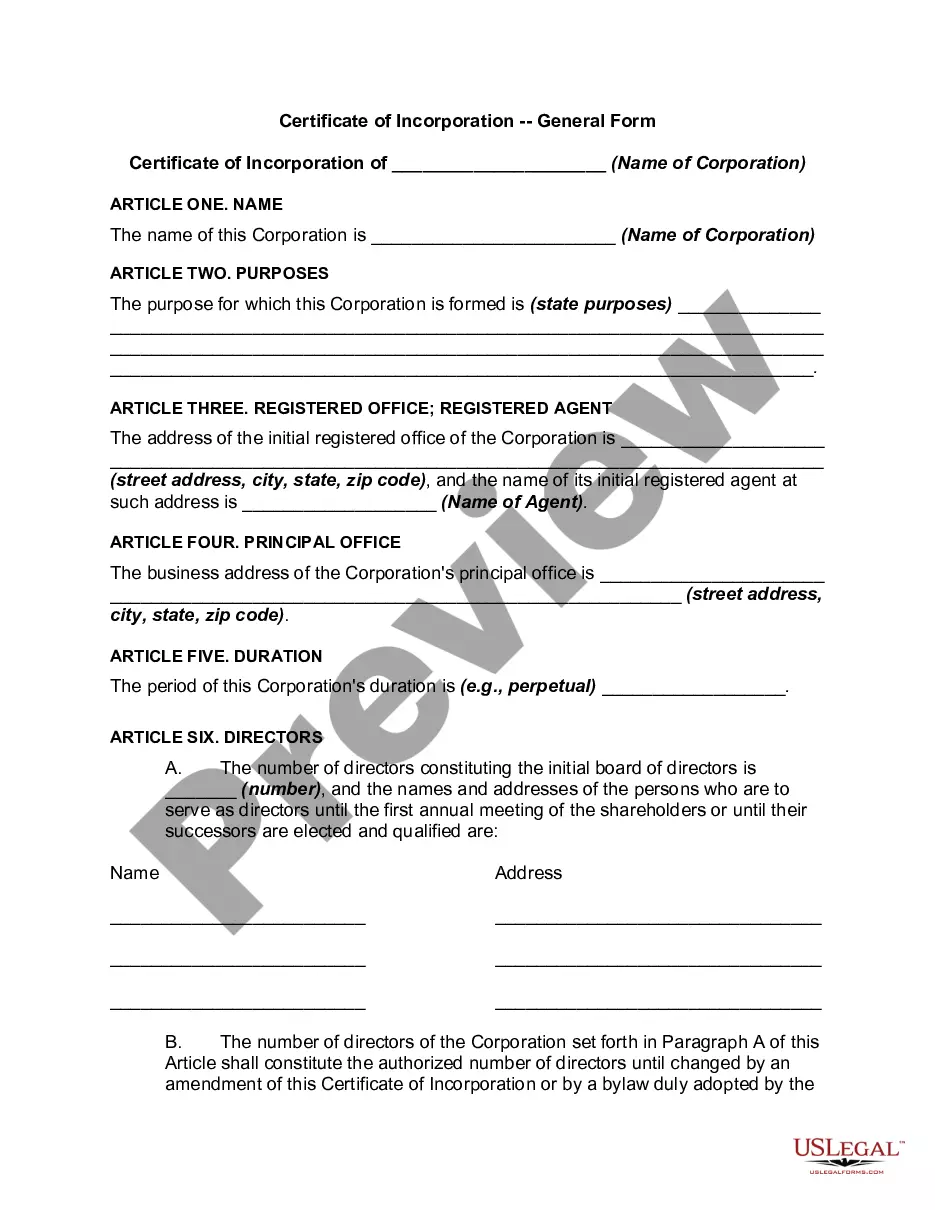
Get your form ready online
Our built-in tools help you complete, sign, share, and store your documents in one place.
Make edits, fill in missing information, and update formatting in US Legal Forms—just like you would in MS Word.
Download a copy, print it, send it by email, or mail it via USPS—whatever works best for your next step.
Sign and collect signatures with our SignNow integration. Send to multiple recipients, set reminders, and more. Go Premium to unlock E-Sign.
If this form requires notarization, complete it online through a secure video call—no need to meet a notary in person or wait for an appointment.
We protect your documents and personal data by following strict security and privacy standards.

Make edits, fill in missing information, and update formatting in US Legal Forms—just like you would in MS Word.

Download a copy, print it, send it by email, or mail it via USPS—whatever works best for your next step.

Sign and collect signatures with our SignNow integration. Send to multiple recipients, set reminders, and more. Go Premium to unlock E-Sign.

If this form requires notarization, complete it online through a secure video call—no need to meet a notary in person or wait for an appointment.

We protect your documents and personal data by following strict security and privacy standards.
Looking for another form?


Form popularity
FAQ
Separate Legal Existence. Ability to Acquire Capital. Limited Liability of Stockholders. Corporate managment.
Although actual requirements can vary depending on the state, they typically involve the following: Select a state of incorporation. Choose a business name. File incorporation paperwork. Appoint a registered agent. Prepare corporate bylaws. Draft a shareholders' agreement. Hold the first board meeting. Get an EIN.
Directors's resolutions are documents approving other documents necessary for the start-up for the business. Bylaws, articles of incorporation, officer election, approval of lines of credit, authorization of stock issuance, and authorization of business commencement are all part of directors' resolutions.
Both types of entities have the significant legal advantage of helping to protect assets from creditors and providing an extra layer of protection against legal liability. In general, the creation and management of an LLC are much easier and more flexible than that of a corporation.
(1) It is an artificial being; (2) Created by operation of law; (3) With right of succession; (4) Has the powers, attributes, and properties as expressly authorized by law or incident to its existence.
A distinguishing characteristic of a corporation is limited liability. Its shareholders profit through dividends and stock appreciation, but they are not personally liable for the company's debts. Almost all large businesses are corporations, including Microsoft Corporation and the Coca-Cola Company.
To start your own corporation, you must take these essential steps, including registering your business, appointing a board, creating bylaws, and issuing shares. Step 1: Choose a Name for Your Corporation. Step 2: File Articles of Incorporation. Step 3: Appoint Corporate Directors. Step 4: Draft the Bylaws.
The most common forms of business are the sole proprietorship, partnership, corporation, and S corporation. A limited liability company (LLC) is a business structure allowed by state statute. Legal and tax considerations enter into selecting a business structure.
How does a company appoint its officers? Officers are appointed by the board of directors during incorporation. The company documents the officers' positions and responsibilities in the corporation's articles, bylaws, or resolutions.
The board of directors appoints the officers of a corporation ing to company bylaws. The directors determine each officer's compensation and outline detailed responsibilities in employment contracts.

