Corporation Corporate Officer Format In Harris
Description

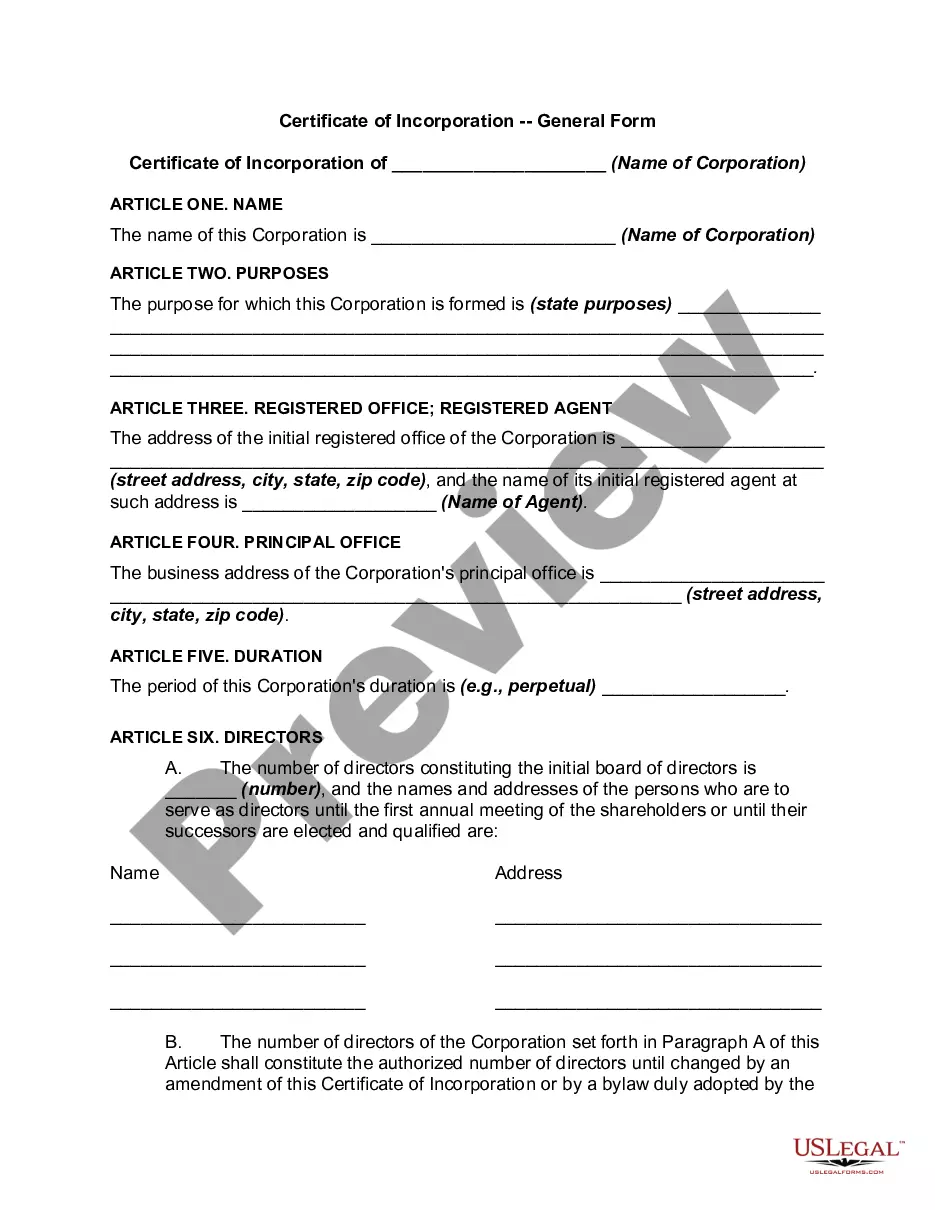
Get your form ready online
Our built-in tools help you complete, sign, share, and store your documents in one place.
Make edits, fill in missing information, and update formatting in US Legal Forms—just like you would in MS Word.
Download a copy, print it, send it by email, or mail it via USPS—whatever works best for your next step.
Sign and collect signatures with our SignNow integration. Send to multiple recipients, set reminders, and more. Go Premium to unlock E-Sign.
If this form requires notarization, complete it online through a secure video call—no need to meet a notary in person or wait for an appointment.
We protect your documents and personal data by following strict security and privacy standards.

Make edits, fill in missing information, and update formatting in US Legal Forms—just like you would in MS Word.

Download a copy, print it, send it by email, or mail it via USPS—whatever works best for your next step.

Sign and collect signatures with our SignNow integration. Send to multiple recipients, set reminders, and more. Go Premium to unlock E-Sign.

If this form requires notarization, complete it online through a secure video call—no need to meet a notary in person or wait for an appointment.

We protect your documents and personal data by following strict security and privacy standards.
Looking for another form?





Form popularity
FAQ
As an LLC, your company may decide to appoint corporate officers, such as a president, vice president, or treasurer to handle certain jobs or tasks within the company.
An “officer” of a company includes the following: (i) a director; (ii) a general manager; (iii) general business manager; (iv) vice general manager; (v) Assistant general manager; (vi) Any person who fills one of the above roles in the company, even if his title is different; (vi) Any other manager who reports directly ...
The Texas Business Organizations Code requires that for-profit corporations and professional corporations have at least one director, one president, and one secretary. A single person can be the president, secretary, sole director, and sole shareholder.
Usually, the bylaws will provide for several corporate officers. The most common are the president, vice president, secretary and treasurer. The president usually makes decisions of corporate policy and operations. The vice president assumes the president's functions in his or her absence.
The corporate officers are high-level management executives. They have responsibility for carrying out the board's initiatives and policies through their day-to-day decisions and management of the company. Unless prohibited by the corporation's bylaws or state law, officers may also be shareholders or directors.
In US companies, officers are elected by the board of directors, and usually consist of a president and/or a chief executive officer, one or more vice presidents, a secretary, and a treasurer or chief financial officer. In larger enterprises, there may be many officers each with varying duties and responsibilities.
Corporate officers are appointed to handle the essential daily operations of a company. They oversee different areas of business and help inform high-level business decisions.
In general, the duties of each officer are set forth in the bylaws or, to the extent consistent with the bylaws, are prescribed by the board of directors. Usually, the bylaws will provide for several corporate officers. The most common are the president, vice president, secretary and treasurer.
Chief Executive Officer (CEO): Usually the highest ranking member of an organization, the LLC CEO has general management powers and dictates the company's vision.
Some choices for a single-member LLC title are “Owner,” “President,” or “CEO” (Chief Executive Officer). For multi-member LLCs, you might use other corporate titles for LLC owners. These titles can include a COO (Chief Operating Officer) and CFO (Chief Financial Officer).

