Shares Resolutions With Ai In Chicago
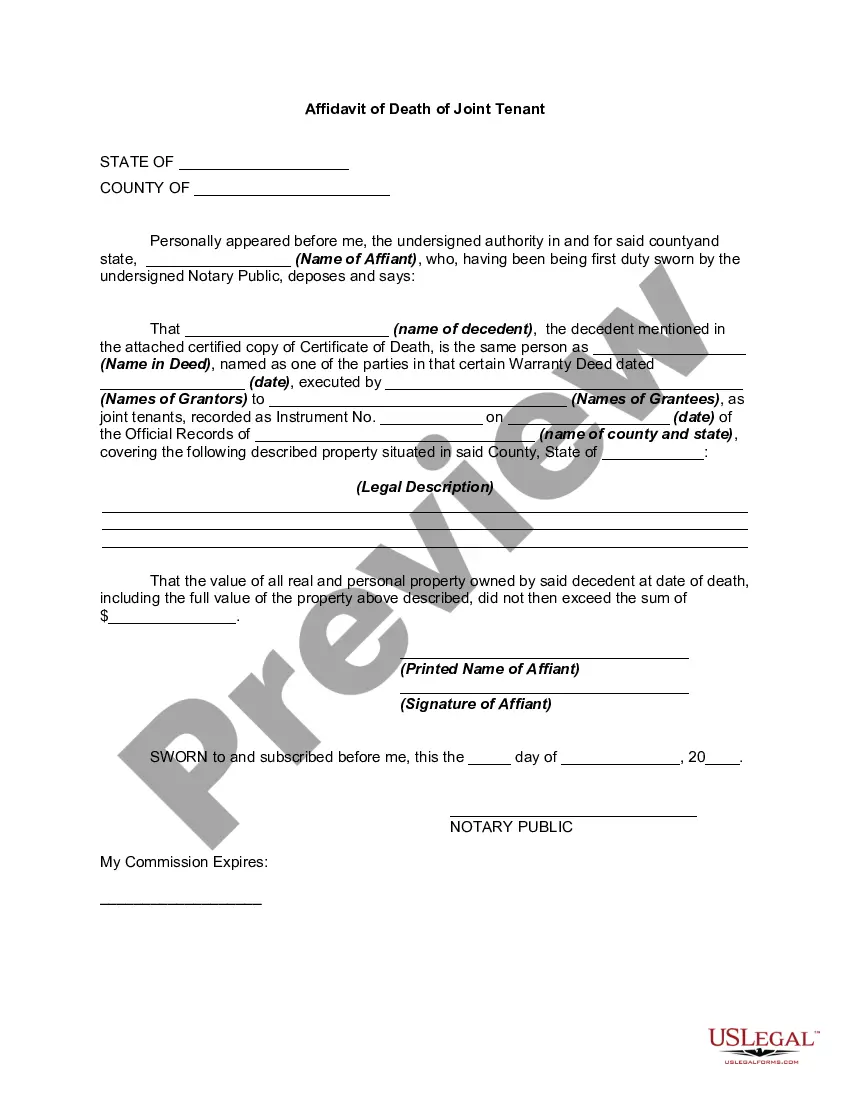
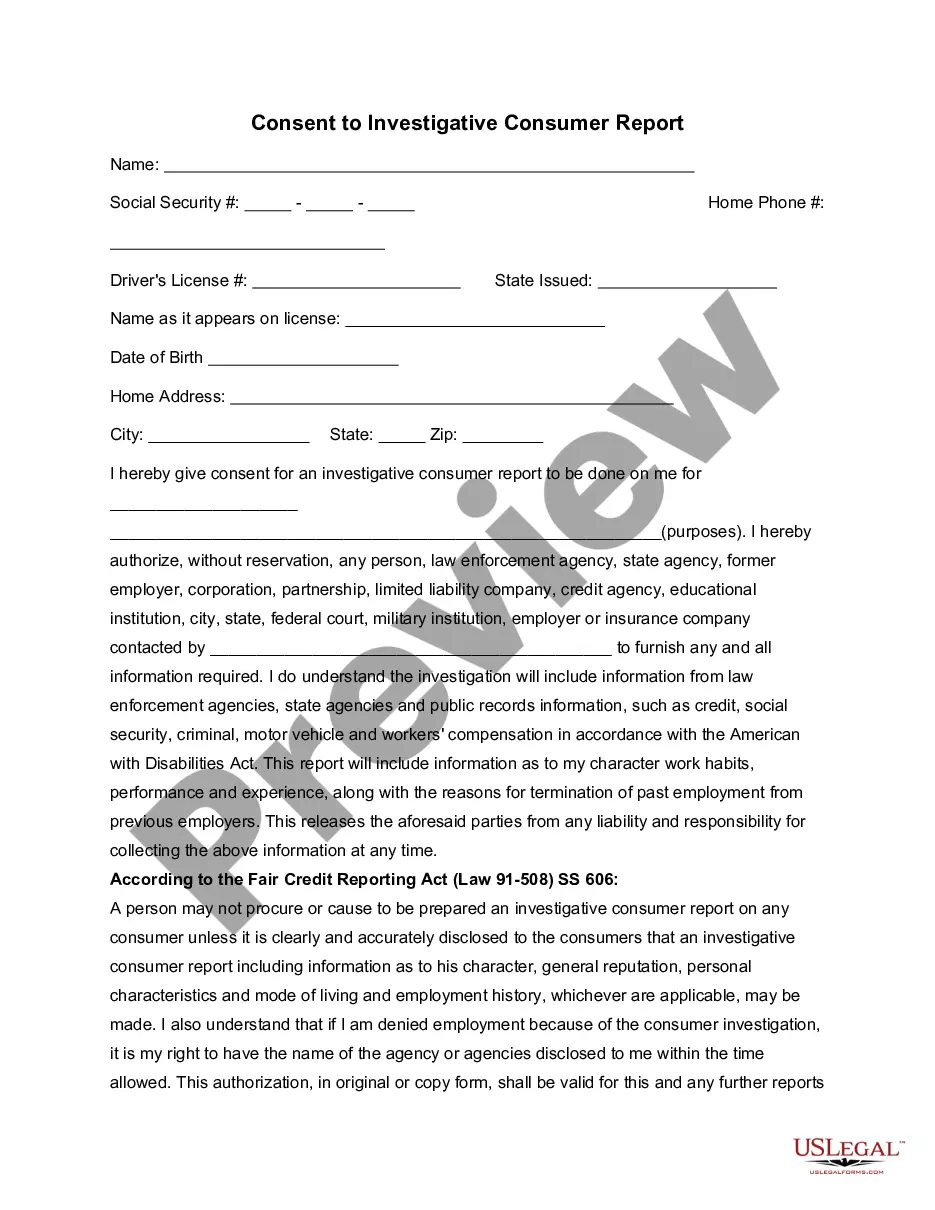
Description

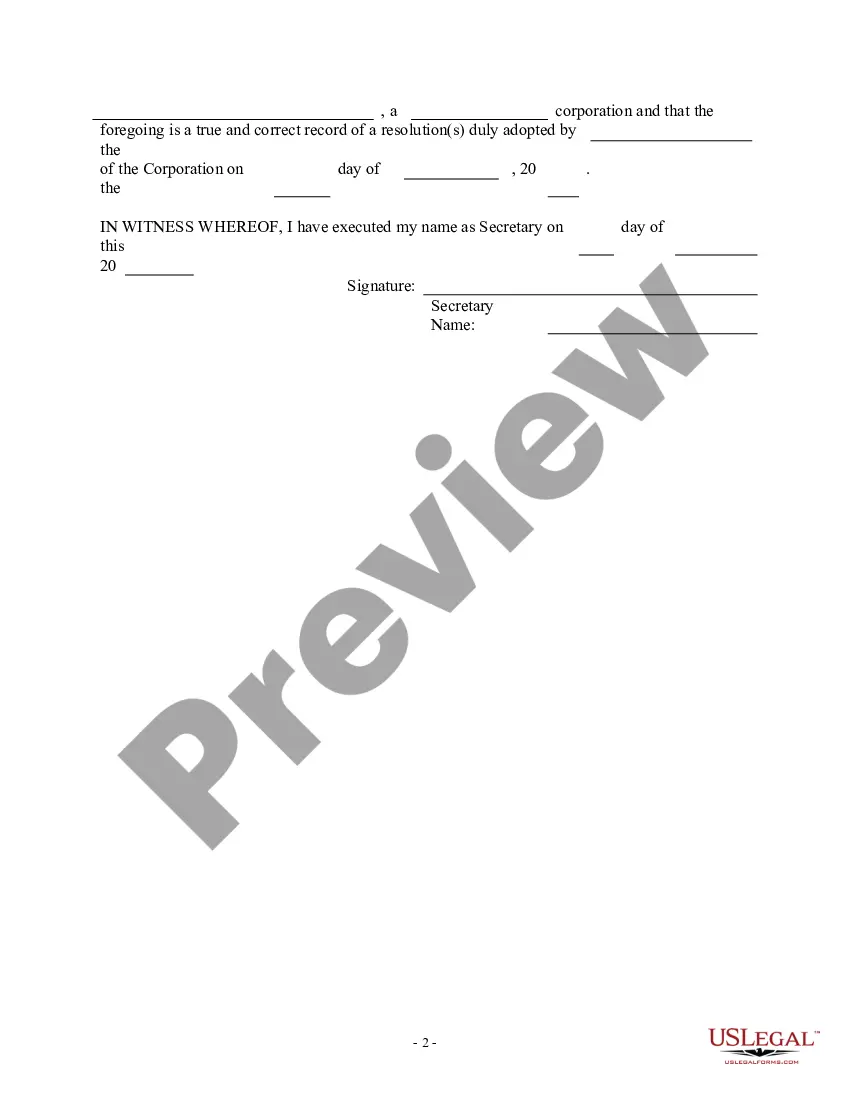

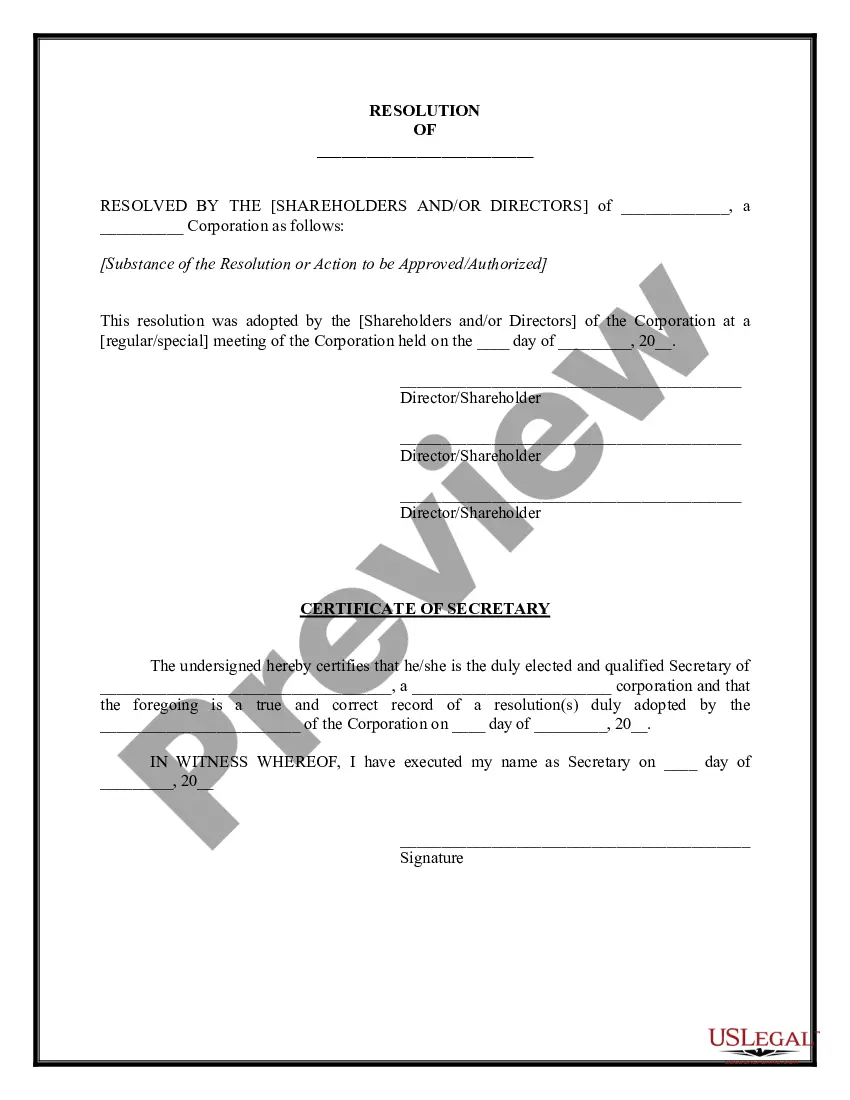
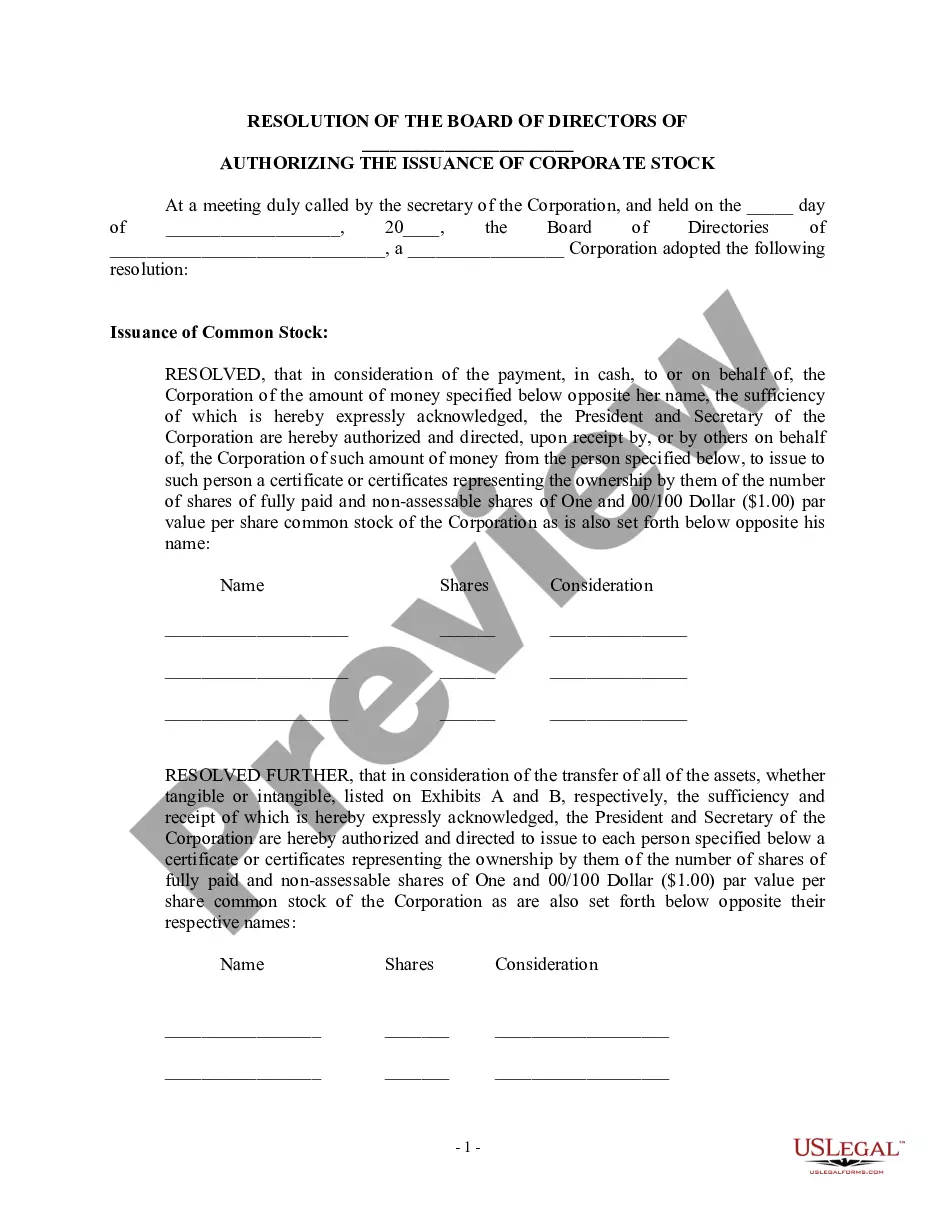
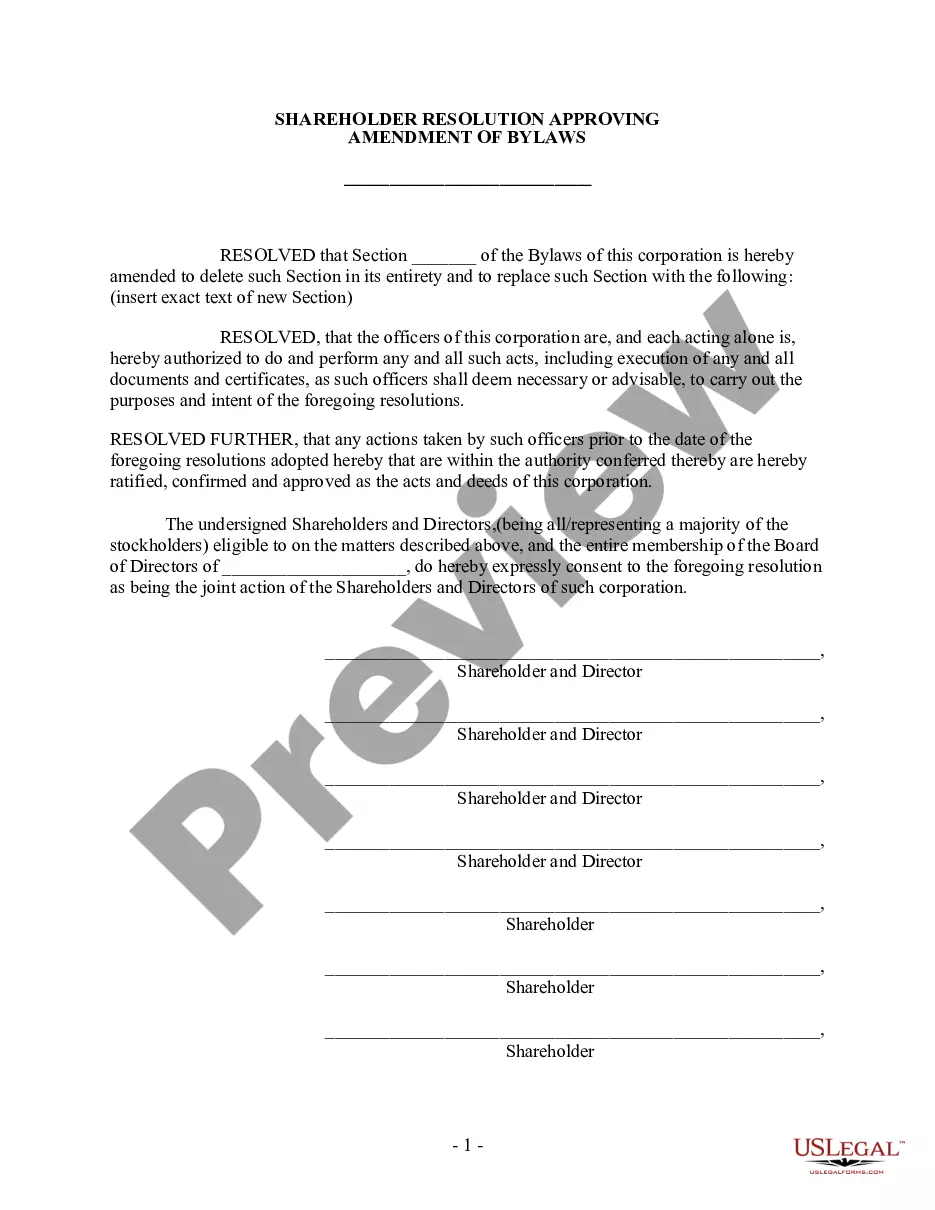
Get your form ready online
Our built-in tools help you complete, sign, share, and store your documents in one place.
Make edits, fill in missing information, and update formatting in US Legal Forms—just like you would in MS Word.
Download a copy, print it, send it by email, or mail it via USPS—whatever works best for your next step.
Sign and collect signatures with our SignNow integration. Send to multiple recipients, set reminders, and more. Go Premium to unlock E-Sign.
If this form requires notarization, complete it online through a secure video call—no need to meet a notary in person or wait for an appointment.
We protect your documents and personal data by following strict security and privacy standards.

Make edits, fill in missing information, and update formatting in US Legal Forms—just like you would in MS Word.

Download a copy, print it, send it by email, or mail it via USPS—whatever works best for your next step.

Sign and collect signatures with our SignNow integration. Send to multiple recipients, set reminders, and more. Go Premium to unlock E-Sign.

If this form requires notarization, complete it online through a secure video call—no need to meet a notary in person or wait for an appointment.

We protect your documents and personal data by following strict security and privacy standards.
Looking for another form?




Form popularity
FAQ
In short: AI systems for certain uses will be prohibited. Certain AI systems will be designated as high-risk AI systems (HRAIS) and subject to extensive obligations, especially for providers. There will be specific provisions governing general purpose AI (GPAI) models. Other AI systems are considered low risk.
The United States is working to ensure AI technologies are developed responsibly and used as a force for good, helping to make Americans and people around the world safer, more secure and more prosperous.
The new provision requires employers to notify an employee when it uses AI in “recruitment, hiring, promotion, renewal of employment, selection for training or apprenticeship, discharge, discipline, tenure, or the terms, privileges, or conditions of employment.” The Act provides no detail about what specific types of ...
In August, Illinois Governor J.B. Pritzker signed a bill making AI-generated child illegal. The law covers both deeps and "purported children," meaning that any obscene imagery involving what looks like a child can qualify as child ography.
Effective January 1, 2026, amendments to Article 5, Section 2 of the Illinois Human Rights Act (the "IHRA") will prohibit employers from using AI that subjects employees to discrimination on the basis of a protected class.
The new provision requires employers to notify an employee when it uses AI in “recruitment, hiring, promotion, renewal of employment, selection for training or apprenticeship, discharge, discipline, tenure, or the terms, privileges, or conditions of employment.” The Act provides no detail about what specific types of ...
Many companies have incorporated AI technology into their consumer-facing software platforms to provide a more personalized experience. AI can analyze a consumer's past behavior and use that information to provide unique individualized recommendations. This helps improve customer engagement and builds brand loyalty.
Effective January 1, 2026, amendments to Article 5, Section 2 of the Illinois Human Rights Act (the "IHRA") will prohibit employers from using AI that subjects employees to discrimination on the basis of a protected class.
AI-based mediation uses advanced algorithms to help resolve conflicts between parties. These algorithms analyze vast amounts of data to identify patterns and suggest solutions. However, AI cannot replace the interpersonal approach and creative problem-solving skills of human mediators.
AI tools must not be listed as an author. Authors must, however, acknowledge all sources and contributors included in their work. Where AI tools are used, such use must be acknowledged and documented appropriately."
