Corporation Corporate Officer With No Experience In Fulton
Description

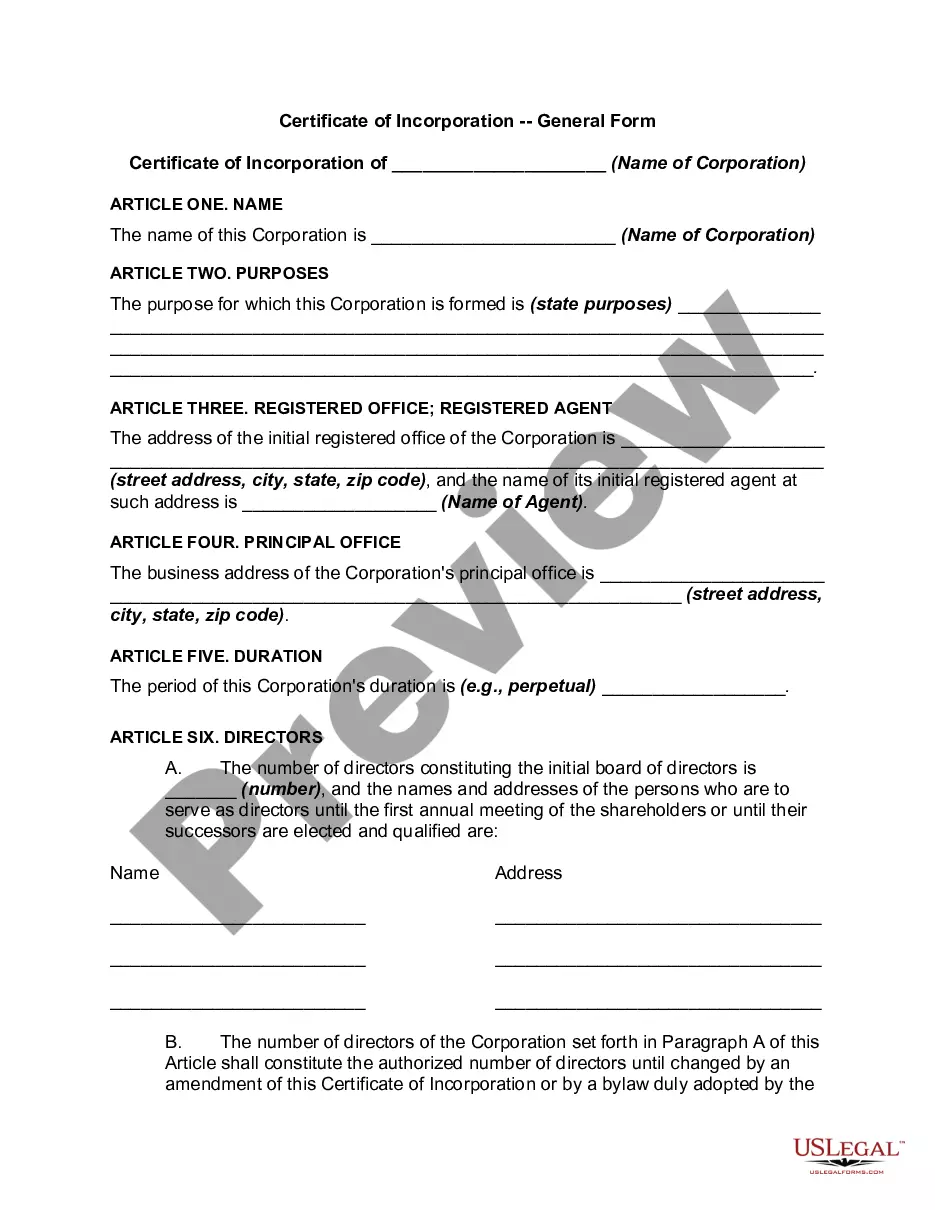
Get your form ready online
Our built-in tools help you complete, sign, share, and store your documents in one place.
Make edits, fill in missing information, and update formatting in US Legal Forms—just like you would in MS Word.
Download a copy, print it, send it by email, or mail it via USPS—whatever works best for your next step.
Sign and collect signatures with our SignNow integration. Send to multiple recipients, set reminders, and more. Go Premium to unlock E-Sign.
If this form requires notarization, complete it online through a secure video call—no need to meet a notary in person or wait for an appointment.
We protect your documents and personal data by following strict security and privacy standards.

Make edits, fill in missing information, and update formatting in US Legal Forms—just like you would in MS Word.

Download a copy, print it, send it by email, or mail it via USPS—whatever works best for your next step.

Sign and collect signatures with our SignNow integration. Send to multiple recipients, set reminders, and more. Go Premium to unlock E-Sign.

If this form requires notarization, complete it online through a secure video call—no need to meet a notary in person or wait for an appointment.

We protect your documents and personal data by following strict security and privacy standards.
Looking for another form?


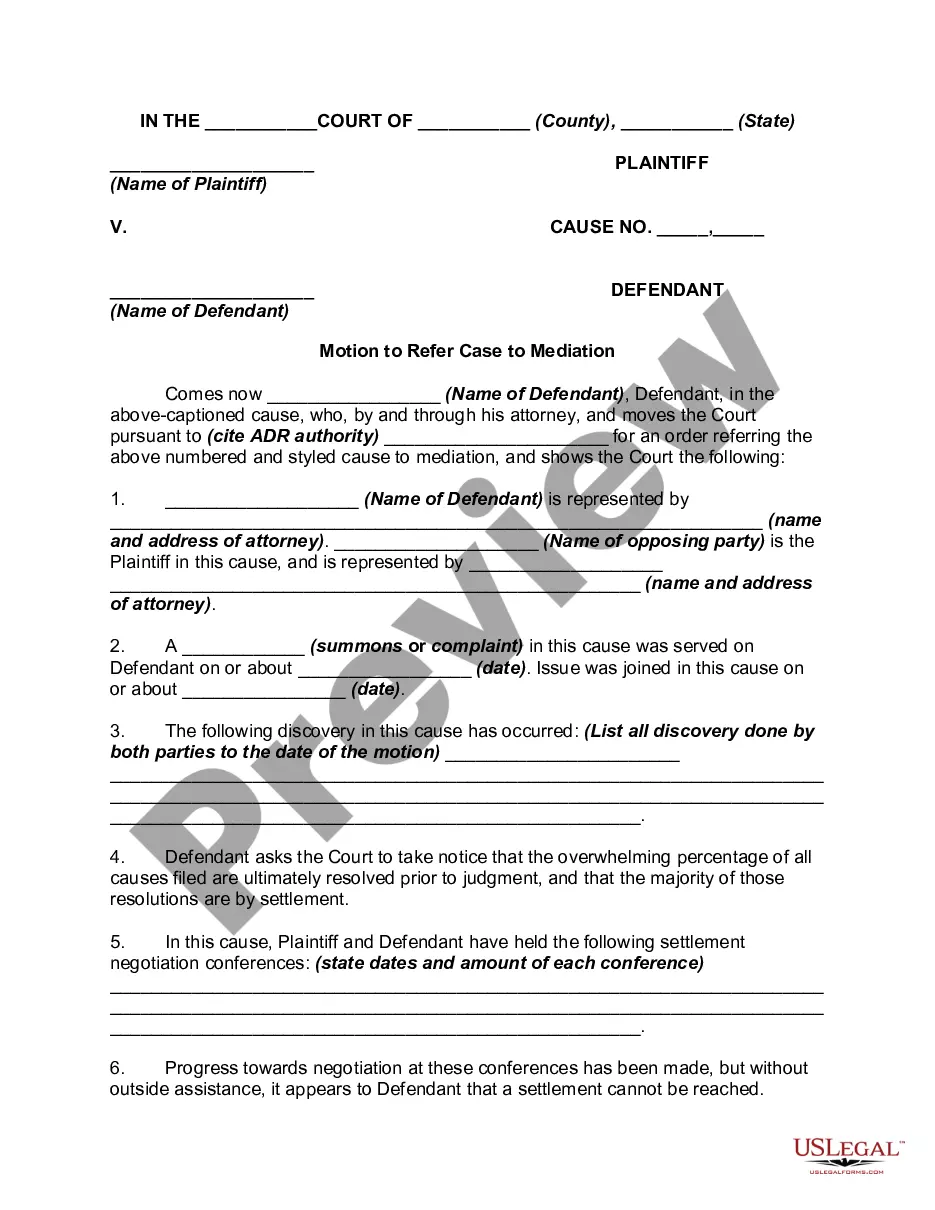






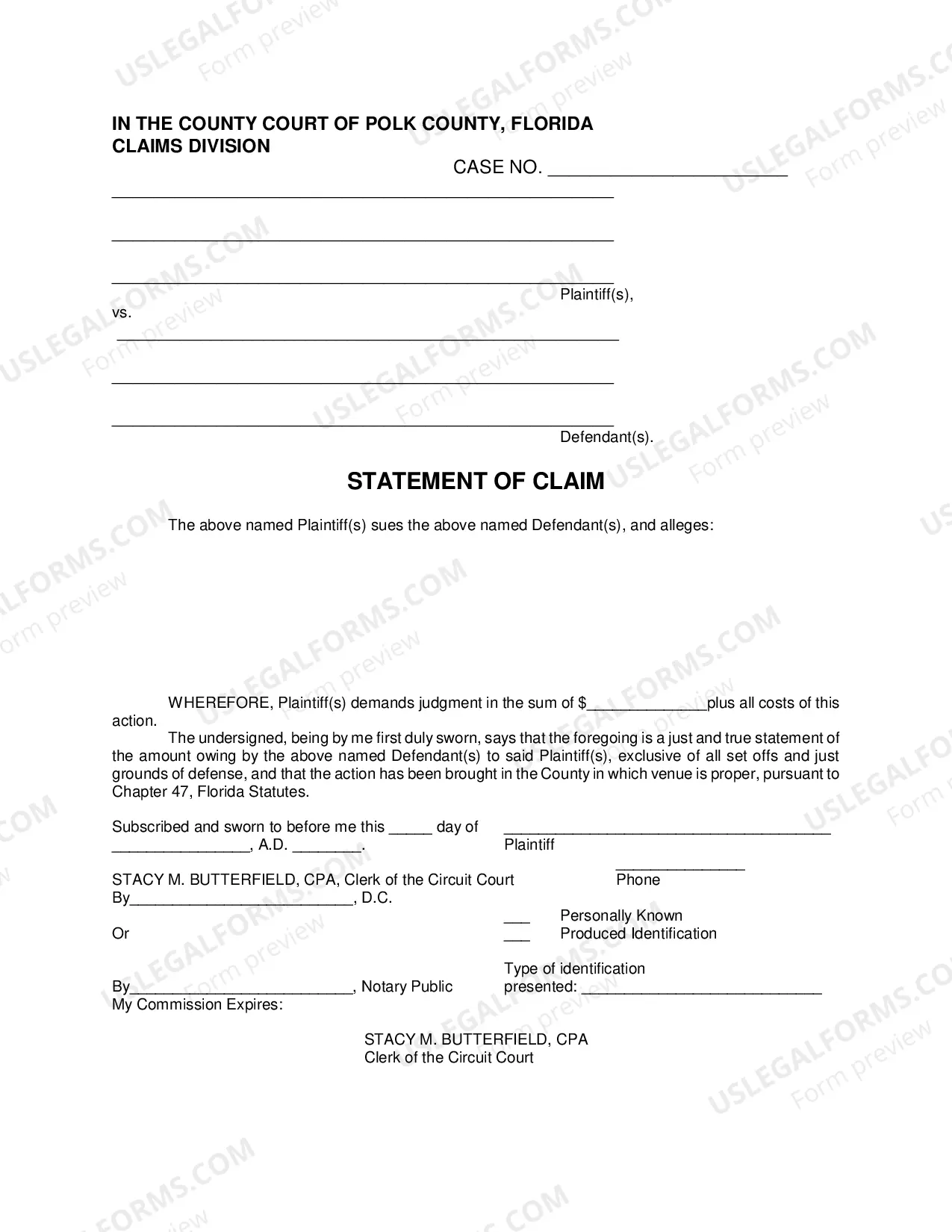
Form popularity
FAQ
You may apply these tips and examples to in-person jobs, remote roles, or positions in any industry. Aim for entry-level positions. Tailor your resume. Highlight your transferable skills. Emphasize your education and extracurriculars. Build experience by interning, volunteering, or doing it yourself. Build a network.
Directors are elected by shareholders and are the highest level of governance in a corporation. They oversee the company and set goals for staff to meet. Officers are appointed by the directors and carry out the day-to-day operations of the business on behalf of the company.
Officers are appointed by the board of directors during incorporation. The company documents the officers' positions and responsibilities in the corporation's articles, bylaws, or resolutions. It is possible for one employee to fill all positions, providing a range of services to the organization.
Corporate officers are elected by the board of directors. Their job is to manage the daily activities of the corporation. Officers can sit on the board of directors.
Officers are usually appointed by a corporation's board of directors ing to its internal policies. There are many corporate officer titles, such as Chief Executive Officer (CEO) and Chief Financial Officer (CFO).
The officers of a corporation are in executive-level roles. Unlike regular employees of a company, officers are formally appointed or elected by the board of directors ing to company bylaws.
When corporate officers perform a service for the corporation and receive or are entitled to payments, those payments are considered wages. The fact that an officer is also a shareholder does not change this requirement.
Corporate officers colloquially refers to the people in a corporation that run the company's daily operations. The corporate officers are chosen by the board of directors.
Unless the corporation's Articles of Incorporation provide otherwise, a director is not required to be a shareholder of the corporation. In addition, certain jurisdictions require a director to be a Canadian resident - see below. Majority of directors must be Canadian residents. 4.
Steps to forming a corporation Select a state of incorporation. Choose a business name. File incorporation paperwork. Appoint a registered agent. Prepare corporate bylaws. Draft a shareholders' agreement. Hold the first board meeting. Get an EIN.

