Corporation Corporate Officer For Llc In Fulton
Description

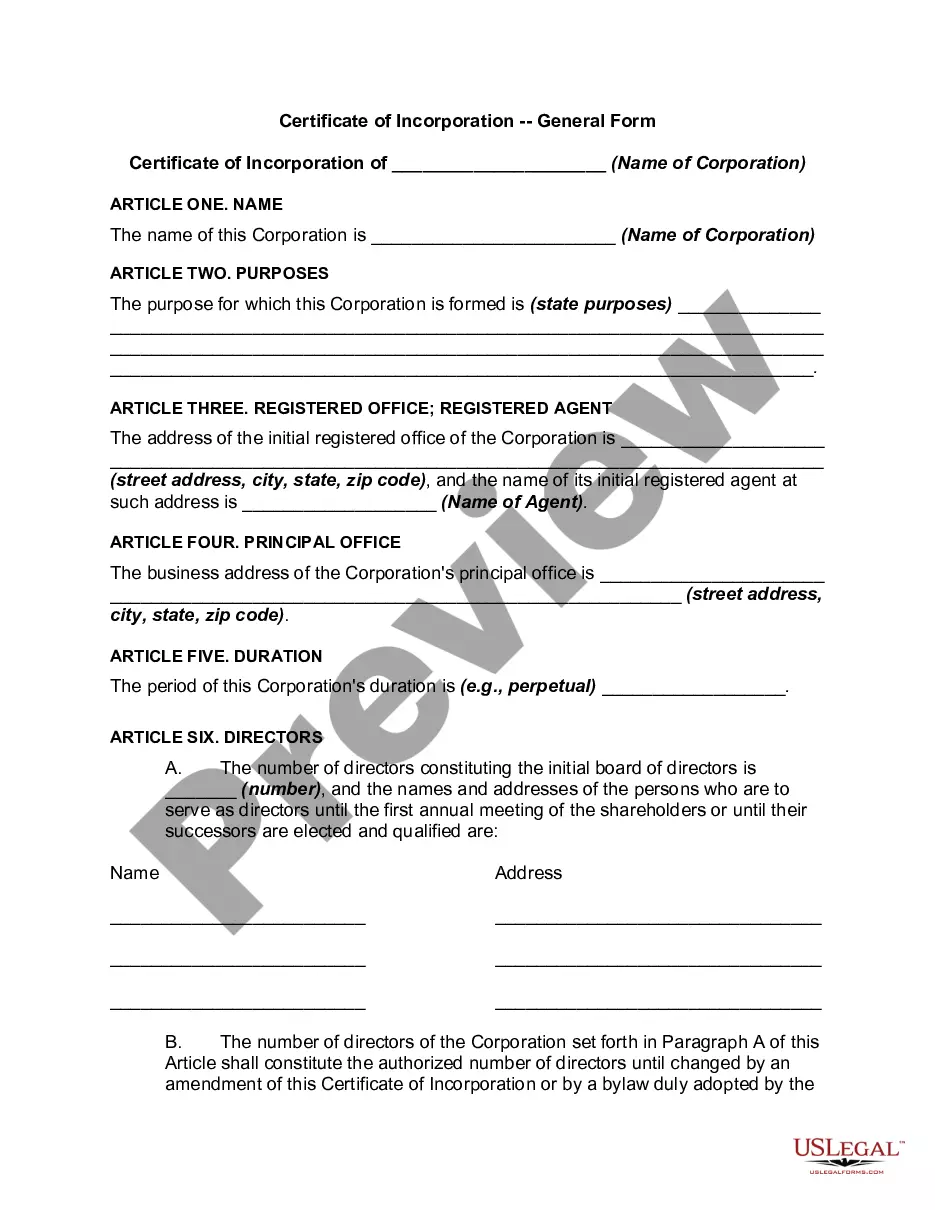
Get your form ready online
Our built-in tools help you complete, sign, share, and store your documents in one place.
Make edits, fill in missing information, and update formatting in US Legal Forms—just like you would in MS Word.
Download a copy, print it, send it by email, or mail it via USPS—whatever works best for your next step.
Sign and collect signatures with our SignNow integration. Send to multiple recipients, set reminders, and more. Go Premium to unlock E-Sign.
If this form requires notarization, complete it online through a secure video call—no need to meet a notary in person or wait for an appointment.
We protect your documents and personal data by following strict security and privacy standards.

Make edits, fill in missing information, and update formatting in US Legal Forms—just like you would in MS Word.

Download a copy, print it, send it by email, or mail it via USPS—whatever works best for your next step.

Sign and collect signatures with our SignNow integration. Send to multiple recipients, set reminders, and more. Go Premium to unlock E-Sign.

If this form requires notarization, complete it online through a secure video call—no need to meet a notary in person or wait for an appointment.

We protect your documents and personal data by following strict security and privacy standards.
Looking for another form?




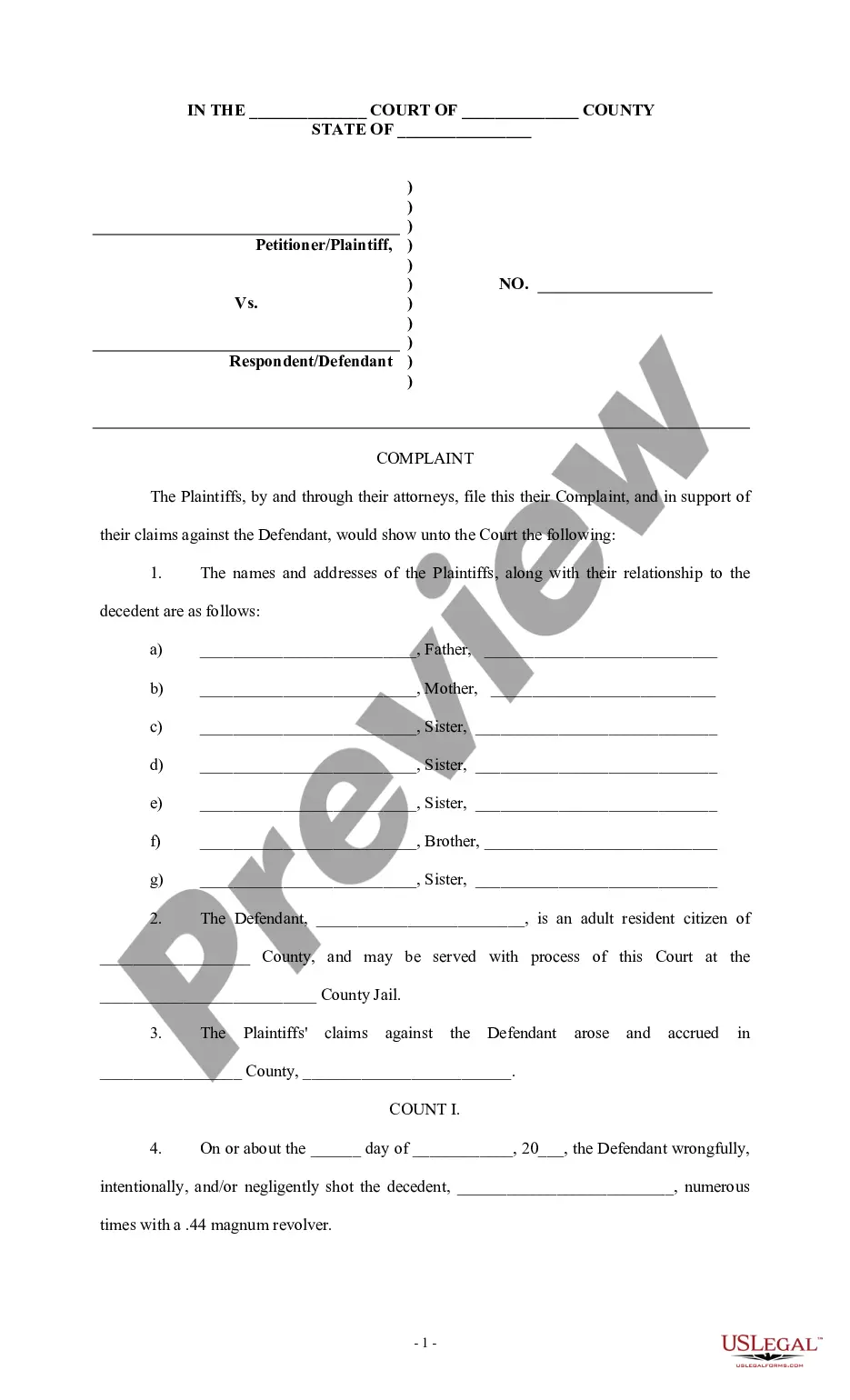


Form popularity
FAQ
LLC Members: A Look at Ownership Structures At a minimum, an LLC needs one Member, known as a “single-member LLC.” For this kind of LLC, the Operating Agreement says that the sole LLC Member owns and controls everything.
Some choices for a single-member LLC title are “Owner,” “President,” or “CEO” (Chief Executive Officer). For multi-member LLCs, you might use other corporate titles for LLC owners. These titles can include a COO (Chief Operating Officer) and CFO (Chief Financial Officer).
Domestic and foreign limited liability companies (LLCs) are required by Section 301(e) of the Limited Liability Company Law to file a Biennial Statement every two years with the New York Department of State setting forth the address to which the New York Secretary of State shall mail a copy of any process accepted on ...
Corporate officers colloquially refers to the people in a corporation that run the company's daily operations.
Chief Executive Officer (CEO): Usually the highest ranking member of an organization, the LLC CEO has general management powers and dictates the company's vision.
To find the organizing members of an LLC, the LLC owners, instead of finding the registered agent, you will have to look up the LLC's articles of organization with the office of the Sec. of State in the state the business was formed. In most states this can be done through the local Sec. of State website.
As an LLC, your company may decide to appoint corporate officers, such as a president, vice president, or treasurer to handle certain jobs or tasks within the company.
1. Chief executive officer (CEO) The chief executive officer is the top ranking officer of a corporation, reporting directly to the board of directors. Acting as the link between the directors and staff, the CEO guides the company's daily operations.
If you're a single-member LLC, the short answer is no, you do not need to have a board of directors (or any one of related matters that are unnecessary), and even in a two-member LLC, a board of directors is usually unnecessary.

