Corporation Corporate Officer Format
Description

Get your form ready online
Our built-in tools help you complete, sign, share, and store your documents in one place.
Make edits, fill in missing information, and update formatting in US Legal Forms—just like you would in MS Word.
Download a copy, print it, send it by email, or mail it via USPS—whatever works best for your next step.
Sign and collect signatures with our SignNow integration. Send to multiple recipients, set reminders, and more. Go Premium to unlock E-Sign.
If this form requires notarization, complete it online through a secure video call—no need to meet a notary in person or wait for an appointment.
We protect your documents and personal data by following strict security and privacy standards.

Make edits, fill in missing information, and update formatting in US Legal Forms—just like you would in MS Word.

Download a copy, print it, send it by email, or mail it via USPS—whatever works best for your next step.

Sign and collect signatures with our SignNow integration. Send to multiple recipients, set reminders, and more. Go Premium to unlock E-Sign.

If this form requires notarization, complete it online through a secure video call—no need to meet a notary in person or wait for an appointment.

We protect your documents and personal data by following strict security and privacy standards.
Looking for another form?

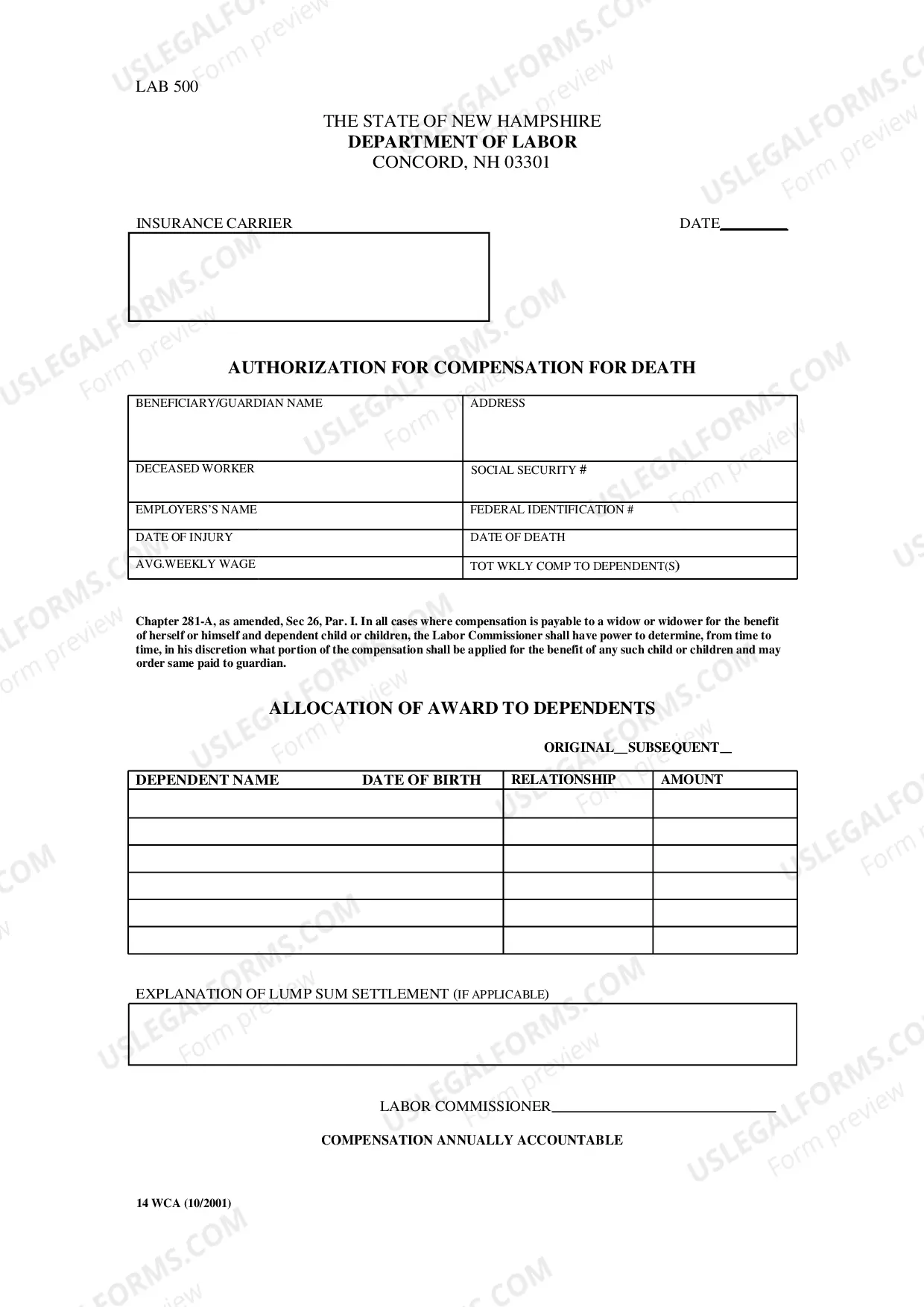
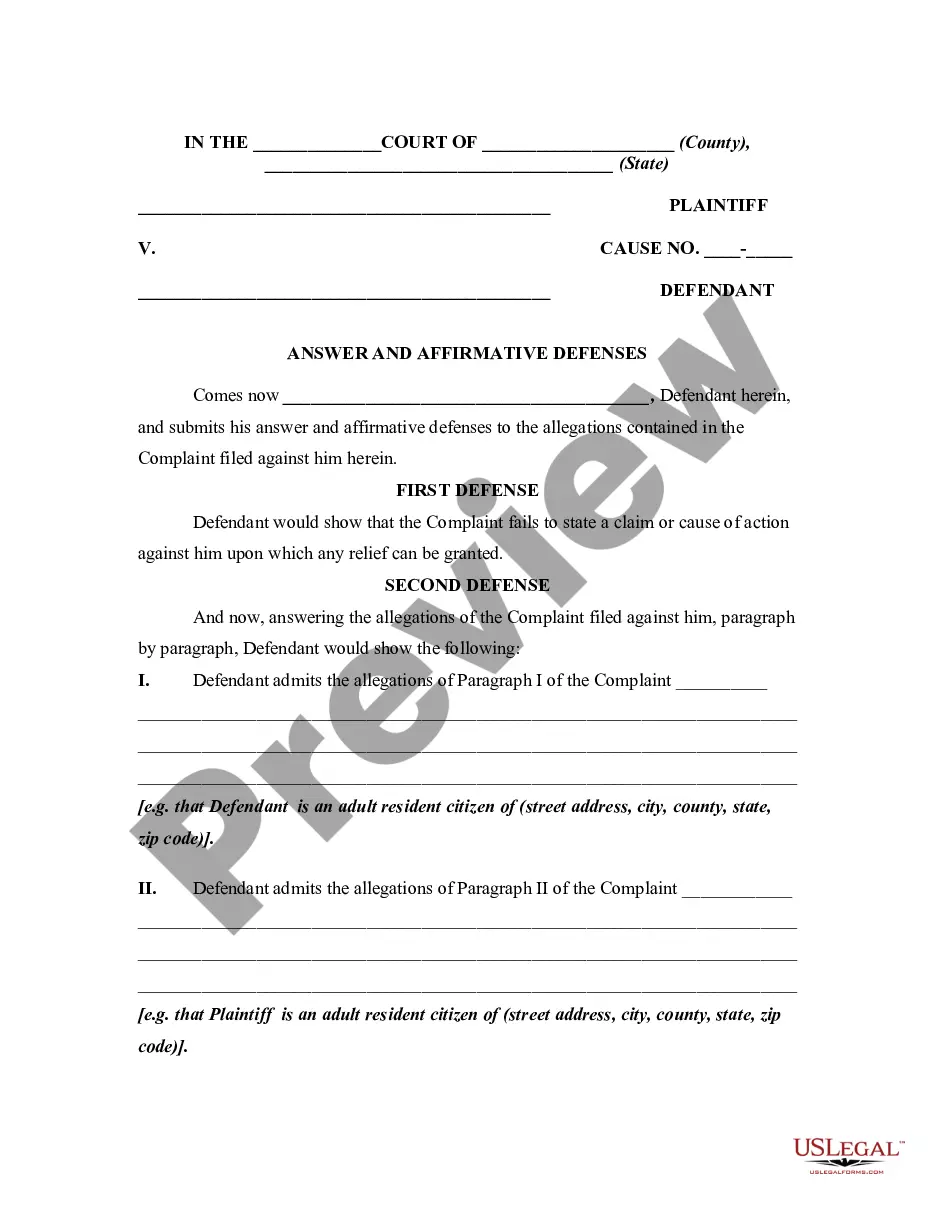

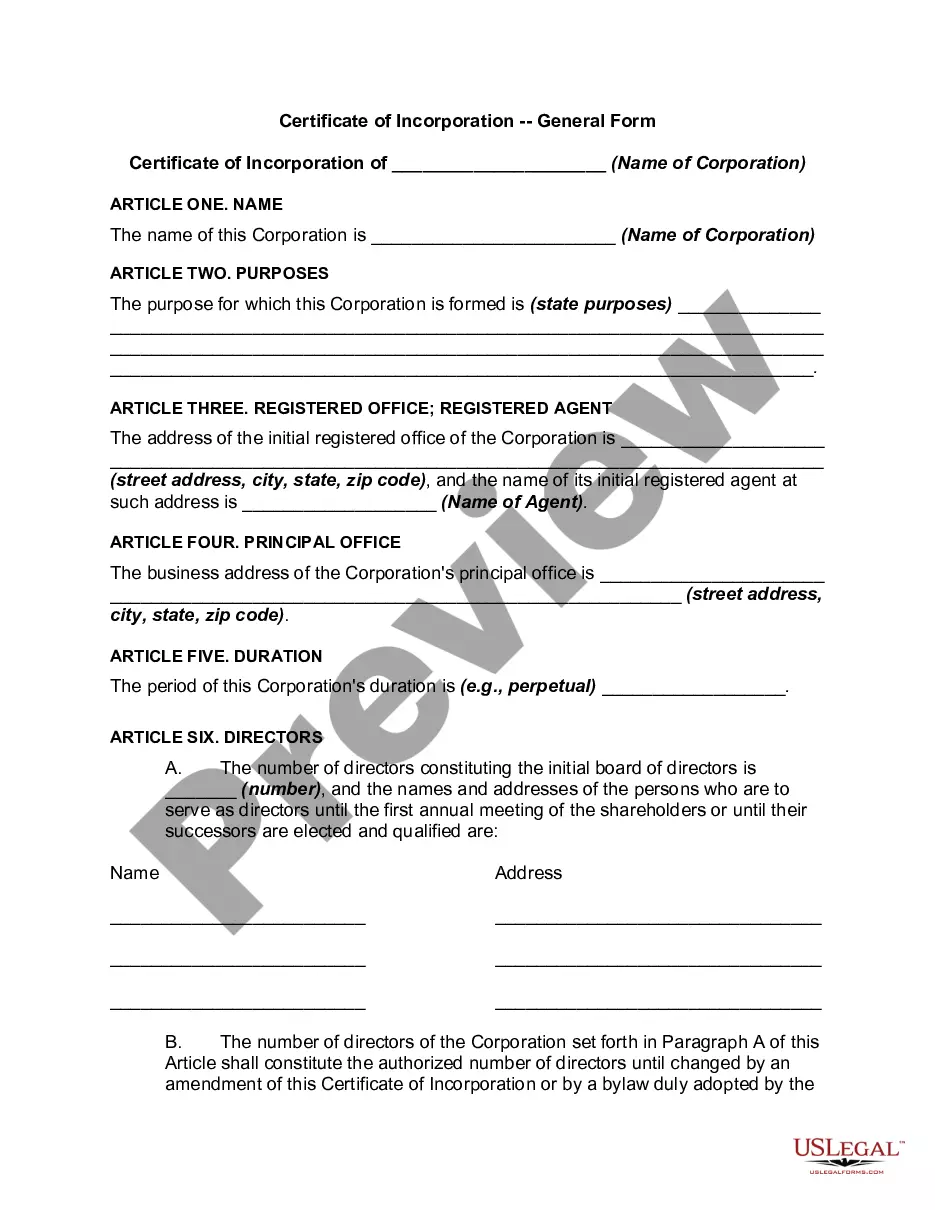
How to fill out Certificate Of Election Of Officers?
Regardless of whether it is for professional reasons or personal matters, everyone eventually must confront legal issues in their lifetime.
Completing legal documentation requires meticulous care, starting with selecting the appropriate form template.
Once saved, you can fill out the form using editing tools or print it and complete it by hand. With an extensive US Legal Forms catalog available, you won't waste time searching for the suitable template online. Leverage the library’s straightforward navigation to find the appropriate template for any circumstance.
- Locate the template you require using the search bar or catalog browsing.
- Review the form’s description to ensure it corresponds with your circumstance, state, and locality.
- Access the form’s preview to examine it.
- If it is the incorrect document, return to the search option to locate the Corporation Corporate Officer Format template you require.
- Download the file if it satisfies your criteria.
- If you possess a US Legal Forms account, simply click Log in to access previously stored documents in My documents.
- If you don’t hold an account yet, you may acquire the form by clicking Buy now.
- Select the appropriate payment choice.
- Complete the account registration form.
- Choose your payment method: utilize a credit card or PayPal account.
- Select the desired file format and download the Corporation Corporate Officer Format.
Form popularity
FAQ
Directors, officers, and employees in a C-corporation take a salary, which is subject to payroll taxes. Shareholders can take a salary and dividends, which are allocations of stock from retained earnings, if the company chooses to distribute profits.
How does a company appoint its officers? Officers are appointed by the board of directors during incorporation. The company documents the officers' positions and responsibilities in the corporation's articles, bylaws, or resolutions.
In US companies, officers are elected by the board of directors, and usually consist of a president and/or a chief executive officer, one or more vice presidents, a secretary, and a treasurer or chief financial officer. In larger enterprises, there may be many officers each with varying duties and responsibilities.
The corporate officers are high-level management executives. They have responsibility for carrying out the board's initiatives and policies through their day-to-day decisions and management of the company. Unless prohibited by the corporation's bylaws or state law, officers may also be shareholders or directors.
How to fill out Form 1120 Employer Identification Number (EIN) Date you incorporated. Total assets. Gross receipts and sales. Cost of goods sold (COGS) Tax deductions. Tax credits. Capital gains.
