Corporation Corporate Officers Without In Cook
Description

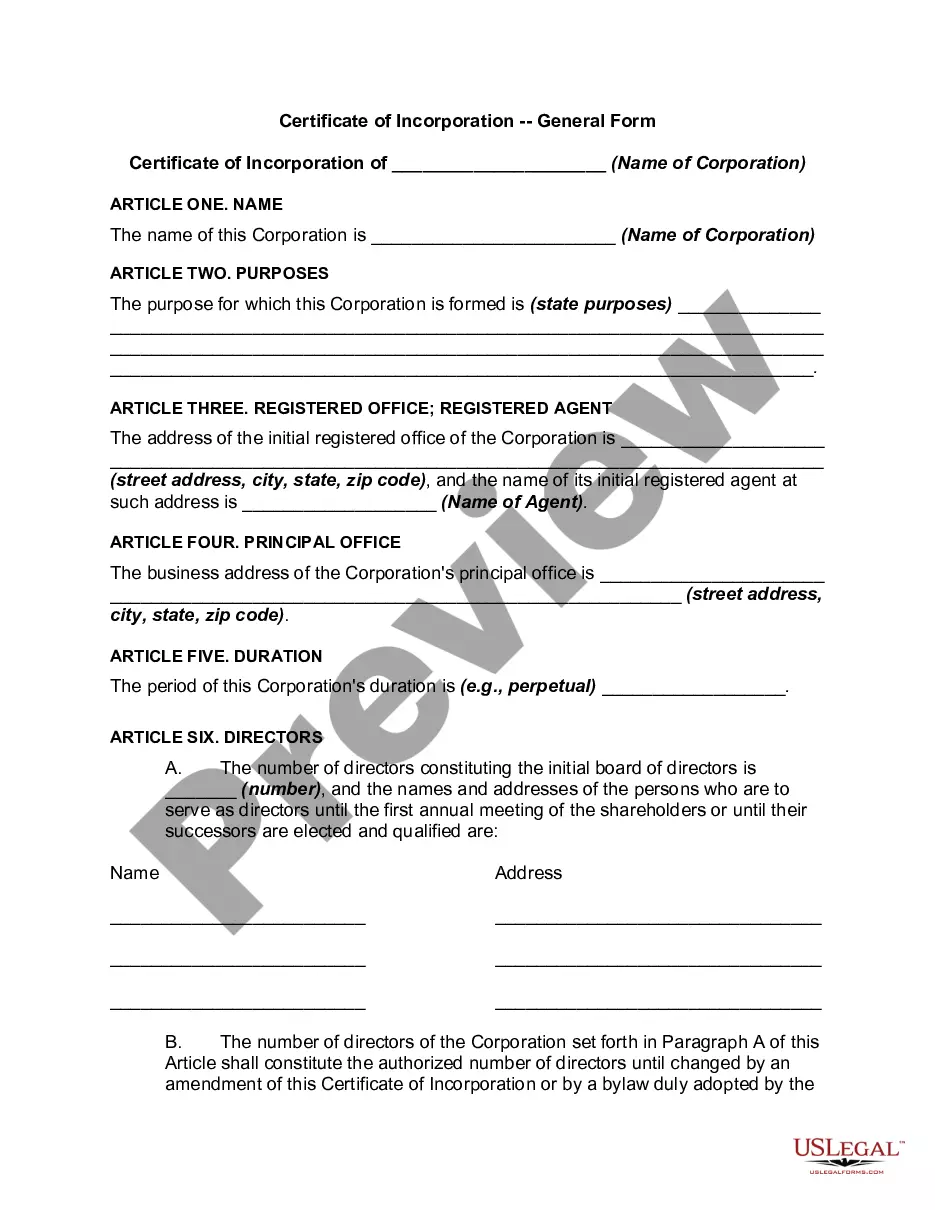
Get your form ready online
Our built-in tools help you complete, sign, share, and store your documents in one place.
Make edits, fill in missing information, and update formatting in US Legal Forms—just like you would in MS Word.
Download a copy, print it, send it by email, or mail it via USPS—whatever works best for your next step.
Sign and collect signatures with our SignNow integration. Send to multiple recipients, set reminders, and more. Go Premium to unlock E-Sign.
If this form requires notarization, complete it online through a secure video call—no need to meet a notary in person or wait for an appointment.
We protect your documents and personal data by following strict security and privacy standards.

Make edits, fill in missing information, and update formatting in US Legal Forms—just like you would in MS Word.

Download a copy, print it, send it by email, or mail it via USPS—whatever works best for your next step.

Sign and collect signatures with our SignNow integration. Send to multiple recipients, set reminders, and more. Go Premium to unlock E-Sign.

If this form requires notarization, complete it online through a secure video call—no need to meet a notary in person or wait for an appointment.

We protect your documents and personal data by following strict security and privacy standards.
Looking for another form?




Form popularity
FAQ
A domestic corporation must file Form 1120, U.S. Corporation Income Tax Return, whether it has taxable income or not, unless it's exempt from filing under section 501.
If your business is a partnership or corporation, you need to file your taxes, whether you have any income or not. This allows you to remain in compliance and to claim deductions. If you do file taxes with no income, you can still deduct expenses and show a loss on Schedule C.
Generally, you must file an income tax return if you're a resident , part-year resident, or nonresident and: Are required to file a federal return. Receive income from a source in California. Have income above a certain amount.
Suppose your business is operating at a loss, and there's no taxable income to report. In that case, the entity is still responsible for filing K-1s with the IRS and issuing this information to shareholders.
All domestic corporations must file tax form 1120, even if they don't have taxable income. Corporations exempt under section 501 (see below) do not need to file tax Form 1120.
Officers are usually appointed by a corporation's board of directors ing to its internal policies. There are many corporate officer titles, such as Chief Executive Officer (CEO) and Chief Financial Officer (CFO).
Corporate officers colloquially refers to the people in a corporation that run the company's daily operations.
Corporate officers may also have an ownership interest by holding shares, meaning that they can vote at shareholders' meetings, but this is not mandatory.
Corporate officers colloquially refers to the people in a corporation that run the company's daily operations.
Common corporate office positions include Chief Executive Officer or President, Vice President, Chief Operations Officer, Chief Financial Officer or Treasurer, and Corporate Secretary. Directors – Directors are individuals who serve on the corporation's board of directors.

