Director In Meeting In Utah
Description

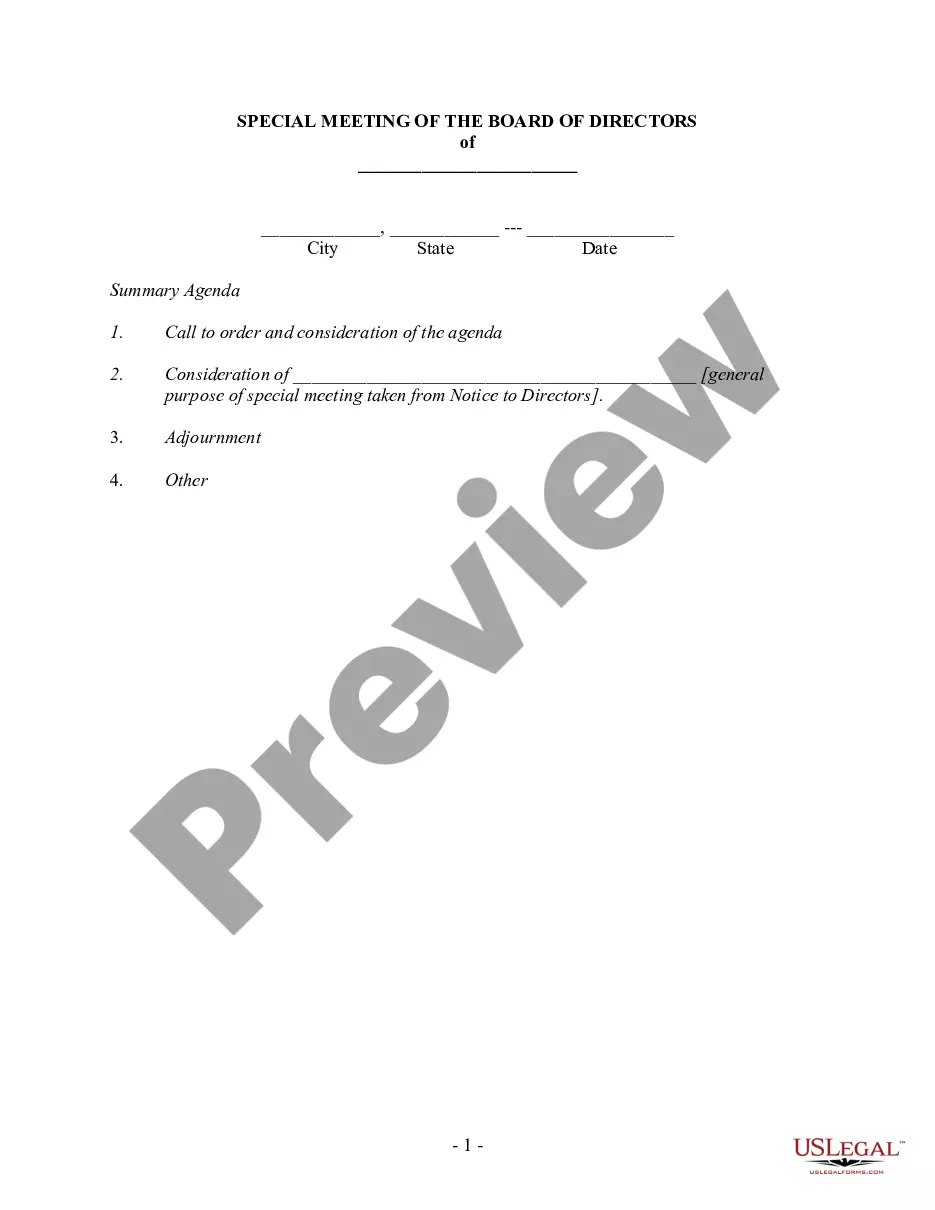


Get your form ready online
Our built-in tools help you complete, sign, share, and store your documents in one place.
Make edits, fill in missing information, and update formatting in US Legal Forms—just like you would in MS Word.
Download a copy, print it, send it by email, or mail it via USPS—whatever works best for your next step.
Sign and collect signatures with our SignNow integration. Send to multiple recipients, set reminders, and more. Go Premium to unlock E-Sign.
If this form requires notarization, complete it online through a secure video call—no need to meet a notary in person or wait for an appointment.
We protect your documents and personal data by following strict security and privacy standards.

Make edits, fill in missing information, and update formatting in US Legal Forms—just like you would in MS Word.

Download a copy, print it, send it by email, or mail it via USPS—whatever works best for your next step.

Sign and collect signatures with our SignNow integration. Send to multiple recipients, set reminders, and more. Go Premium to unlock E-Sign.

If this form requires notarization, complete it online through a secure video call—no need to meet a notary in person or wait for an appointment.

We protect your documents and personal data by following strict security and privacy standards.
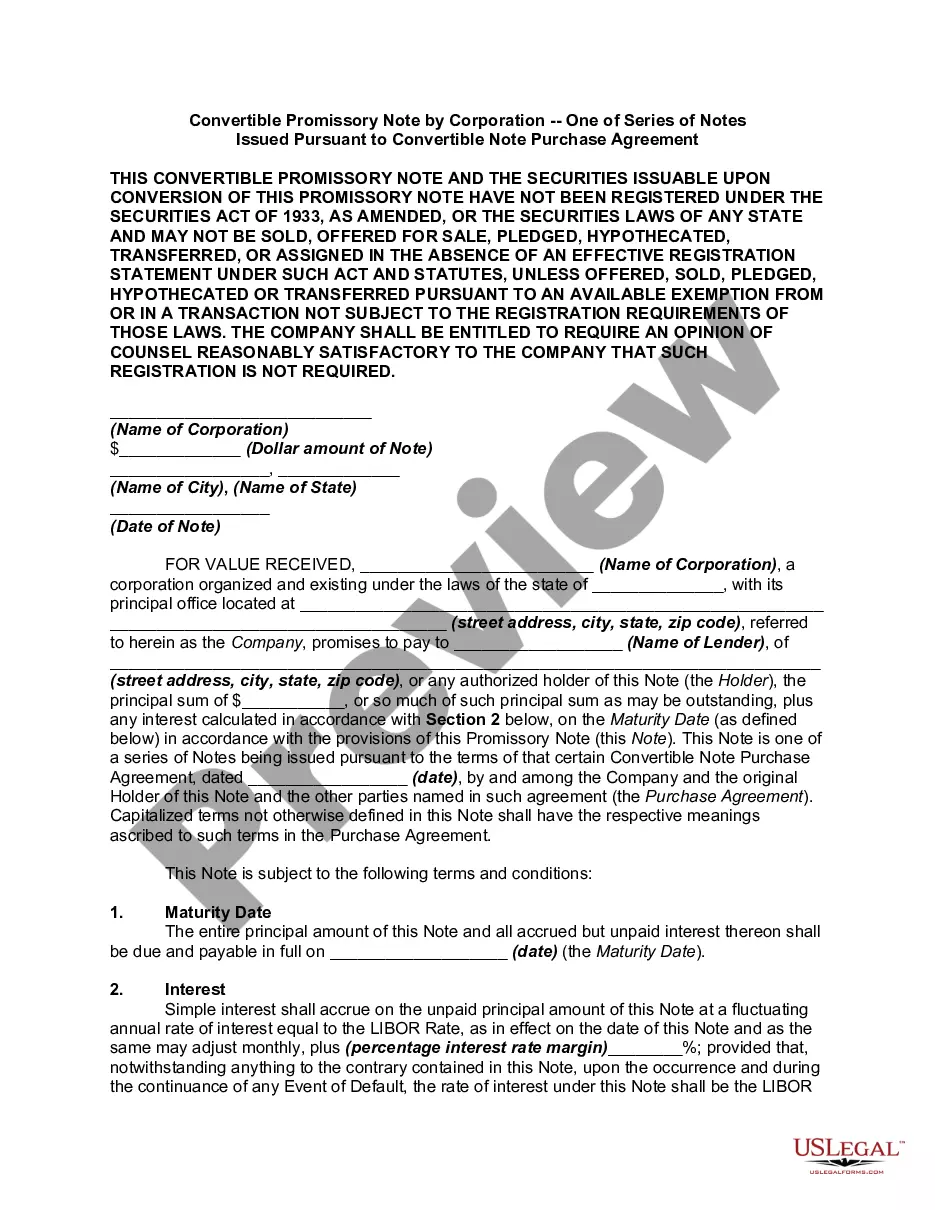
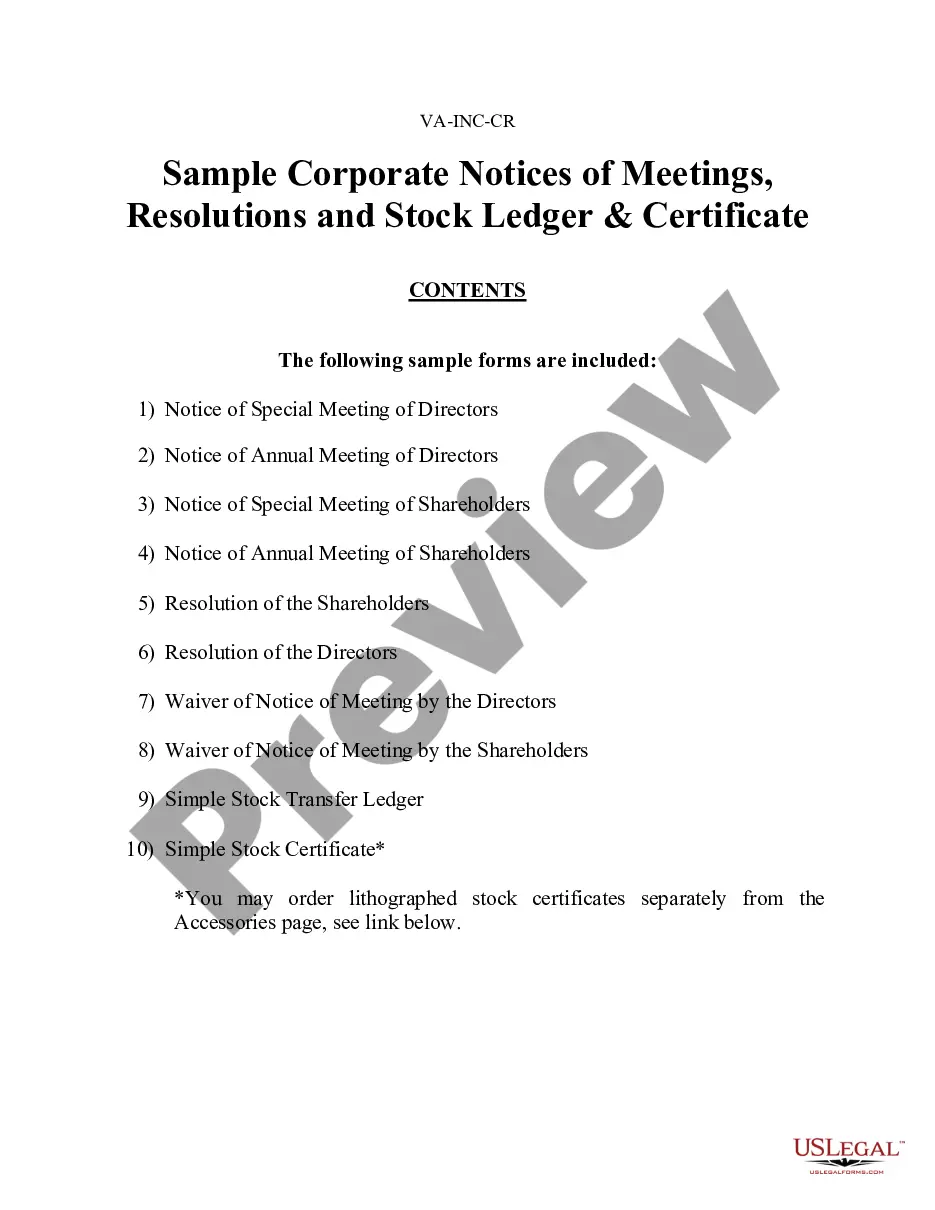
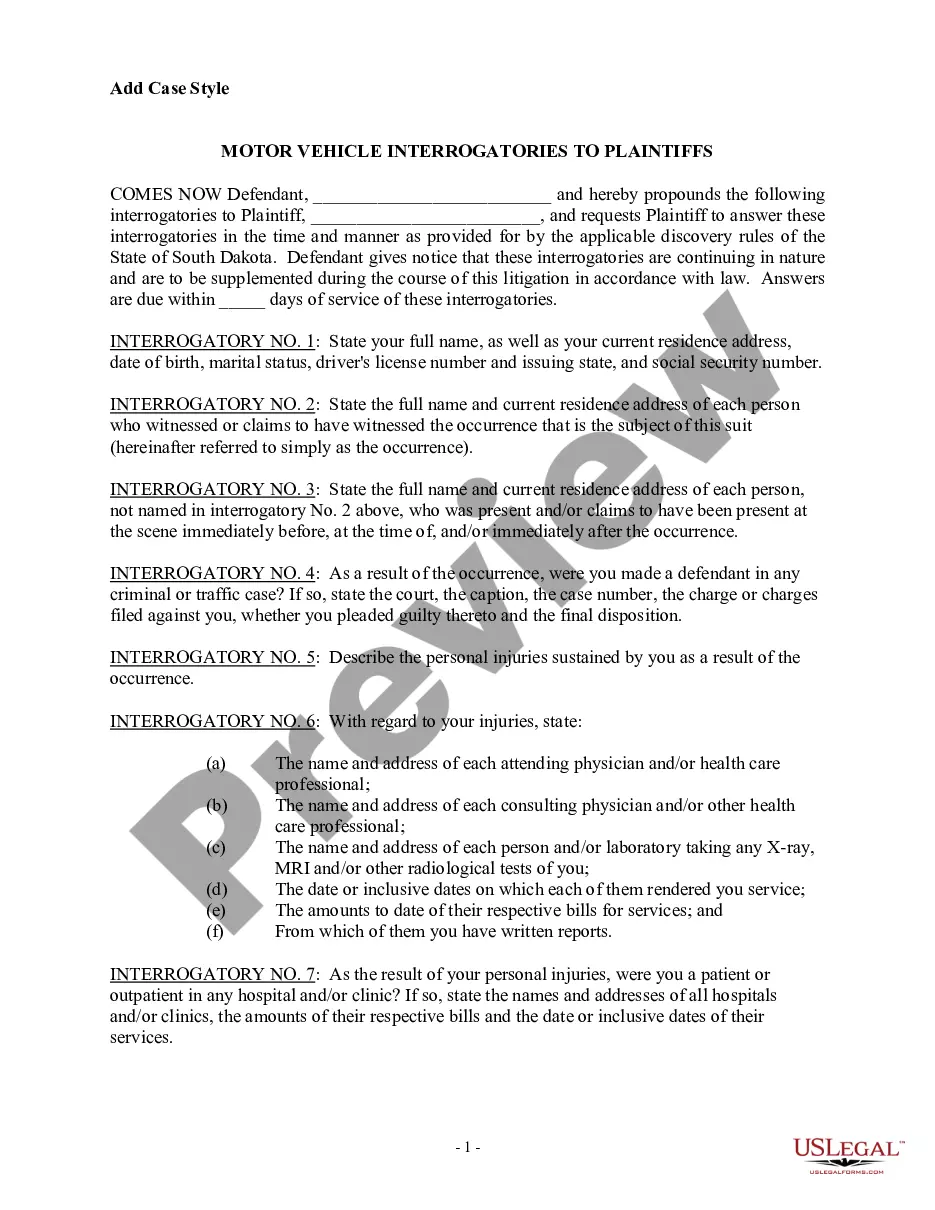
Looking for another form?





Form popularity
FAQ
In some states there are laws known as “Sunshine laws” that require groups to open their meetings to the public, however, these laws generally only apply to governmental or quasi-governmental groups. Unless the nonprofit is a governmental entity, there is no obligation to open board meetings to the public.
In short, yes. Non Board members can attend meetings. There are a number of reasons you might want to have this policy. Perhaps you need to invite senior staff members of your organisation.
They should ideally be open, in order to hear all arguments and allow opinions to flow, but also firm, in order to facilitate the agenda and make sure everything runs smoothly and on time. A board chair should also gently steer discussions and recognize those who contribute good suggestions.
Every nonprofit has its own board recruitment process. After learning about the organization, consider reaching out to the chief executive, chair or board governance committee chair to indicate your interest in joining their board. It's important to understand their board member expectations and commitment.
In addition to the Directors, who else should attend Board meetings? The Board Secretary must be present to take and present the minutes. Typically, the Secretary is also the Chief Financial Officer. The CFO should present the Financial Report.
Tips on How to Run a Nonprofit Board Meeting Set clear objectives. Create a focused meeting agenda. Prepare meeting packets. Start and end on time. Set out guidelines or procedures. Encourage input from everyone. Take detailed meeting minutes. Conduct regular post-meeting surveys.
In short, yes. Non Board members can attend meetings. There are a number of reasons you might want to have this policy. Perhaps you need to invite senior staff members of your organisation.
Yes, non-board members can often sit in on board meetings, depending on the organization's policies and state regulations. Many nonprofits encourage community members, donors, and volunteers to attend these meetings to foster transparency and collaboration.
(1) Unless otherwise provided by the bylaws, any action that may be taken at any annual, regular, or special meeting of members may be taken without a meeting if the nonprofit corporation delivers a written ballot to every member entitled to vote on the matter.
76-5-102.5 Assault by prisoner. (1) (a) As used in this section, "assault" means an offense under Section 76-5-102. (b) Terms defined in Section 76-1-101.5 apply to this section. (2) An actor commits assault by prisoner if the actor: (a) is a prisoner; and (b) intending to cause bodily injury, commits an assault.

