Meeting For Business In Nevada
Description

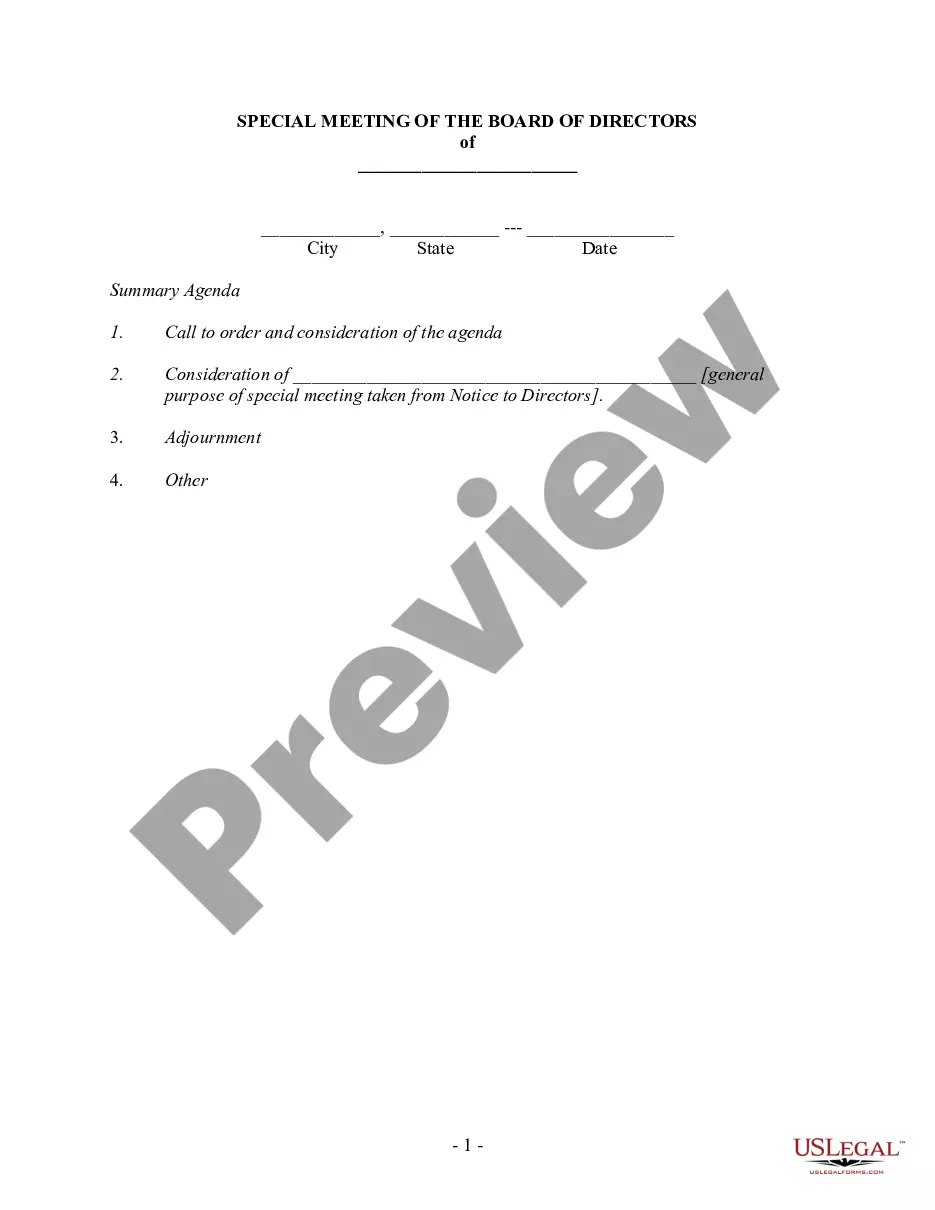


Get your form ready online
Our built-in tools help you complete, sign, share, and store your documents in one place.
Make edits, fill in missing information, and update formatting in US Legal Forms—just like you would in MS Word.
Download a copy, print it, send it by email, or mail it via USPS—whatever works best for your next step.
Sign and collect signatures with our SignNow integration. Send to multiple recipients, set reminders, and more. Go Premium to unlock E-Sign.
If this form requires notarization, complete it online through a secure video call—no need to meet a notary in person or wait for an appointment.
We protect your documents and personal data by following strict security and privacy standards.

Make edits, fill in missing information, and update formatting in US Legal Forms—just like you would in MS Word.

Download a copy, print it, send it by email, or mail it via USPS—whatever works best for your next step.

Sign and collect signatures with our SignNow integration. Send to multiple recipients, set reminders, and more. Go Premium to unlock E-Sign.

If this form requires notarization, complete it online through a secure video call—no need to meet a notary in person or wait for an appointment.

We protect your documents and personal data by following strict security and privacy standards.
Looking for another form?
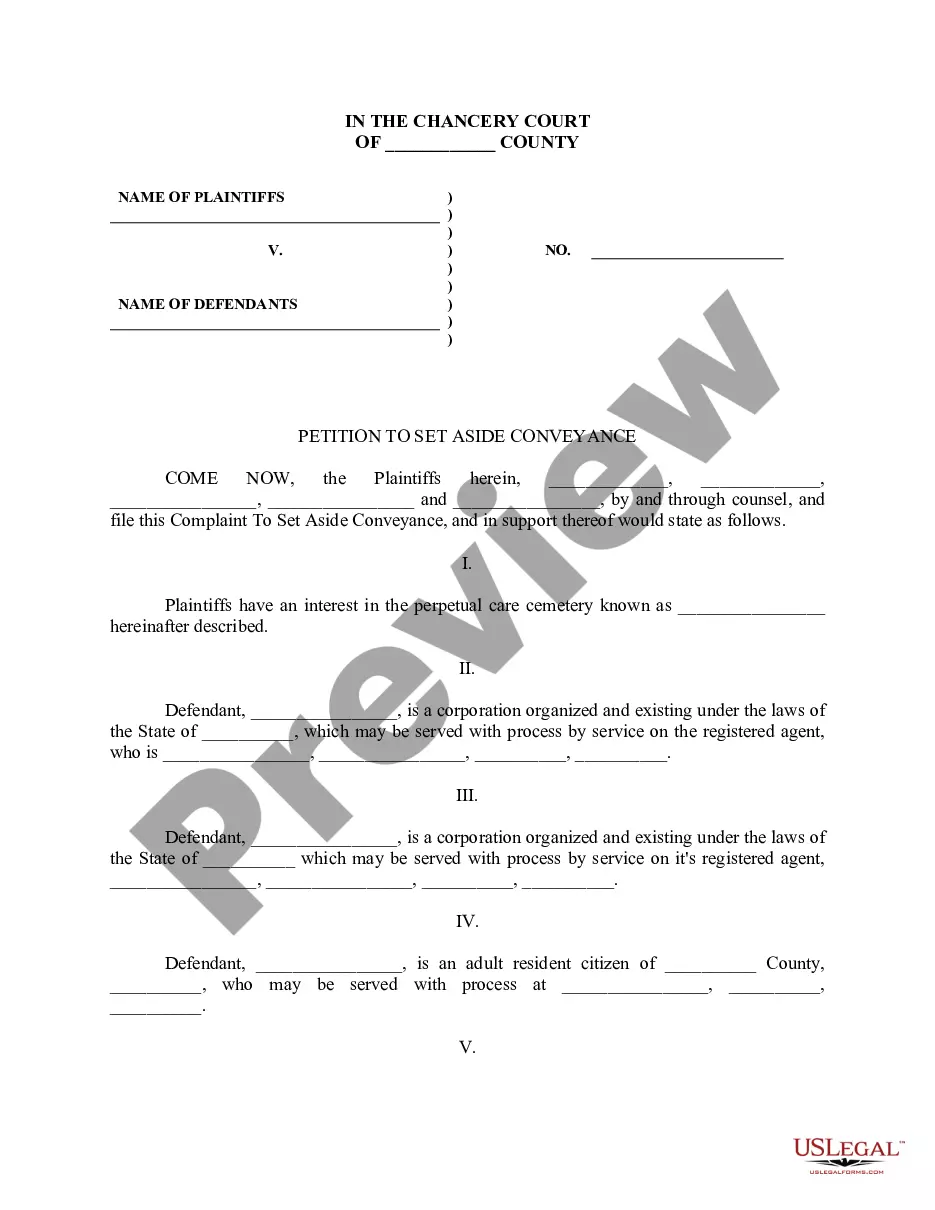
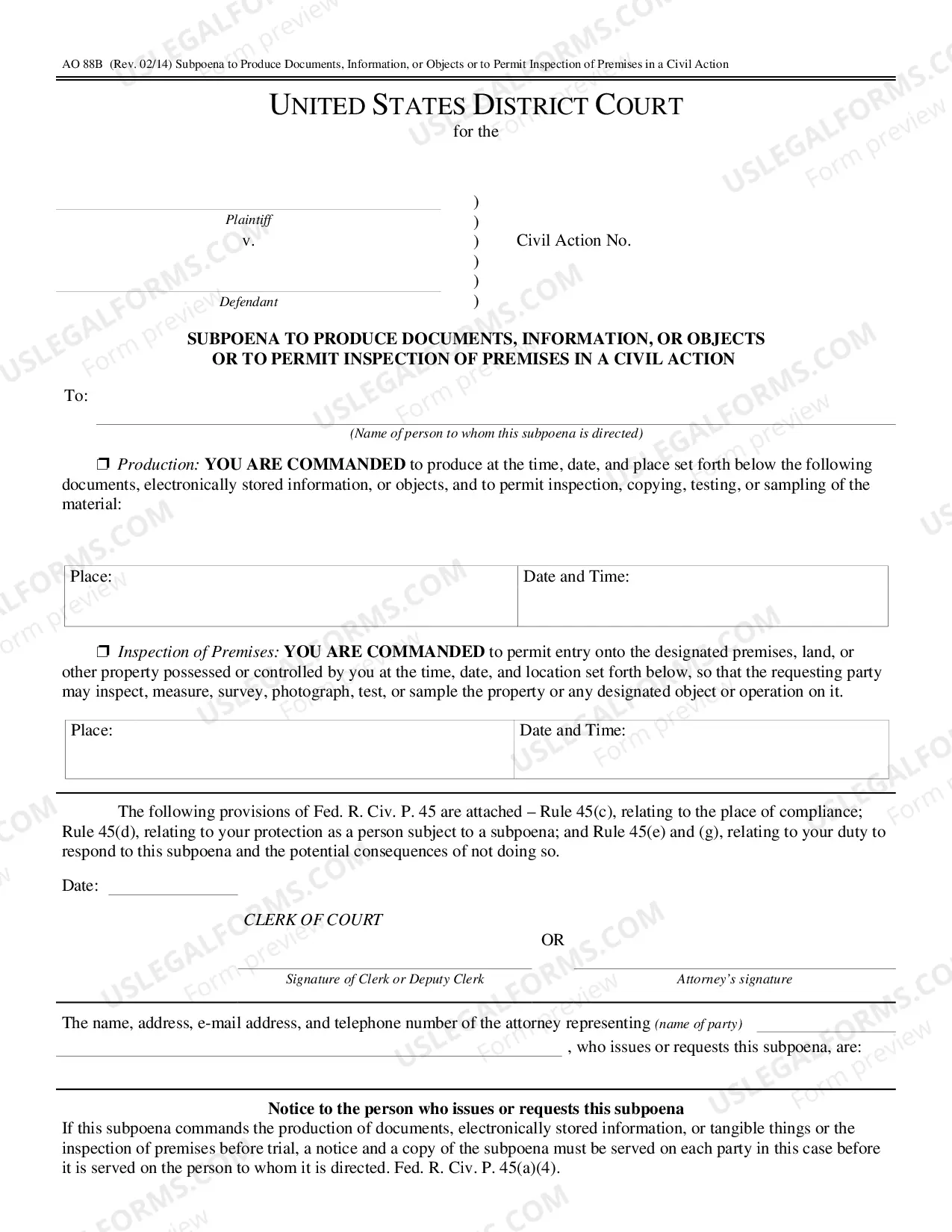




Form popularity
FAQ
Meeting Participation Category #1: Prepare Understand the Official Agenda. First, understand the official agenda. Understand Your Agenda. Listen. Ask Questions. Disagree. Be a Connector. Be a Communicator. Be a Closer.
Except as otherwise provided by specific statute, all meetings of public bodies must be open and public, and all persons must be permitted to attend any meeting of these public bodies at a physical location or by means of a remote technology system.
Greeting: Start with a friendly welcome. - ``Good morning/afternoon, everyone!'' Introductions: If there are new participants, introduce them. - ``Let's go around the room and introduce ourselves.'' Purpose of the Meeting: Briefly state why you're meeting. Agenda Overview: Outline the agenda to set expectations.
How Great Meeting Participants Show Up – The Do's & Don'ts of Effective Participant Etiquette Come Prepared. Be Punctual. Active Listening. Effective Communication. Engage in the Discussion. Respect Others' Perspectives. Stay on Topic. Take Responsibility:
Here are six steps to prepare yourself for a business meeting: Know the type of meeting you are going to attend. Understand your objectives and meeting attendees. Review and study the agenda. Know the meeting location. Consider potential obstacles. Determine desirable outcomes and actionable follow-up tasks.
Participating in meetings. Basic expectations are: A clearly defined purpose to your meeting. Ask questions such as; why are we meeting? ... Advise people of the meeting in time for them to be able to attend. Lack of planning and sufficient notice can mean important people are missed out of meetings. Set an agenda.
Open meeting laws, also called sunshine laws, require that, with notable exceptions, most meetings of federal and state government agencies and regulatory bodies be open to the public, along with their decisions and records.
State Open Meeting Act laws, also known as sunshine laws or open meetings laws, are regulations and laws that require government agencies, boards, commissions, and other public bodies to conduct their meetings and decision-making processes transparently and openly.
Upon finding a violation of the Open Meeting Law, the Attorney General may impose a civil penalty upon a public body of not more than $1,000 for each intentional violation.

