Meeting For Company In Kings
Description

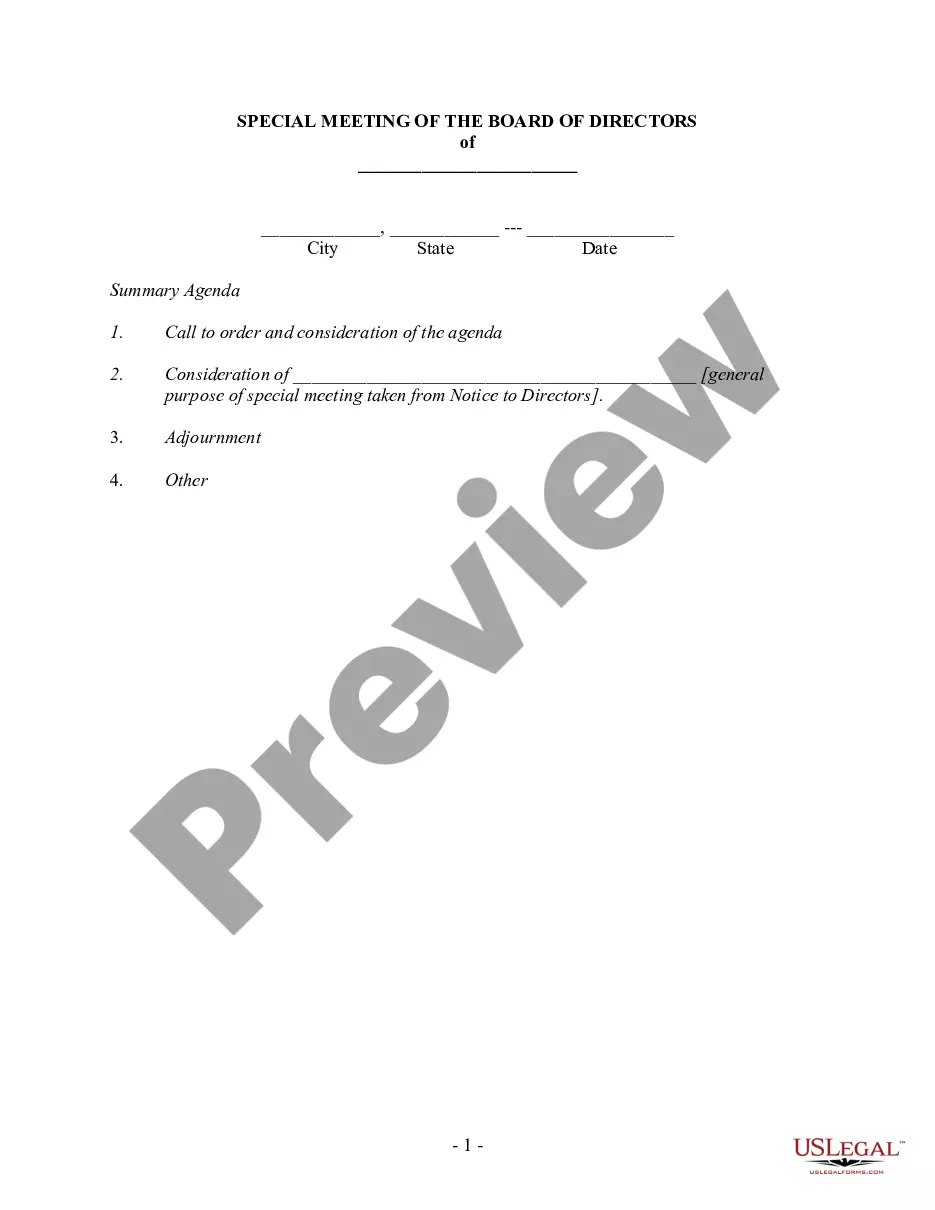


Get your form ready online
Our built-in tools help you complete, sign, share, and store your documents in one place.
Make edits, fill in missing information, and update formatting in US Legal Forms—just like you would in MS Word.
Download a copy, print it, send it by email, or mail it via USPS—whatever works best for your next step.
Sign and collect signatures with our SignNow integration. Send to multiple recipients, set reminders, and more. Go Premium to unlock E-Sign.
If this form requires notarization, complete it online through a secure video call—no need to meet a notary in person or wait for an appointment.
We protect your documents and personal data by following strict security and privacy standards.

Make edits, fill in missing information, and update formatting in US Legal Forms—just like you would in MS Word.

Download a copy, print it, send it by email, or mail it via USPS—whatever works best for your next step.

Sign and collect signatures with our SignNow integration. Send to multiple recipients, set reminders, and more. Go Premium to unlock E-Sign.

If this form requires notarization, complete it online through a secure video call—no need to meet a notary in person or wait for an appointment.

We protect your documents and personal data by following strict security and privacy standards.
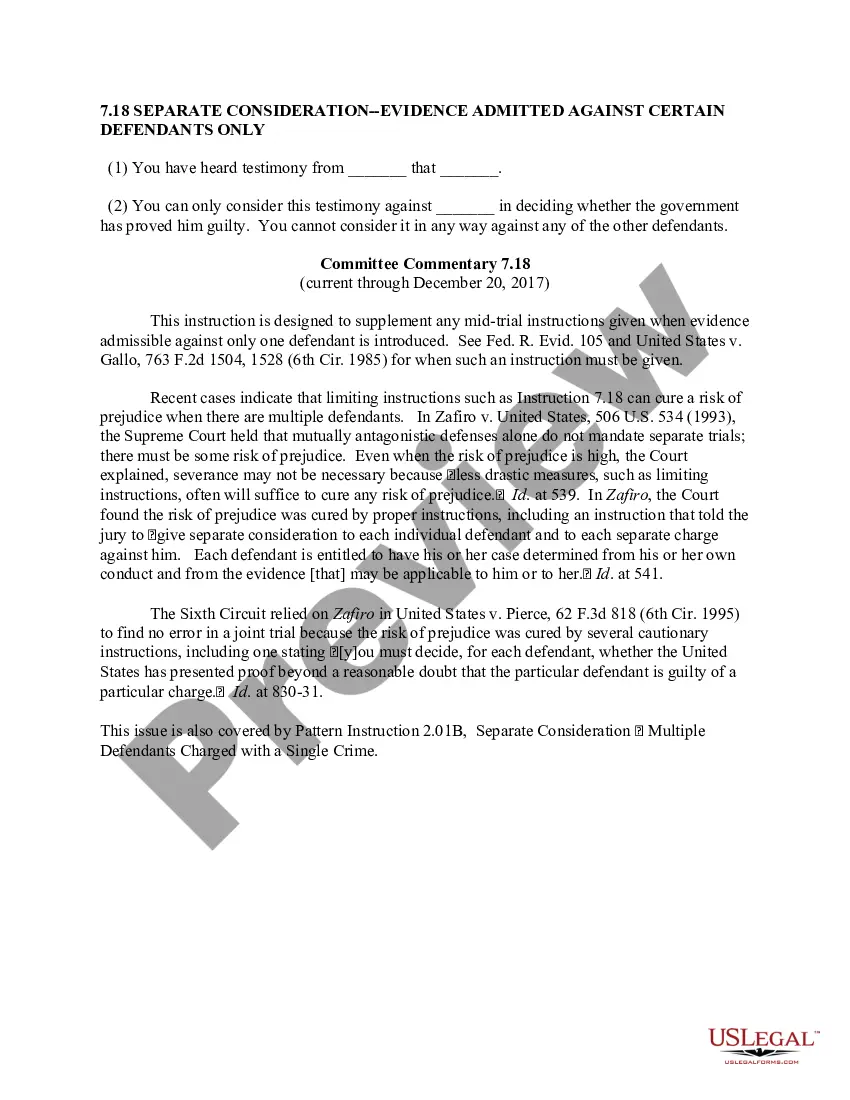
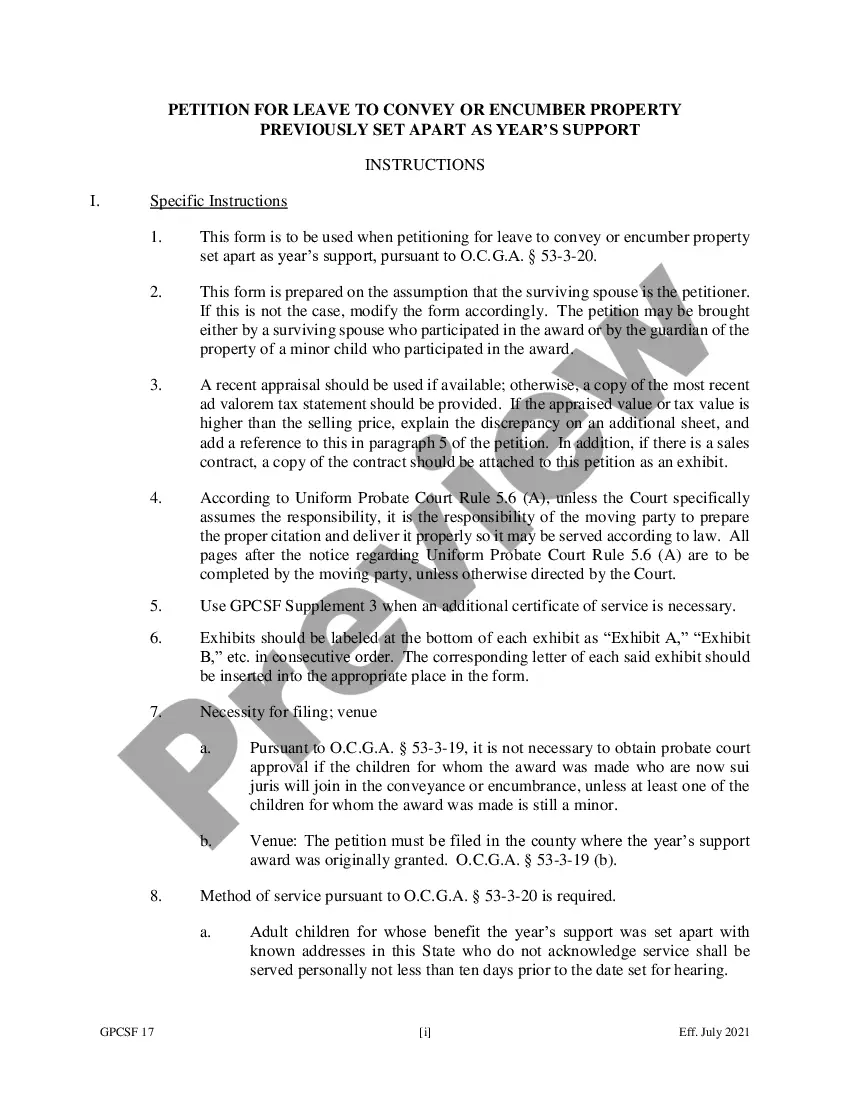
Looking for another form?

Form popularity
FAQ
Having only seven participants will limit any conversation where a decision point needs to be reached. It serves as a middle ground of social, organizational, and psychological research. There are just enough voices and opinions to consider without the meeting host becoming overwhelmed.
The following steps to running a board meeting are: Recognizing a quorum. Calling the meeting to order. Approving the agenda and minutes. Allowing for communication and reports. Addressing old/new/other business. Closing the meeting.
We can transform our meetings into engaging and productive sessions by applying the principles of the 40-20-40 rule. This rule suggests dedicating 40% of the time to preparation, another 40% to productive follow-up, and only 20% to the actual meeting itself.
More frequent meetings—daily and/or weekly—are for sharing information, reviewing performance, and solving problems. Quarterly meetings serve to adjust strategies as needed, and the annual meeting is for setting the organization's overall strategy.
Minimum 4 meetings in a year. The gap between 2 meetings should not exceed 120 days. One-third of the total strength of the Board, or two Directors, whichever is higher.
Here's how to do it effectively. Clarify meeting objectives. The first step in writing a meeting agenda is to clearly define any goals. Invite participant input. Outline key questions for discussion. Define each task's purpose. Allocate time for agenda items. Assign topic facilitators. Write the meeting agenda.
Decision-making can be challenging, but the 10-10-10 rule is a simple strategy that can help you make better decisions. By considering how you will feel about a decision in 10 minutes, 10 months, and 10 years, you can gain perspective and avoid making decisions that might have negative long-term consequences.
Most board meeting agendas follow a classic meeting structure: Calling meeting to order – ensure you have quorum. Approve the agenda and prior board meeting minutes. Executive and committee reports – allow 25% of time here for key topic discussion. Old/new/other business. Close the meeting and adjourn.
