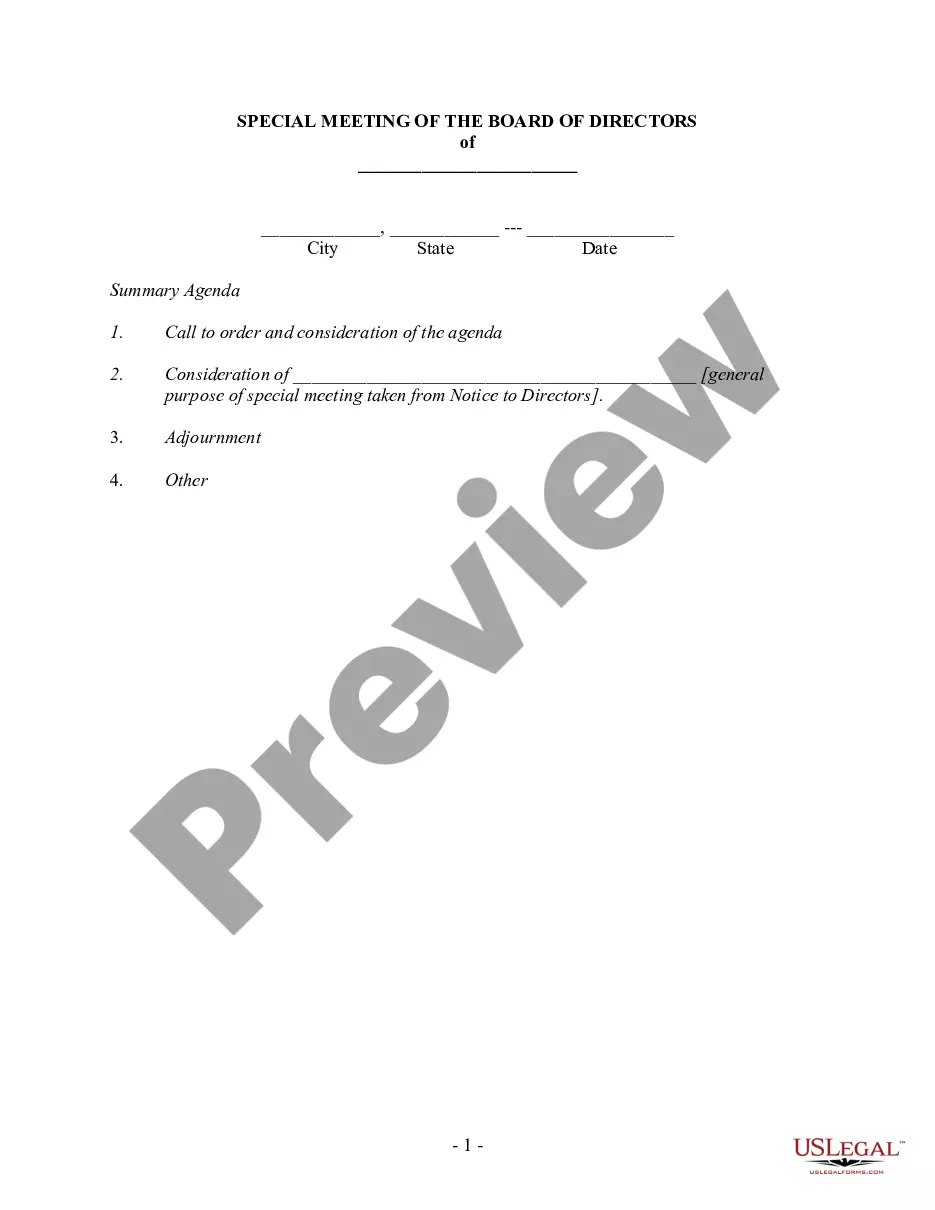
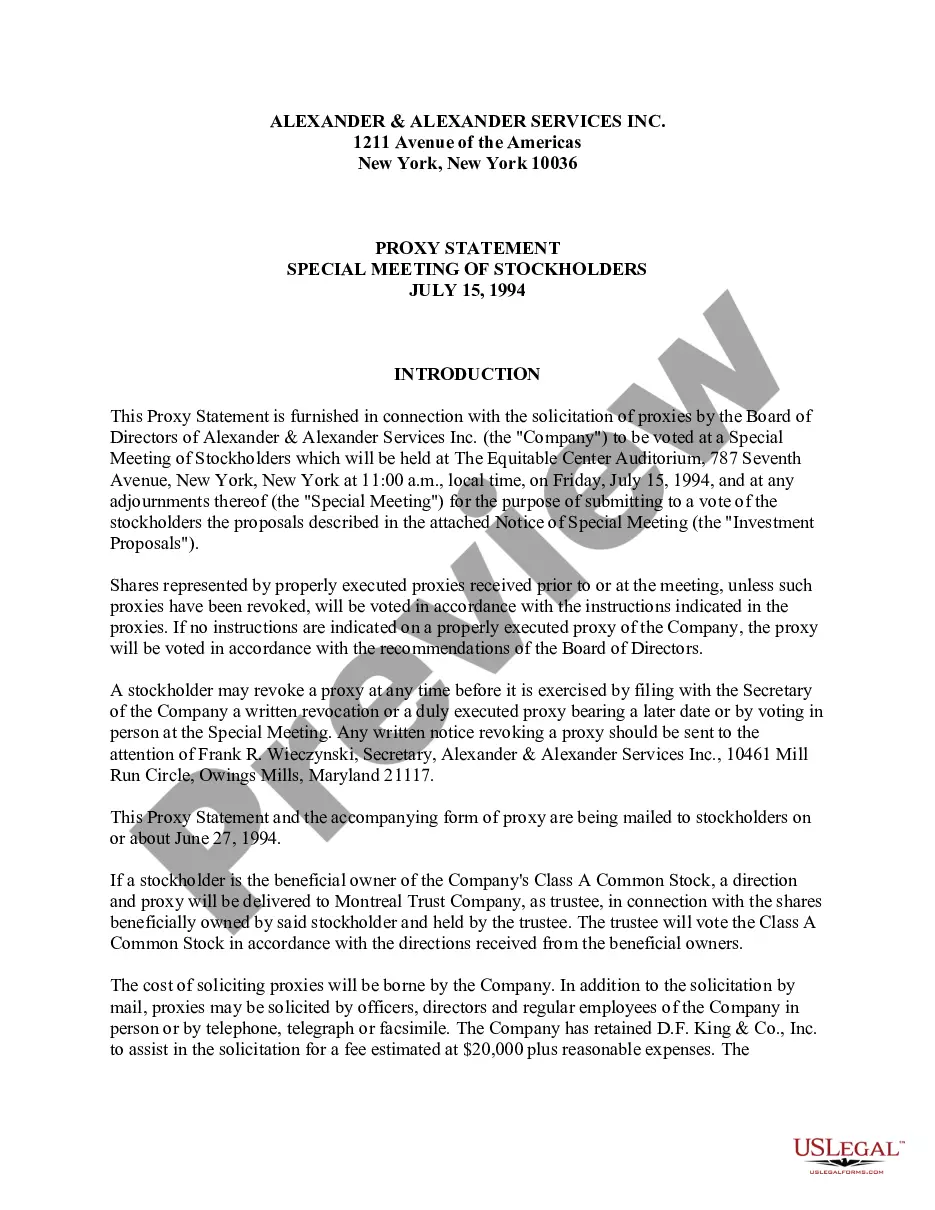
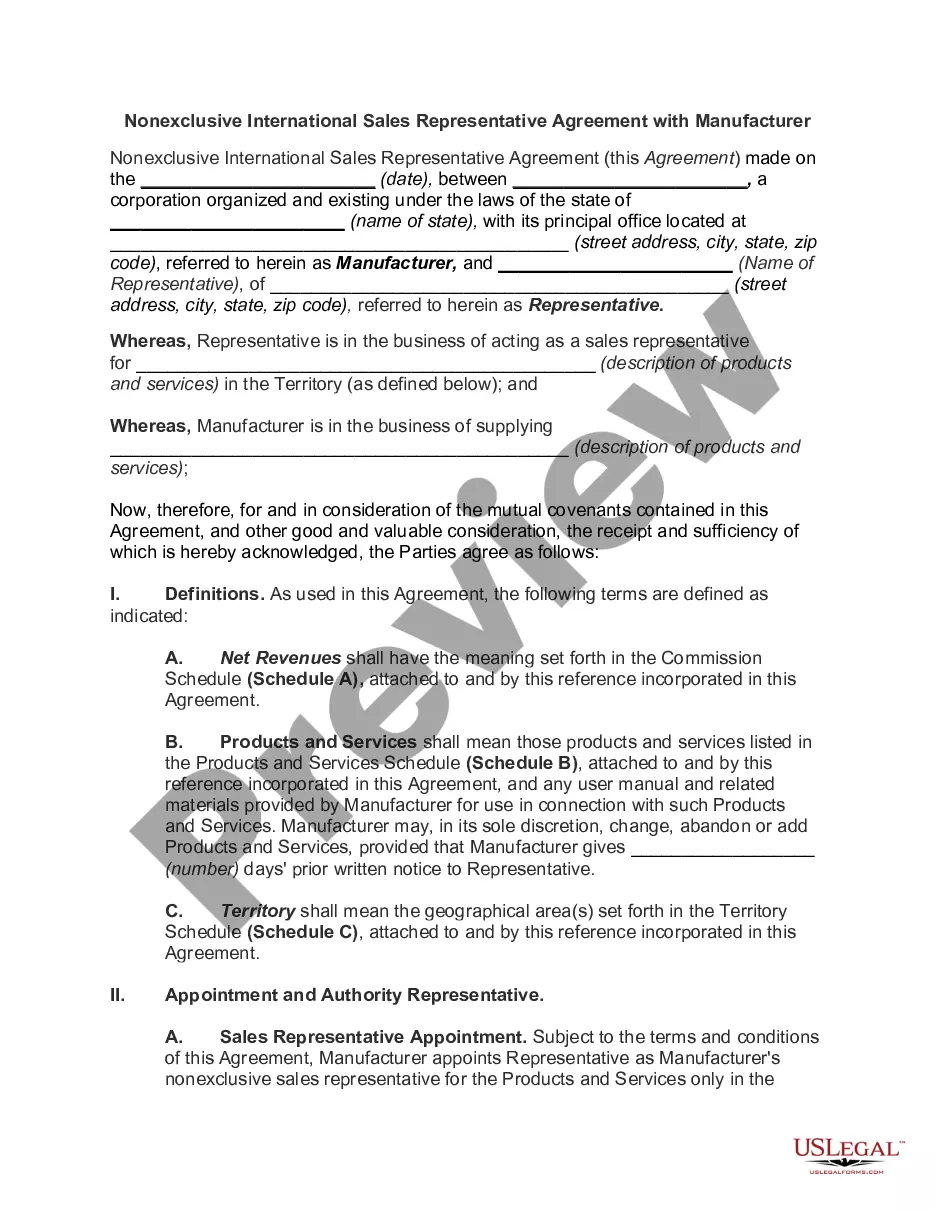
Annual Board Directors Template For Nonprofits In King
Description



Get your form ready online
Our built-in tools help you complete, sign, share, and store your documents in one place.
Make edits, fill in missing information, and update formatting in US Legal Forms—just like you would in MS Word.
Download a copy, print it, send it by email, or mail it via USPS—whatever works best for your next step.
Sign and collect signatures with our SignNow integration. Send to multiple recipients, set reminders, and more. Go Premium to unlock E-Sign.
If this form requires notarization, complete it online through a secure video call—no need to meet a notary in person or wait for an appointment.
We protect your documents and personal data by following strict security and privacy standards.

Make edits, fill in missing information, and update formatting in US Legal Forms—just like you would in MS Word.

Download a copy, print it, send it by email, or mail it via USPS—whatever works best for your next step.

Sign and collect signatures with our SignNow integration. Send to multiple recipients, set reminders, and more. Go Premium to unlock E-Sign.

If this form requires notarization, complete it online through a secure video call—no need to meet a notary in person or wait for an appointment.

We protect your documents and personal data by following strict security and privacy standards.
Looking for another form?








Form popularity
FAQ
Hierarchical Org Chart In a nonprofit setting, this chart usually starts with the board of directors at the top, followed by the executive director, and then cascades down through various levels of management and staff. Pros: It follows a clear chain of command and provides transparent reporting lines.
A board skills matrix is a grid that lists board members (or potential members) along one axis and necessary skills along the other axis. The two are cross-checked to map which directors possess various skills, usually marked with an “X” or checkmark.
The simple answer is that most authors agree that a typical nonprofit board of directors should comprise not less than 8-9 members and not more than 11-14 members.
It's nearly impossible to keep track of every board member's skills, demographics, personal attributes, and other skills and abilities they bring to the board. A matrix provides a snapshot of what the current board brings to the table and identifies areas of skills that the board doesn't have.
The most common nonprofit board member positions are a president (also called the chairperson), vice-chair, secretary, and treasurer. A president, secretary, and treasurer are the mandatory positions, but many nonprofits also have a vice-chair.
Nonprofit board member positions There are usually four Officers: President or Board Chair, Vice President or Vice Chair, Secretary, and Treasurer, and the terms unique to each will be defined in the nonprofit's bylaws. The president is the head of the board.
With that in mind, the federal government requires a minimum of three board members to acquire coveted 501c3 tax-exempt status. Tristan is pondering why a nonprofit needs board members. As a basic rule of thumb, three is the magic number.
Nonprofit board member positions There are usually four Officers: President or Board Chair, Vice President or Vice Chair, Secretary, and Treasurer, and the terms unique to each will be defined in the nonprofit's bylaws. The president is the head of the board.
While affluent connections are always helpful, you should also consider board members with connections who have a passion for the mission, have a connection to those you serve, and who can help you better serve the community.
The IRS generally requires a minimum of three board members for every nonprofit, but does not dictate board term length. What is important to remember is that board service terms aren't intended to be perpetual, and are typically one to five years. Service terms must be outlined in the nonprofit bylaws.

