Annual Board Directors Sample With No Experience In Illinois
Description

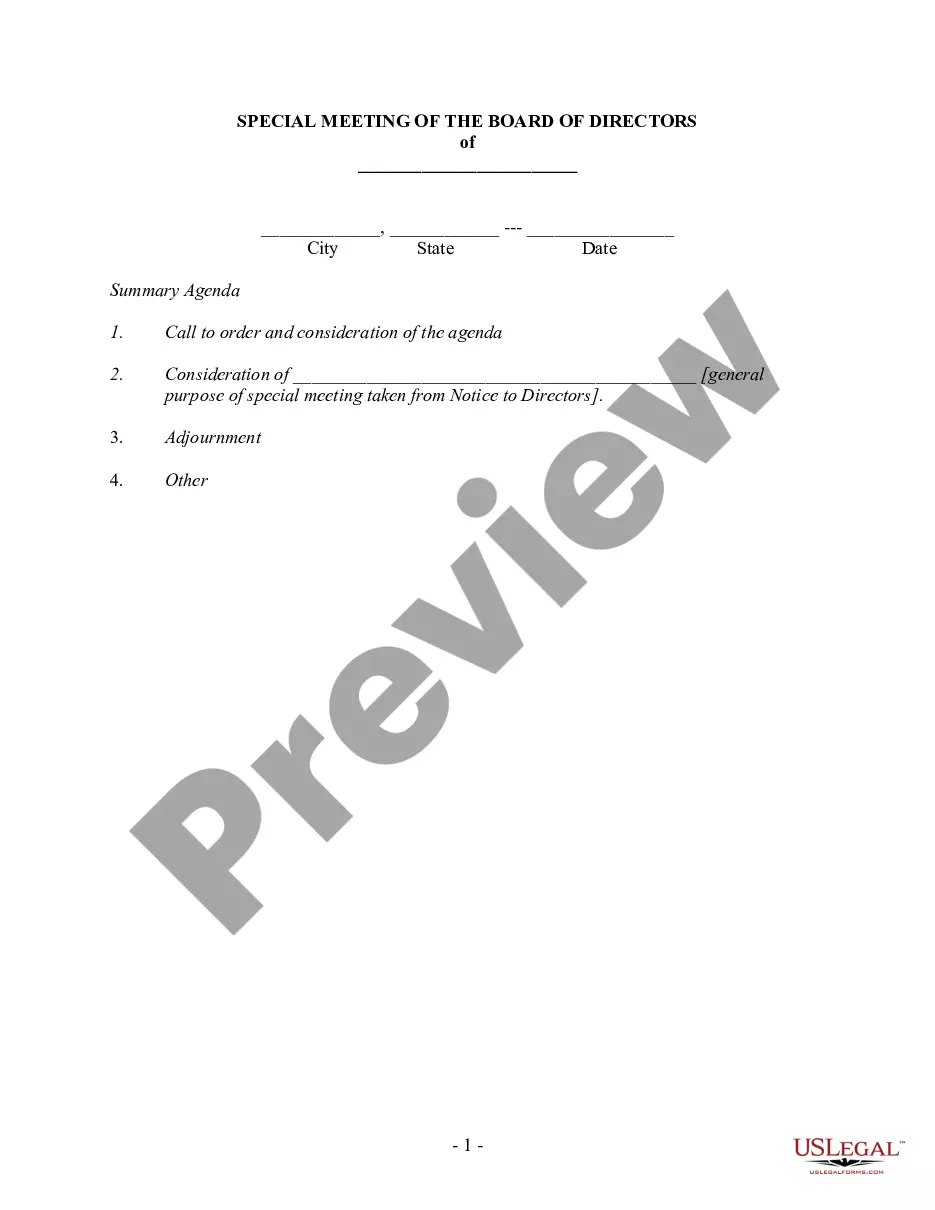


Get your form ready online
Our built-in tools help you complete, sign, share, and store your documents in one place.
Make edits, fill in missing information, and update formatting in US Legal Forms—just like you would in MS Word.
Download a copy, print it, send it by email, or mail it via USPS—whatever works best for your next step.
Sign and collect signatures with our SignNow integration. Send to multiple recipients, set reminders, and more. Go Premium to unlock E-Sign.
If this form requires notarization, complete it online through a secure video call—no need to meet a notary in person or wait for an appointment.
We protect your documents and personal data by following strict security and privacy standards.

Make edits, fill in missing information, and update formatting in US Legal Forms—just like you would in MS Word.

Download a copy, print it, send it by email, or mail it via USPS—whatever works best for your next step.

Sign and collect signatures with our SignNow integration. Send to multiple recipients, set reminders, and more. Go Premium to unlock E-Sign.

If this form requires notarization, complete it online through a secure video call—no need to meet a notary in person or wait for an appointment.

We protect your documents and personal data by following strict security and privacy standards.
Looking for another form?
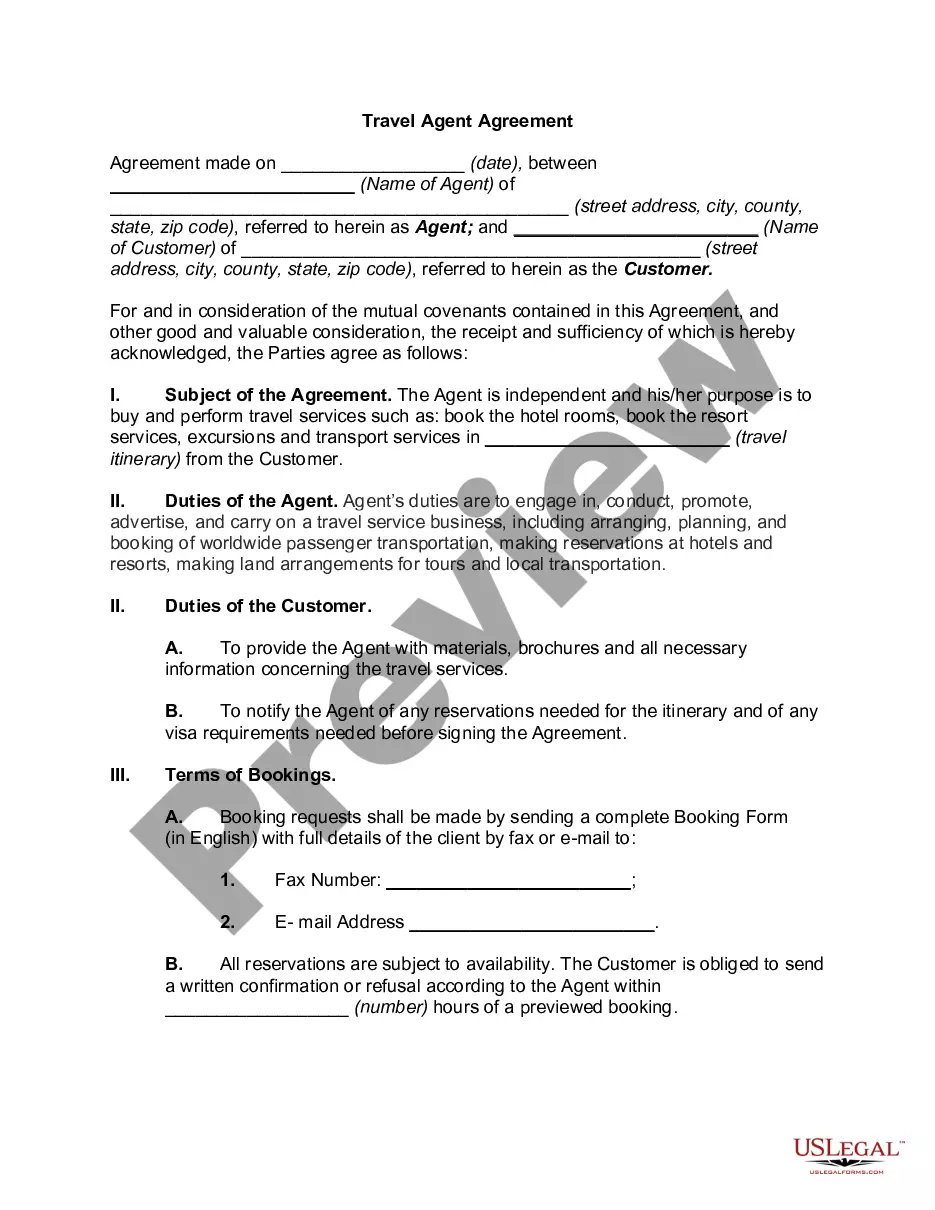

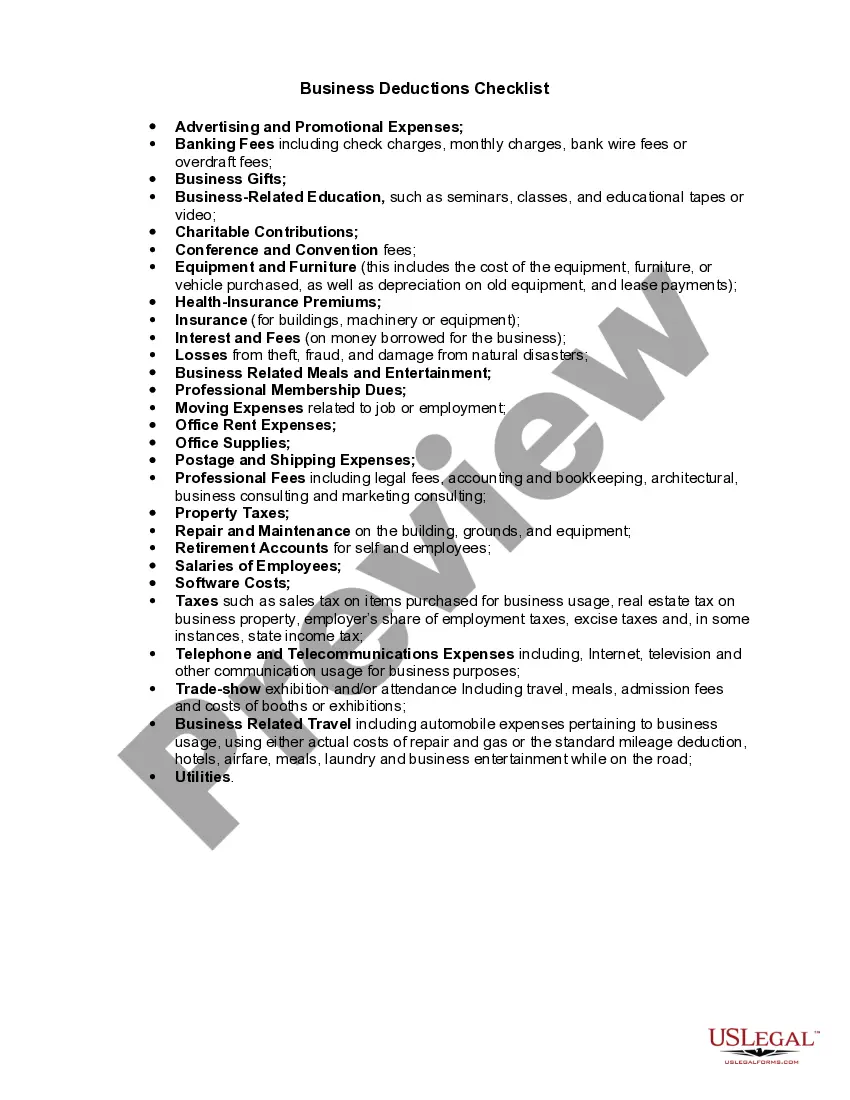

Form popularity
FAQ
Keeping board members informed and up-to-date on important industry trends, regulatory changes, and organizational processes is critical for effective governance. Dedicating time during board meetings to educational sessions can empower directors to make more strategic and impactful decisions.
Most board meeting agendas follow a classic meeting structure: Calling meeting to order – ensure you have quorum. Approve the agenda and prior board meeting minutes. Executive and committee reports – allow 25% of time here for key topic discussion. Old/new/other business. Close the meeting and adjourn.
Call to Order Very simply, they should say: “This meeting of the board of COMPANY is called to order at TIME AND DATE and a quorum IS/ISN'T present.” This is also the time to add in any small items like apologies, welcoming visitors, special guests or new members.
Your corporation's first directors meeting typically focuses on initial organizational tasks, including electing officers, setting their salaries, resolving to open a bank account, and ratifying bylaws and actions of the incorporators.
A typical board of directors has nine members, but some have three, and others have 31. Typically, private companies have between three and seven directors on their boards. To avoid voting ties, boards are usually an odd number.
How to form a board of directors Register articles of incorporation. You must file articles of incorporation in your state to gain legal status as a corporation. Create bylaws. Set up a board of directors agreement. Select your board of directors. Have an initial shareholder meeting.
For example, if you work for a public company, company directors are above the CEO. If you work for a private company, it could be owners or board members who rank above the CEO. In most organizations, the positions above the CEO include Chairman of the Board, President and Vice President.
How to form a board of directors Register articles of incorporation. You must file articles of incorporation in your state to gain legal status as a corporation. Create bylaws. Set up a board of directors agreement. Select your board of directors. Have an initial shareholder meeting.
There must be at least three directors. They do not have to be Illinois residents or corporation members, but you may require these and any other qualifications you choose.
I am pleased to invite you to become a member of the Organization Name's Board of Directors. initiatives such as research. We believe that your background would be a valuable asset to our Board and would greatly help shape our organization's present and future. In particular specific reasons for invitation.

