Board Meeting With In Georgia
Description

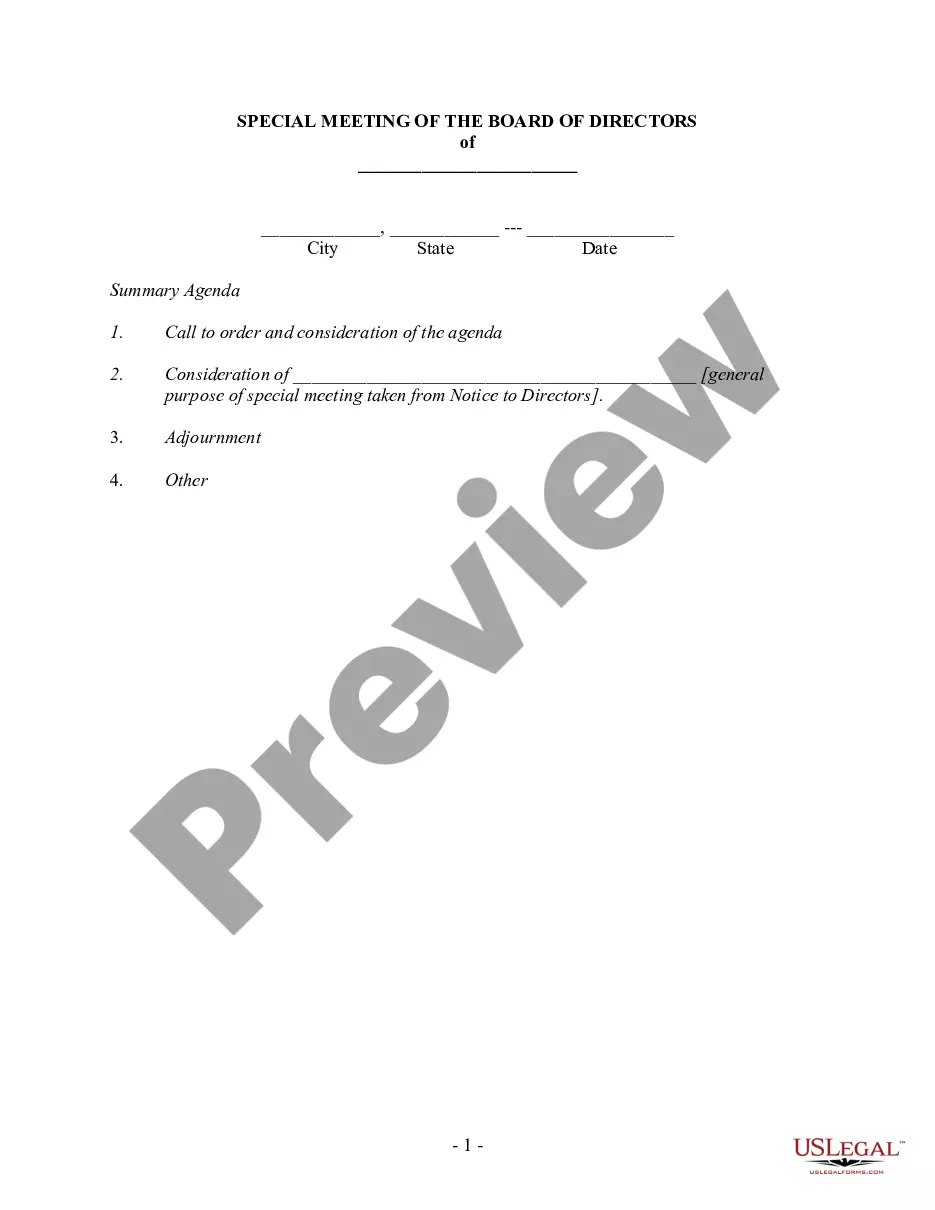


Get your form ready online
Our built-in tools help you complete, sign, share, and store your documents in one place.
Make edits, fill in missing information, and update formatting in US Legal Forms—just like you would in MS Word.
Download a copy, print it, send it by email, or mail it via USPS—whatever works best for your next step.
Sign and collect signatures with our SignNow integration. Send to multiple recipients, set reminders, and more. Go Premium to unlock E-Sign.
If this form requires notarization, complete it online through a secure video call—no need to meet a notary in person or wait for an appointment.
We protect your documents and personal data by following strict security and privacy standards.

Make edits, fill in missing information, and update formatting in US Legal Forms—just like you would in MS Word.

Download a copy, print it, send it by email, or mail it via USPS—whatever works best for your next step.

Sign and collect signatures with our SignNow integration. Send to multiple recipients, set reminders, and more. Go Premium to unlock E-Sign.

If this form requires notarization, complete it online through a secure video call—no need to meet a notary in person or wait for an appointment.

We protect your documents and personal data by following strict security and privacy standards.
Looking for another form?









Form popularity
FAQ
Who Is Allowed To Call a Meeting? A company's board can assemble a general meeting, and likewise the shareholders. Regardless, the CEO of the company may, all alone, gather a Meeting.
The following steps to running a board meeting are: Recognizing a quorum. Calling the meeting to order. Approving the agenda and minutes. Allowing for communication and reports. Addressing old/new/other business. Closing the meeting.
Essentially, the meeting protocol is a template workflow from calling the meeting to signing off the minutes from the previous meeting. The technical details that must be met to ensure the board can make its decisions. This could be the minimum number of members required for a quorum or the type of majority needed.
A quorum must be present for business to be conducted • All members have equal rights, privileges and obligations • No person should speak until recognized by the chair • Personal remarks or side discussions during debate are out of order • Only one question at a time may be considered, and only one person may have the ...
Board meetings are meetings of the directors and general meetings meetings of the members (shareholders) of the company.
The chair owns the agenda Who prepares the first draft? Usually the company secretary, the CEO or the board secretary. This then needs to be approved or amended by the chair. The agenda and the board papers need to be sent to all directors at least 5 days plus a weekend, prior to the board meeting.
Board meeting etiquette don'ts Don't – Make your agenda unrealistic. Don't – Be late. Don't – Interrupt others. Don't – Put others down. Don't – Use your smartphone. Don't – Inundate your board with several different pre-meeting emails. Don't – Allow side conversations. Don't – Read committee reports out loud.
(b)(1) Except as otherwise provided by law, all meetings shall be open to the public. All votes at any meeting shall be taken in public after due notice of the meeting and compliance with the posting and agenda requirements of this chapter.
Convening a Meeting 1.1 Authority A General Meeting shall be convened by or on the authority of the Board. The authority to convene a General Meeting of the company shall either be with the Board itself or with a Director, Company Secretary, Manager or any other officer of the company under the authority of the Board.
Non-‐Members at a Board Meeting: Non-‐members or ex-‐officio members of the board may participate in discussion or present reports at the discretion of the chair, but may not make motions or vote.

