Sample Letter After Meeting With Client In Michigan
Description

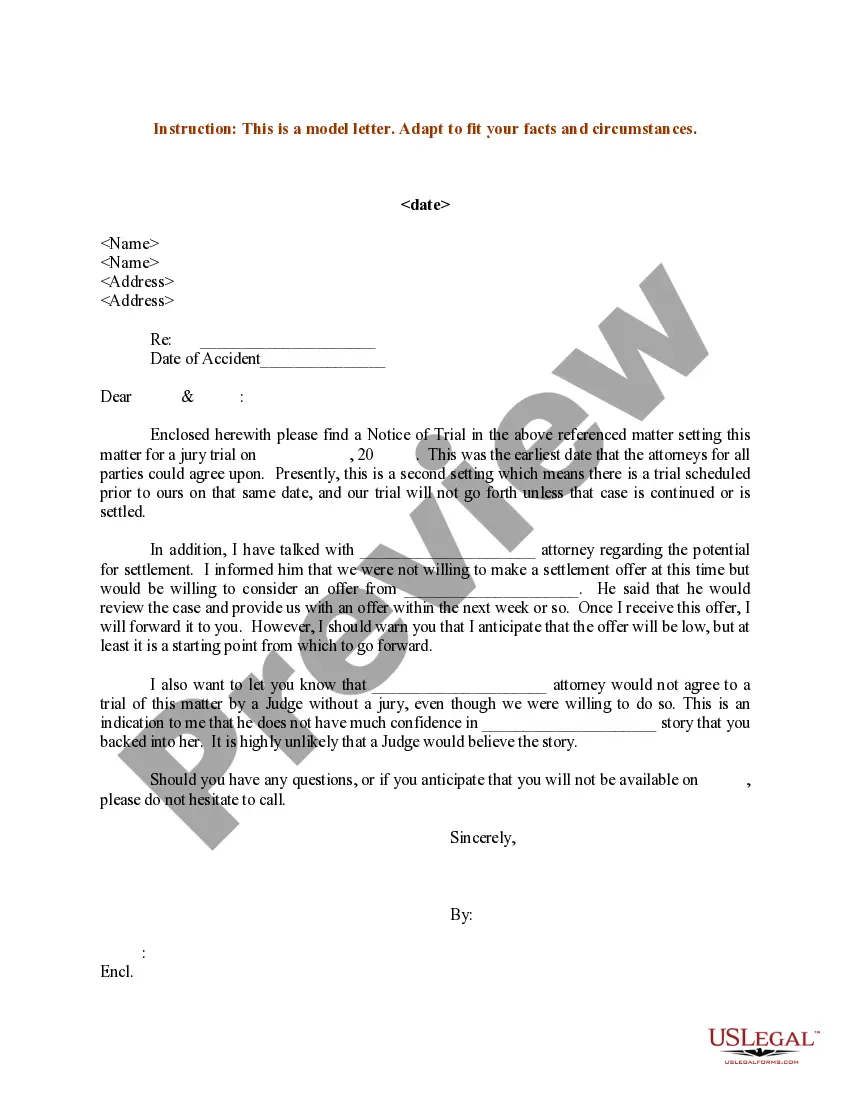
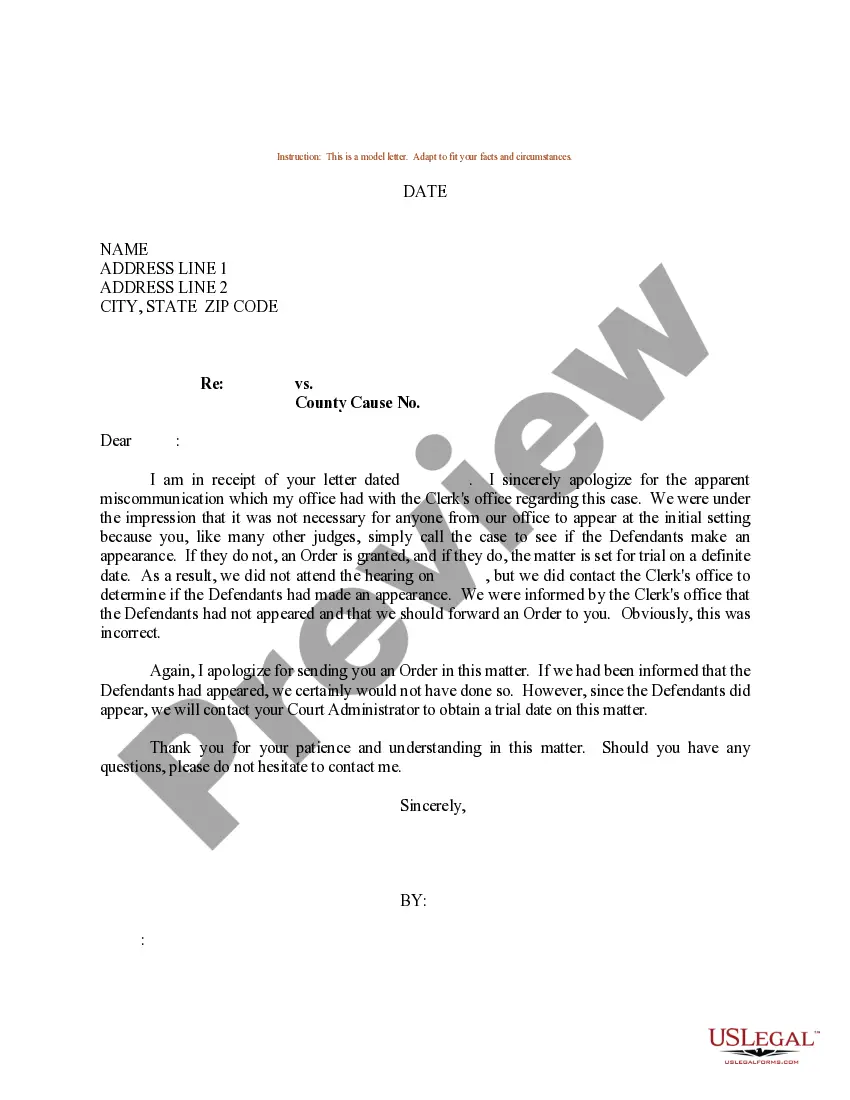
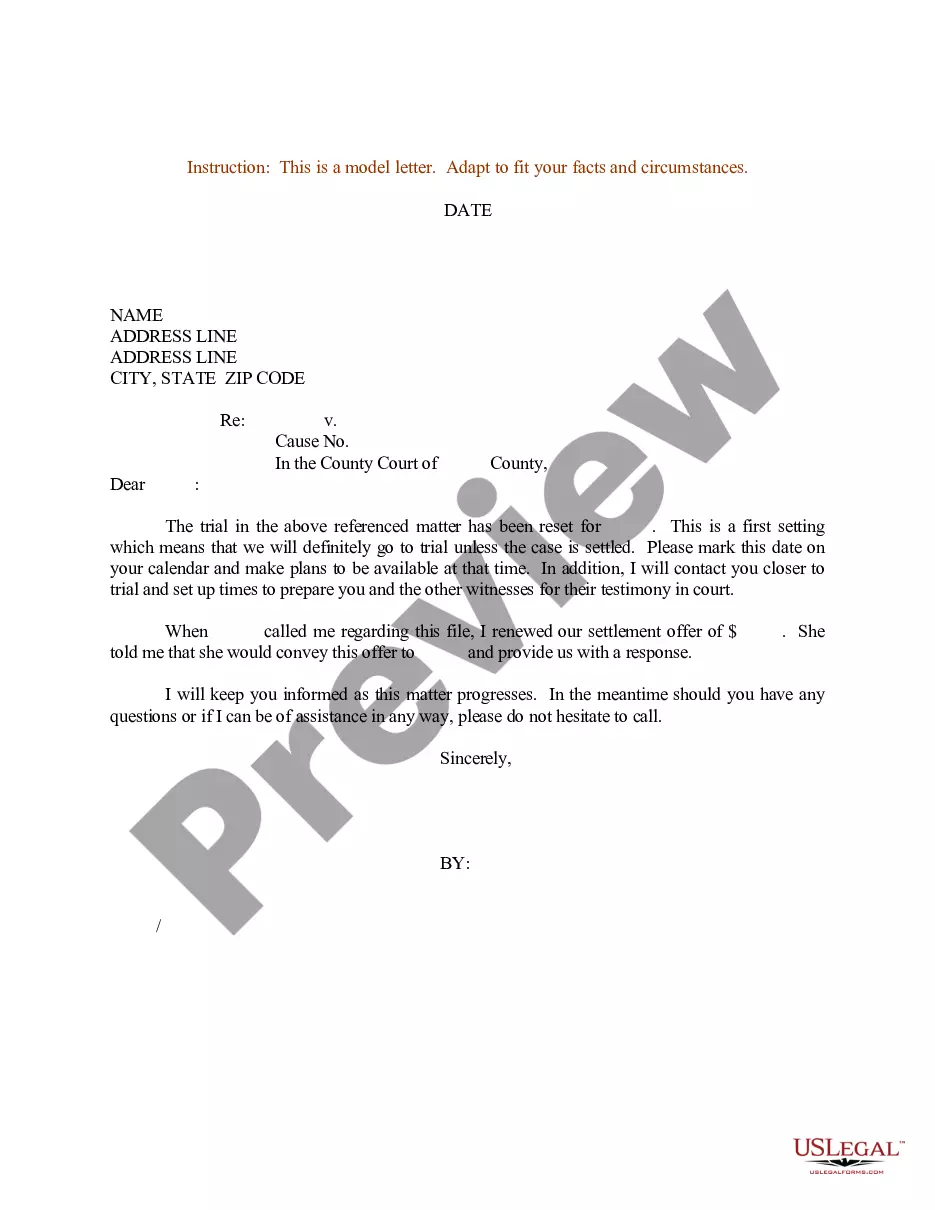
Get your form ready online
Our built-in tools help you complete, sign, share, and store your documents in one place.
Make edits, fill in missing information, and update formatting in US Legal Forms—just like you would in MS Word.
Download a copy, print it, send it by email, or mail it via USPS—whatever works best for your next step.
Sign and collect signatures with our SignNow integration. Send to multiple recipients, set reminders, and more. Go Premium to unlock E-Sign.
If this form requires notarization, complete it online through a secure video call—no need to meet a notary in person or wait for an appointment.
We protect your documents and personal data by following strict security and privacy standards.

Make edits, fill in missing information, and update formatting in US Legal Forms—just like you would in MS Word.

Download a copy, print it, send it by email, or mail it via USPS—whatever works best for your next step.

Sign and collect signatures with our SignNow integration. Send to multiple recipients, set reminders, and more. Go Premium to unlock E-Sign.

If this form requires notarization, complete it online through a secure video call—no need to meet a notary in person or wait for an appointment.

We protect your documents and personal data by following strict security and privacy standards.
Looking for another form?

Form popularity
FAQ
How to write a 'thank you for the meeting' email Have a clear subject line. Use a personal greeting. Use appreciative language. Refresh attendees' memory. Include the next steps. Offer additional help or information. Sign off professionally. Proofread before sending.
Generally speaking, the best way to follow up is to respond in what ever manner your prospect prefers. The content of your response should be a reprisal of your discussion, highlight any agreements made (including who is responsible and when), and provide all materials you agreed to provide as a result of your meeting
How to write the summary Express gratitude. Thank the attendees for taking the time to attend the meeting. Start with the important issues. Emphasise actionable items. Highlight agreements. Attach supporting documents. Remind recipients of the next meeting date. Organise your summary. Proofread your summary and send.
up email may seem simple on the surface, but following the best practices below will ensure you get it right the first time around: Write your email subject line based on the meeting topic. Say thank you. Reaffirm next steps. Read the email more than twice. Include some level of personalization.
5 Key Points for Writing a Comprehensive Meeting Summary Start with Clear and Concise Notes. Focus on capturing main points, decisions, and action items. Review and Highlight Key Takeaways. Capture Agenda Changes. Include Meeting Moments. Use Clear and Concise Language.
Dear name, It was a pleasure meeting you at the name of the event networking event on day of the week you met them. I really enjoyed our conversation about what you discussed and hearing your insights. Following up, I have attached a document from company name outlining what we discussed.
Simple Meeting Follow-Up Email Thanks for describe your meeting. It was great to discuss topic and I appreciate your specific feedback on specific problem or professional challenge. As discussed, moving forward we'll detail next steps. Here are links to essential resources needed for action items:
How to Write a Good Meeting Summary (Key Points) Write the date, time, location, meeting participants, and their roles. List topics discussed, decisions made, and action items. Use a text summarizer to summarize discussions, main points, and outcomes. Avoid jargon, aiming for summaries understandable by all.
How to write a follow-up meeting thank you email Thank them for their time. Refresh their memory. Include a brief recap of what you previously discussed. End with a call to action. Use a professional and friendly tone. Avoid sounding too pushy. After a job interview. After a seminar or event.

