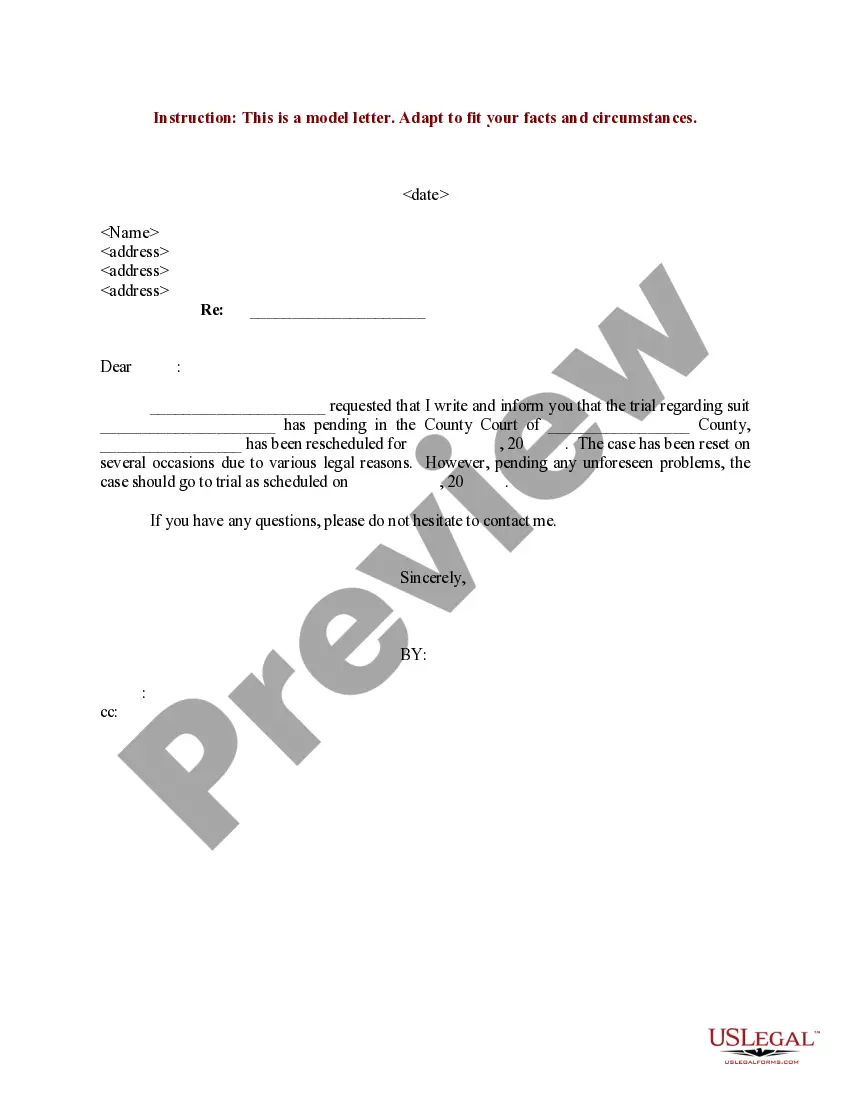
Sample Email To Client For Company Introduction In Houston
Description

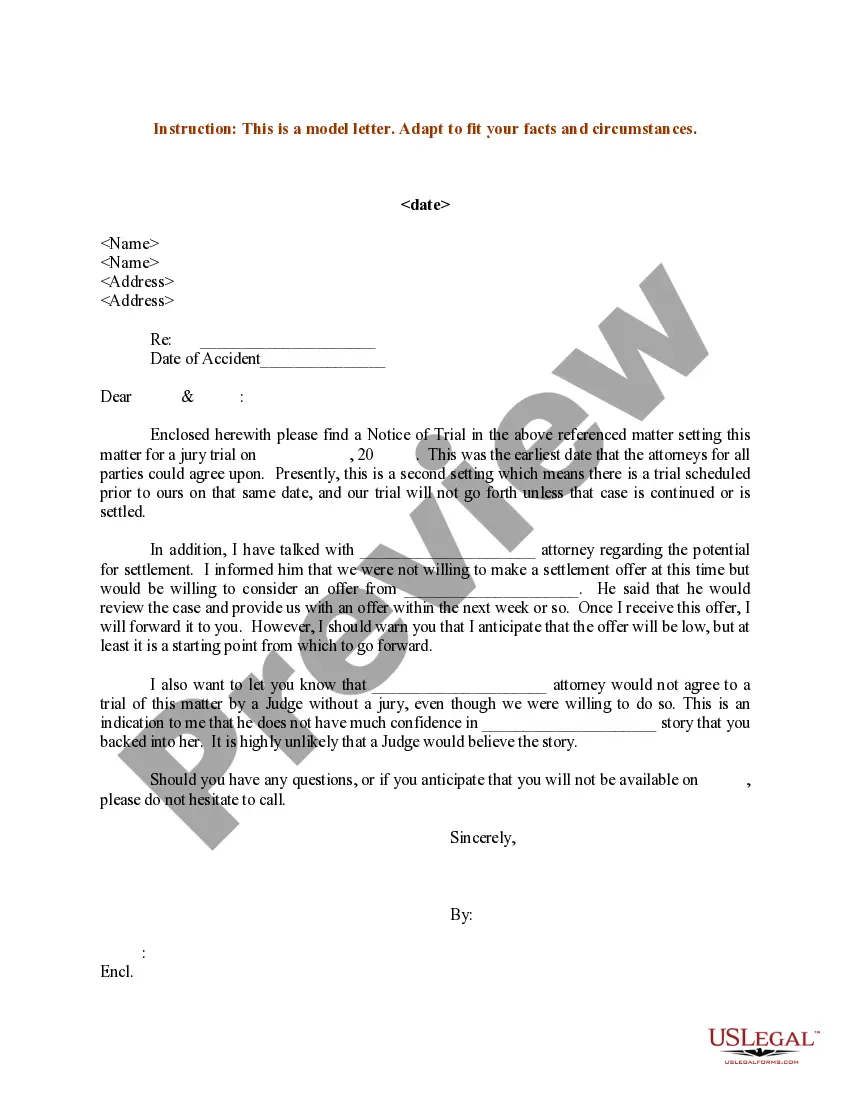
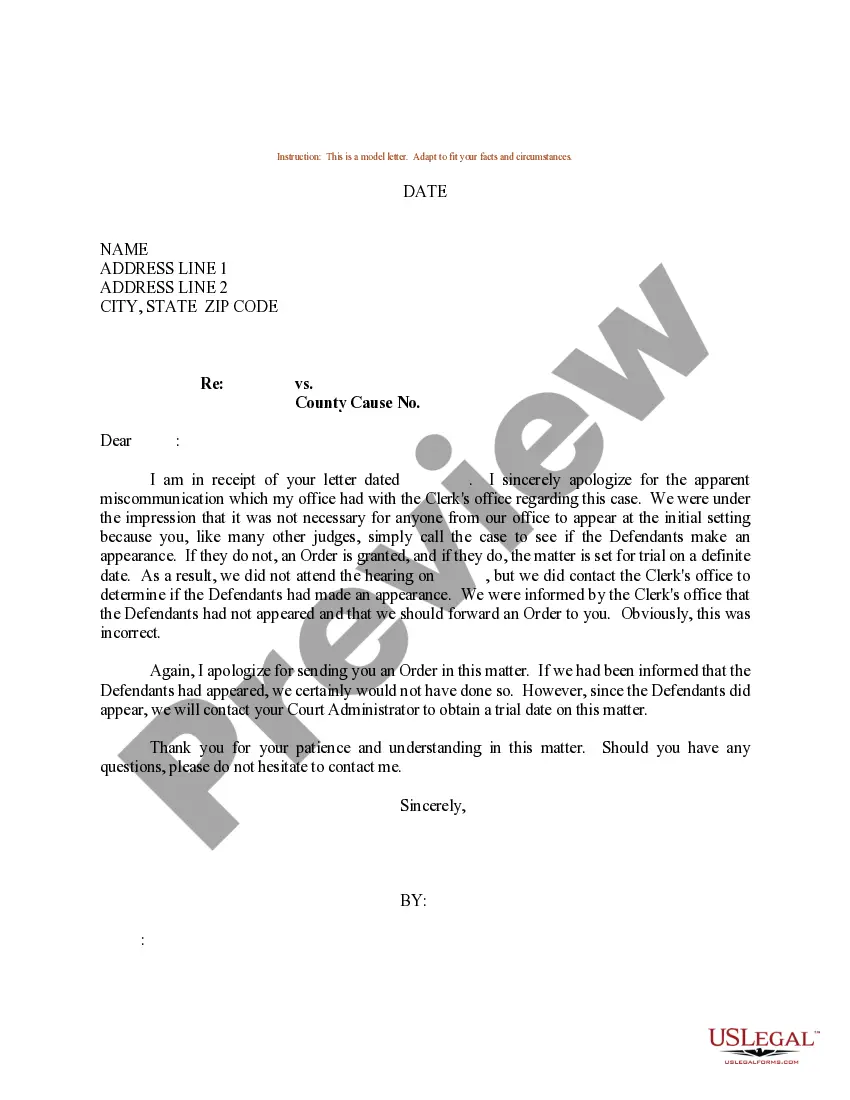
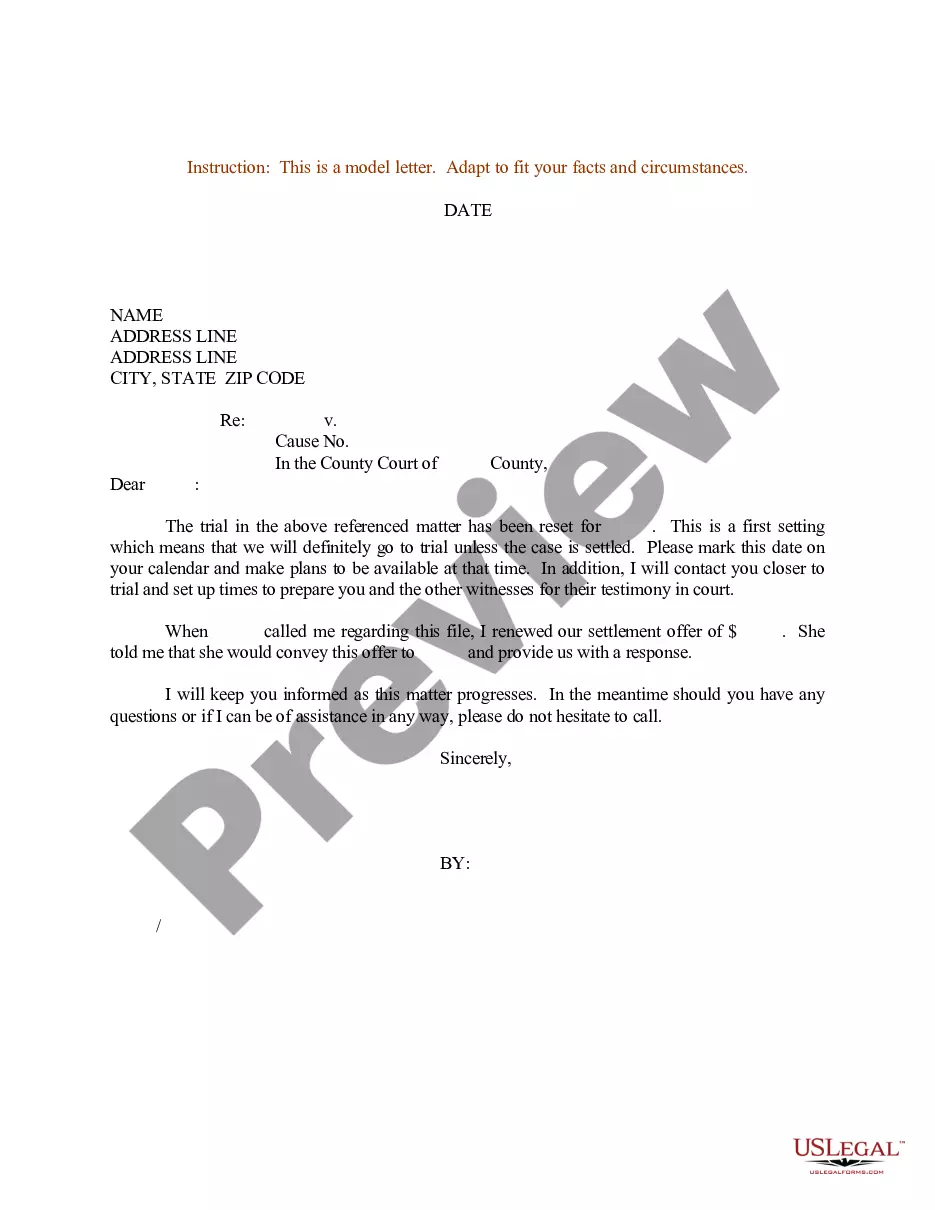
Get your form ready online
Our built-in tools help you complete, sign, share, and store your documents in one place.
Make edits, fill in missing information, and update formatting in US Legal Forms—just like you would in MS Word.
Download a copy, print it, send it by email, or mail it via USPS—whatever works best for your next step.
Sign and collect signatures with our SignNow integration. Send to multiple recipients, set reminders, and more. Go Premium to unlock E-Sign.
If this form requires notarization, complete it online through a secure video call—no need to meet a notary in person or wait for an appointment.
We protect your documents and personal data by following strict security and privacy standards.

Make edits, fill in missing information, and update formatting in US Legal Forms—just like you would in MS Word.

Download a copy, print it, send it by email, or mail it via USPS—whatever works best for your next step.

Sign and collect signatures with our SignNow integration. Send to multiple recipients, set reminders, and more. Go Premium to unlock E-Sign.

If this form requires notarization, complete it online through a secure video call—no need to meet a notary in person or wait for an appointment.

We protect your documents and personal data by following strict security and privacy standards.
Looking for another form?






Form popularity
FAQ
"Dear first name" "I hope this email finds you well" "Hello or hi" "Hope you're having a great week"
How to introduce yourself in an email. Write a clear, captivating subject line. Personalize your greeting. Start with a strong opening. Explain who you are and why you're reaching out. Provide value before making a request. If relevant, include a call to action. Close with gratitude and a professional sign-off.
Hello Name, I trust this email finds you well. I was excited to see your introduction in my inbox – it's always interesting to connect with new people. I see we both know Shared Connection, who has told me a great deal about your work.
Introducing yourself in an email Use an informative subject line. An email subject line is the first thing the recipient will see and will likely affect their decision of whether to open and read the email. Personalize your greeting. Explain why you're reaching out. Include a call to action. Offer thanks and close. Proofread.
Introducing yourself in an email Use an informative subject line. An email subject line is the first thing the recipient will see and will likely affect their decision of whether to open and read the email. Personalize your greeting. Explain why you're reaching out. Include a call to action. Offer thanks and close. Proofread.
How to write an email to a potential client? Write a subject line. Include a salutation. Write an introduction. Evaluate the prospect's position in the buyer's journey. Ensure the email includes your value proposition. Close the email with a salutation. Sign your name in the email and include contact information.
Introducing yourself to a potential client Hi Contact Name, I'mYour Name and I'm the Your Title at Your Company, a leading provider of Your Services to businesses like yours. Over the past Number years, we've helped Number clients just like yours Accomplishments using our proven Methodology.
In the opening paragraph, briefly state who you are, your role, and the purpose of your email. For example, ``I'm (Your Name), a (Your Title) at (Your Company). I'm reaching out to introduce myself and discuss how I may be able to assist your team with (brief description of your services or expertise).''
Here are some other things to keep in mind: Start your greeting with “Dear,” the participant's correct salutation and their last name. Avoid using the client's first name. Always name a specific contact. Use titles such as “Dr.” “Ms.” “Mr.” and “Mrs.”
Use these steps to write an engaging introduction email: Use an informative subject line. Personalize your greeting. Explain why you're reaching out. Include a call to action. Offer thanks and close. Proofread.