Sample Appreciation Letter To An Organization In Salt Lake
Description
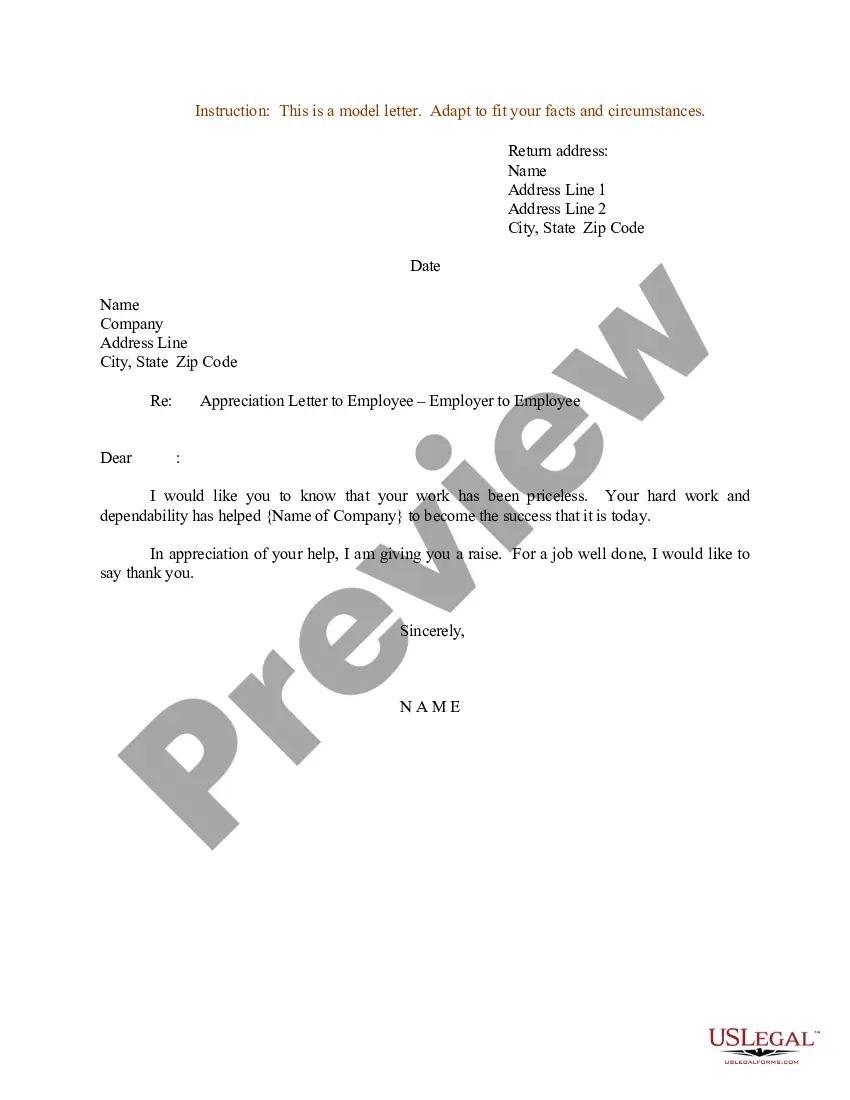
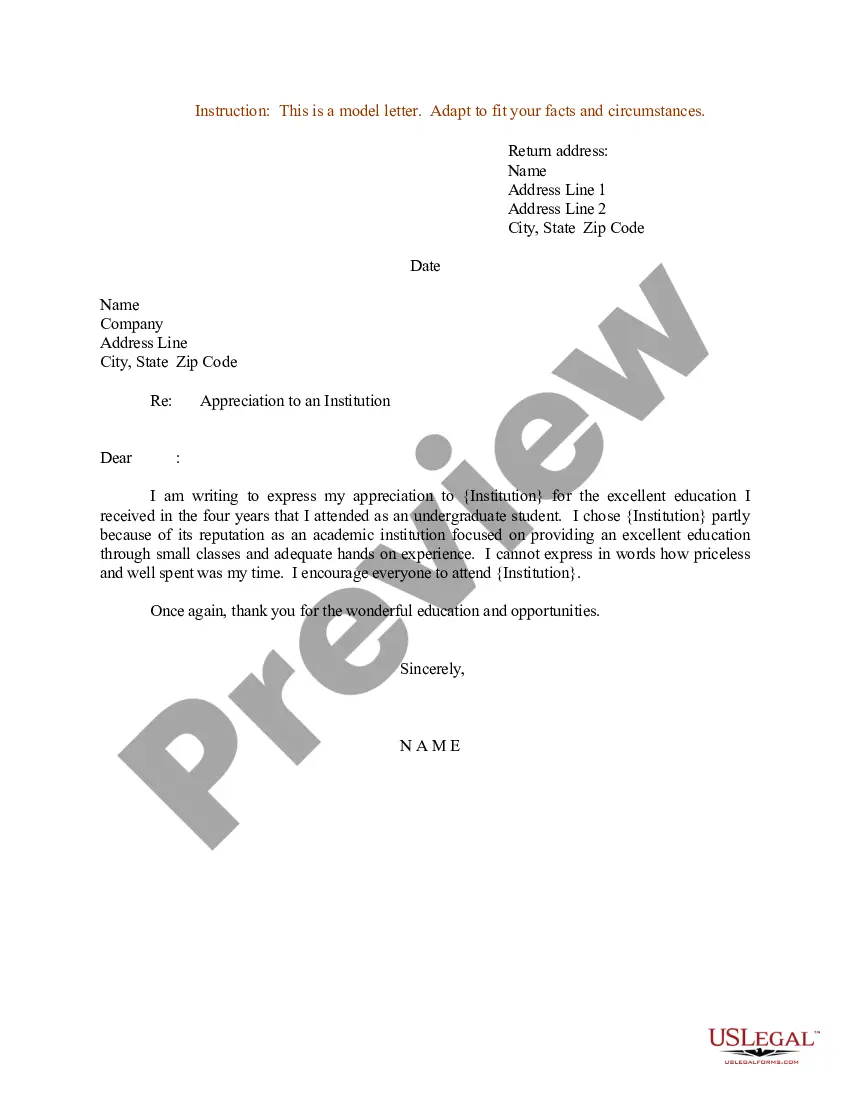
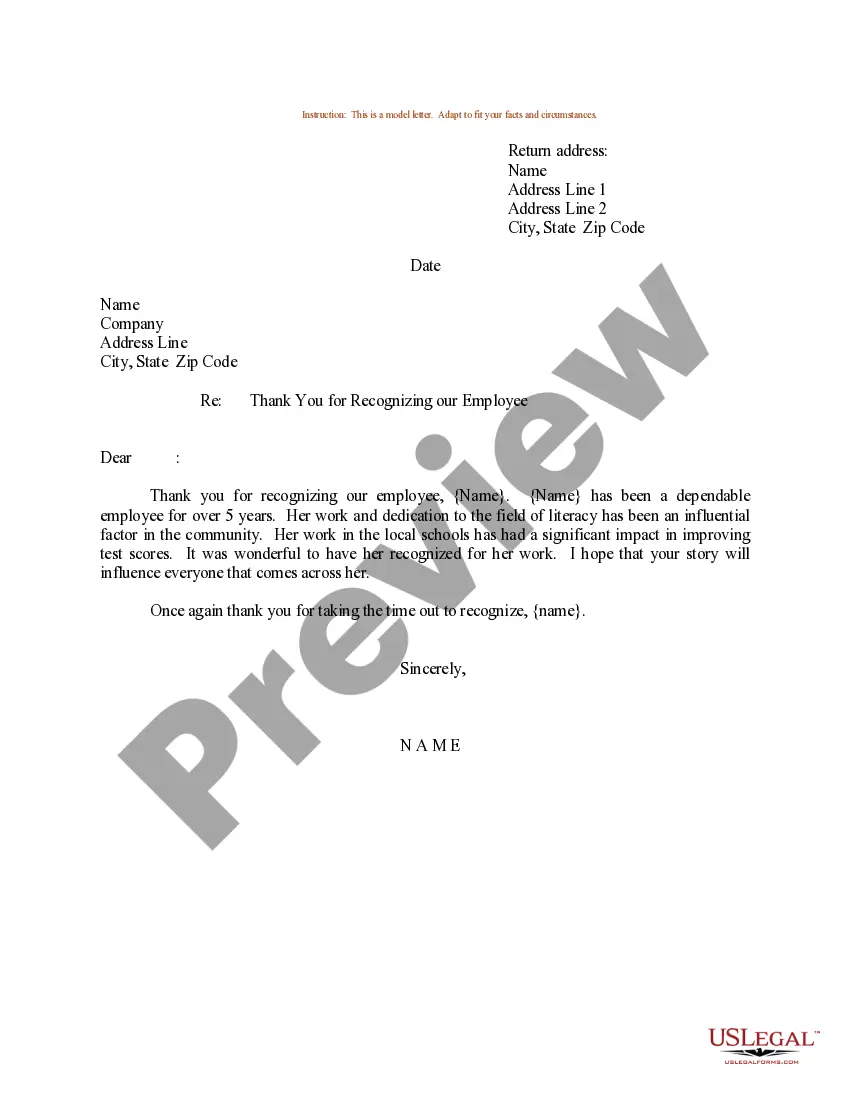
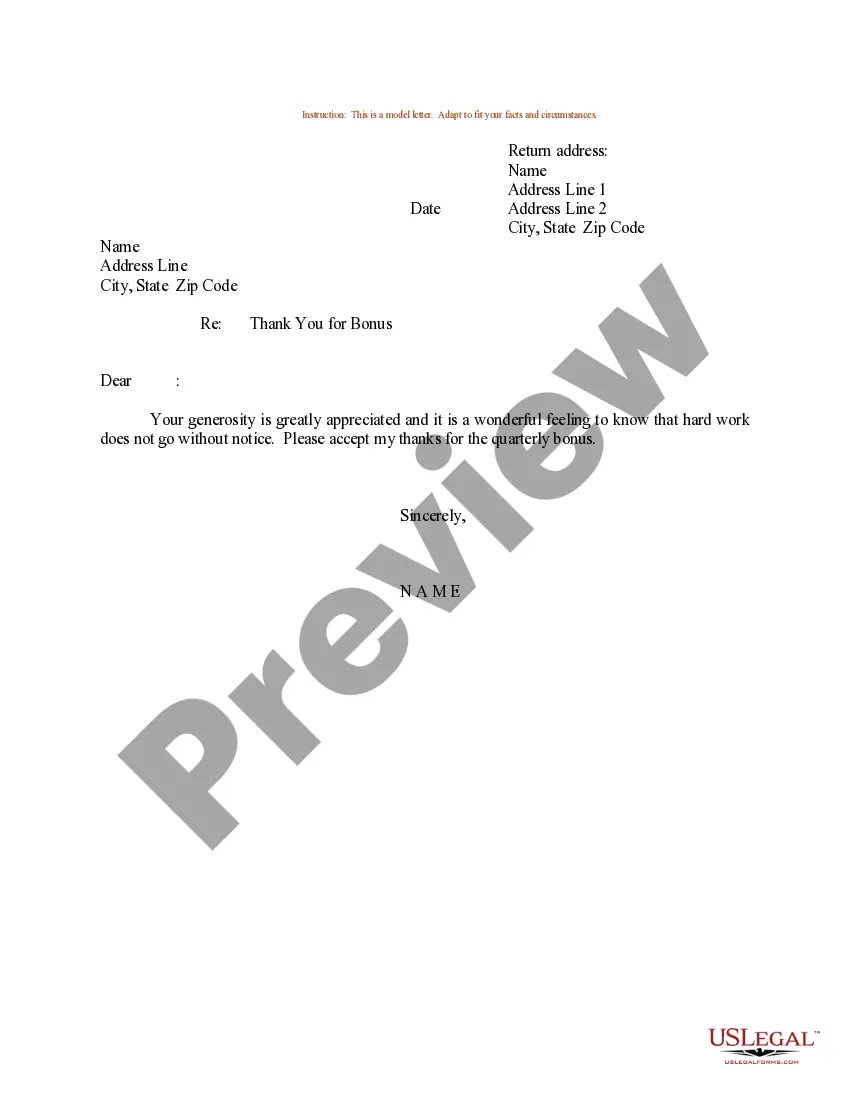
Get your form ready online
Our built-in tools help you complete, sign, share, and store your documents in one place.
Make edits, fill in missing information, and update formatting in US Legal Forms—just like you would in MS Word.
Download a copy, print it, send it by email, or mail it via USPS—whatever works best for your next step.
Sign and collect signatures with our SignNow integration. Send to multiple recipients, set reminders, and more. Go Premium to unlock E-Sign.
If this form requires notarization, complete it online through a secure video call—no need to meet a notary in person or wait for an appointment.
We protect your documents and personal data by following strict security and privacy standards.

Make edits, fill in missing information, and update formatting in US Legal Forms—just like you would in MS Word.

Download a copy, print it, send it by email, or mail it via USPS—whatever works best for your next step.

Sign and collect signatures with our SignNow integration. Send to multiple recipients, set reminders, and more. Go Premium to unlock E-Sign.

If this form requires notarization, complete it online through a secure video call—no need to meet a notary in person or wait for an appointment.

We protect your documents and personal data by following strict security and privacy standards.
Looking for another form?








Form popularity
FAQ
Here are steps to help you write an effective letter: Choose the correct format. The formality of a recognition letter fluctuates ing to the reason you're writing. Add contact information. Add a greeting. Write out the main message. Summarize with a conclusion. Add a closing phrase. Proofread the letter.
Have you ever received praise from your boss in front of a group of colleagues? Did you have a supervisor who took your team out to lunch to celebrate the completion of a big project? If so, you understand how it feels to be thanked and appreciated.
5 Employee appreciation letter best practices 1) Be timely. Appreciation is more impactful when it's immediate and in the moment. 2) Be specific. A generic “great job” might be easy to write, but it's just as easy to forget. 3) Make it genuine. 4) Give appreciation often. 5) Cultivate culture.
Here's what else you need to include in your follow-up thank you email: Thank them for their time. Refresh their memory. Include a brief recap of what you previously discussed. End with a call to action. Use a professional and friendly tone. Avoid sounding too pushy.
Formal appreciation letter template Your actions directly impacted the company by insert how the employee's actions benefited the team or company on a greater level. I want you to know that I value the amount of effort you have put into your work. You are significantly appreciated as a part of this team.
How to write a business letter Identify your purpose. Before you write a word, you should have a clear purpose for your letter. Find a contact. Every letter needs a recipient. Follow a consistent format. Write with intention. Keep it short. Copy edit.
You're an exemplary employee with a great attitude and values. Thank you for setting such a great example for our company! You don't do a good job—you do a great one. Thank you for all the hard work you put into everything you do!
Appreciation messages for acts of kindness or favors Thank you for going out of your way to help me—it meant so much and truly brightened my day. Your kindness in specific action was a true gift, and I'm so grateful for your thoughtfulness. I can't thank you enough for your support with specific situation.
The relationships are interpersonal rather than romantic, and the interactions are between co-workers or between managers and employees. The five languages of appreciation are acts of service, quality time, words of affirmation, tangible gifts, and appropriate physical touch.
Some helpful thank-you phrases for different situations include: “Thank you for your valuable advice”, “I really appreciate your help”, “I applaud you for your excellent work”, “I am forever grateful for this opportunity”, “I greatly appreciate your time”.

