Wholesale Agreement Template With Collateral In Allegheny
Description

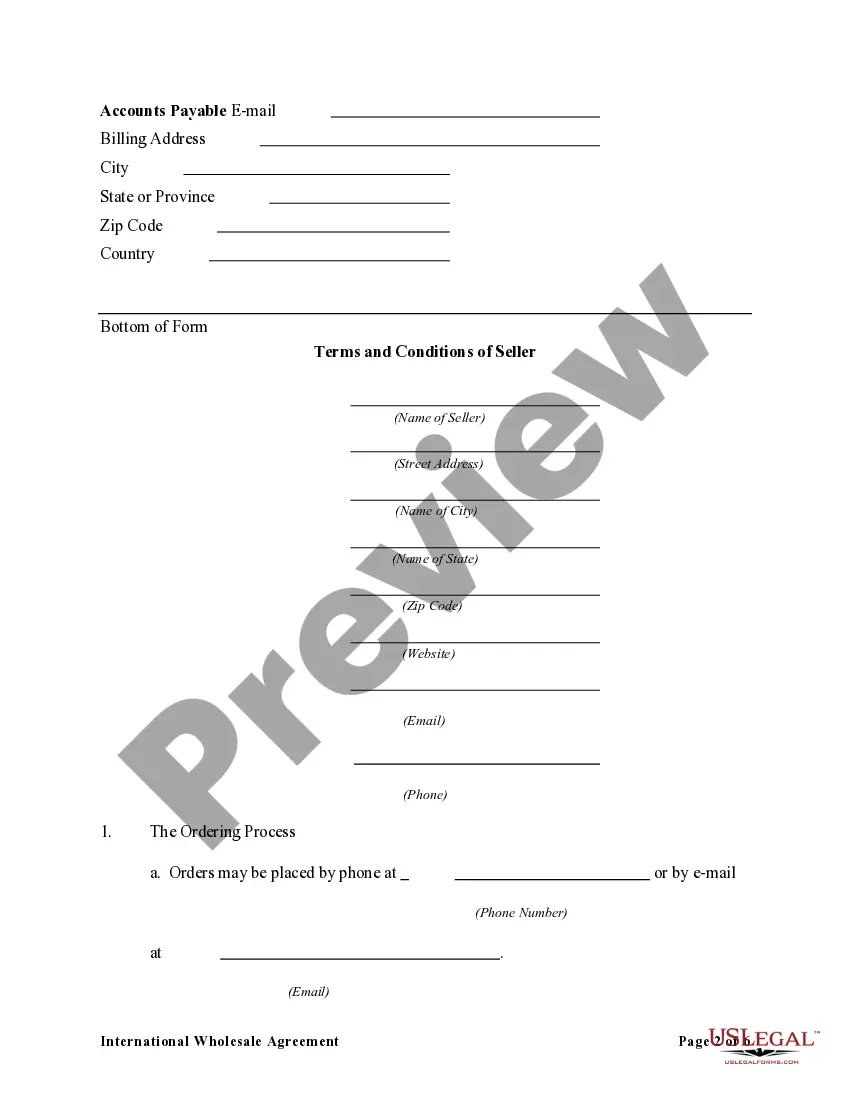
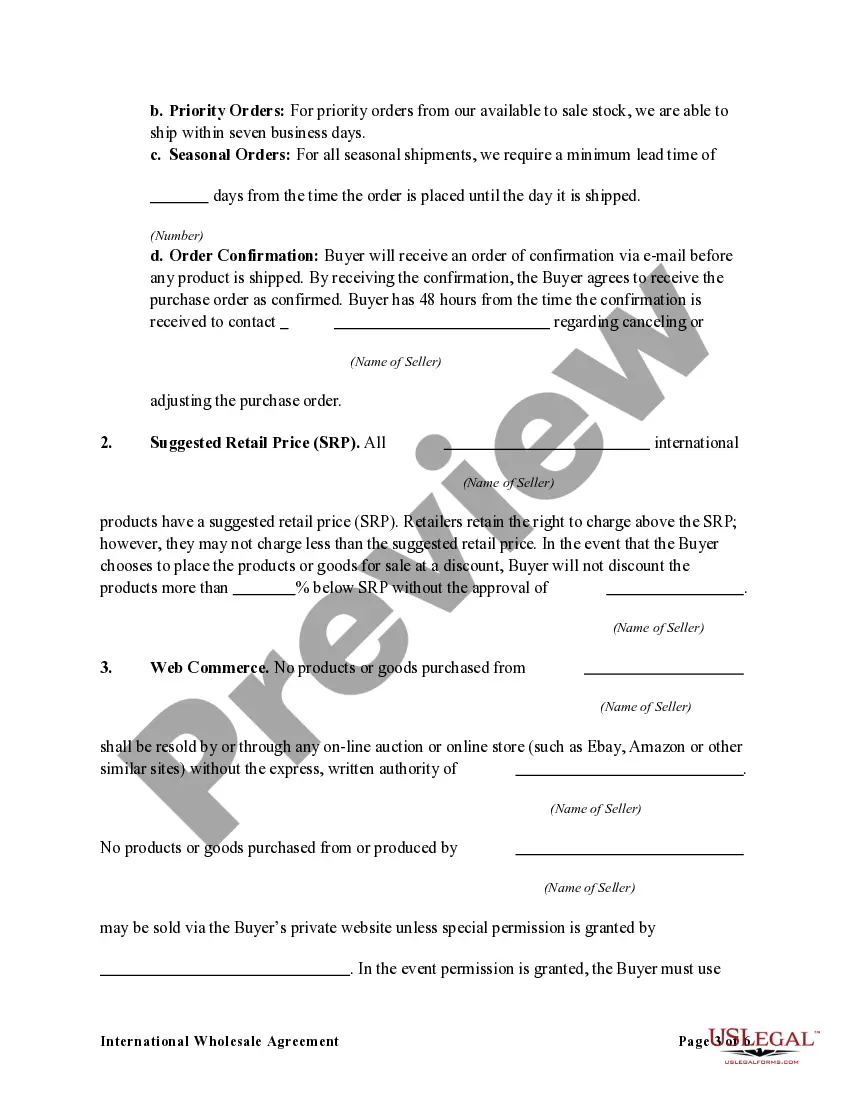
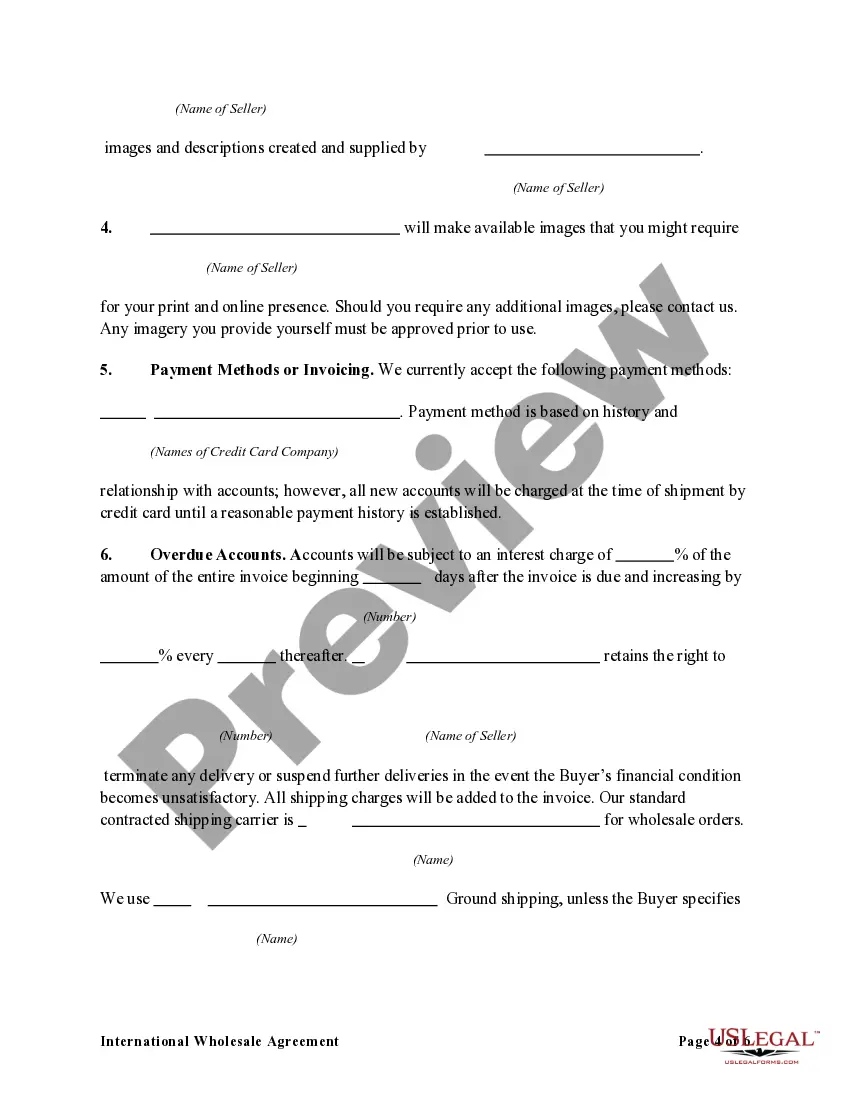
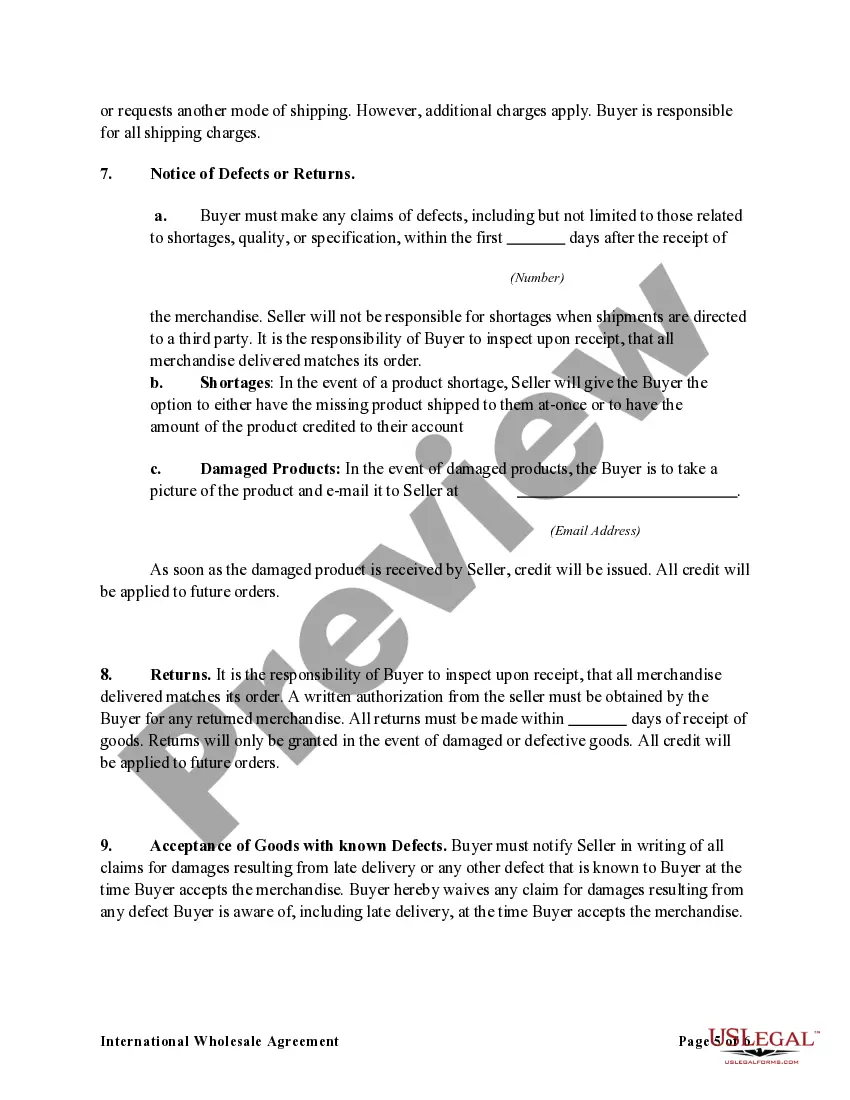
Get your form ready online
Our built-in tools help you complete, sign, share, and store your documents in one place.
Make edits, fill in missing information, and update formatting in US Legal Forms—just like you would in MS Word.
Download a copy, print it, send it by email, or mail it via USPS—whatever works best for your next step.
Sign and collect signatures with our SignNow integration. Send to multiple recipients, set reminders, and more. Go Premium to unlock E-Sign.
If this form requires notarization, complete it online through a secure video call—no need to meet a notary in person or wait for an appointment.
We protect your documents and personal data by following strict security and privacy standards.

Make edits, fill in missing information, and update formatting in US Legal Forms—just like you would in MS Word.

Download a copy, print it, send it by email, or mail it via USPS—whatever works best for your next step.

Sign and collect signatures with our SignNow integration. Send to multiple recipients, set reminders, and more. Go Premium to unlock E-Sign.

If this form requires notarization, complete it online through a secure video call—no need to meet a notary in person or wait for an appointment.

We protect your documents and personal data by following strict security and privacy standards.
Looking for another form?







Form popularity
FAQ
Key Takeaways. A security agreement is a document that provides a lender a security interest in a specified asset or property that is pledged as collateral. Security agreements often contain covenants that outline provisions for the advancement of funds, a repayment schedule, or insurance requirements.
WHAT IS PLEDGING OF SECURITIES? Pledging here refers to an activity in which the borrower (pledgor) of funds uses securities as a form of collateral to secure the funds it borrows or takes from the lender (Pledgee).
A pledge and security agreement is a legal document that outlines an arrangement in which one party (the pledgor) unconditionally transfers the title to a specific property or asset to another person or entity (the pledgee), who accepts it for safekeeping, usually in return for some form of compensation.
Under the UCC, a pledge agreement is a security agreement. The nature of the pledged assets means that a pledge agreement may contain different representations and warranties and covenants than a security agreement over business assets (for example, voting rights).
A pledge agreement is just another name for a security agreement which creates a security interest in equity and promissory notes. The term "pledge" predates the UCC, when a pledge involved the creation of a security interest by physical possession of the property.
A security agreement is the contract that protects a promissory note with collateral. The security agreement might describe the property or assets put up for collateral and will detail whether the lender can hold the collateral or how the lender can seize the collateral should non-payment occur.
Under the UCC, a pledge agreement is a security agreement. The nature of the pledged assets means that a pledge agreement may contain different representations and warranties and covenants than a security agreement over business assets (for example, voting rights).
A comprehensive security guard contract template should include the following elements: Parties involved. Names and addresses of the client and the security service provider. Scope of services. Duration of the contract. Payment terms. Responsibilities. Liability and insurance. Termination clause. Confidentiality.
A General Security Agreement (GSA) grants a security interest over personal property or assets, the collateral pledged for many types of financing. The contract is executed by a debtor (borrower) in favor of a creditor (lender). A GSA can support various lender obligations, including personal and commercial loans.
