All Business Purchase Formula In Philadelphia
Description

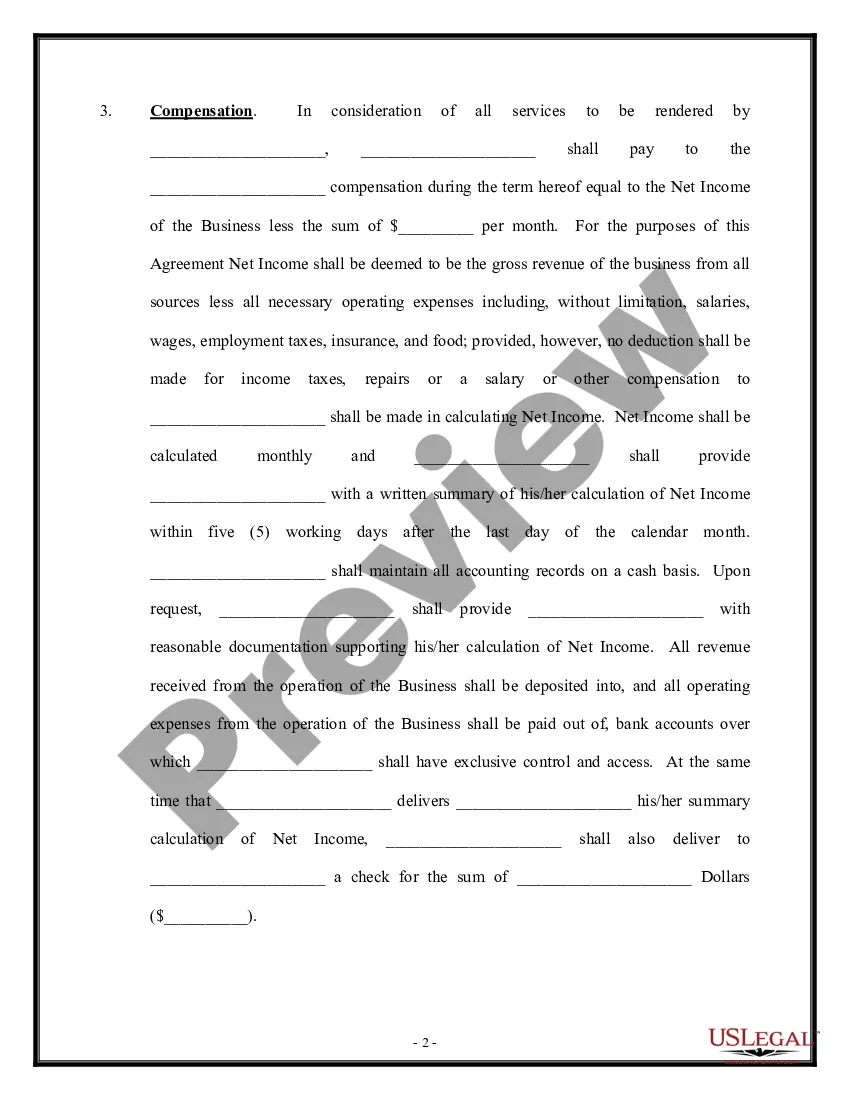
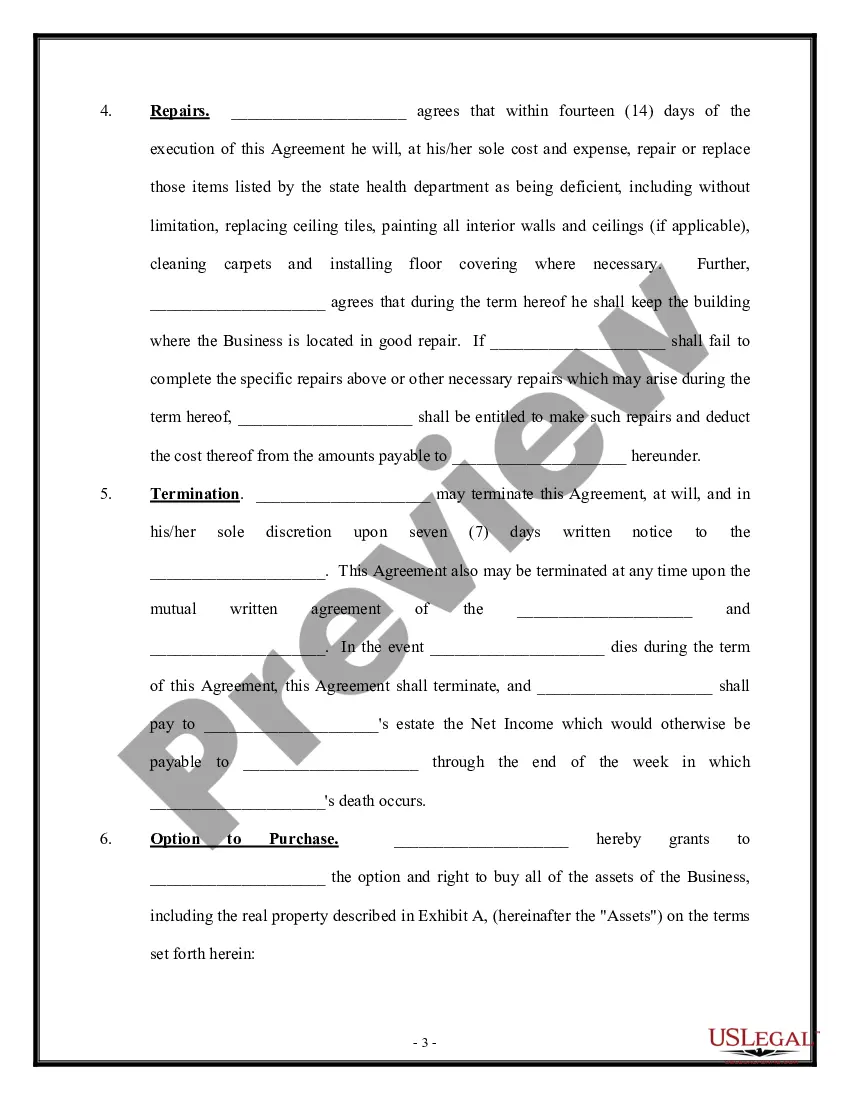
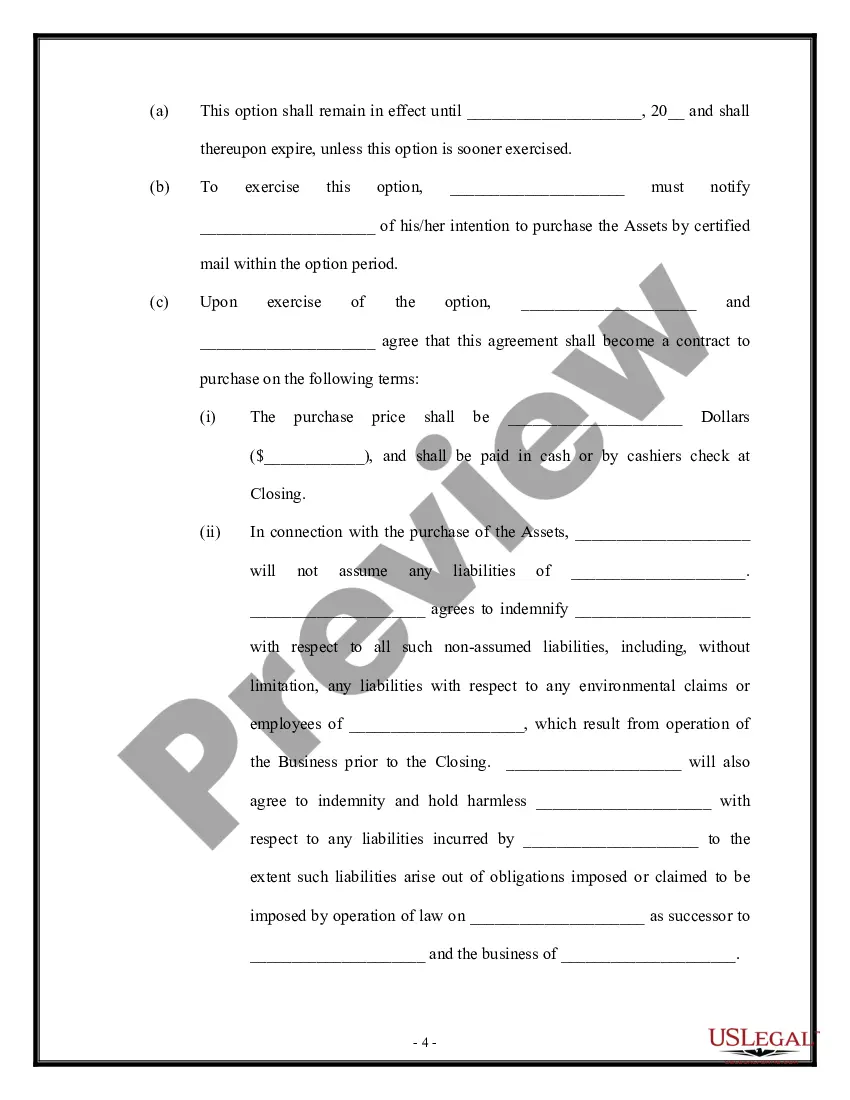
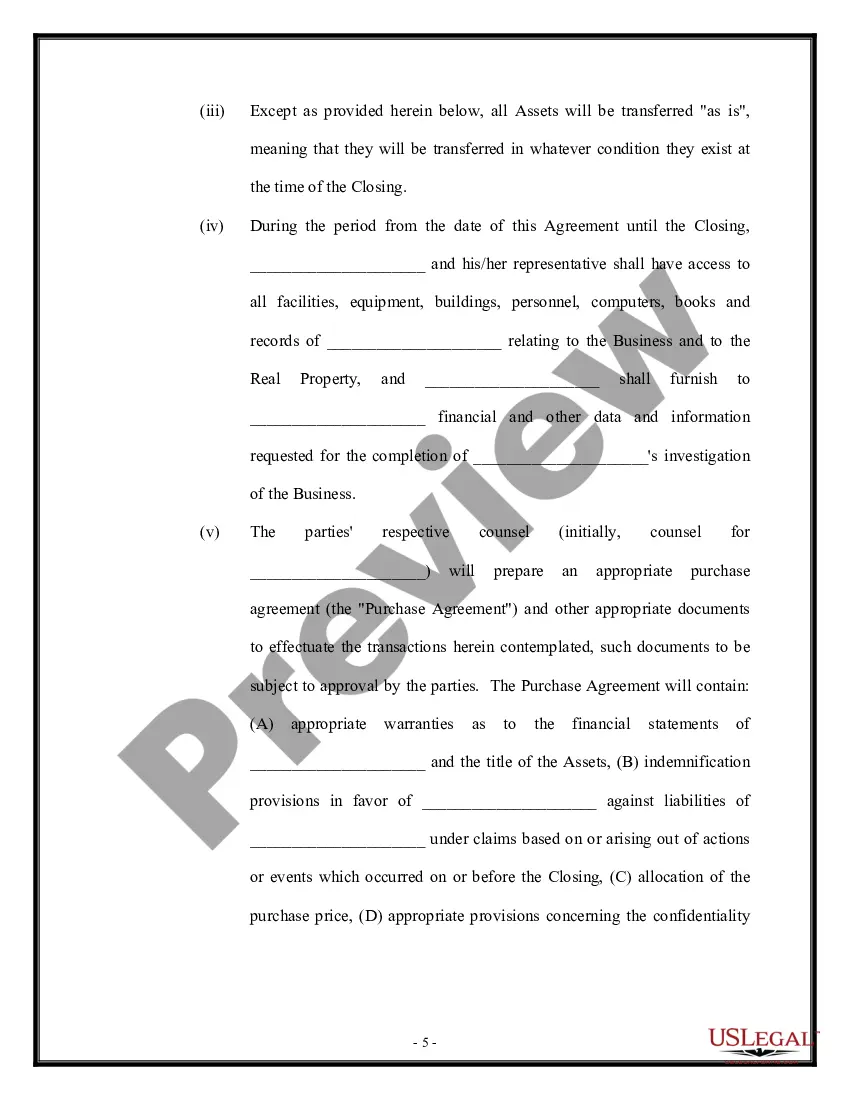
Get your form ready online
Our built-in tools help you complete, sign, share, and store your documents in one place.
Make edits, fill in missing information, and update formatting in US Legal Forms—just like you would in MS Word.
Download a copy, print it, send it by email, or mail it via USPS—whatever works best for your next step.
Sign and collect signatures with our SignNow integration. Send to multiple recipients, set reminders, and more. Go Premium to unlock E-Sign.
If this form requires notarization, complete it online through a secure video call—no need to meet a notary in person or wait for an appointment.
We protect your documents and personal data by following strict security and privacy standards.

Make edits, fill in missing information, and update formatting in US Legal Forms—just like you would in MS Word.

Download a copy, print it, send it by email, or mail it via USPS—whatever works best for your next step.

Sign and collect signatures with our SignNow integration. Send to multiple recipients, set reminders, and more. Go Premium to unlock E-Sign.

If this form requires notarization, complete it online through a secure video call—no need to meet a notary in person or wait for an appointment.

We protect your documents and personal data by following strict security and privacy standards.
Looking for another form?






Form popularity
FAQ
Tax rates, penalties, & fees The current rates for the Business Income & Receipts Tax (BIRT) are 1.415 mills ($1.415 per $1,000) on gross receipts, and 5.99% on taxable net income. The BIRT is based on both gross receipts and net income. Both parts must be filed.
The tax rate is the same as the sales tax, 6 percent state, plus 1 percent local tax for items purchased in, delivered to or used in Allegheny County or 2 percent local tax in Philadelphia.
Pennsylvania has an 8.49 percent corporate income tax rate. Pennsylvania has a 6.00 percent state sales tax rate and an average combined state and local sales tax rate of 6.34 percent. Pennsylvania also has a 1.26 percent effective property tax rate on owner-occupied housing value. Pennsylvania has an inheritance tax.
The Property and Payroll Factors are no longer used in the calculation of the Philadelphia Apportionment percentage. The Single Sales/Receipts Factor Apportionment percentage is the ratio of Philadelphia Sales/Receipts to Total Sales/Receipts everywhere.
Asset-Based Valuation is a method used in company valuations to determine a company's worth based on its tangible assets. This approach calculates the company's value by summing up the value of its assets and subtracting its liabilities. Tangible assets may include property, equipment, inventory, and investments.
To find the fair market value, it is then necessary to divide that figure by the capitalization rate. Therefore, the income approach would reveal the following calculations. Projected sales are $500,000, and the capitalization rate is 25%, so the fair market value is $125,000.
Current Value = (Asset Value) / (1 – Debt Ratio) To quickly value a business, find its total liabilities and subtract them from the total assets. This will give you an idea of its book value. This formula estimates the worth of a business by looking at its assets and subtracting any liabilities.
Current Value = (Asset Value) / (1 – Debt Ratio) To accurately ascertain a business's value efficiently, calculate its total liabilities and subtract that figure from the sum of all assets—the resulting number is known as book value.
Add up the value of everything the business owns, including all equipment and inventory. Subtract any debts or liabilities. The value of the business's balance sheet is at least a starting point for determining the business's worth. But the business is probably worth a lot more than its net assets.
