All Business Purchase Formulas Gcse In Minnesota
Description

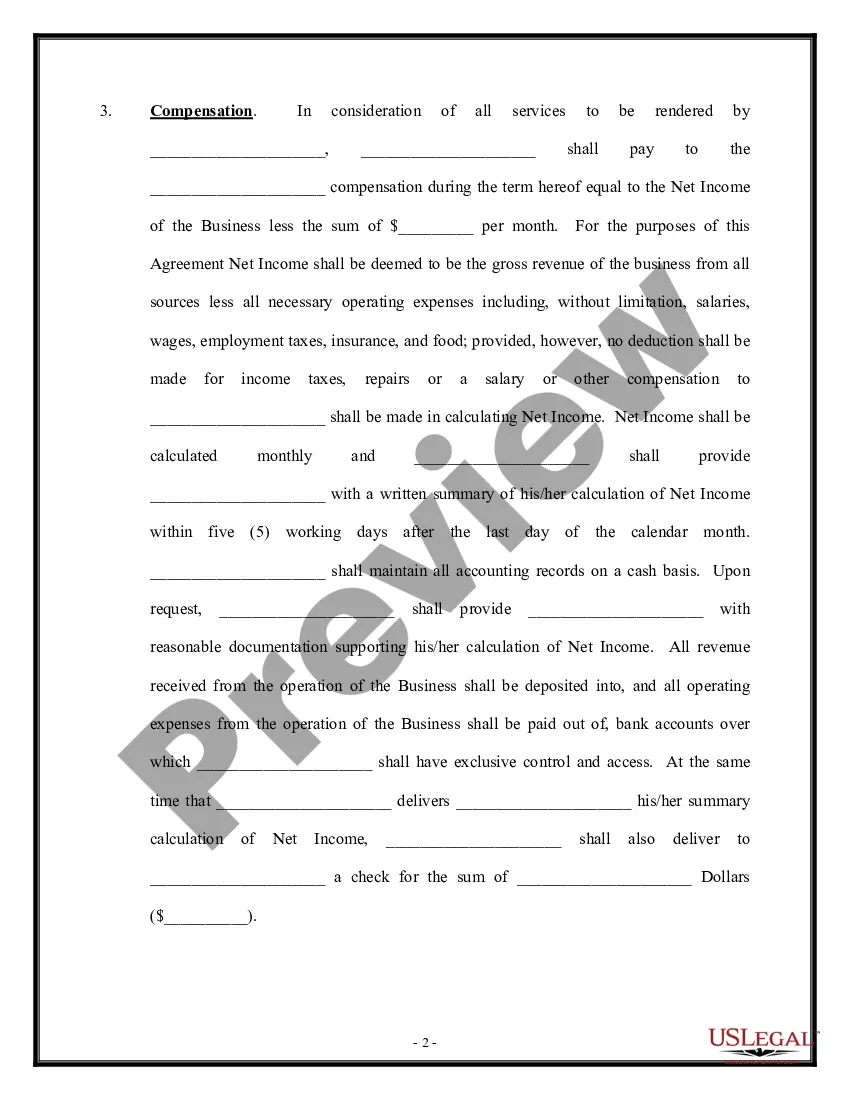
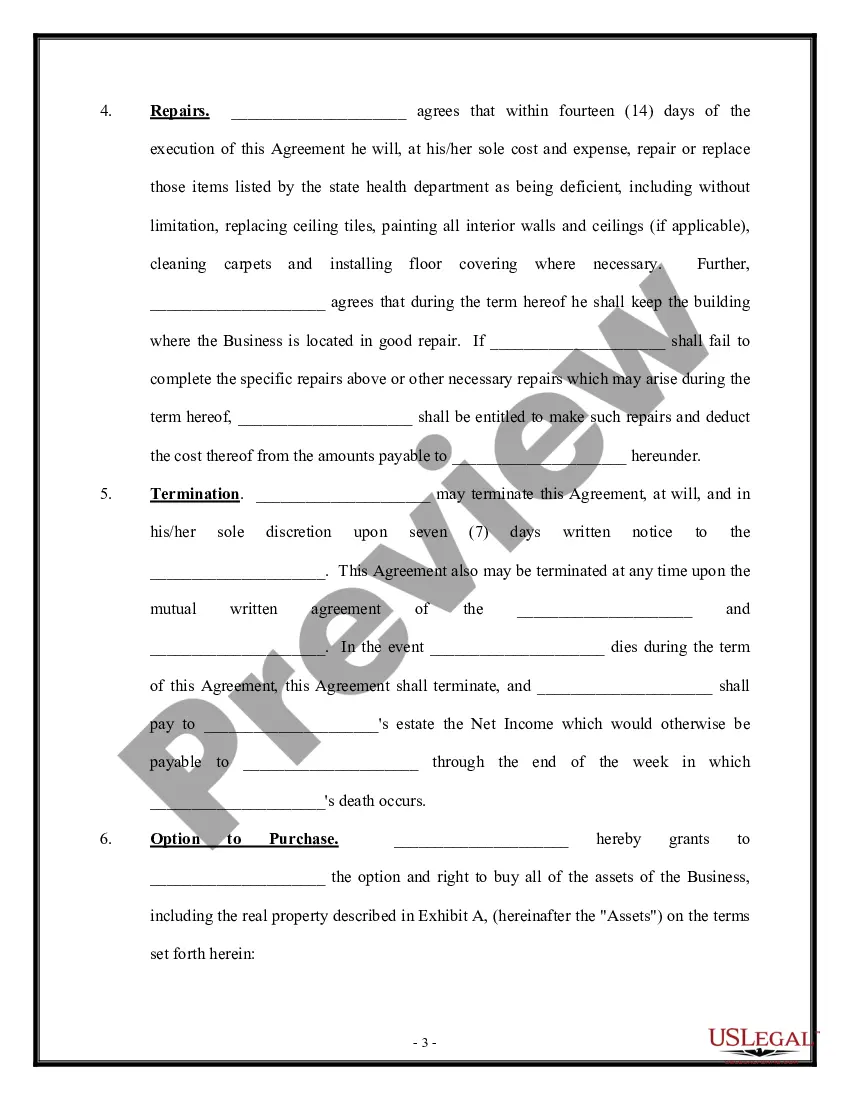

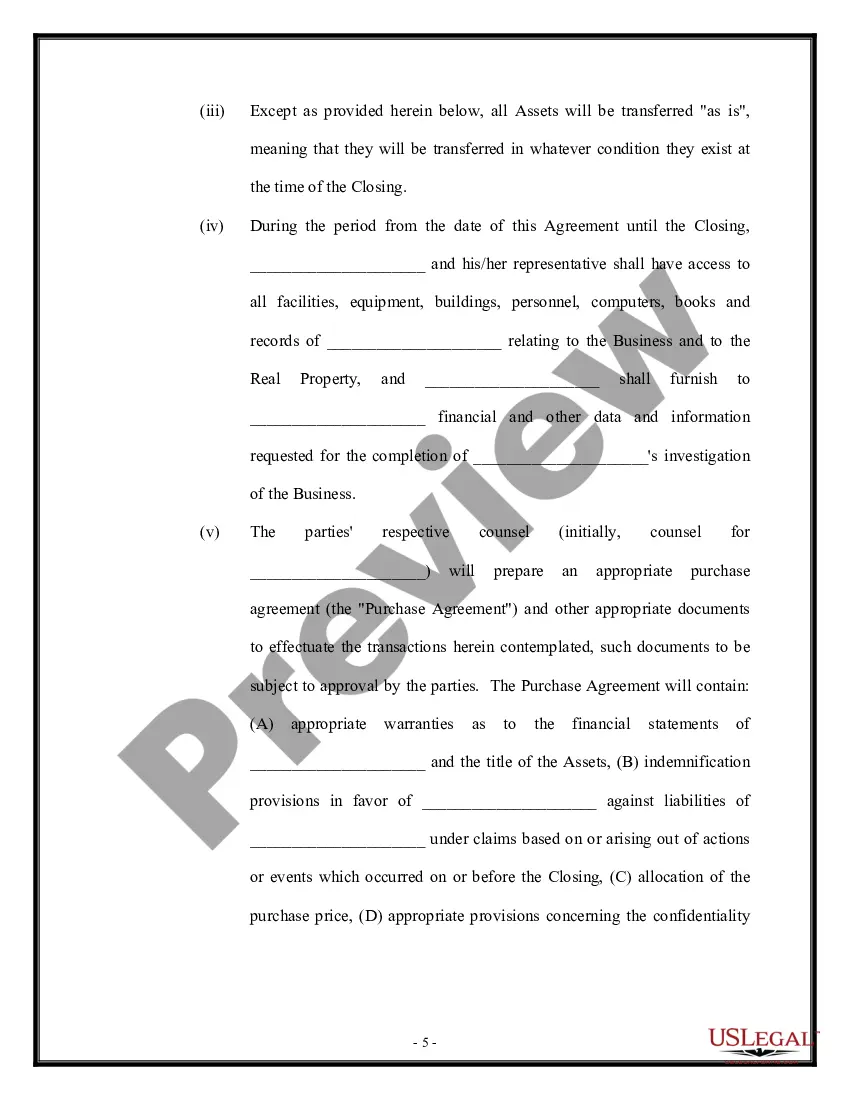

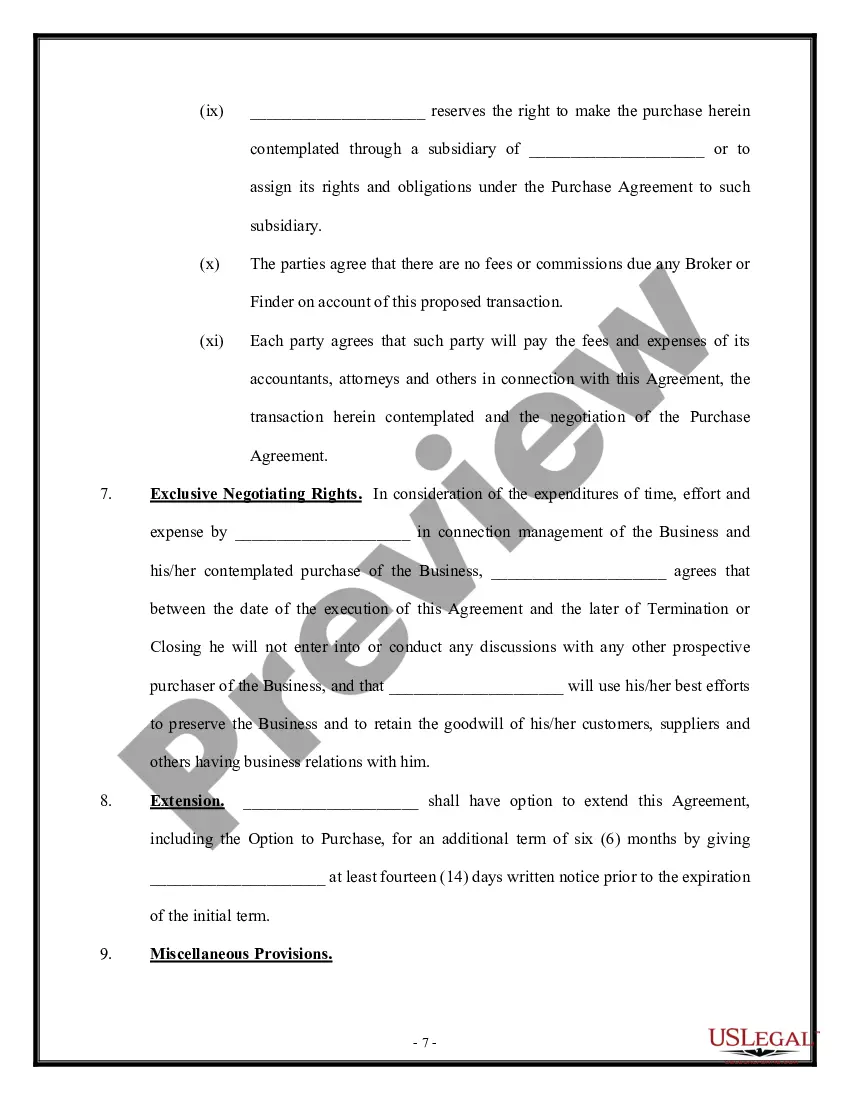
Get your form ready online
Our built-in tools help you complete, sign, share, and store your documents in one place.
Make edits, fill in missing information, and update formatting in US Legal Forms—just like you would in MS Word.
Download a copy, print it, send it by email, or mail it via USPS—whatever works best for your next step.
Sign and collect signatures with our SignNow integration. Send to multiple recipients, set reminders, and more. Go Premium to unlock E-Sign.
If this form requires notarization, complete it online through a secure video call—no need to meet a notary in person or wait for an appointment.
We protect your documents and personal data by following strict security and privacy standards.

Make edits, fill in missing information, and update formatting in US Legal Forms—just like you would in MS Word.

Download a copy, print it, send it by email, or mail it via USPS—whatever works best for your next step.

Sign and collect signatures with our SignNow integration. Send to multiple recipients, set reminders, and more. Go Premium to unlock E-Sign.

If this form requires notarization, complete it online through a secure video call—no need to meet a notary in person or wait for an appointment.

We protect your documents and personal data by following strict security and privacy standards.
Looking for another form?







Form popularity
FAQ
The net income defined as the difference between revenue and expenses determine the business income of an enterprise. Under the income statements approach, expenses are matched with the revenues and the income statement is the most significant financial statement to measure income of a business enterprise.
Net profit is equal to total revenue minus total costs. Expenses like advertising, insurance, rent and business rates are taken away before calculating net profit.
Subtract your business's expenses and operating costs from your total revenue. This calculates your business's earnings before tax. Deduct taxes from this amount to find you business's net income. Your net income will be your business income.
Minnesota has a 9.8 percent corporate income tax rate. Minnesota also has a 6.875 percent state sales tax rate and an average combined state and local sales tax rate of 8.04 percent.
Minnesota businesses must file renewals every year to remain active.
If a single-member LLC does not elect for corporate filing status, the LLC and its owner will be treated as one individual for income tax purposes. The member (owner) reports the LLC's income tax information on their individual return.
Because the IRS classifies it as a disregarded entity, the LLC isn't separate from its owner, simplifying the tax filing processes considerably. Report income and expenses: Report your business income and expenses on your personal income tax filing using a Schedule C (Profit or Loss from Business) form.
Corporations doing business in Minnesota that have elected to be taxed as S corporations under IRC section 1362 must file Form M8. The entire share of an entity's income is taxed to the shareholder, whether or not it is actually distributed. Each shareholder must include their share of income on their tax return.