Management Option Purchase With Credit Card In Massachusetts
Description

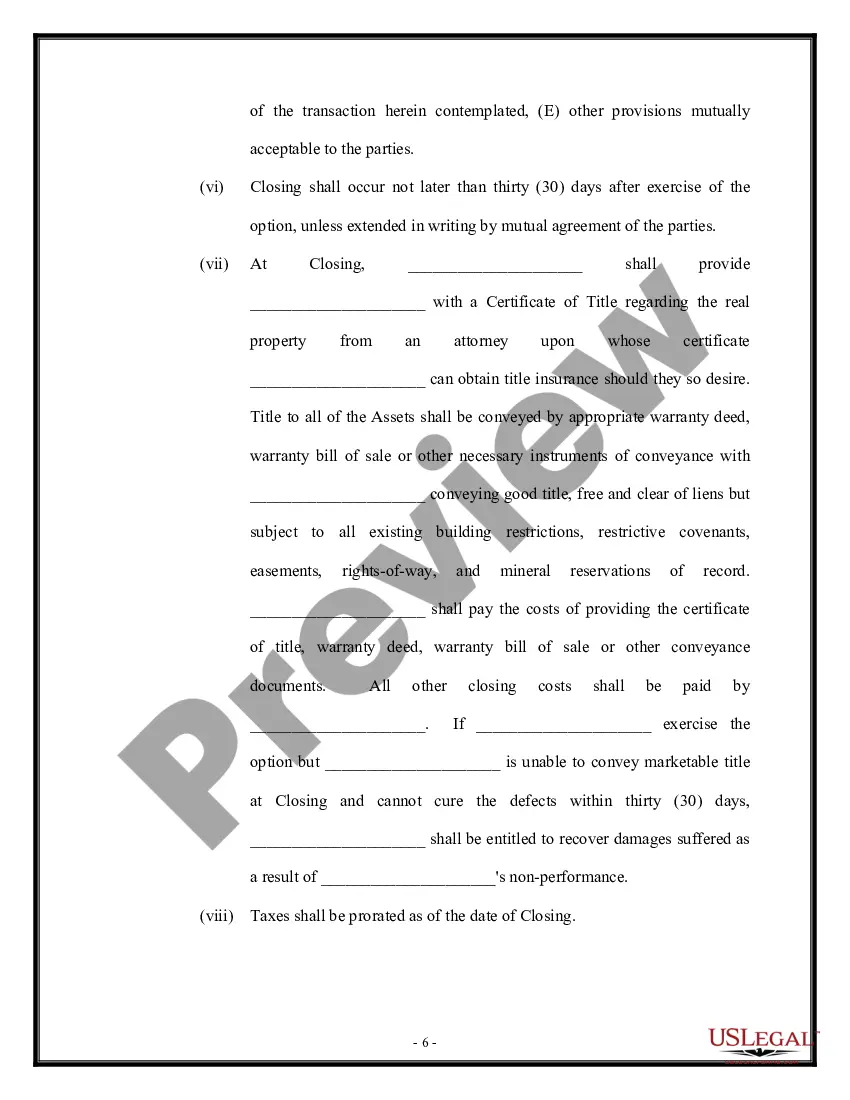
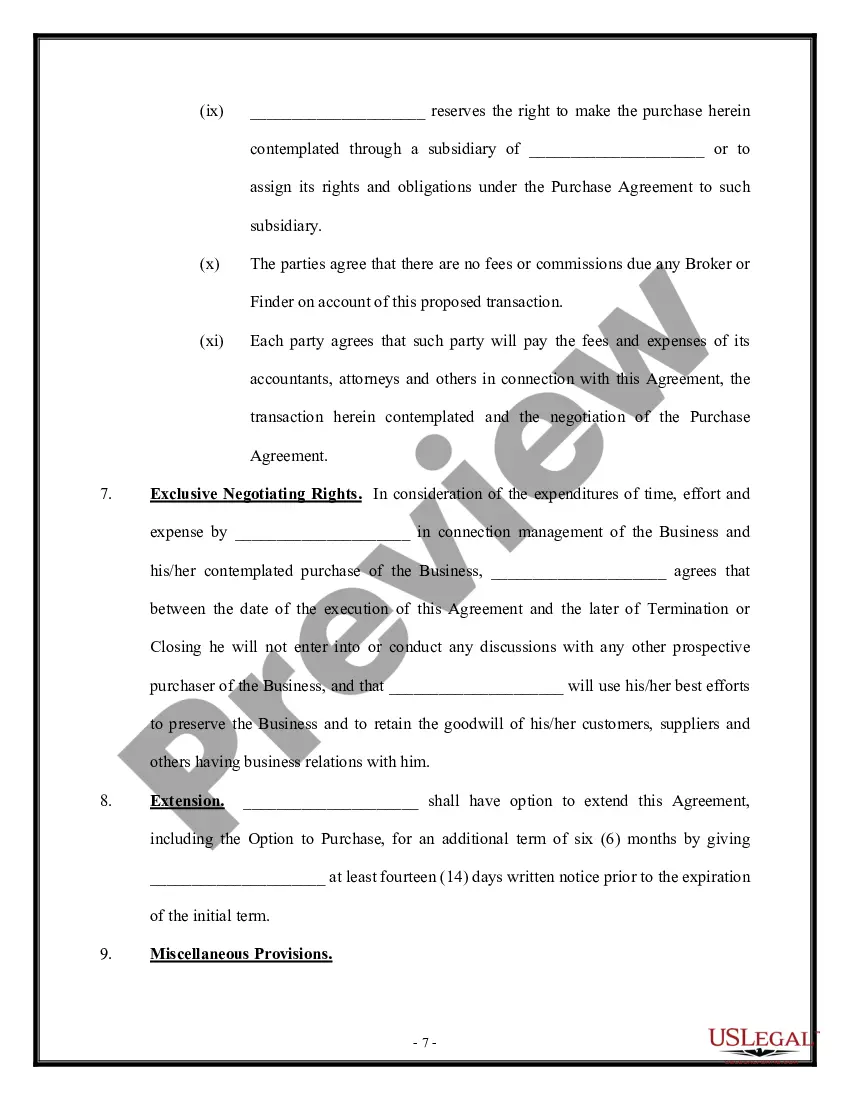
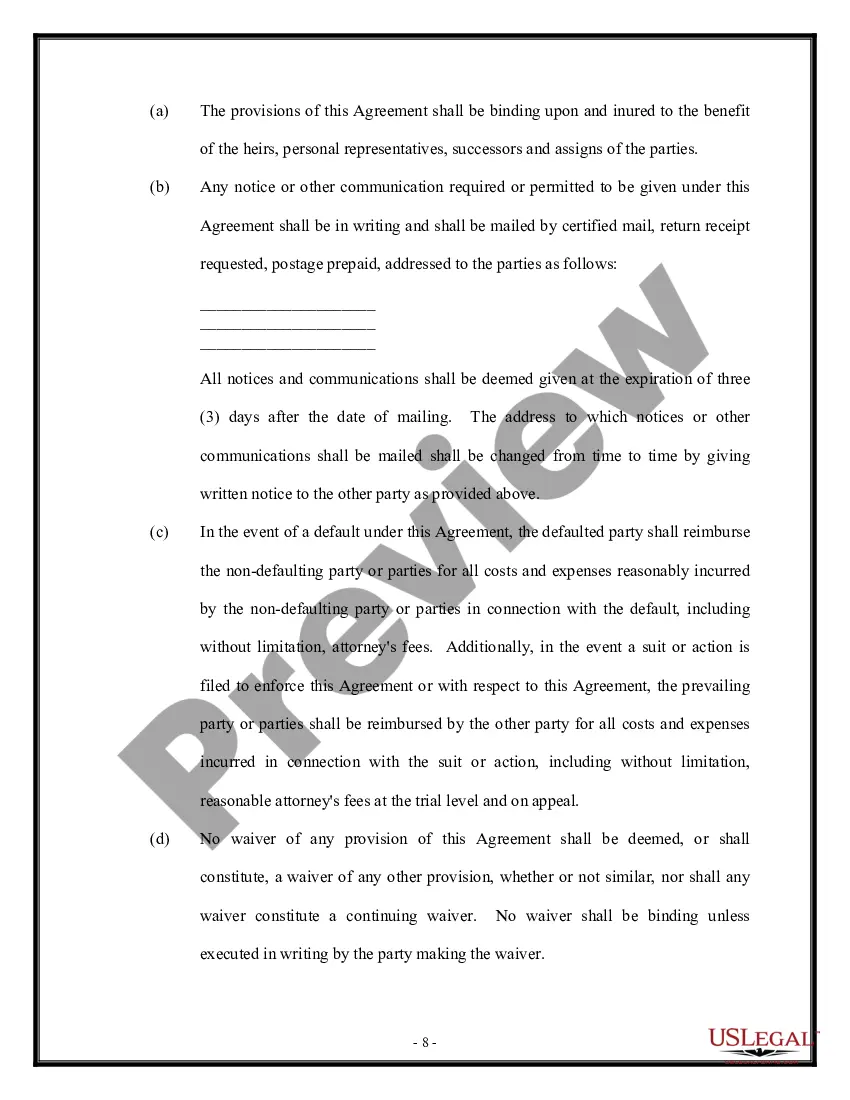
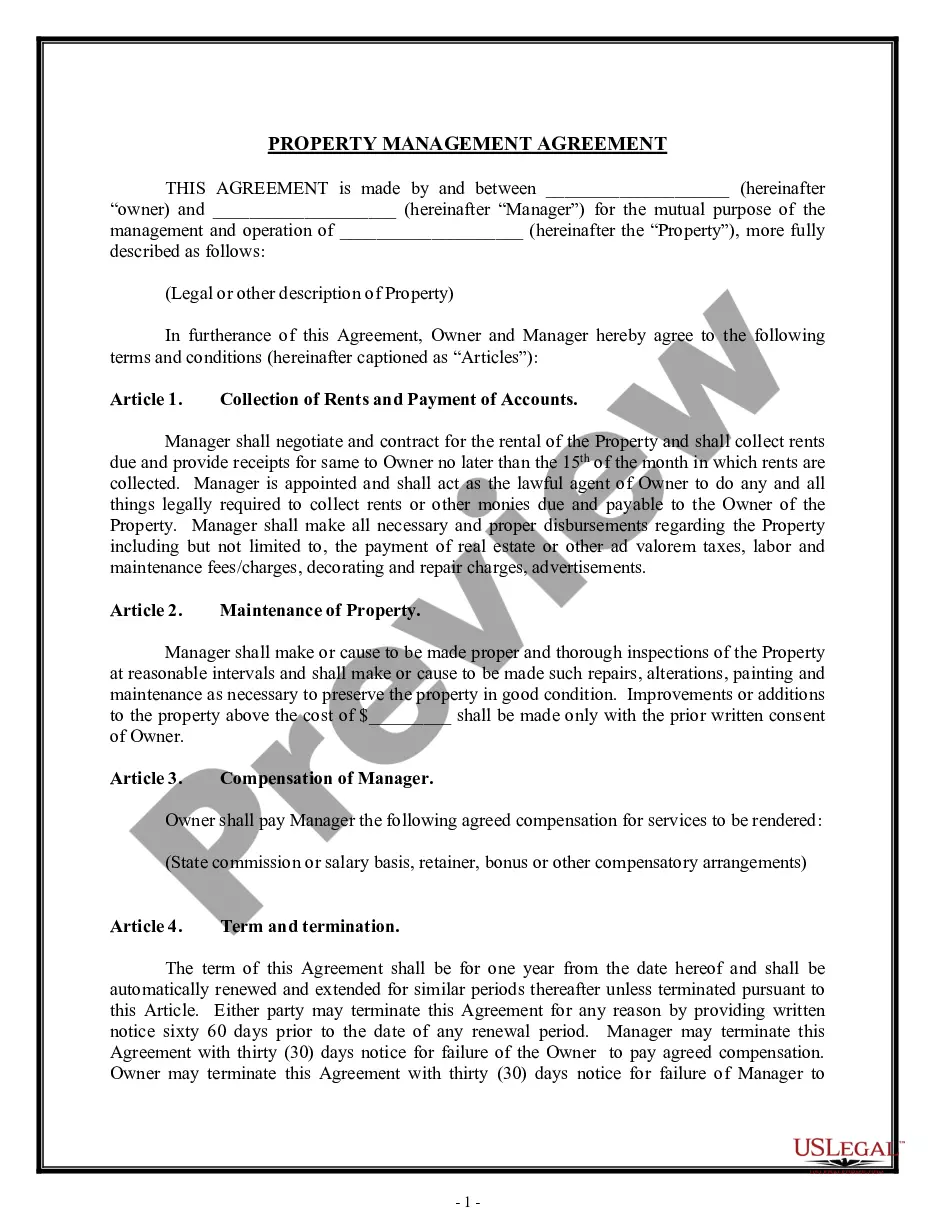
Get your form ready online
Our built-in tools help you complete, sign, share, and store your documents in one place.
Make edits, fill in missing information, and update formatting in US Legal Forms—just like you would in MS Word.
Download a copy, print it, send it by email, or mail it via USPS—whatever works best for your next step.
Sign and collect signatures with our SignNow integration. Send to multiple recipients, set reminders, and more. Go Premium to unlock E-Sign.
If this form requires notarization, complete it online through a secure video call—no need to meet a notary in person or wait for an appointment.
We protect your documents and personal data by following strict security and privacy standards.

Make edits, fill in missing information, and update formatting in US Legal Forms—just like you would in MS Word.

Download a copy, print it, send it by email, or mail it via USPS—whatever works best for your next step.

Sign and collect signatures with our SignNow integration. Send to multiple recipients, set reminders, and more. Go Premium to unlock E-Sign.

If this form requires notarization, complete it online through a secure video call—no need to meet a notary in person or wait for an appointment.

We protect your documents and personal data by following strict security and privacy standards.
Looking for another form?








Form popularity
FAQ
Do I have to include all of my credit cards on the plan? All unsecured debts should be included on your debt management plan. However, exceptions can occasionally be made. Discuss any accounts you'd like to keep open with your counselor.
Here are a few examples: The 5/24 rule: For some issuers, applicants can't open more than five new credit card accounts in a 24-month period. The 2/3/4 rule: ing to this rule, applicants are limited to two new cards in a 30-day period, three new cards in a 12-month period and four new cards in a 24-month period.
Here are examples of what 30 percent or less looks like based on common credit limit amounts: $200 — If your credit limit is $200, then your balance needs to stay at $60 or less. $500 — When you have a credit limit of $500, ideally your balance is $150 or less.
Massachusetts Surcharge Laws Credit card surcharge fees are illegal in Massachusetts.
Creditors typically require that credit card(s) included in a DMP be closed to prevent additional charges. You may be allowed to keep one card open and off your plan for emergency purposes.
Yes, it is possible to improve your credit score while on a debt management plan (DMP). A DMP can help build strong credit in two essential ways: by making consistent payments and reducing overall debt levels, which are key factors considered by m...
You usually can't include these debts in a DMP - check with the DMP provider. You'll need to choose another debt solution for your priority debts if you can't put them in a DMP. Non-priority debts are less urgent and include things like bank loans, credit cards, student loans, water charges and benefits overpayments.
Can I use a credit card while on a debt management plan? Creditors typically require that credit card(s) included in a DMP be closed to prevent additional charges. You may be allowed to keep one card open and off your plan for emergency purposes.
How do I set up a payment agreement? There are two ways you can set up a payment agreement. Online with MassTaxConnect (For payment agreements of $10,000 or less), When registered on MassTaxConnect select "More", and then choose "Request a Payment Plan" within the Collection Notices section.
