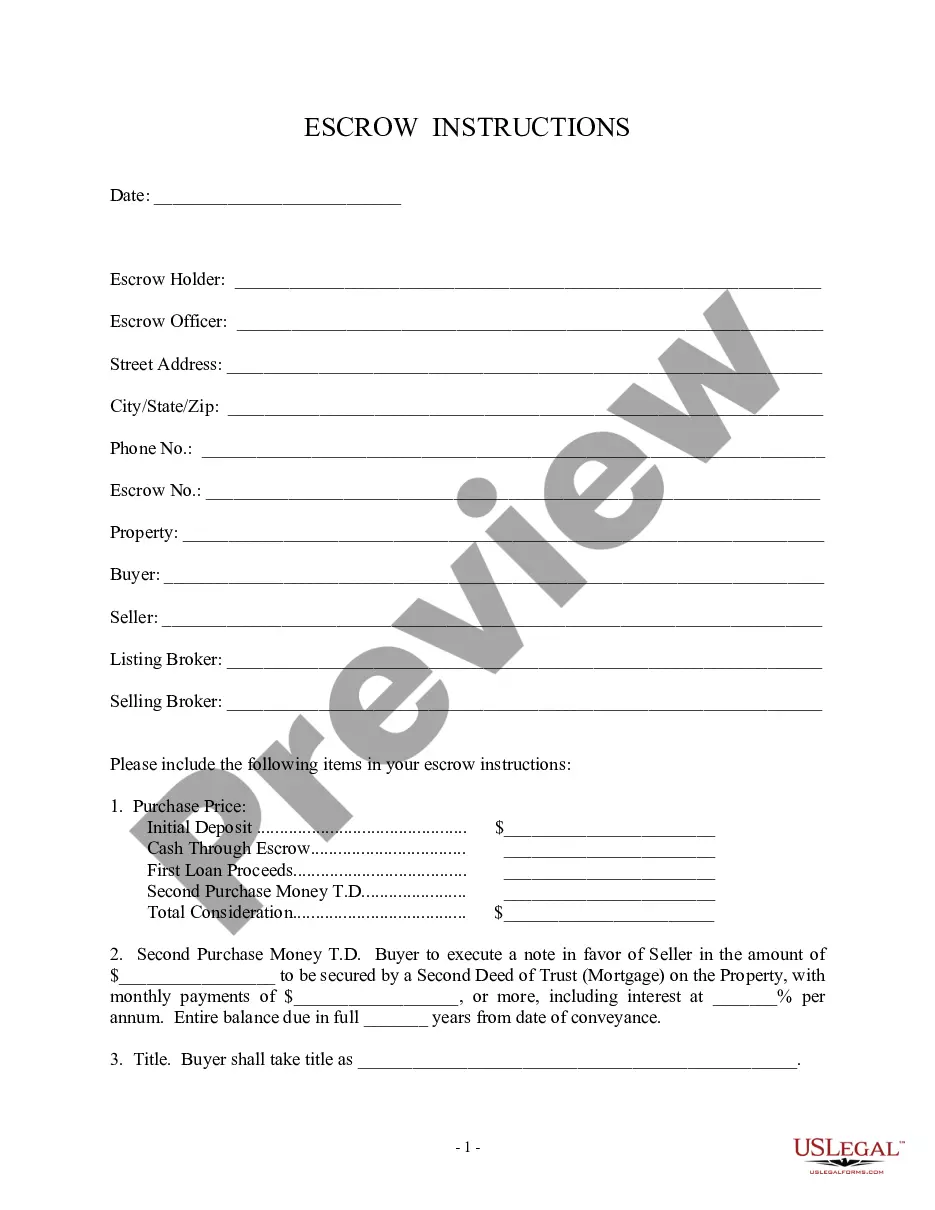
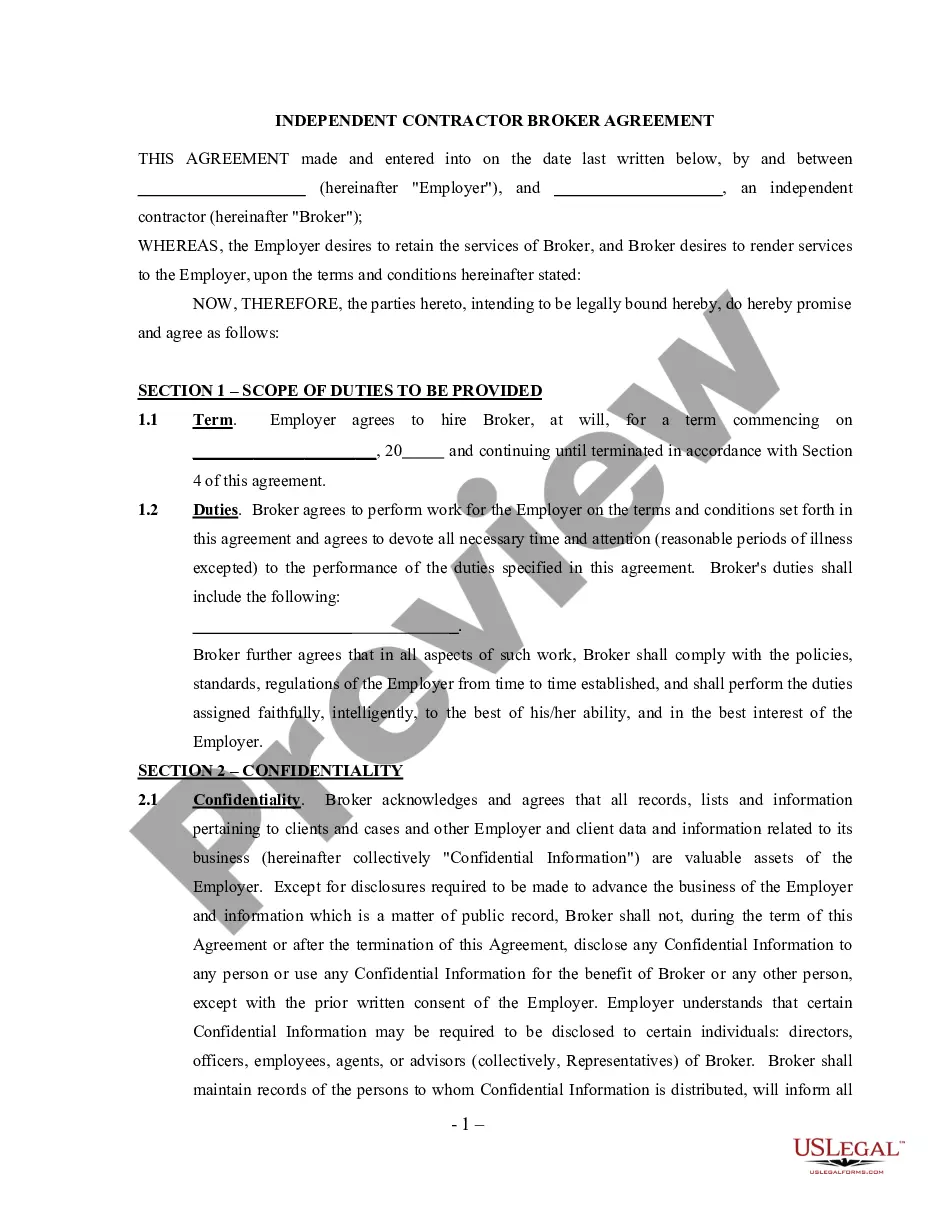
One Time Showing Form With 2 Points In Virginia
Description
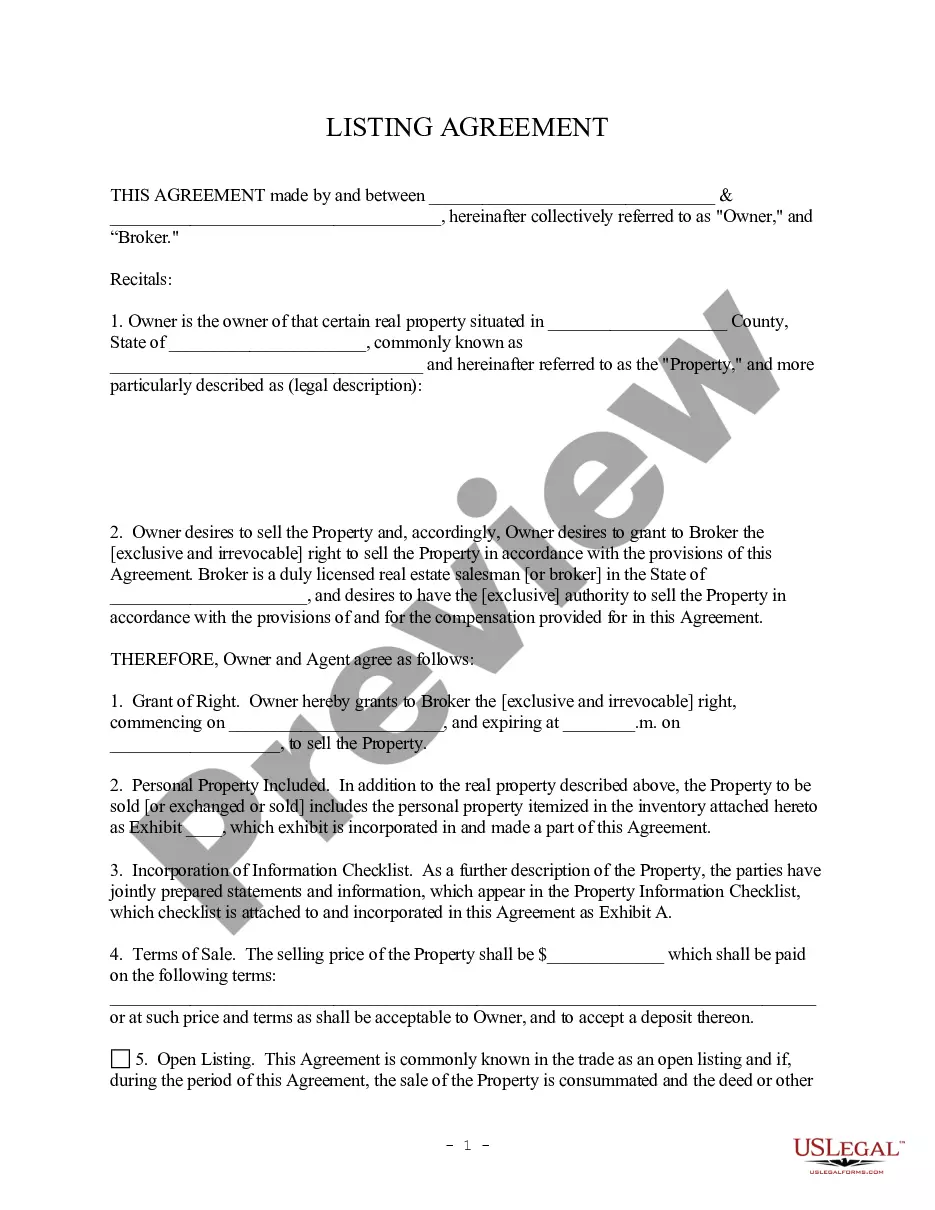
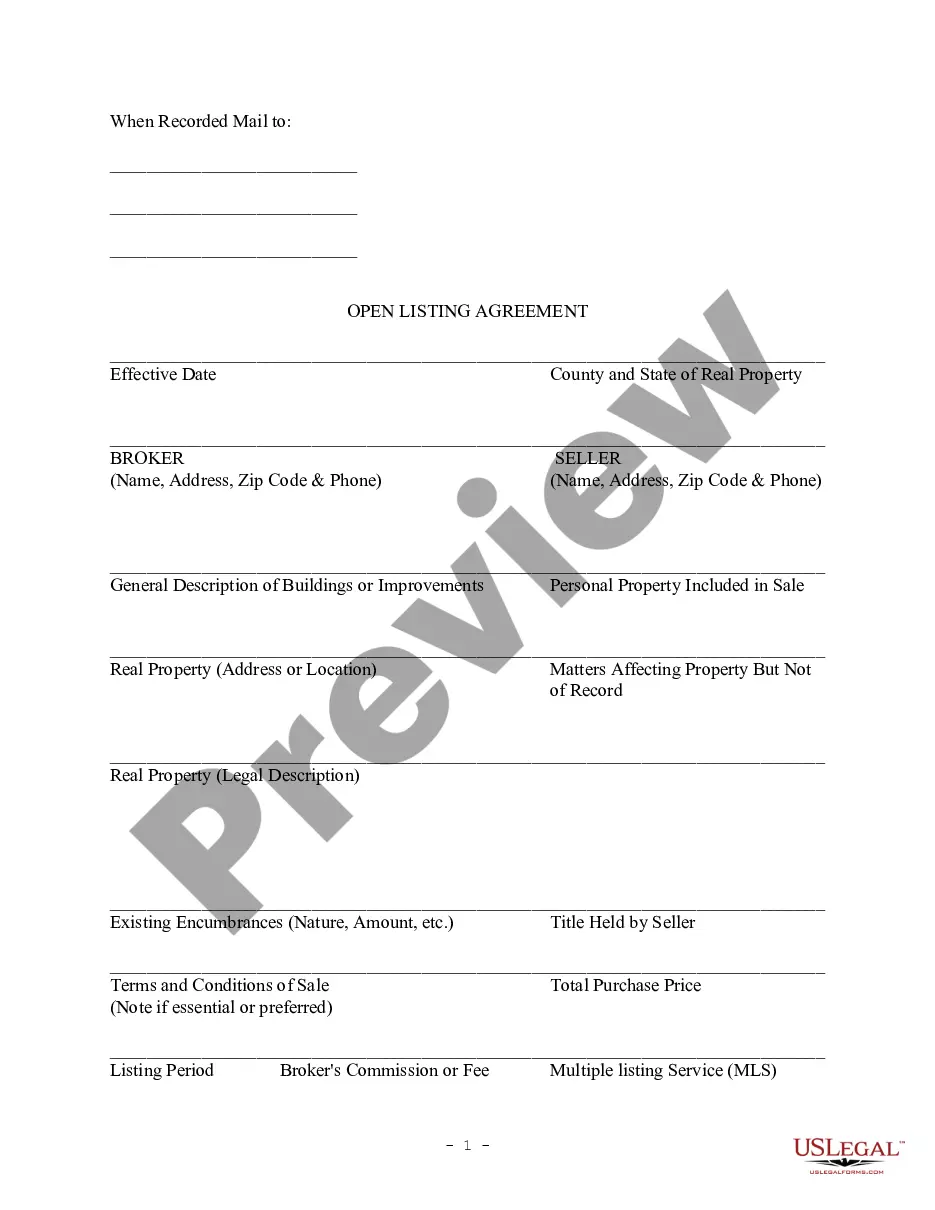
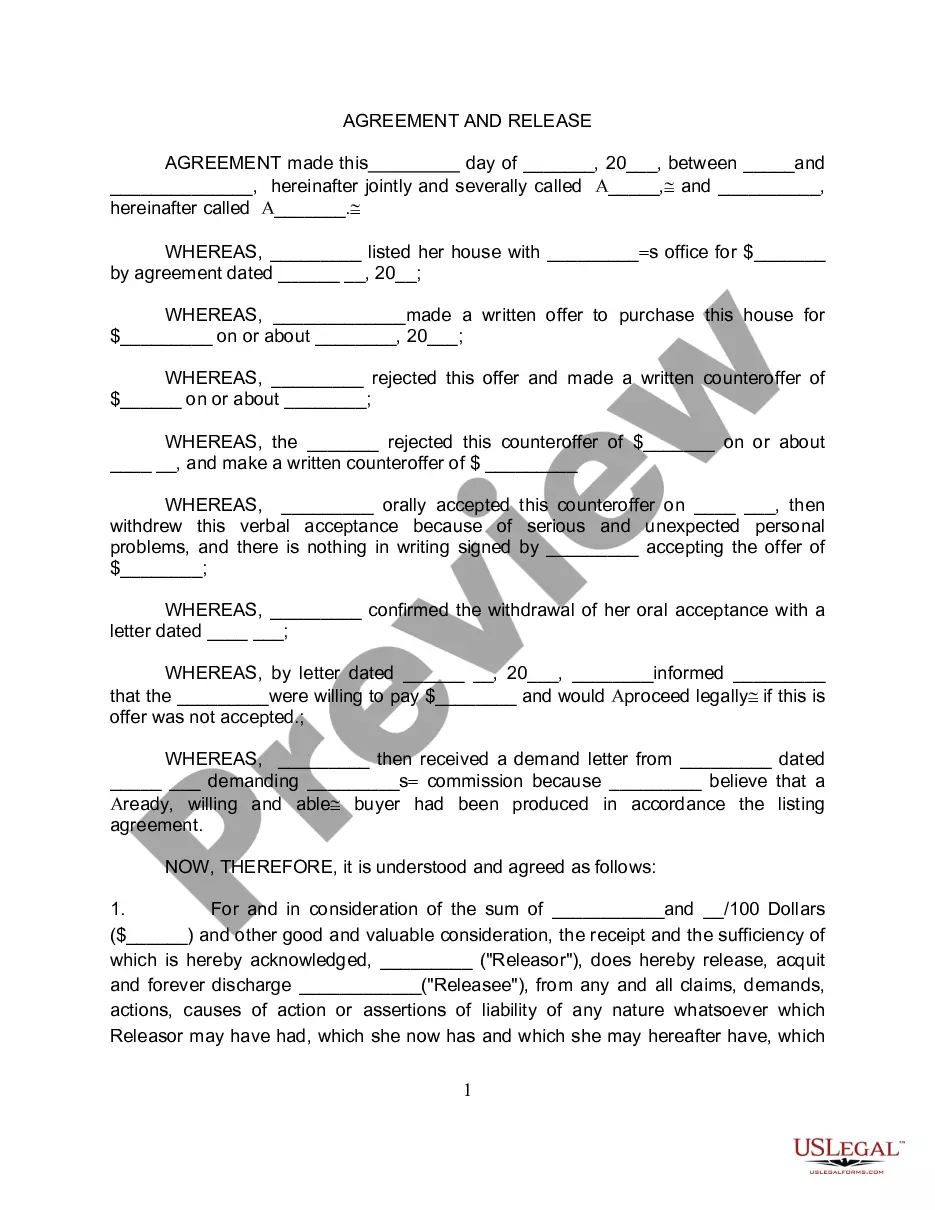
Get your form ready online
Our built-in tools help you complete, sign, share, and store your documents in one place.
Make edits, fill in missing information, and update formatting in US Legal Forms—just like you would in MS Word.
Download a copy, print it, send it by email, or mail it via USPS—whatever works best for your next step.
Sign and collect signatures with our SignNow integration. Send to multiple recipients, set reminders, and more. Go Premium to unlock E-Sign.
If this form requires notarization, complete it online through a secure video call—no need to meet a notary in person or wait for an appointment.
We protect your documents and personal data by following strict security and privacy standards.

Make edits, fill in missing information, and update formatting in US Legal Forms—just like you would in MS Word.

Download a copy, print it, send it by email, or mail it via USPS—whatever works best for your next step.

Sign and collect signatures with our SignNow integration. Send to multiple recipients, set reminders, and more. Go Premium to unlock E-Sign.

If this form requires notarization, complete it online through a secure video call—no need to meet a notary in person or wait for an appointment.

We protect your documents and personal data by following strict security and privacy standards.
Looking for another form?


Form popularity
FAQ
You can take the Virginia real estate exam as many times as you need to pass it. If you pass one section, you can retake only the failed section. You can schedule another exam as soon as the next day after your failed attempt.
The Virginia real estate exam is administered by PSI and can be taken in person or online. Visit for more information.
Successfully pass the Virginia salesperson licensing exam with a score of 70% or higher on the national portion and 75% or higher on the state portion of the exam. Complete the Virginia Real Estate License application.
Passing Score You need to get at least 56 questions right on the national portion to pass and at least 30 correct answers to pass the state portion.
A. A licensee may act as a dual agent or dual representative in a commercial real estate transaction only with the written consent of all clients to the transaction. A dual agent has an agency relationship under the brokerage agreements with the clients.
In DC and Virginia, it is legal for one agent to act as a Dual Agent and represent both parties. In DC & Virginia, if two agents have the same Managing Broker, the agents are considered Designated Agents. In all cases, both parties must consent, in writing, to agree to dual agency.
Dual agency is illegal in the following eight states: Wyoming, Alaska, Vermont, Colorado, Flroida, Maryland, Texas, and Kansas. All the other states and the District of Columbia, permit dual agency.
A dual agent cannot have fiduciary duties to a seller or a buyer because the law limits their function in any transaction.
A. A licensee may not act as a dual agent or dual representative in a residential real estate transaction unless he has first obtained the written consent of all parties to the transaction given after written disclosure of the consequences of such dual agency or dual representation.
