One Time Showing Agreement Form For Notary Public In Phoenix
Description
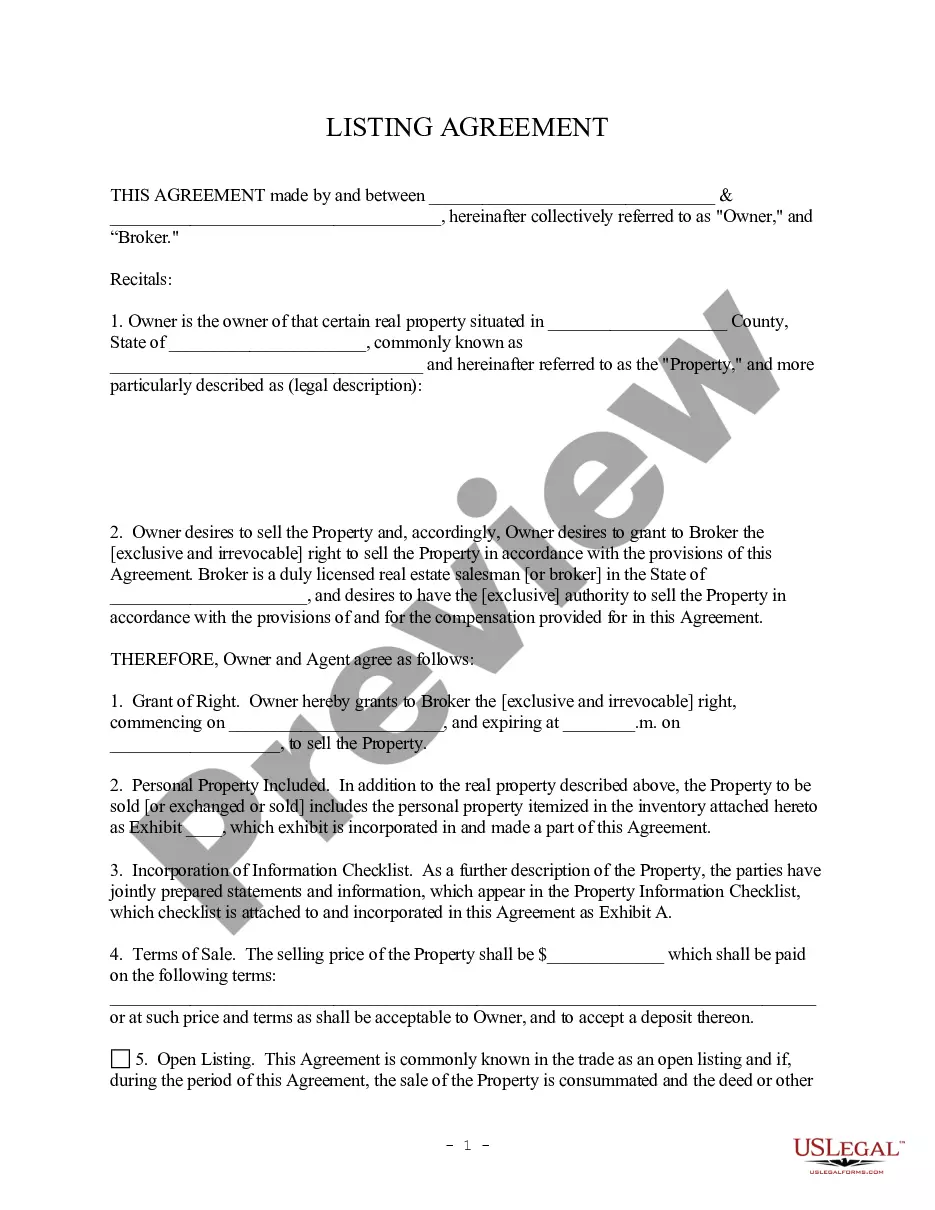
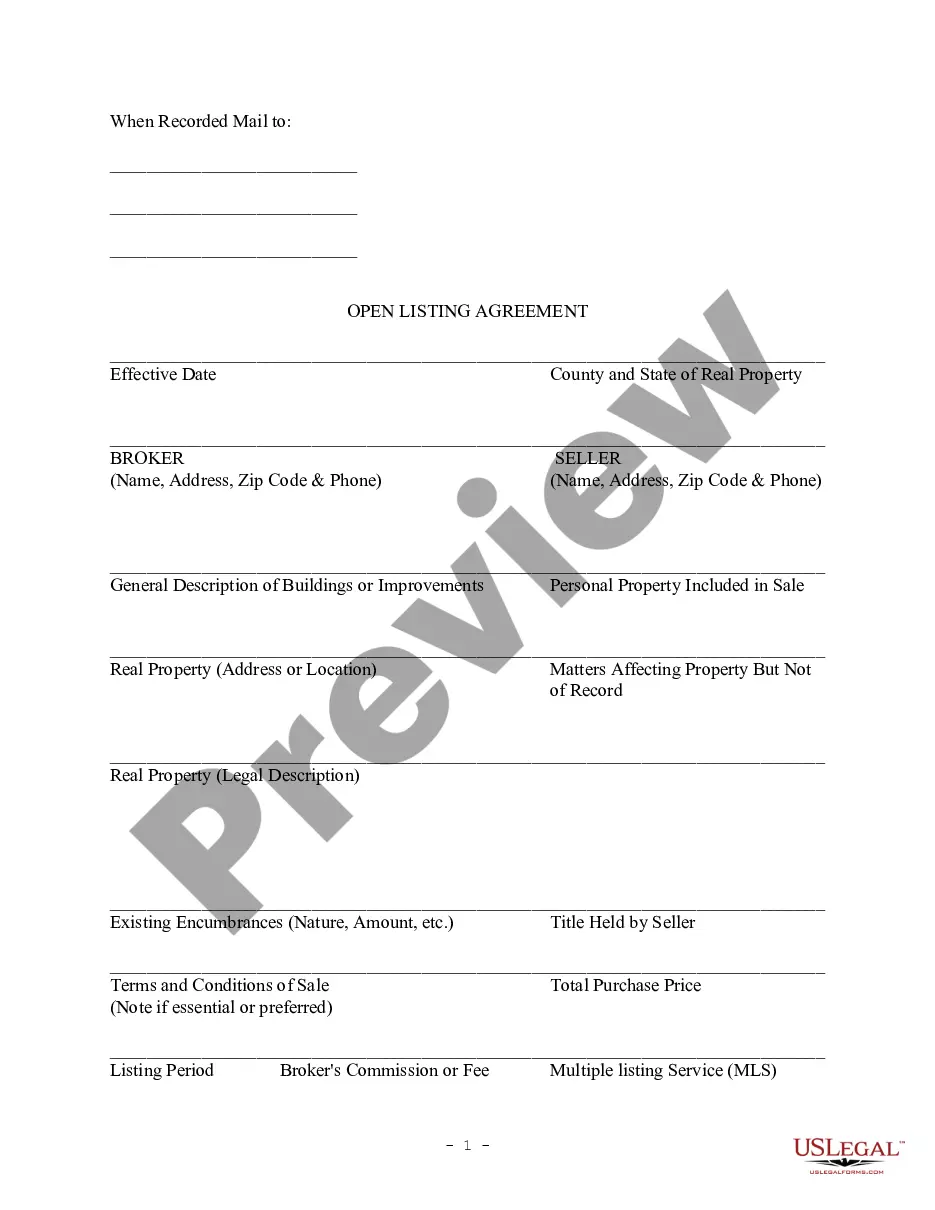
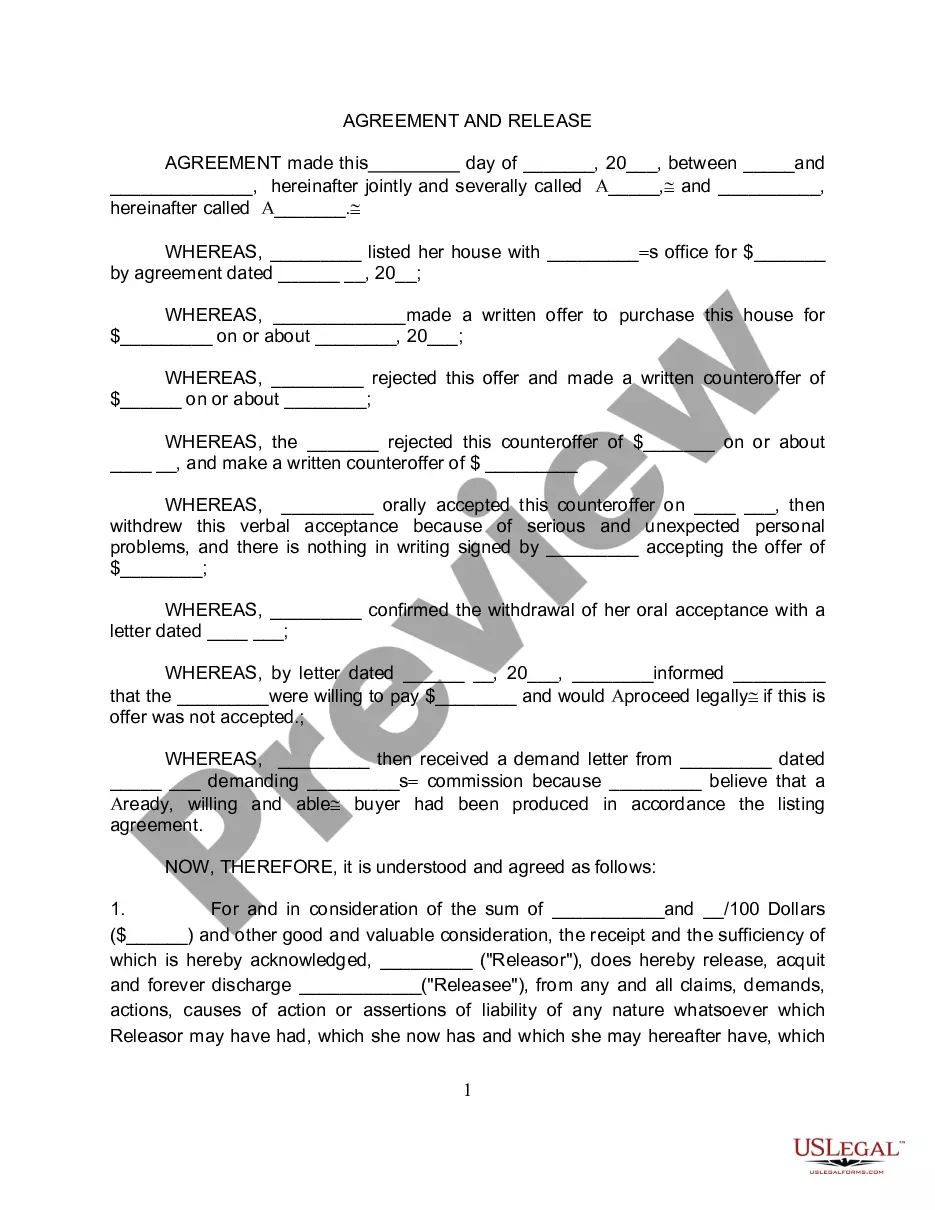
Get your form ready online
Our built-in tools help you complete, sign, share, and store your documents in one place.
Make edits, fill in missing information, and update formatting in US Legal Forms—just like you would in MS Word.
Download a copy, print it, send it by email, or mail it via USPS—whatever works best for your next step.
Sign and collect signatures with our SignNow integration. Send to multiple recipients, set reminders, and more. Go Premium to unlock E-Sign.
If this form requires notarization, complete it online through a secure video call—no need to meet a notary in person or wait for an appointment.
We protect your documents and personal data by following strict security and privacy standards.

Make edits, fill in missing information, and update formatting in US Legal Forms—just like you would in MS Word.

Download a copy, print it, send it by email, or mail it via USPS—whatever works best for your next step.

Sign and collect signatures with our SignNow integration. Send to multiple recipients, set reminders, and more. Go Premium to unlock E-Sign.

If this form requires notarization, complete it online through a secure video call—no need to meet a notary in person or wait for an appointment.

We protect your documents and personal data by following strict security and privacy standards.
Looking for another form?







Form popularity
FAQ
To make a notarized letter, begin with your contact details, create a clear message explaining the purpose of the letter. Include any legal language if necessary. Conclude with a formal closing and leave space for your signature. And that's how you write a statement that needs to be notarized.
In Canada, individuals who can notarize documents include lawyers, notary publics, and other professionals authorized by provincial or territorial law. Each professional category comes with specific legal authority and limitations.
A notary public has all the powers of a commissioner for taking affidavits and, can verify that signatures, marks and copies of documents are true or genuine. Notaries are governed under the Notaries Act . Every lawyer and paralegal in Ontario is also automatically a commissioner for taking affidavits.
Notarization acts as a safeguard, confirming the validity and integrity of important legal documents. This process ensures that documents are recognized as authentic and legally binding, making them essential in many legal and personal matters.
Notary publics serve an important function by verifying the identity of someone who signs an agreement and attesting to that person's signature. Notarization can prove that a party who objects to the agreement was indeed the person who signed the contract.
In short, you cannot notarize your own documents. Despite having the technical understanding, it's against notary laws to certify your own paperwork. This rule was established to ensure that the notarization process remains unbiased and prevents any potential conflicts of interest or ethical problems.
One of the most common mistakes that notaries make is not printing or signing their name exactly as it appears on their notary commission.
If you're looking for the cheapest option, a bank or credit union is probably your best bet. If you need something notarized ASAP, an online notary service might be the way to go. And if you have a complex legal document, a law office can provide some extra peace of mind.
A signer must meet face-to-face with a Notary in order to have their signature notarized. Be sure that any person whose signature needs notarization is available and can attend your appointment with the Notary Public. A Notary cannot notarize a person's signature over the phone or video chat.
Contact A Notary Public: After drafting your letter, reach out to a local notary public or use online services like NotaryCam. Presentation For Verification: Present yourself along with identification documents before signing under oath in front of them.

