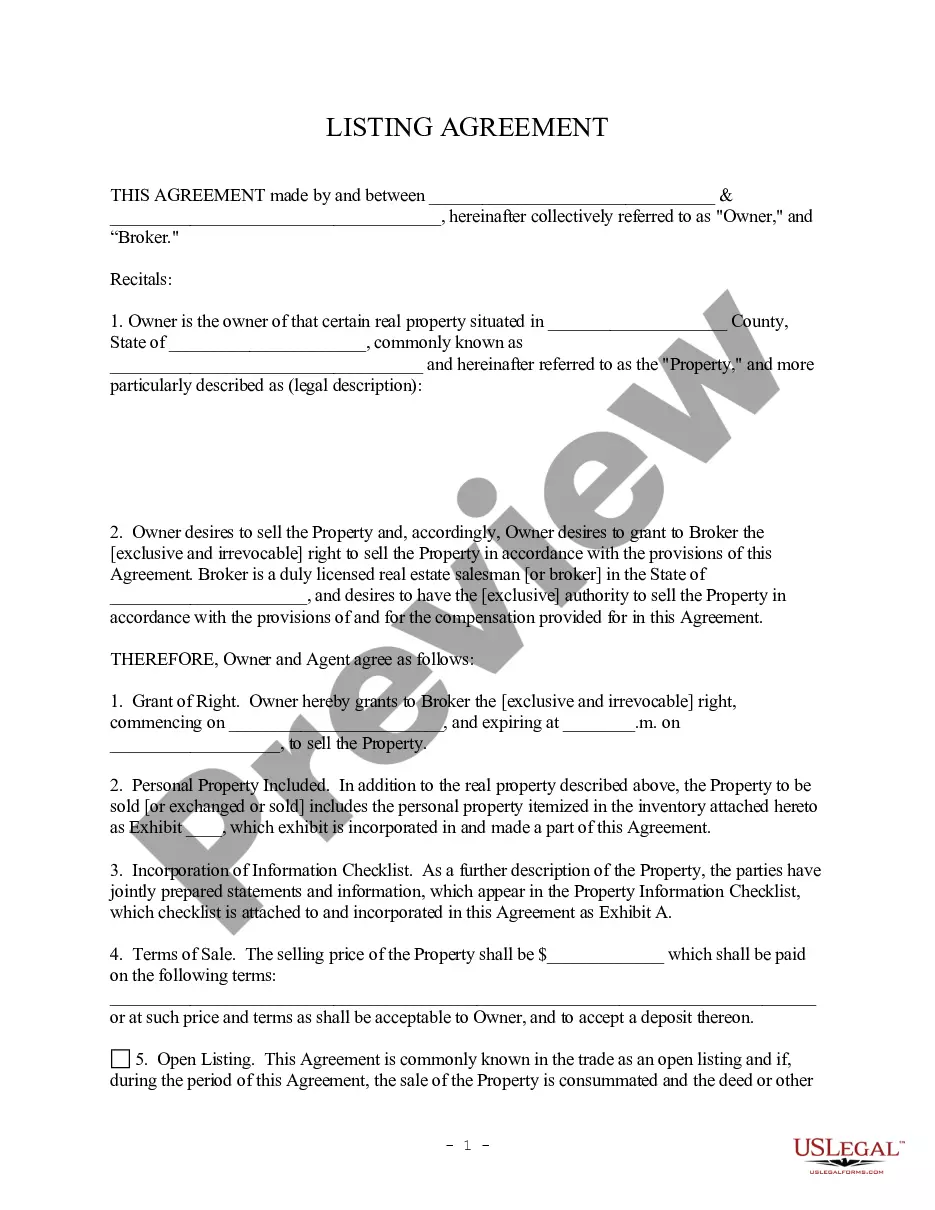
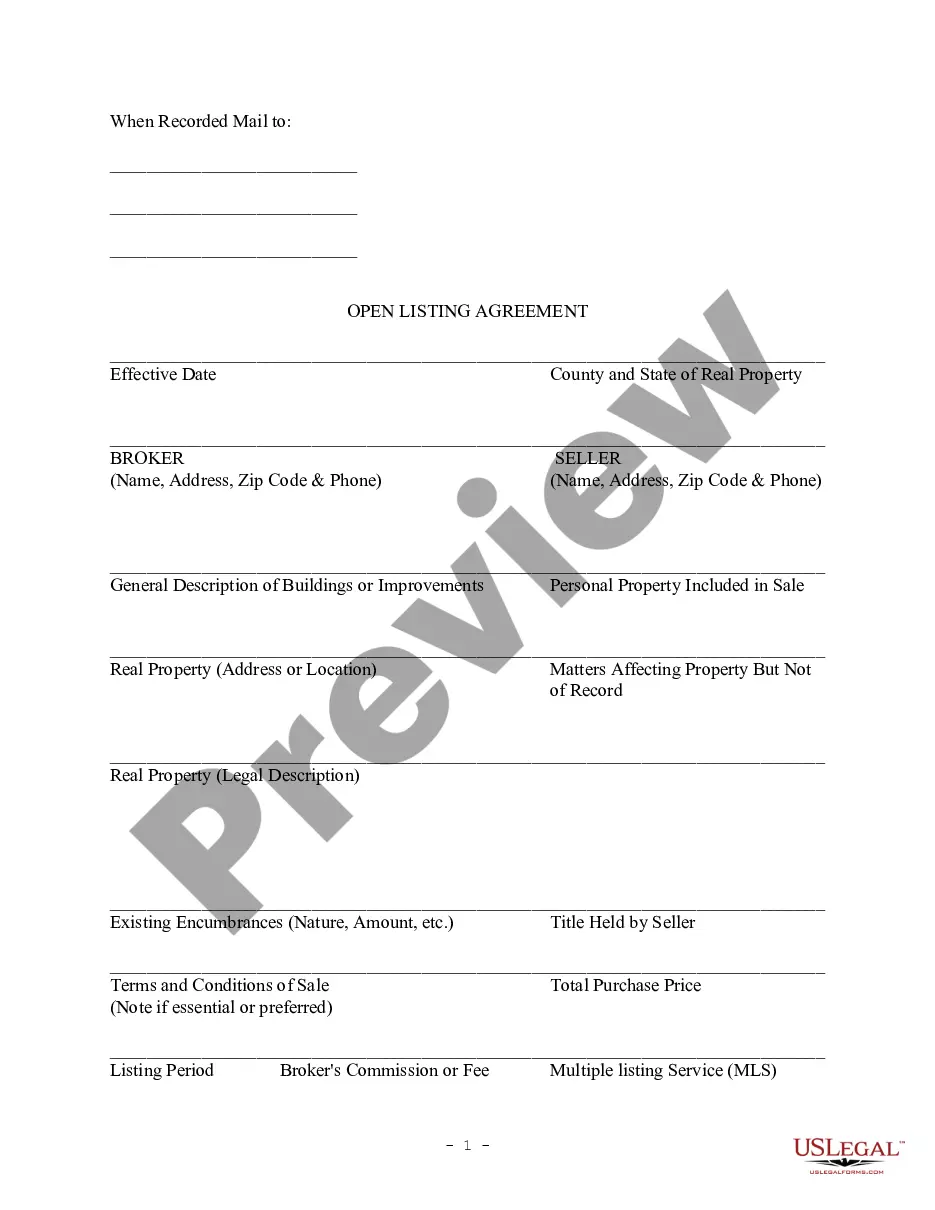
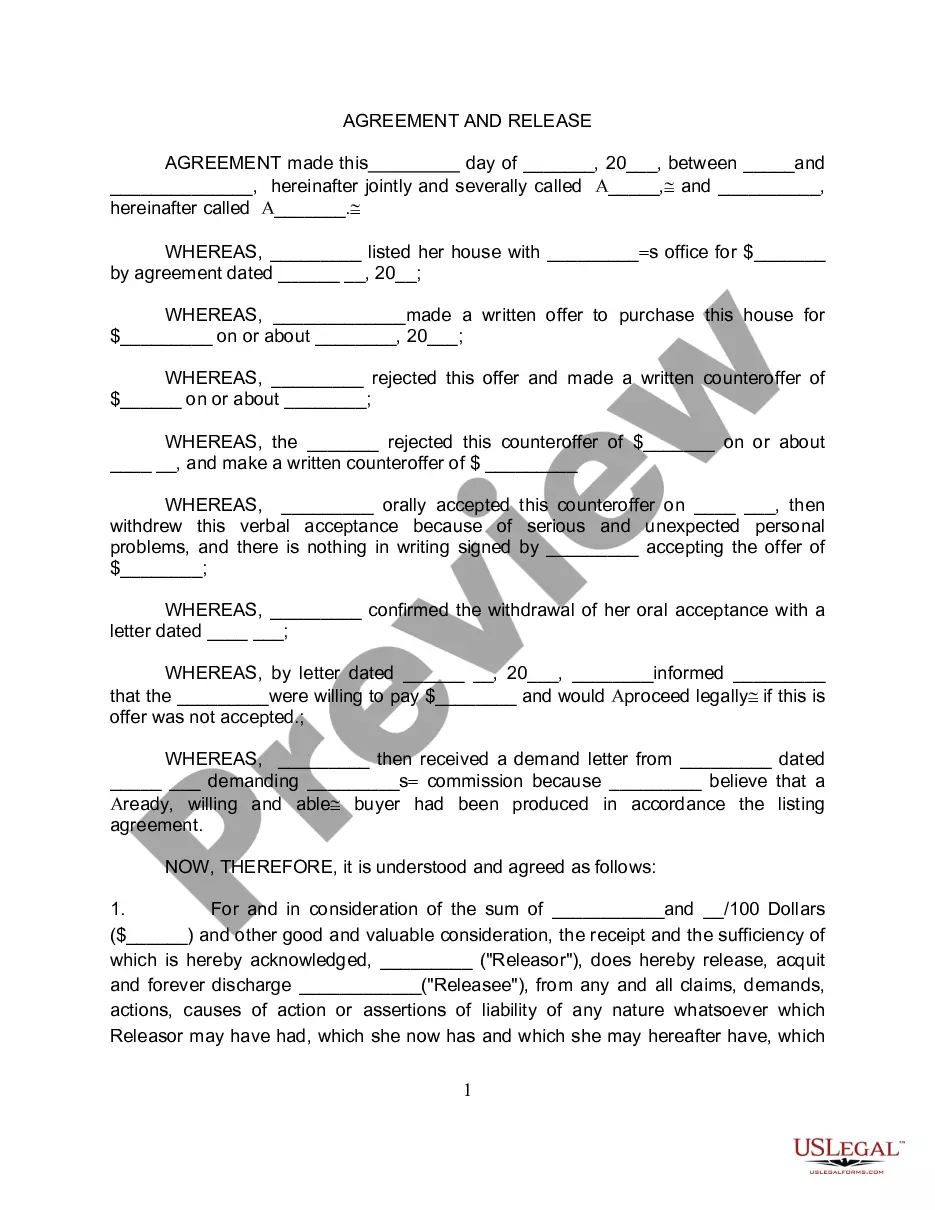
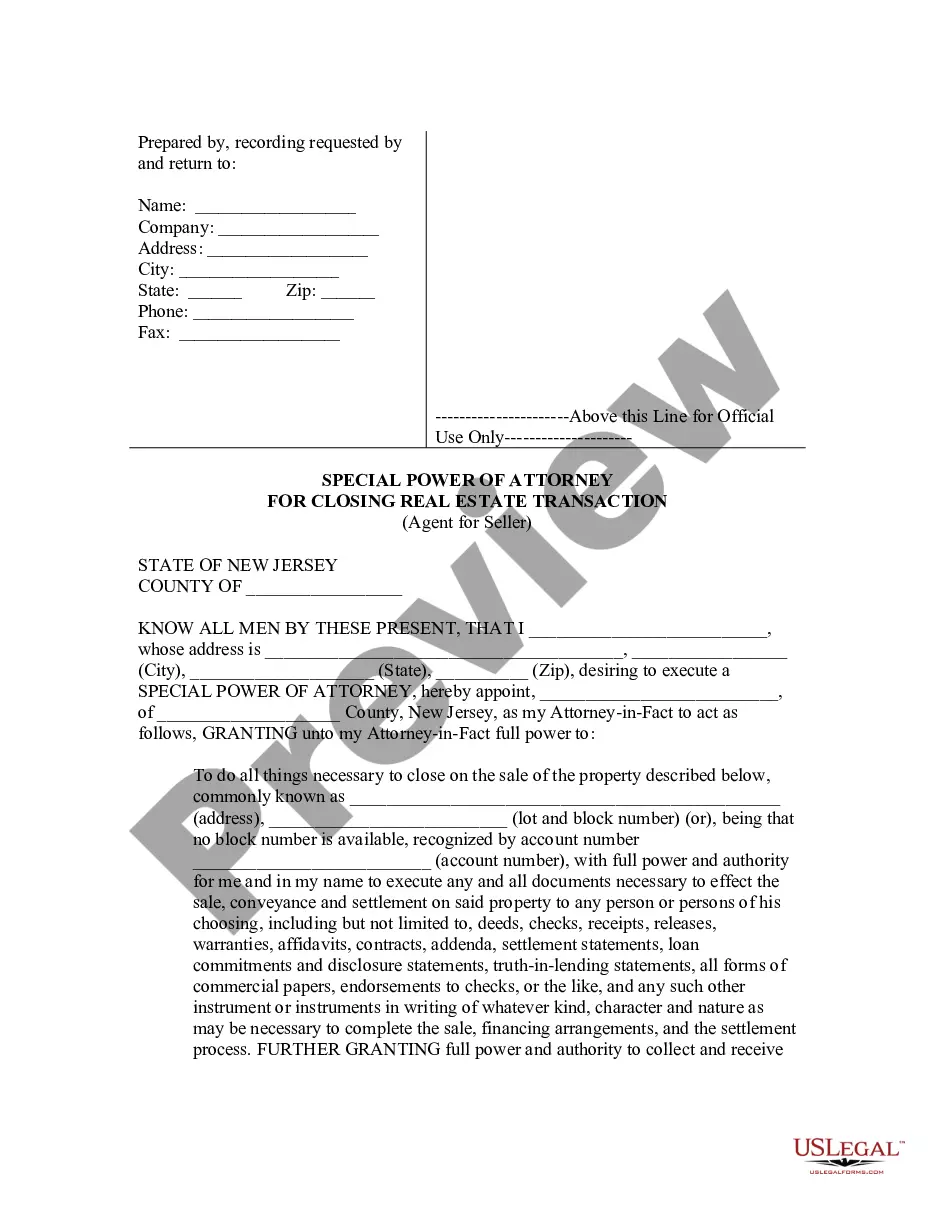
Listing Agreement Form For Land In New York
Description
Get your form ready online
Our built-in tools help you complete, sign, share, and store your documents in one place.
Make edits, fill in missing information, and update formatting in US Legal Forms—just like you would in MS Word.
Download a copy, print it, send it by email, or mail it via USPS—whatever works best for your next step.
Sign and collect signatures with our SignNow integration. Send to multiple recipients, set reminders, and more. Go Premium to unlock E-Sign.
If this form requires notarization, complete it online through a secure video call—no need to meet a notary in person or wait for an appointment.
We protect your documents and personal data by following strict security and privacy standards.

Make edits, fill in missing information, and update formatting in US Legal Forms—just like you would in MS Word.

Download a copy, print it, send it by email, or mail it via USPS—whatever works best for your next step.

Sign and collect signatures with our SignNow integration. Send to multiple recipients, set reminders, and more. Go Premium to unlock E-Sign.

If this form requires notarization, complete it online through a secure video call—no need to meet a notary in person or wait for an appointment.

We protect your documents and personal data by following strict security and privacy standards.
Looking for another form?




Form popularity
FAQ
How to draft a contract in 13 simple steps Start with a contract template. Understand the purpose and requirements. Identify all parties involved. Outline key terms and conditions. Define deliverables and milestones. Establish payment terms. Add termination conditions. Incorporate dispute resolution.
Type 1: Exclusive right to sell listing agreement This is the most common type of listing agreement. It says that the listing agent has the exclusive right to earn the commission if they bring the buyer (either directly or via another agent).
A land contract is typically between two parties: the buyer – sometimes referred to as the vendee – and the seller, also known as the vendor. In a land contract, the seller agrees to finance the property for the buyer in exchange for the buyer meeting the terms agreed upon in the land contract.
But is the house really yours — or can a seller back out of a contract? The short answer is yes, a seller can cancel a contract — but only under particular circumstances. Even then, the seller will likely face consequences, as the laws around real estate contracts tend to favor the buyer over the seller.
Real Estate Listing Form Real estate listing input form is designed for real estate sellers to list their multiple properties to the MLS services for auction. If are a real estate agent or your business offers this kind of service, this MLS input form helps boost the collection of real properties from sellers.
There are four common types of listings: open listings, exclusive right-to-sell listings, exclusive agency listings, and net listings. Open listing agreement. An open listing is a non-exclusive contract. Exclusive right to sell listing agreement. Exclusive agency listing agreement. Net listing agreement.
Exclusive Right to Sell Listing With this contract type, the agent is given exclusive rights to market the home, post it on the MLS, and receive the selling commission. Because this contract favors the agent, it's no surprise that most realtors prefer this type of agreement.
The true statement about a listing contract is a) It is an employment contract for the professional services of the broker. A listing contract is a formal agreement between a property owner and a broker whom the property owner employs to sell or rent out the property.
From the broker's viewpoint, the most desirable type of listing is the Exclusive Right to Sell Listing as it gives them a guaranteed commission even if the owner sells the property. This listing type makes sure the broker is rewarded for their effort and doesn't have competition from other brokers or the owner.
The three types of real estate listing agreements are open listing, exclusive agency listing, and exclusive right-to-sell listing. The listing agreement is an employment contract rather than a real estate contract: The broker is hired to represent the seller, but no property is transferred between the two.
