Washington State Forms 17 For Parenting Plan In Nassau
Description
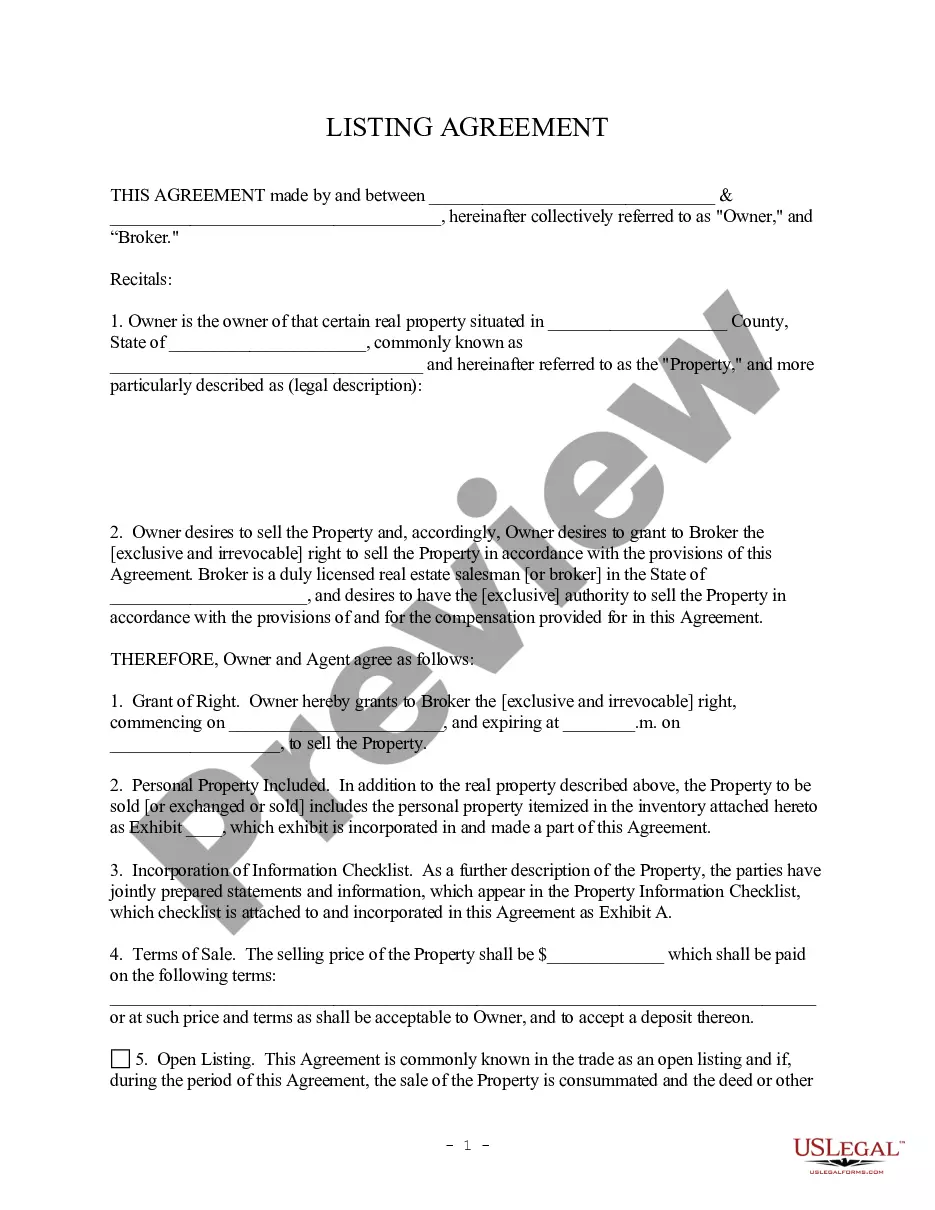
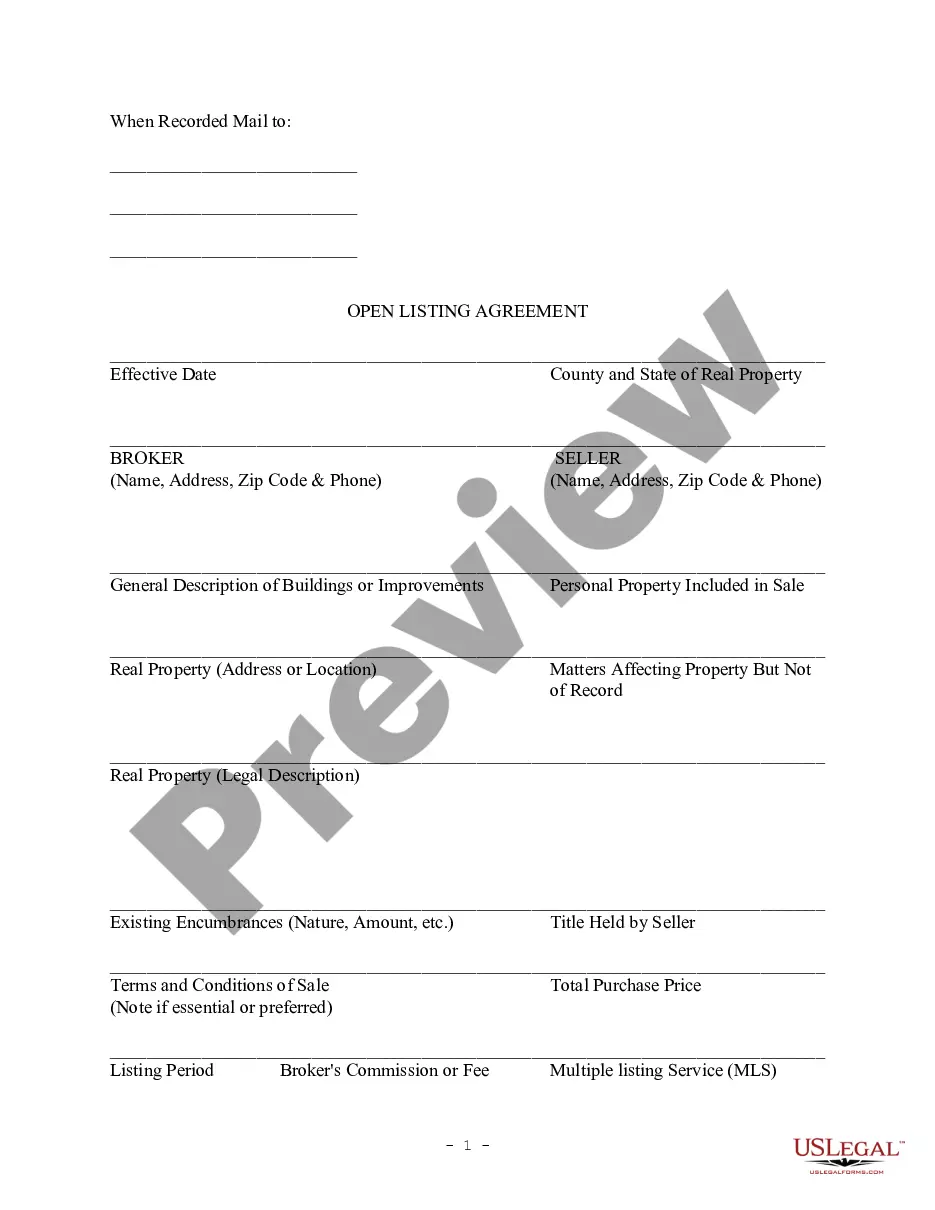
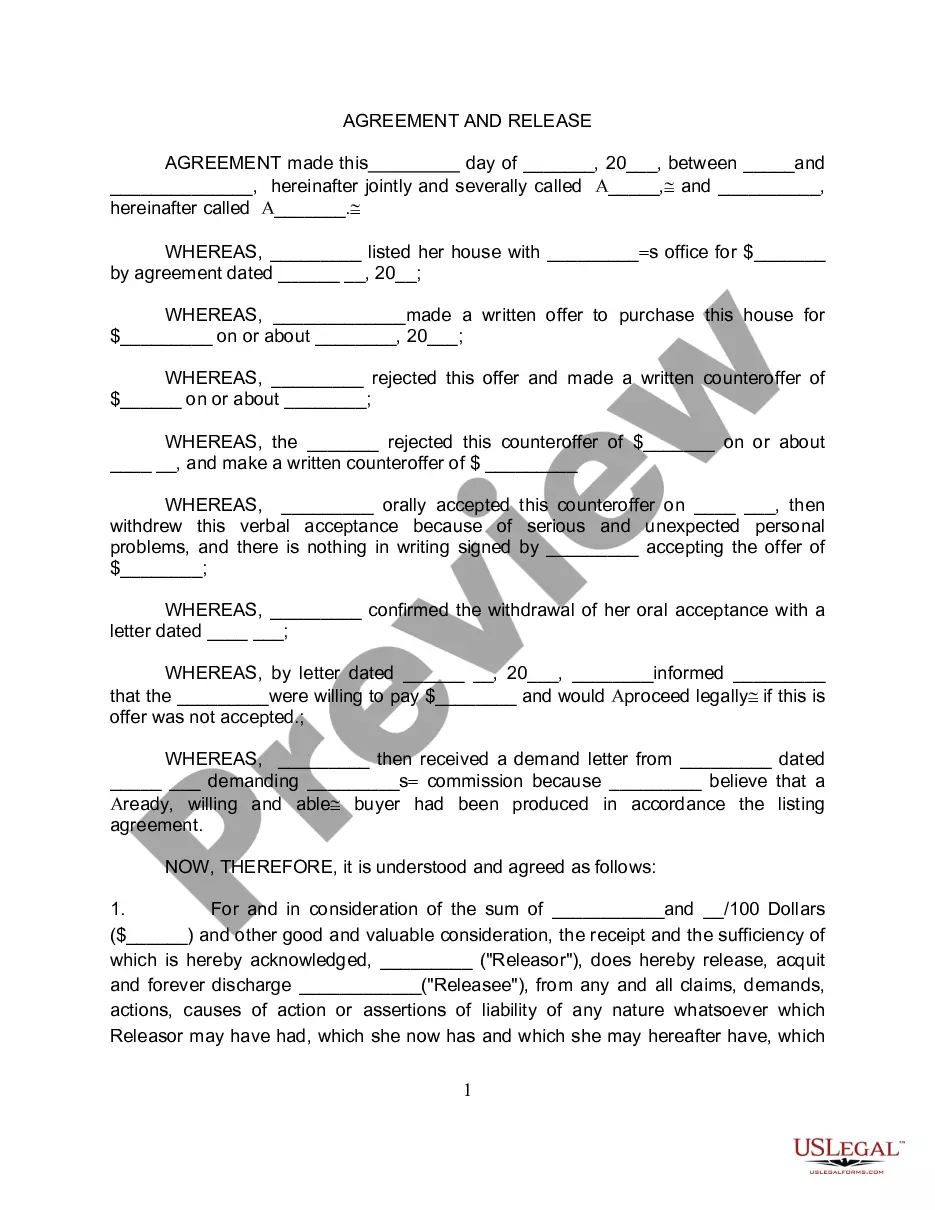
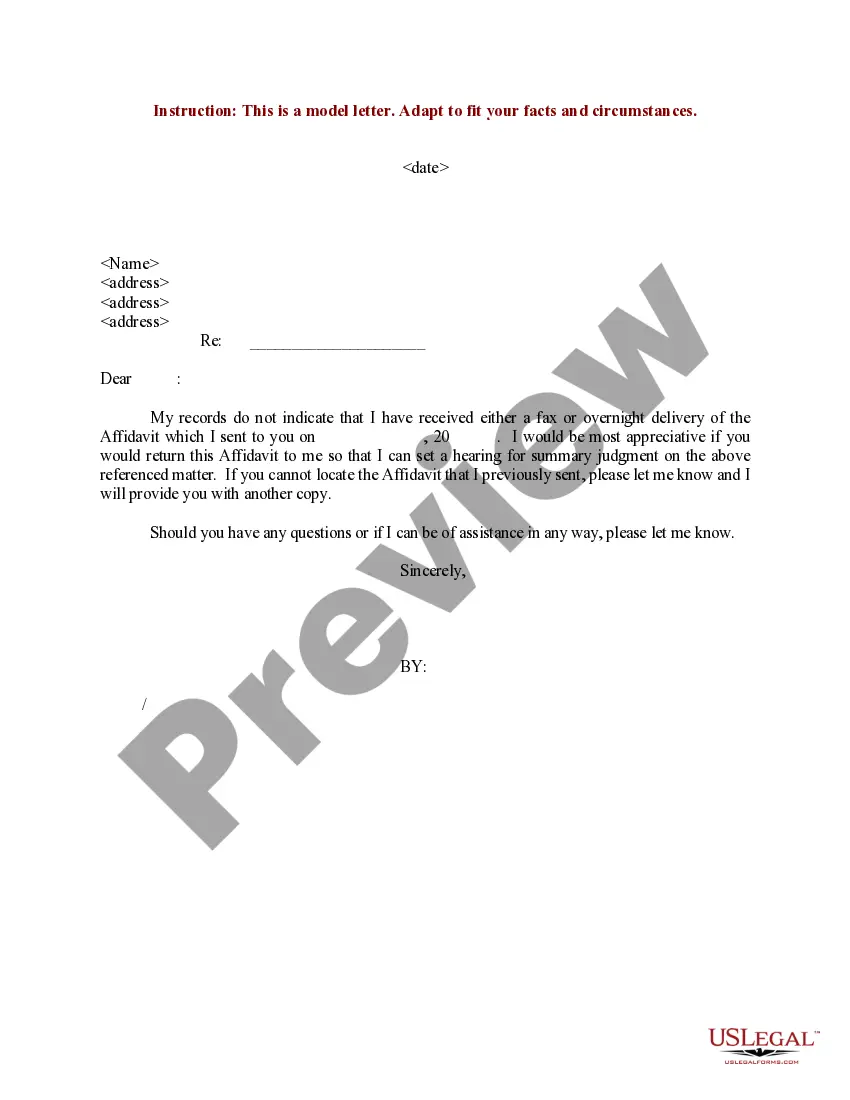
Get your form ready online
Our built-in tools help you complete, sign, share, and store your documents in one place.
Make edits, fill in missing information, and update formatting in US Legal Forms—just like you would in MS Word.
Download a copy, print it, send it by email, or mail it via USPS—whatever works best for your next step.
Sign and collect signatures with our SignNow integration. Send to multiple recipients, set reminders, and more. Go Premium to unlock E-Sign.
If this form requires notarization, complete it online through a secure video call—no need to meet a notary in person or wait for an appointment.
We protect your documents and personal data by following strict security and privacy standards.

Make edits, fill in missing information, and update formatting in US Legal Forms—just like you would in MS Word.

Download a copy, print it, send it by email, or mail it via USPS—whatever works best for your next step.

Sign and collect signatures with our SignNow integration. Send to multiple recipients, set reminders, and more. Go Premium to unlock E-Sign.

If this form requires notarization, complete it online through a secure video call—no need to meet a notary in person or wait for an appointment.

We protect your documents and personal data by following strict security and privacy standards.
Looking for another form?
Form popularity
FAQ
If a parent has withheld a child from the other for an extended period of time without good cause, the Court may limit time and impose geographical restrictions on the offending parent's residential time.
In Washington, a Parenting Plan does not award custody. Instead, it has a Parenting Time Schedule that says when the children will live with each parent. If the parents do not agree on a schedule, the judge will decide one in the children's best interest.
At What Age Can a Child Refuse to See a Parent in Washington State? The purpose of a parenting plan is to benefit the child and their best interests. They are set in place until the minor child is 18 years old, they've emancipated themselves, or the order was modified in Washington courts.
In Washington state, if you are in a situation where the other parent to your child is not following the parenting plan in bad faith, then your recourse is to file a contempt action in court.
In Washington state, if you are in a situation where the other parent to your child is not following the parenting plan in bad faith, then your recourse is to file a contempt action in court.
If you already know the name of the county where the petition was filed, you can contact the clerk at the superior court. The contact information can be obtained at . Once you contact the clerk, you can buy copy of the documents that are public records of your case.
Even if the relationship between you and your child's other parent is not amicable, it's still possible to work out a custody agreement without a lawyer. Mediation and arbitration are two avenues that parents may be able to take to come to an agreement.
In Washington state, if you are in a situation where the other parent to your child is not following the parenting plan in bad faith, then your recourse is to file a contempt action in court.

