Listing Agreement Document For Land In Nassau
Description
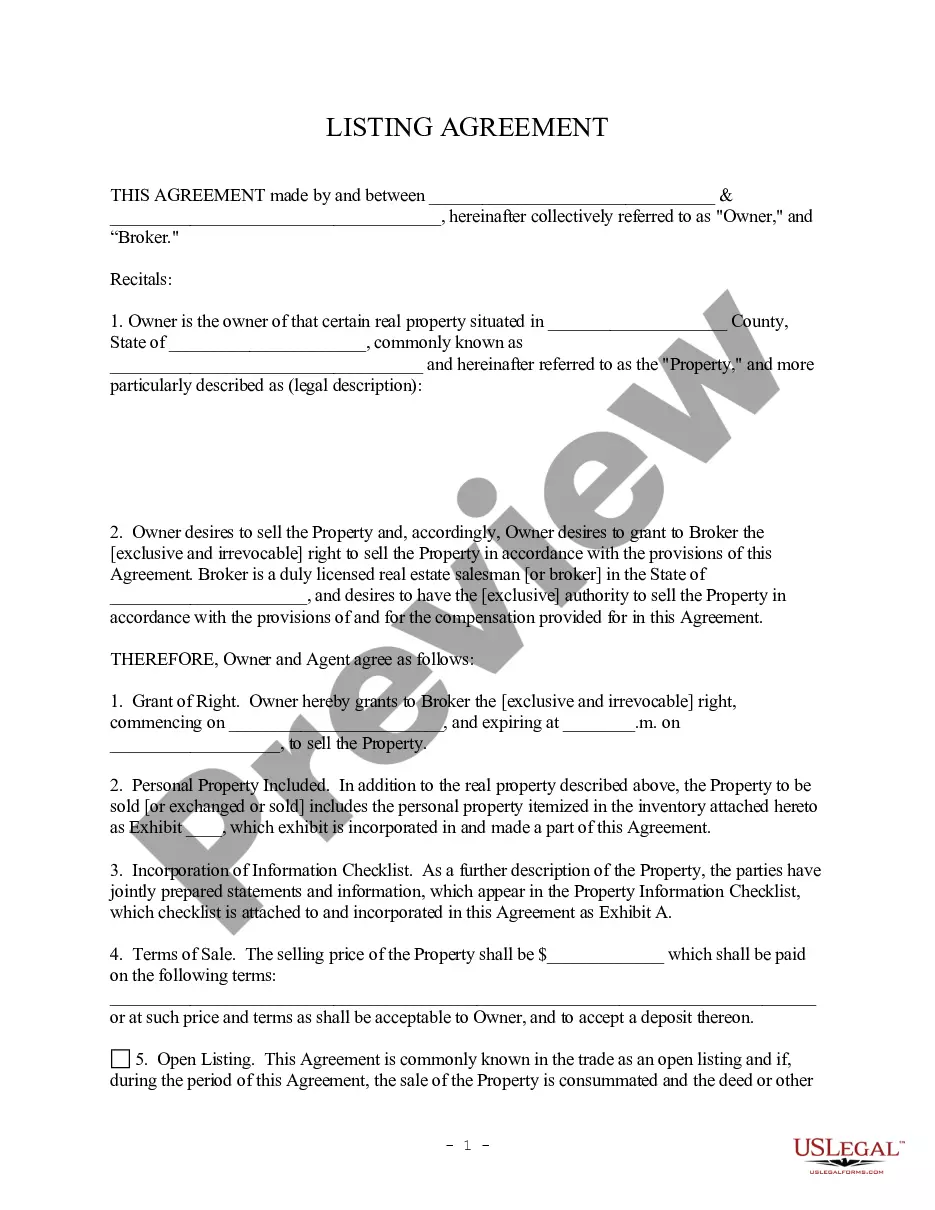
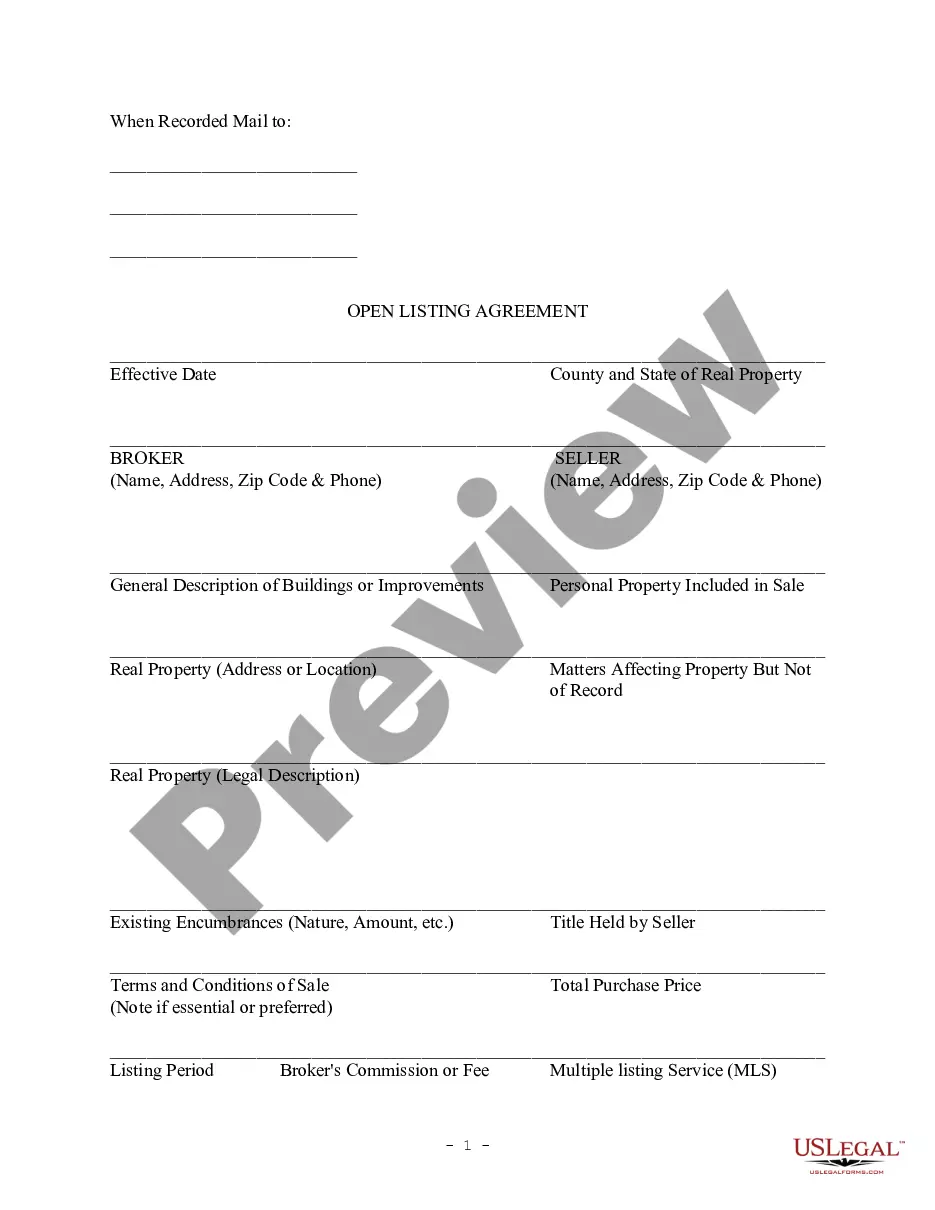
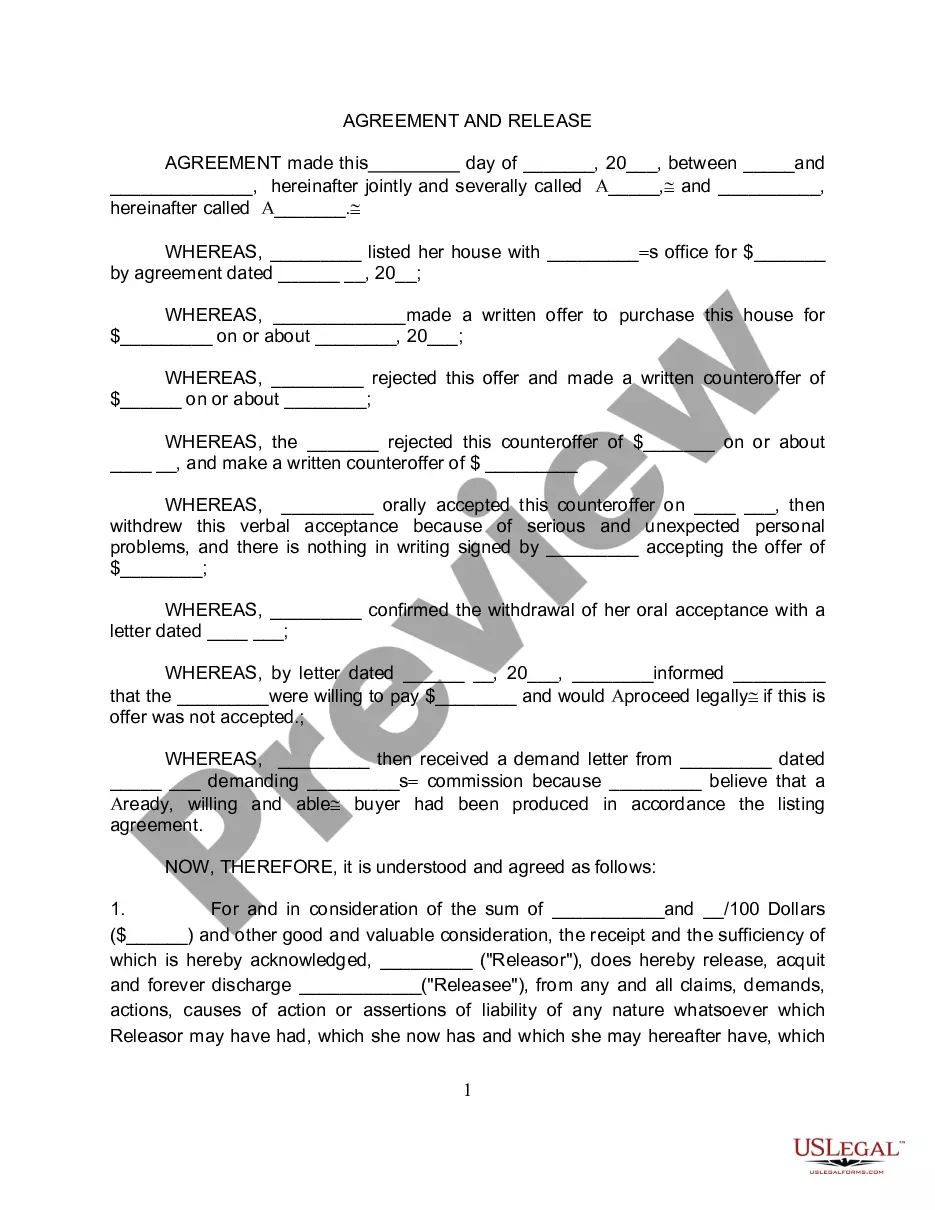
Get your form ready online
Our built-in tools help you complete, sign, share, and store your documents in one place.
Make edits, fill in missing information, and update formatting in US Legal Forms—just like you would in MS Word.
Download a copy, print it, send it by email, or mail it via USPS—whatever works best for your next step.
Sign and collect signatures with our SignNow integration. Send to multiple recipients, set reminders, and more. Go Premium to unlock E-Sign.
If this form requires notarization, complete it online through a secure video call—no need to meet a notary in person or wait for an appointment.
We protect your documents and personal data by following strict security and privacy standards.

Make edits, fill in missing information, and update formatting in US Legal Forms—just like you would in MS Word.

Download a copy, print it, send it by email, or mail it via USPS—whatever works best for your next step.

Sign and collect signatures with our SignNow integration. Send to multiple recipients, set reminders, and more. Go Premium to unlock E-Sign.

If this form requires notarization, complete it online through a secure video call—no need to meet a notary in person or wait for an appointment.

We protect your documents and personal data by following strict security and privacy standards.
Looking for another form?

Form popularity
FAQ
A listing agreement is a contract between a property owner and a real estate broker that authorizes the broker to represent the seller and find a buyer for the property. The three types of real estate listing agreements are open listing, exclusive agency listing, and exclusive right-to-sell listing.
The answer is the age of the seller. Information needed for the listing agreement includes lot size, possibility of seller financing, and the property taxes. The age of the seller is not needed.
Though notarization is not required, it may still be a good idea to have a notary present in order to verify the identities of all signers.
A listing agreement is an example of an agency relationship that is created by express agency. In this context, express agency arises when the principal explicitly states their intention to create an agency relationship with the agent through a written or verbal agreement.
The Five Elements of a Contract Offer. Acceptance. Consideration. Capacity. Lawful Purpose.
The basic elements required for the agreement to be a legally enforceable contract are: mutual assent, expressed by a valid offer and acceptance; adequate consideration; capacity; and legality. In some states, elements of consideration can be satisfied by a valid substitute.
To be enforceable, a land sale contract must satisfy the Statute of Frauds, which generally requires that these contracts be in writing and signed by the parties. Note that this writing is apart from the instrument under which the actual transfer takes place, which is known as the “deed.”
To be enforceable, a land sale contract must satisfy the Statute of Frauds, which generally requires that these contracts be in writing and signed by the parties. Note that this writing is apart from the instrument under which the actual transfer takes place, which is known as the “deed.”
An attorney's office or a title company can prepare closing documents for a land contract sale, but only the parties themselves or an attorney can prepare the actual land contract document and land contract memorandum.

