One Time Showing Form For Real Estate In Michigan
Description
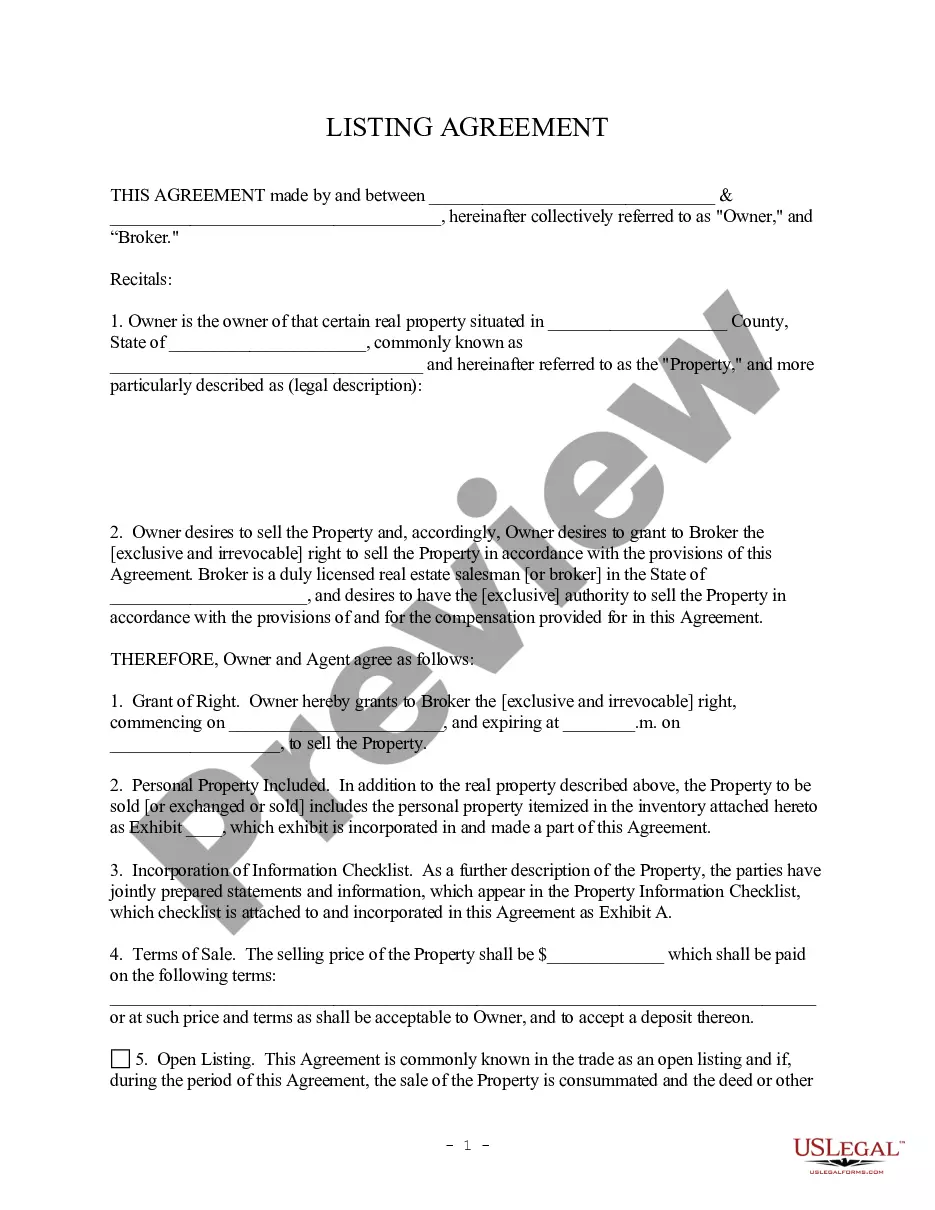
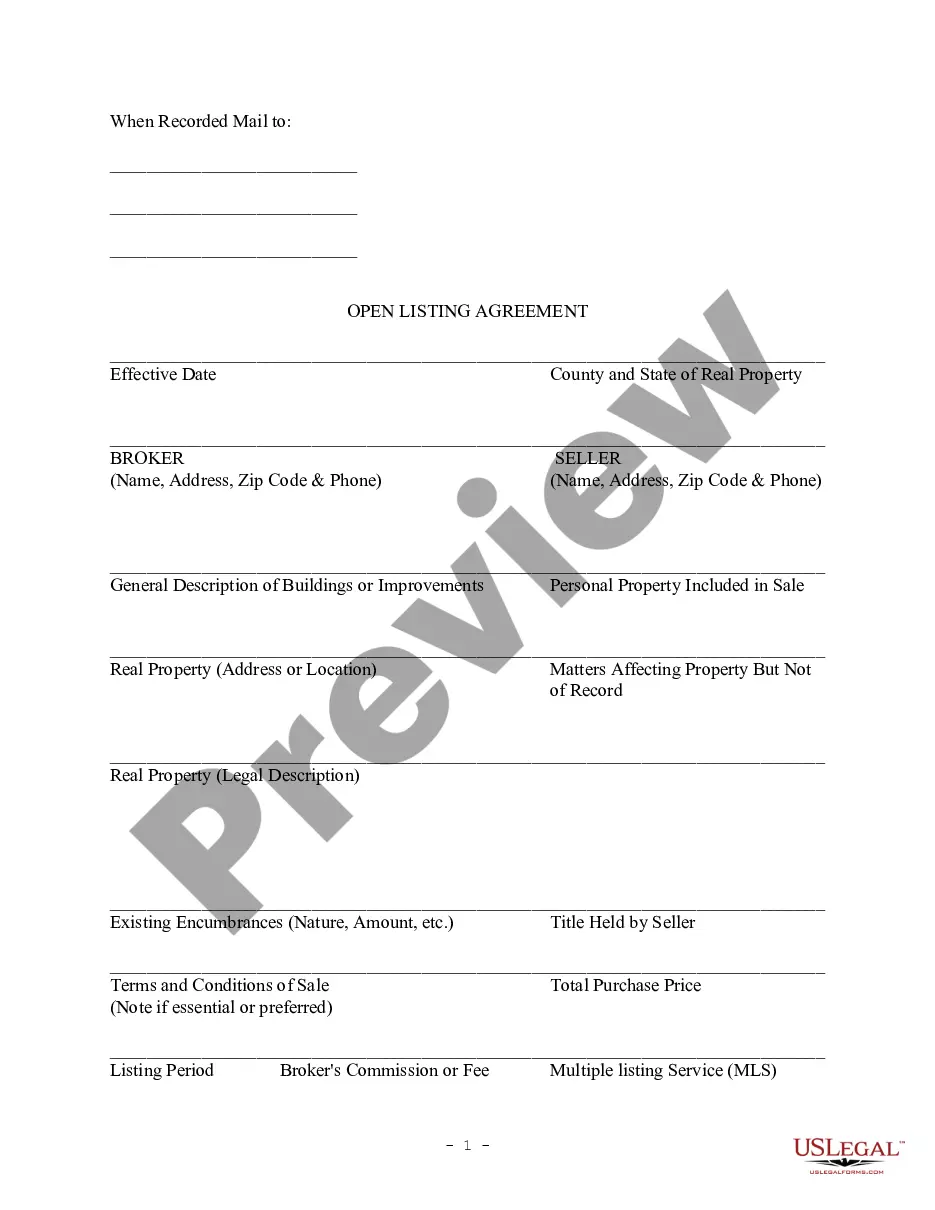
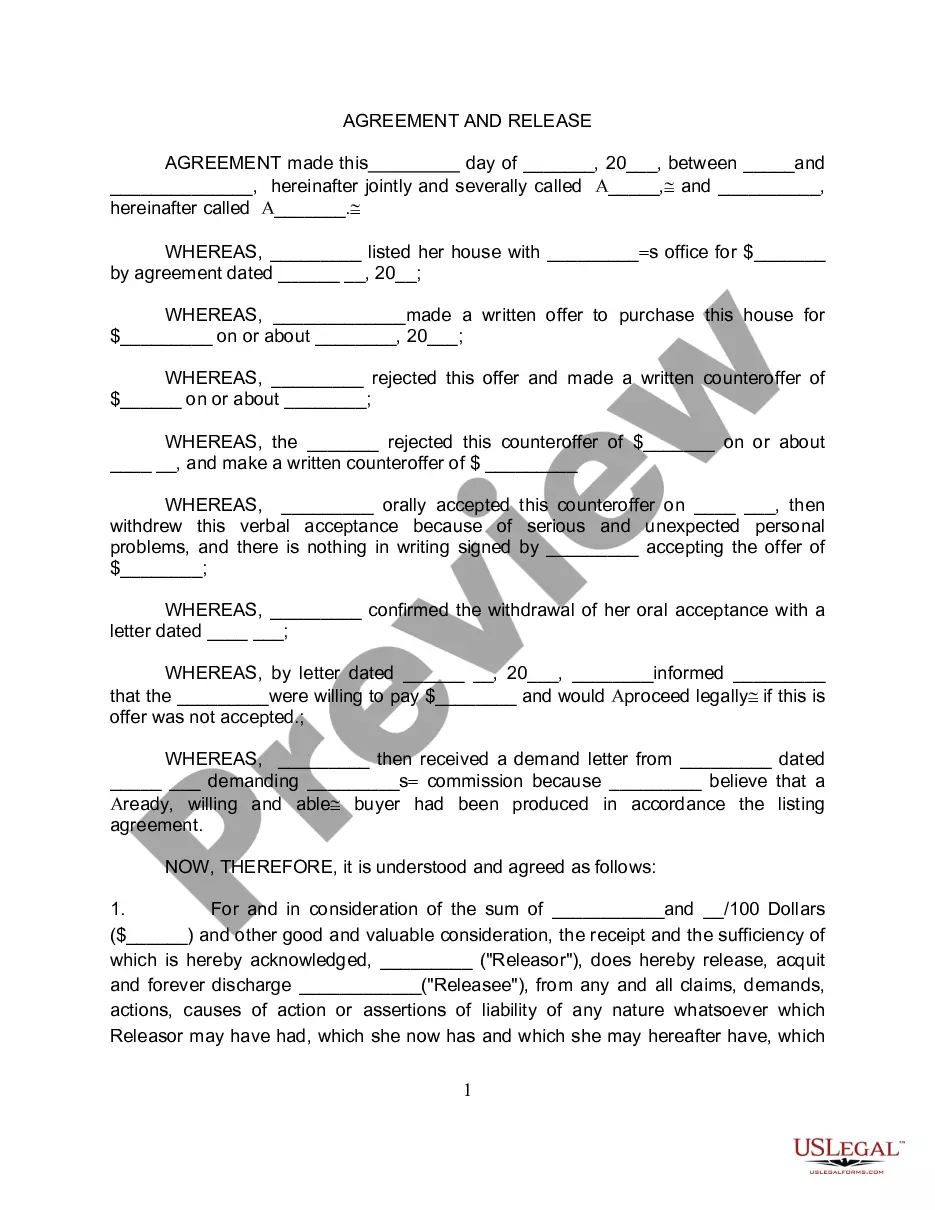
Get your form ready online
Our built-in tools help you complete, sign, share, and store your documents in one place.
Make edits, fill in missing information, and update formatting in US Legal Forms—just like you would in MS Word.
Download a copy, print it, send it by email, or mail it via USPS—whatever works best for your next step.
Sign and collect signatures with our SignNow integration. Send to multiple recipients, set reminders, and more. Go Premium to unlock E-Sign.
If this form requires notarization, complete it online through a secure video call—no need to meet a notary in person or wait for an appointment.
We protect your documents and personal data by following strict security and privacy standards.

Make edits, fill in missing information, and update formatting in US Legal Forms—just like you would in MS Word.

Download a copy, print it, send it by email, or mail it via USPS—whatever works best for your next step.

Sign and collect signatures with our SignNow integration. Send to multiple recipients, set reminders, and more. Go Premium to unlock E-Sign.

If this form requires notarization, complete it online through a secure video call—no need to meet a notary in person or wait for an appointment.

We protect your documents and personal data by following strict security and privacy standards.
Looking for another form?


Form popularity
FAQ
While the disclosure form will vary in format, it may contain the following: List of specific issues the homeowner must check off if the home has them. Questions about the property the seller must answer with “Yes,” “No” or “Unknown” Space to provide further explanation of the issue and if it was fixed.
If there is a serious issue with your Michigan home that was not disclosed, you could have a legal remedy against the seller, the seller's broker, or possibly, the home inspector.
In order to pass the Michigan real estate exam, you'll need a score of at least 70%. Passing the exam is much less stressful for anyone who has completed an Exam Prep course.
A proof of service is, in almost all instances, required to be attached to documents that you are filing with the Court. This document is “proof” to the Court of the “service” you completed for the document you are filing.
In Michigan, sellers must disclose any material defects or issues with the property. This includes, but is not limited to: Structural defects. Plumbing and electrical problems.
Affidavit must be filed by the new owner with the assessor for the city or township where the property is located within 45 days of the transfer. The information on this form is NOT CONFIDENTIAL.
Many REALTORS® contact the National Association looking for real estate forms. Forms are state specific because real estate laws vary significantly from state to state. Therefore, forms are usually provided by your state and/or local association of REALTORS®.
What You Need to Know about the Washington State Seller Property Disclosure – Form 17. Washington State requires sellers of residential real property to thoroughly disclose material facts on a form called the Residential Real Property Disclosure Statement (often referred to as Form 17).
A Seller's Disclosure is a legal document that requires sellers to provide previously undisclosed details about the property's condition that prospective buyers may find unfavorable. This document is also known as a property disclosure, and it's important for both those buying a house and for those selling a house.
The seller disclosure statement, also known as a seller disclosure form or Form-17 is a crucial document that sellers must complete when selling their home. Its purpose is to provide potential buyers with information about the condition of the property and any known issues or defects.

