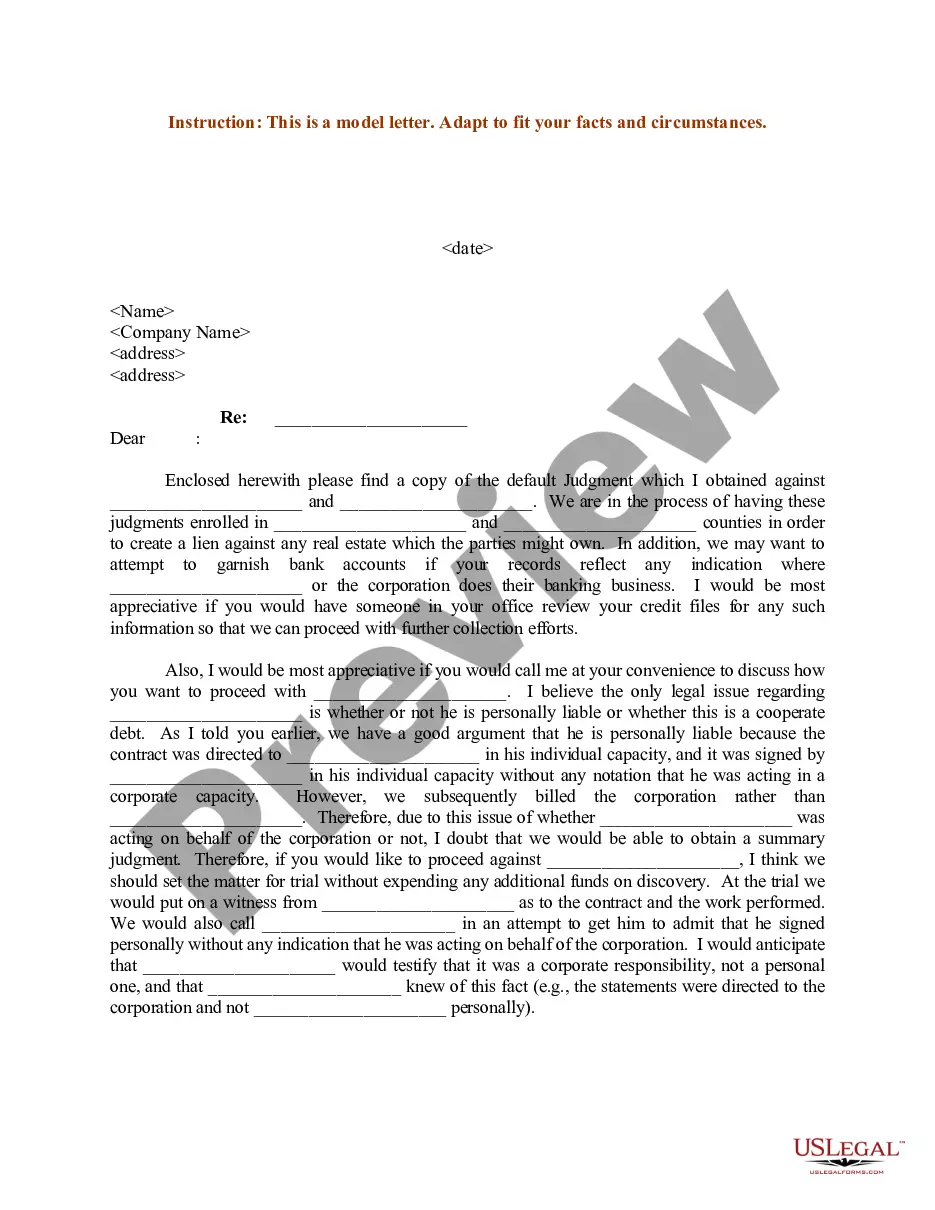
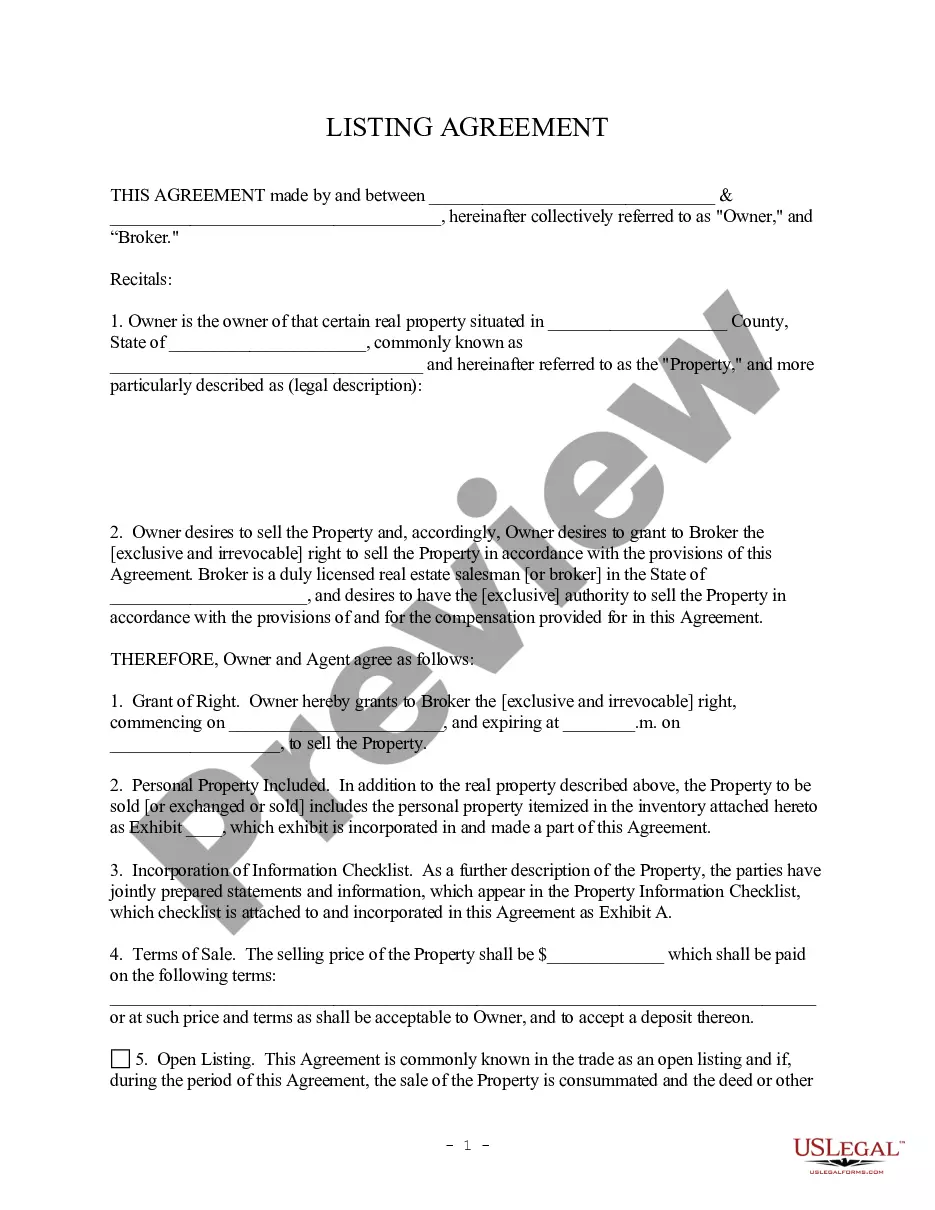
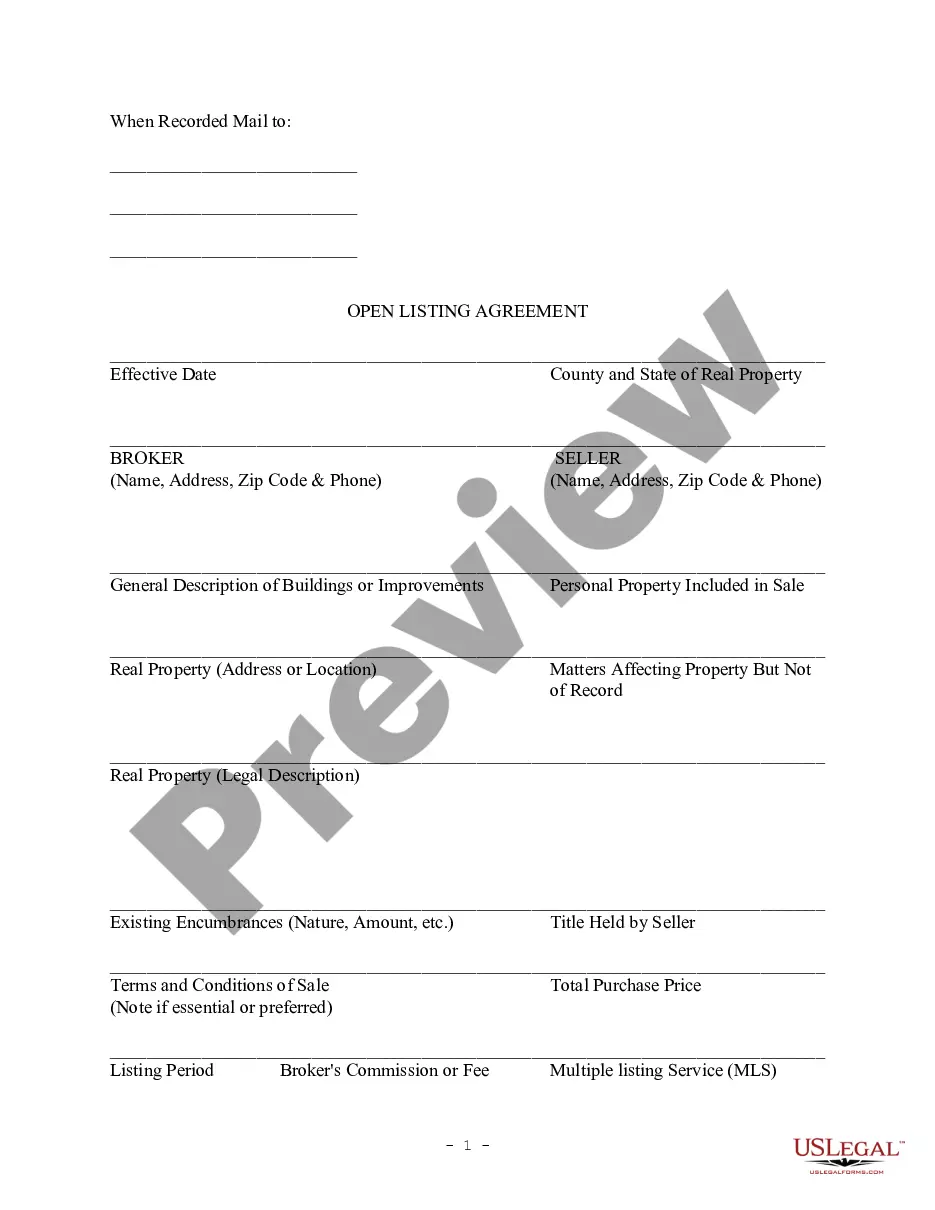
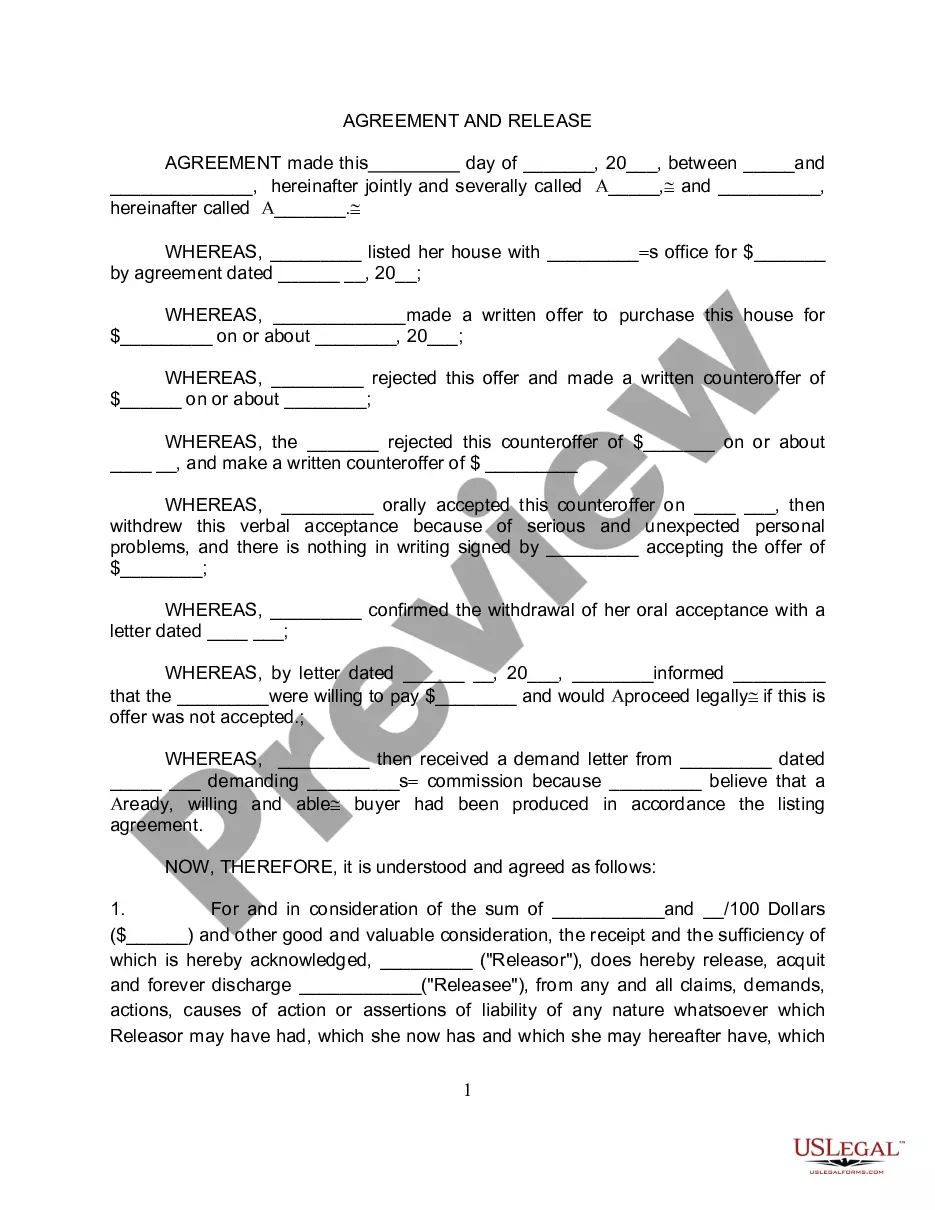
Listing Agreement Contract For Unimproved Property In Houston
Description
Get your form ready online
Our built-in tools help you complete, sign, share, and store your documents in one place.
Make edits, fill in missing information, and update formatting in US Legal Forms—just like you would in MS Word.
Download a copy, print it, send it by email, or mail it via USPS—whatever works best for your next step.
Sign and collect signatures with our SignNow integration. Send to multiple recipients, set reminders, and more. Go Premium to unlock E-Sign.
If this form requires notarization, complete it online through a secure video call—no need to meet a notary in person or wait for an appointment.
We protect your documents and personal data by following strict security and privacy standards.

Make edits, fill in missing information, and update formatting in US Legal Forms—just like you would in MS Word.

Download a copy, print it, send it by email, or mail it via USPS—whatever works best for your next step.

Sign and collect signatures with our SignNow integration. Send to multiple recipients, set reminders, and more. Go Premium to unlock E-Sign.

If this form requires notarization, complete it online through a secure video call—no need to meet a notary in person or wait for an appointment.

We protect your documents and personal data by following strict security and privacy standards.
Looking for another form?







Form popularity
FAQ
Unimproved land (sometimes known as vacant lots or more commonly raw land) is land that does not have any active services or public utilities running through it like water lines, electricity or even street access from the public roadways.
The unimproved property Texas sales contract is designed to be used for transactions that are related to the sale of land that has not yet been developed. This would be residential or commercial land that does not have a structure built on it yet.
It might be easiest to start with what the unimproved property contract is NOT used for. This contract form is for a property that does not have physical buildings, additions, or fixtures on the land. Example of a Lot/Block legal description.
Unimproved Property Contract (Form ID: 9-16): This contract form is for property that does not have physical buildings, additions or fixtures on the land. It is generally used for property that has been platted (has a recorded Lot/Block legal description). It is not for use for condominium transactions.
Unimproved Property Contract (Form ID: 9-16): This contract form is for property that does not have physical buildings, additions or fixtures on the land. It is generally used for property that has been platted (has a recorded Lot/Block legal description). It is not for use for condominium transactions.
Unimproved Property Contract (Form ID: 9-16): This contract form is for property that does not have physical buildings, additions or fixtures on the land. It is generally used for property that has been platted (has a recorded Lot/Block legal description). It is not for use for condominium transactions.
As public records, contract forms adopted by the Texas Real Estate Commission are available to any person. Real estate license holders are required to use these forms. However, TREC contract forms are intended for use primarily by licensed real estate brokers or sales agents who are trained in their correct use.
Required Elements of a Real Estate Contract To establish legality, a real estate contract must include a legal purpose, legally competent parties, agreement by offer and acceptance, consideration, and consent.